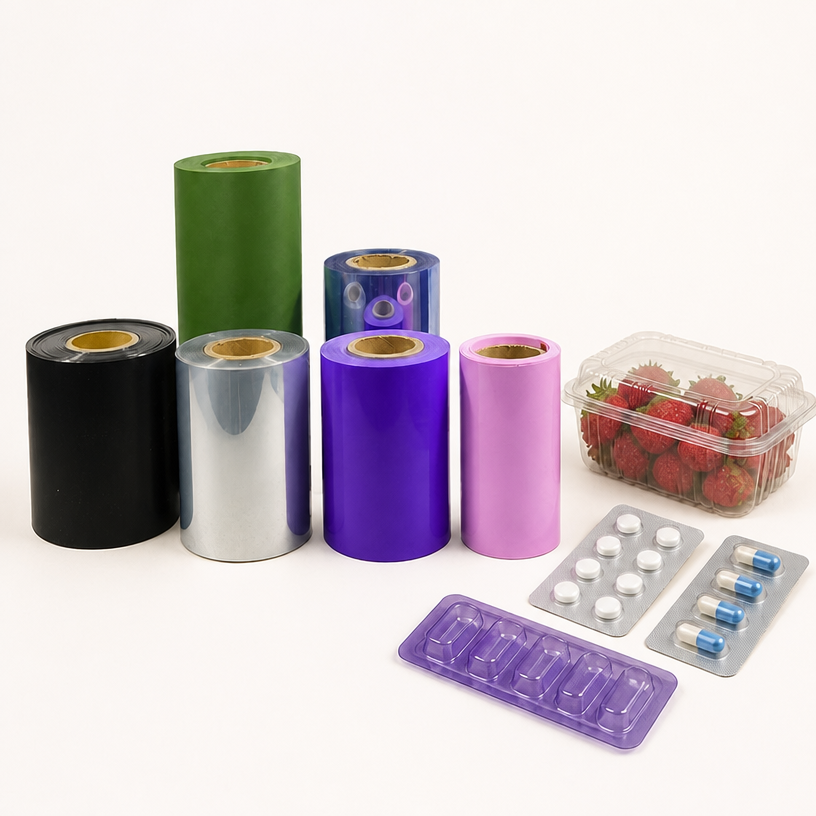
Ocan Polymer Materials Co., Ltd. is a leading enterprise dedicated to the research of polymer composite materials, integrating R&D, manufacturing and market promotion.
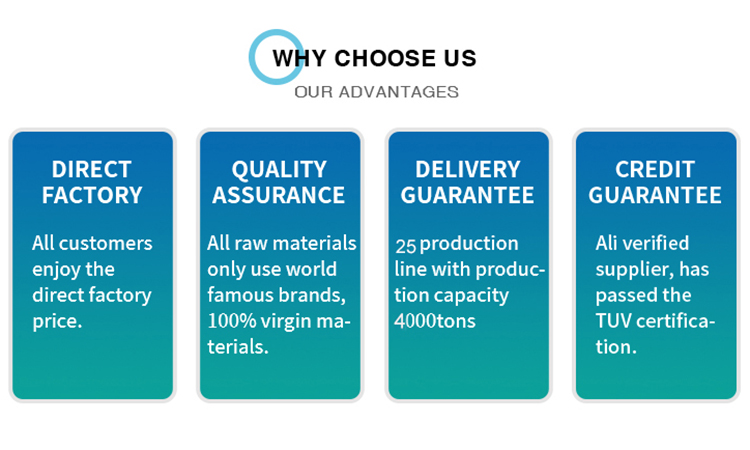
Ocan was officially established in 2005.In 2019, Ocan expanded its production capacity and establishing a subsidiary in Anhui Chuzhou - Anhui Ocan. The company currently has 23 advanced automated production lines, More than 30 technicians,with an annual production capacity of 40,000 tons.Our products have undergone rigorous testing and comply with internationally recognized standards, including RoHS, REACH, and ISO certifications.
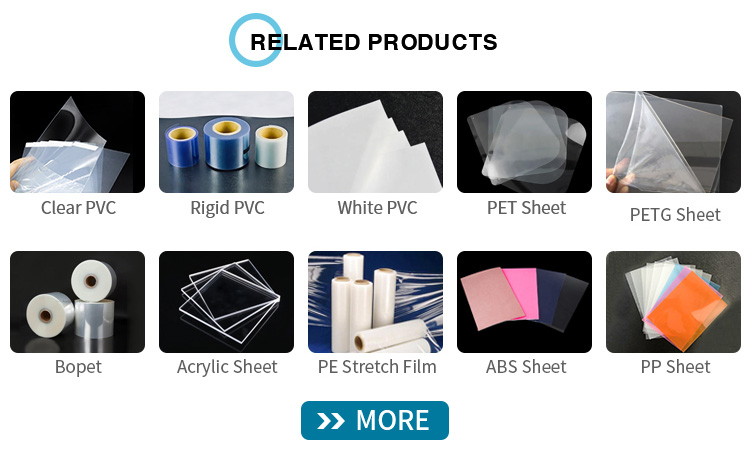
Ocan product portfolio includes PVC and PET Sheets, PVC Soft Film, APET Sheet,RPET Sheet,Foam boards, PE films, Acrylic Sheet, PC/PS/PP/ABS/HIPS Sheet and other plastic products totaling over 100 types.
By Color
Natural Color Sheets
Slightly Blue-Glow Sheets
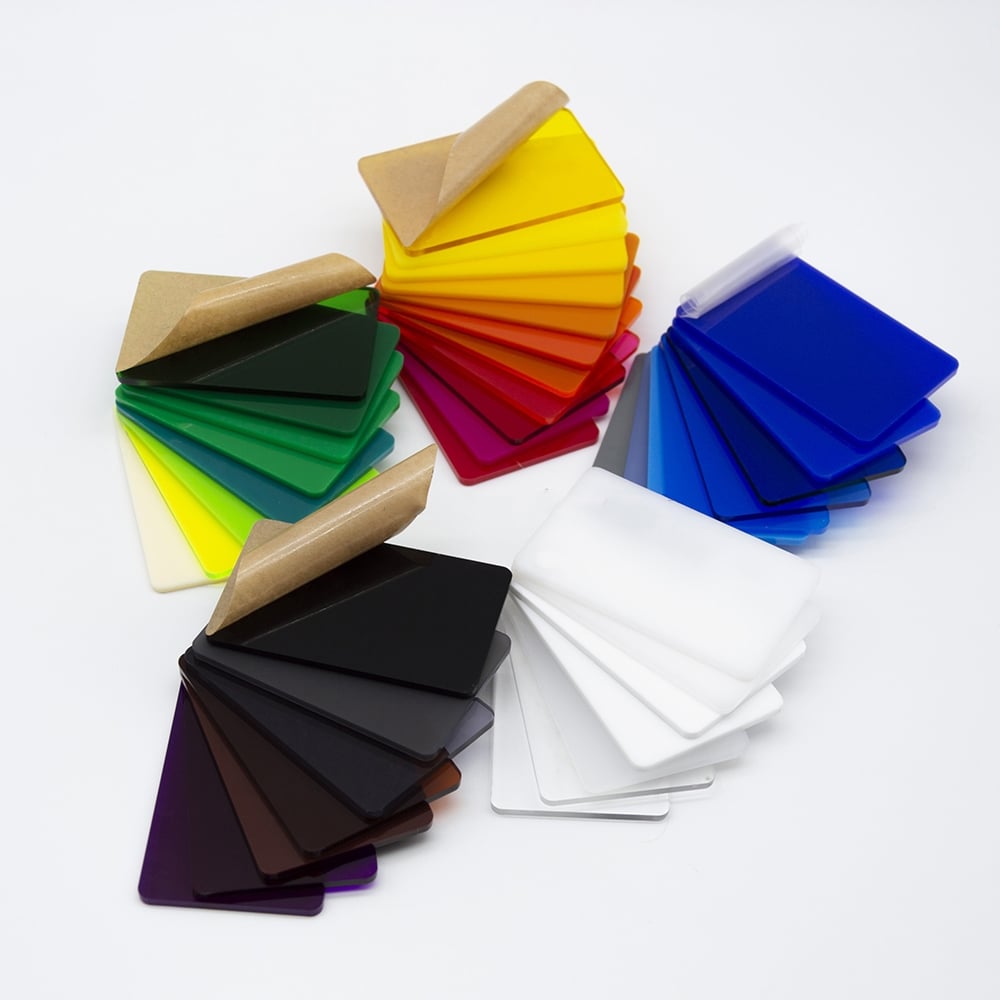
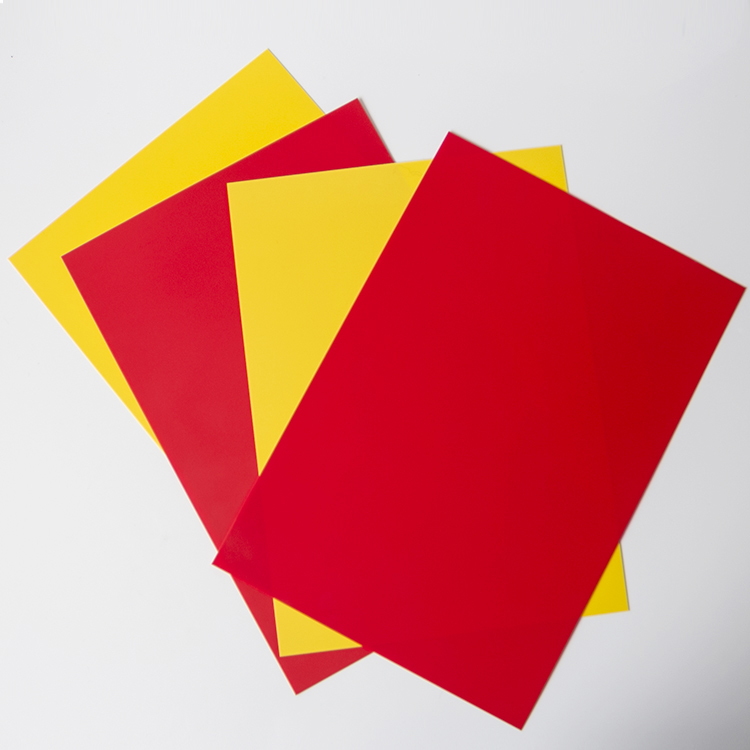
Various Colored Sheets (Can be produced according to customer-provided samples or standard color cards)
By Transparency
Transparent Sheets
Translucent Sheets
Opaque Sheets
By Surface Treatment
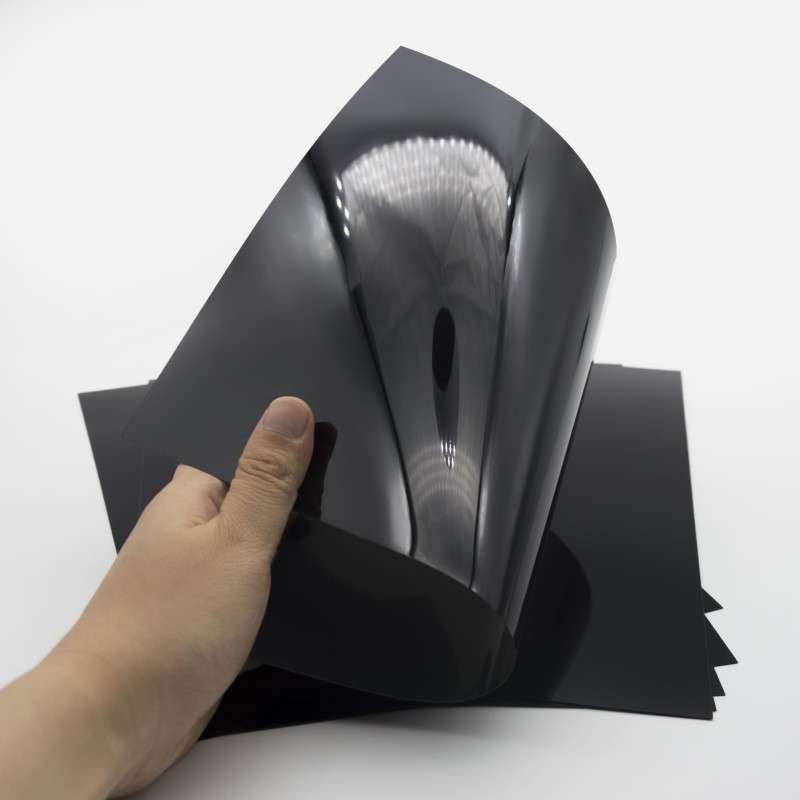
Glossy Sheets
Matte Sheets (Coarse and Fine)
Single-Sided or Double-Sided Laminated Film
Matte White (Black)
By Grade
Virgin Material
Ordinary New Material
Recycled Material
By Function
Anti-Static Sheets
Anti-Ultraviolet (UV) Sheets
Scratch-Resistant Sheets
(Calendering Line): Thickness: 0.1mm - 0.55mm; Width: ≤ 900mm
(Extrusion Line): Thickness : 0.2mm -10mm; Width: ≤ 1300mm
PVC series - Thickness range: 0.05 - 20mm, Maximum width: 1600mm.
PET series - Thickness range: 0.15 - 3mm, Maximum width: 1300mm.
PC series - Thickness range: 0.05 - 3mm
PP series - Thickness range: 0.25 - 5mm
PS series - Thickness range: 0.25 - 4mm
ABS series - Thickness range: 0.4 - 3mm
Acrylic series - Thickness range: 1 - 20mm
Soft PVC series - Thickness range: 0.05 - 10mm
PVC foam board series - Thickness range: 1 - 40mm
Cabinet panels, clothing templates, shell outer protection, drum skins, UV printing, screen printing, automotive component injection molding, light box injection molding, lampshade injection molding, switch panels, gaskets, hairpins, machine guard covers, brims, die-cutting, folding boxes, helmet injection molding, photo frames, luggage, eyeglass lenses, printed signs, book covers, windows, clock surfaces and related industrial applications.
High transparency, smooth surface, no crystal points, no flow marks, flame-retardant and self-extinguishing, high quality and low price, good processing performance, corrosion resistance, high impact resistance, excellent insulation and other excellent characteristics.
Comparative Analysis of Extrusion and Calendering Processes for PVC Sheet Production
PVC sheet materials are manufactured primarily via two industrial-scale processes: extrusion and calendering. While both methods yield finished sheets and rolls with identical geometric forms, they differ significantly in operational principles, material compatibility, dimensional precision, and application suitability—factors critical to informed production planning and procurement decisions.
In extrusion, PVC compound is fed into an extruder, where it undergoes homogenization, plasticization, and continuous melt extrusion through a slit die. The resulting melt strand is then cooled, calibrated, trimmed, tensioned, and cut to specification—often following passage through a three-roll calendering unit solely for surface finishing and thickness uniformity enhancement. By contrast, calendering relies on sequential compression of pre-plasticized PVC compound between heated, precision-ground rollers under controlled temperature and pressure, directly forming sheets or films without prior melt extrusion.
The working principles are different:
The PVC sheet produced by extrusion is formed by sending the molten plastic between the high-temperature rollers and repeatedly pressing it, similar to spinning fibers.
It is pressed into sheets or films by the extrusion machine. Extrusion involves mixing the raw materials and auxiliary materials in an extruder, which is then extruded and plasticized in the extruder and then extruded from the slit die head to become a billet. After passing through the three-roll calendering machine, edge trimming device, tensioning device, and cutting device, the plastic sheet is obtained.
Different application scenarios:
The extrusion method is more suitable for rigid materials such as PVC and ABS, as well as high-strength products. The calendering process is better at handling soft PVC, rubber, etc., with a thickness accuracy of ±0.005mm.
The extrusion process is suitable for producing continuous plastic profiles, while the calendering process is more suitable for producing plastic products with complex shapes and structures.
The extrusion process of the transparent PVC sheet produced by Anhui Ocan Company can be as thin as 8 strands, but it cannot be thinner than 50 strands.
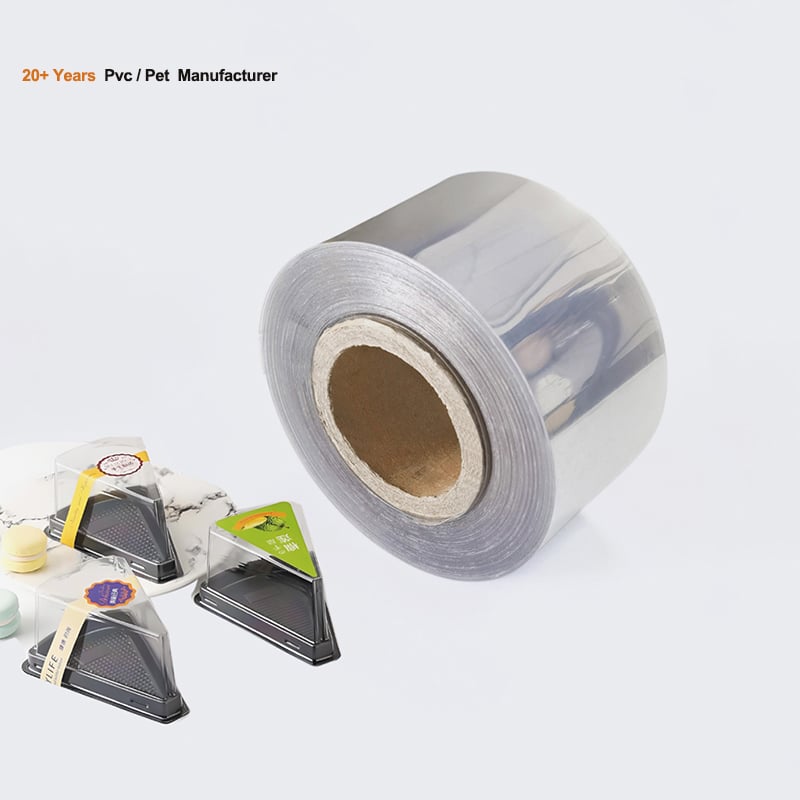
The extrusion line branch factory can handle production only when the strand thickness is above 10 microns. The transparent PVC sheet /Pvc Roll can be as thin as 800 microns, and the specific thickness can be customized according to customer requirements.Before mass production, we will conduct sample testing to confirm the quality. Only when it meets the requirements will we proceed with large-scale production.
We warmly welcome both new and established customers to visit our manufacturing facility for technical exchange and in-depth discussions on potential collaboration opportunities. Ocan is a trusted, vertically integrated manufacturer specializing in high-quality plastic sheet materials.
 Hot News
2026-10-20
2026-09-16
2026-07-02
2026-06-09
2026-05-26
2026-01-21
 EN
EN