Anhui Ocan has been deeply engaged in the polymer material processing industry for over 20 years. All Ocan employees have always regarded innovation as the core driving force for the company's development. They continuously overcome technical challenges and break through industry technical barriers, thus becoming a leader in the PVC industry and establishing a good industry benchmark!
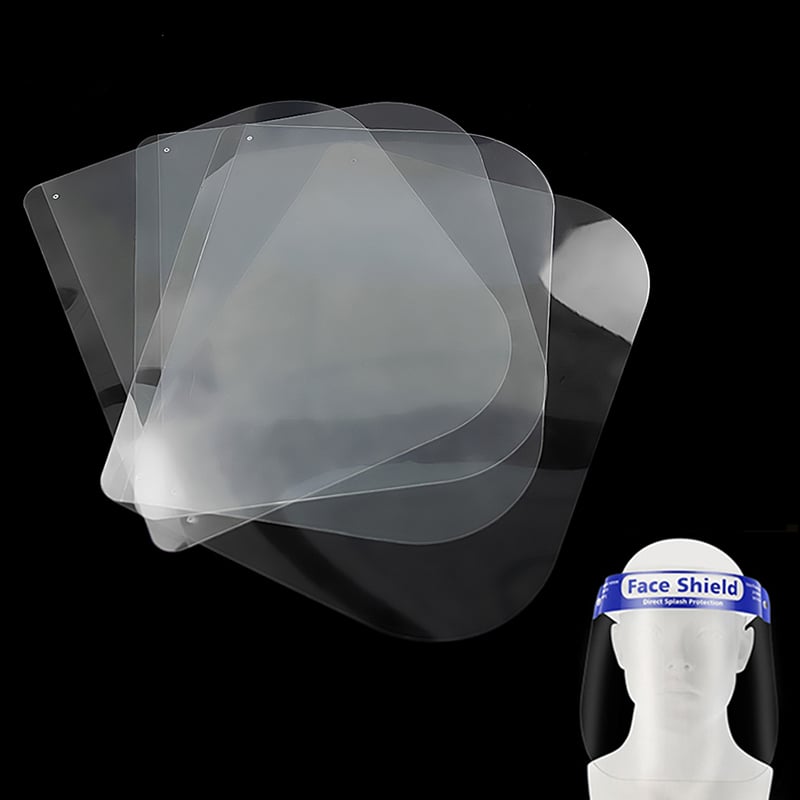
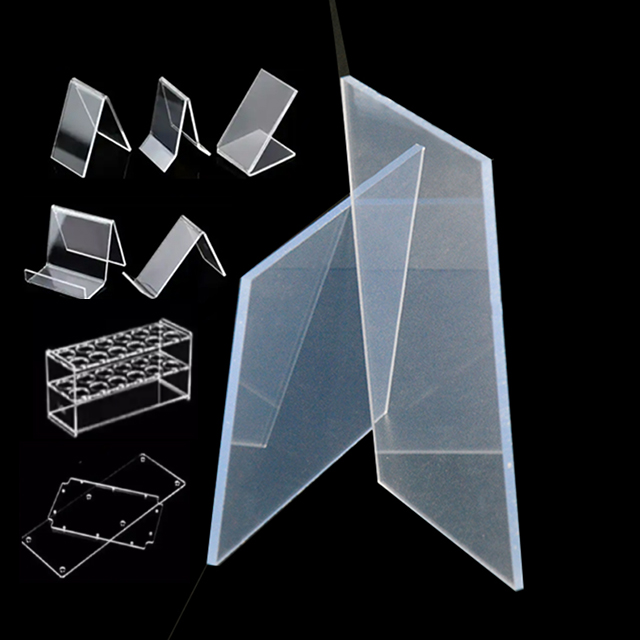
Today, we will conduct a deep analysis of the pain points in PVC sheet processing. Since 2026, with the tightening of environmental policies and the sharp increase in cost pressure, while PVC sheets have excellent processing performance, they can be processed like wood through drilling, sawing, nailing, planing, and gluing, and can also adapt to various complex secondary processing techniques such as hot forming, heating bending, and folding. Therefore, the application scenarios of PVC sheets have rapidly penetrated from traditional signs and display stands to more stringent fields such as medical, industrial, and new energy vehicles.
However, in actual processing, many peer enterprises have encountered problems such as poor stability of sheet dimensions; warping and deformation after processing; poor temperature control in the hot bending process, and whiteing and blistering on the product surface. In response to the problems reported by customers, Aokai's technical team has also provided the following suggestions:
1. Continuously monitor the temperature, tension, and deformation data in the heating area of the sheet, and make real-time adjustments to ensure that the internal stress of the PVC sheet is uniformly released during the hot bending process, which almost eliminates the problem of whitening and blistering.
2. When encountering burrs, three aspects can be optimized: in terms of tools, thin sheets use double-edge spiral knives with an angle of 30 to 45 degrees, and thick sheets use hollow single-edge knives; in terms of paths, the outer contour uses clockwise cutting, and the inner contour uses counterclockwise cutting; in terms of post-processing, use sandpaper polishing or flame treatment.
3. For edge breakage problems, which are common in high-density PVC sheets and thick sheets processing, the solution is to use negative rake angle tools, reducing cutting force and lowering the rotational speed to 8000 to 10000 revolutions per minute.
4. For deformation problems, they are mainly caused by local overheating during processing, and attention should be paid to controlling the rotational speed and feed speed, avoiding excessive cutting temperature, and avoiding excessive stress concentration during drilling and fastening.
5. For cracking problems after installation, they are mainly caused by insufficient reserved expansion gap or overly tight screws. During installation, it is necessary to reserve expansion gap, use screws with washers and gently fix, and do not tighten too tightly.
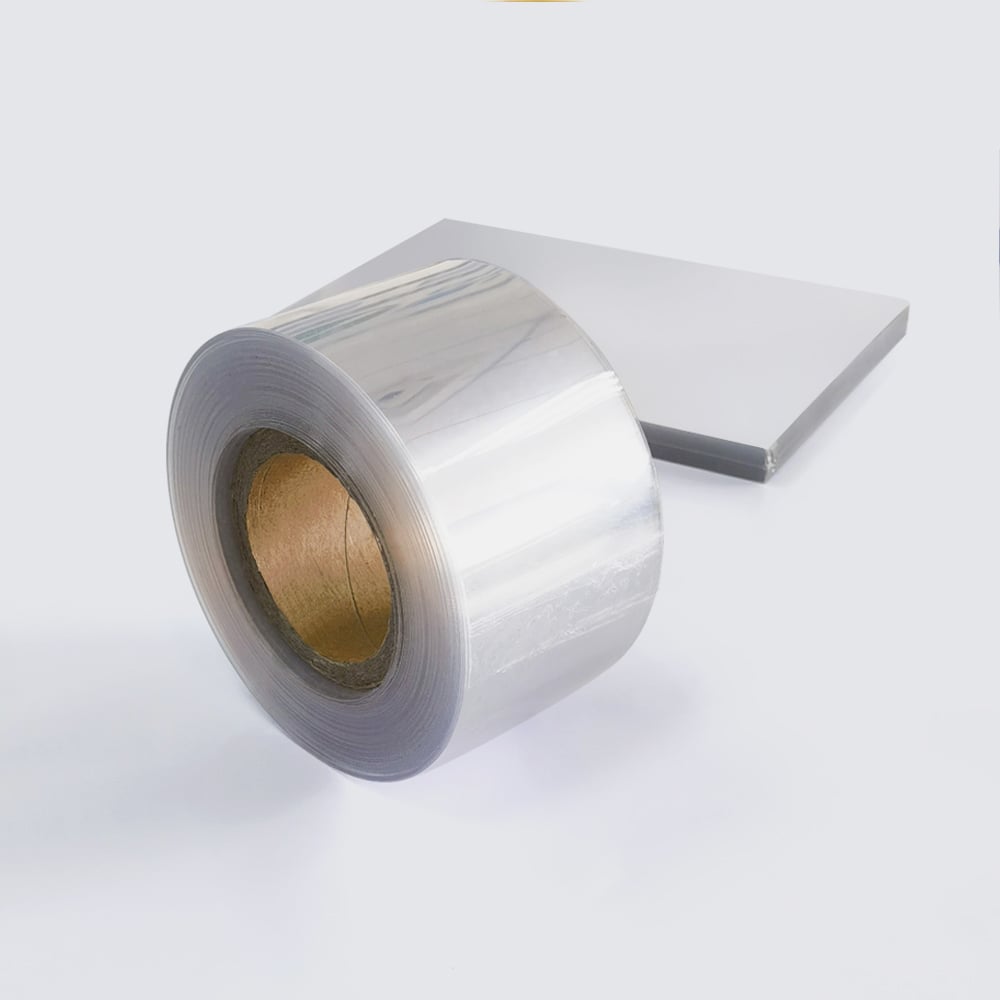
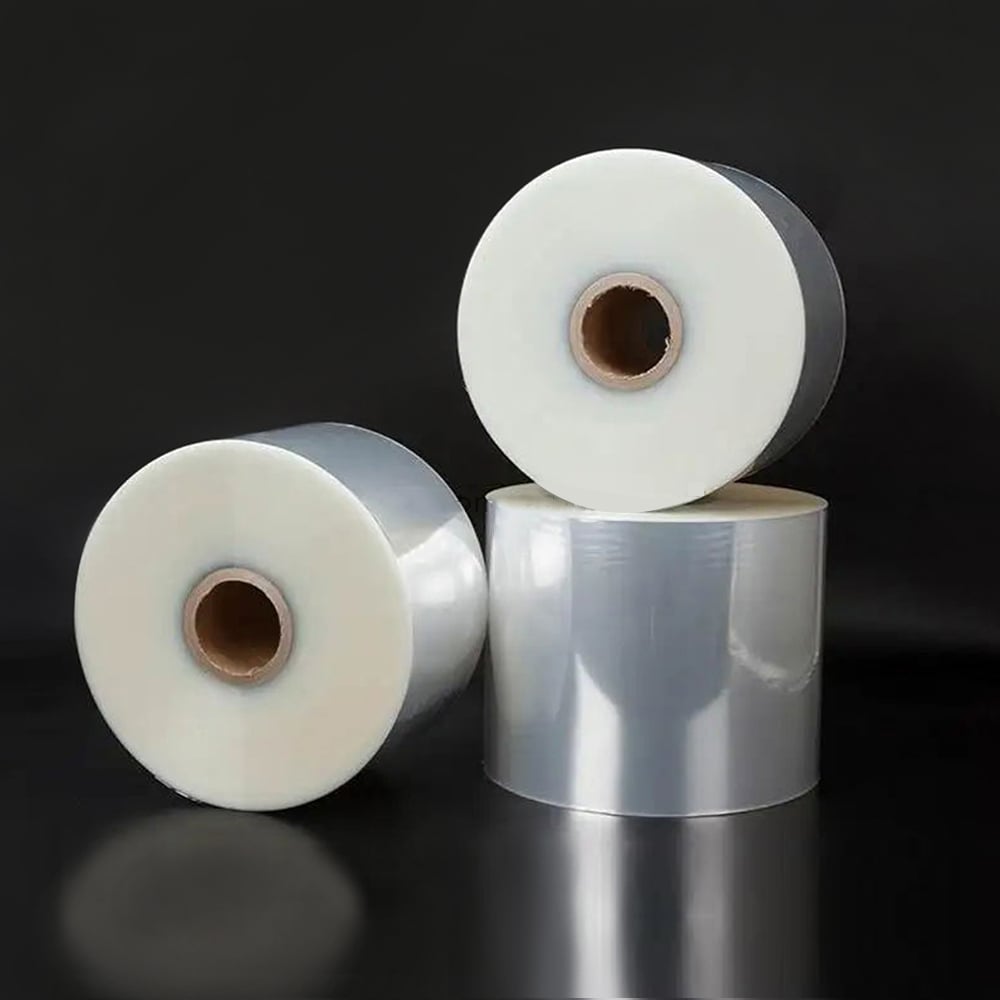
During our cooperation with multiple production and processing customers, we have also encountered optimization solutions for UV printing adhesion tests of high transparency PVC sheets. If you also have problems and confusions in PVC sheet and roll processing, please share your solutions in the comment section and let's discuss together!
 Hot News
2026-10-20
2026-09-16
2026-07-02
2026-06-09
2026-05-26
2026-01-21
 EN
EN