Introduction: From Recycled Material to a Manufacturable Packaging Solution
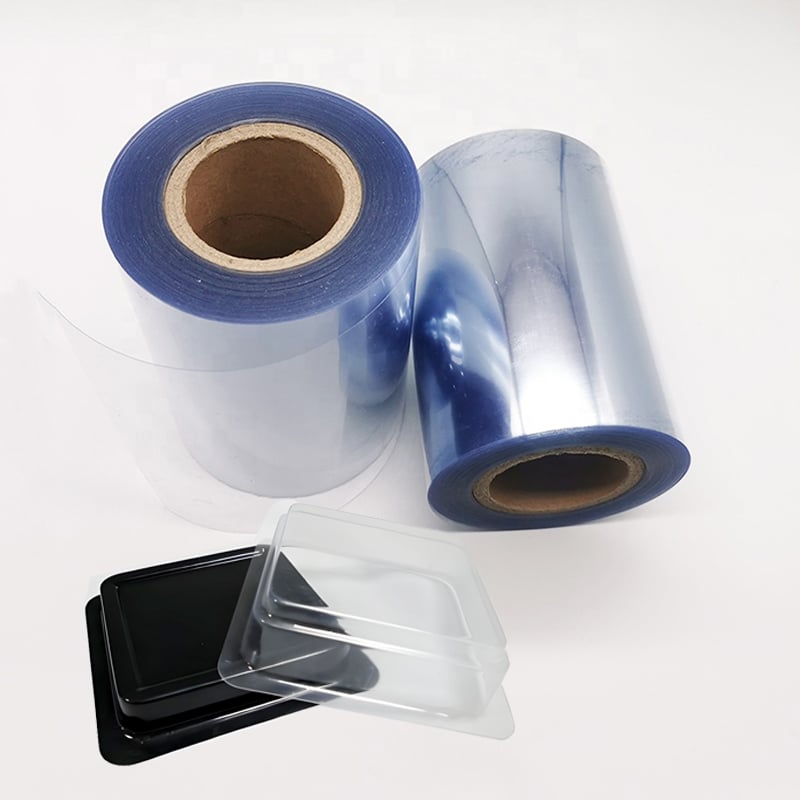
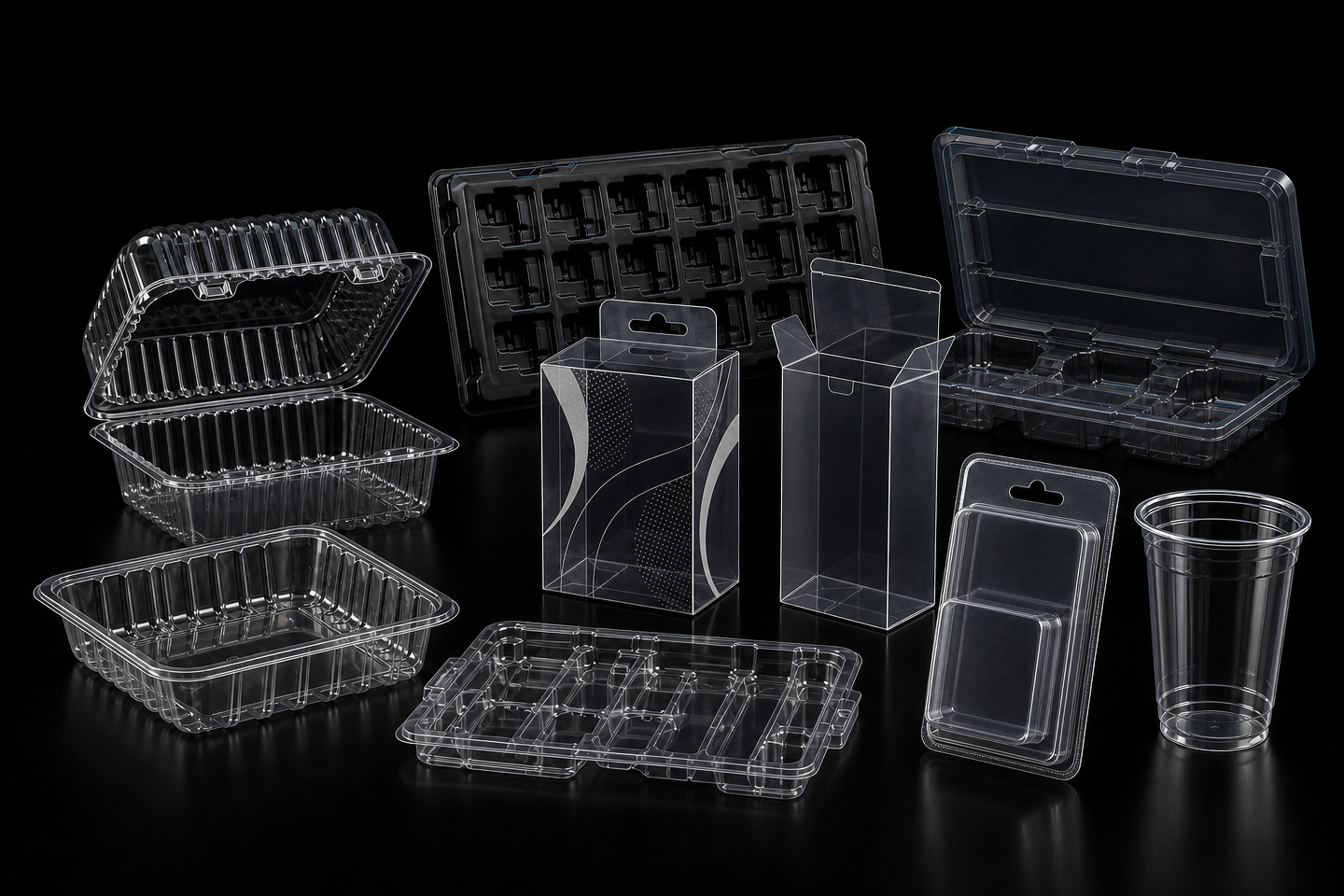
When brands want to reduce dependence on virgin plastic, packaging materials must do more than support an environmental message. They still need to deliver dependable appearance, forming behavior, transport performance and end-use functionality. RPET, or recycled polyethylene terephthalate, is a rigid sheet or rollstock made by reprocessing recovered PET feedstock. It can be converted into clear trays, blister packs, folding boxes, cake-box windows, protective inserts and electronic-component packaging. However, the material name alone does not determine project success. The real question is whether thickness, surface finish, recycled content, converting method and final service conditions are matched correctly.
Why RPET Works Well for Product-Visible Packaging
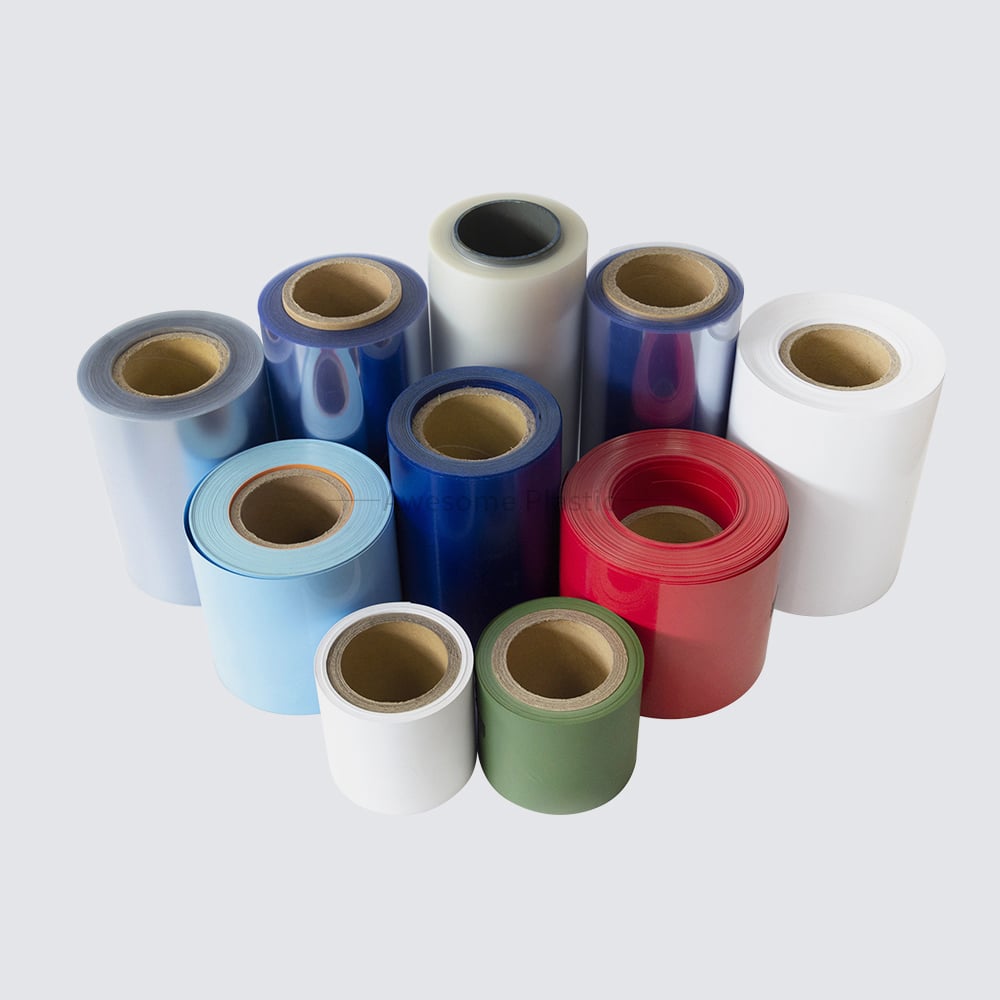
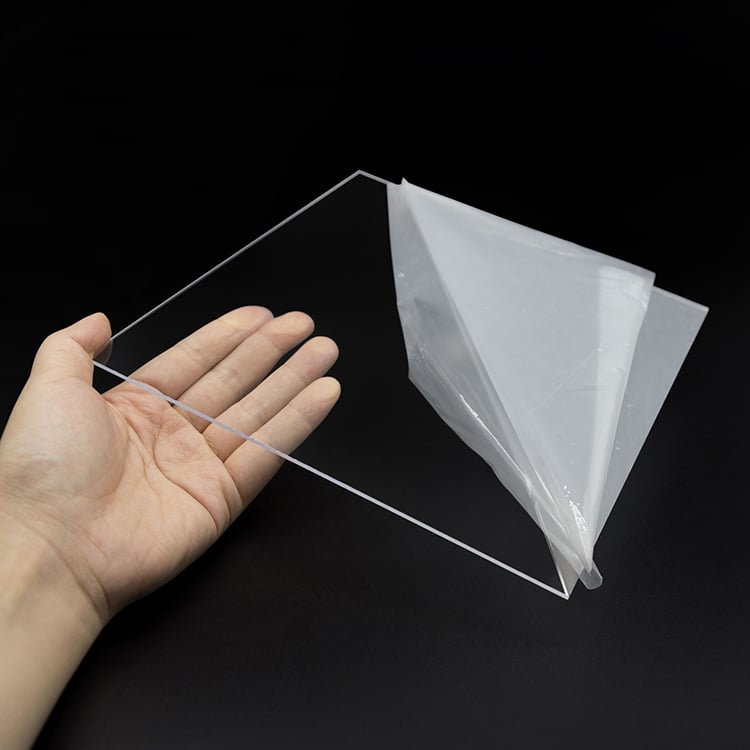
In retail, packaging often acts as a viewing window. Clear RPET lets shoppers see food, consumer goods or electronic accessories while providing stiffness, strength and impact resistance. In carton windows, transparent folding boxes or blister structures, it protects the product without hiding it. High-gloss, matte, colored and customized surfaces can support different visual identities. However, “clear” and “matte” are not complete specifications. Clarity, haze, gloss, scratch criteria and protective-film requirements should be agreed during sampling so the final package remains consistent in real lighting and handling conditions.
From Thin-Gauge Window Film to Deep-Draw Thermoforming Sheet
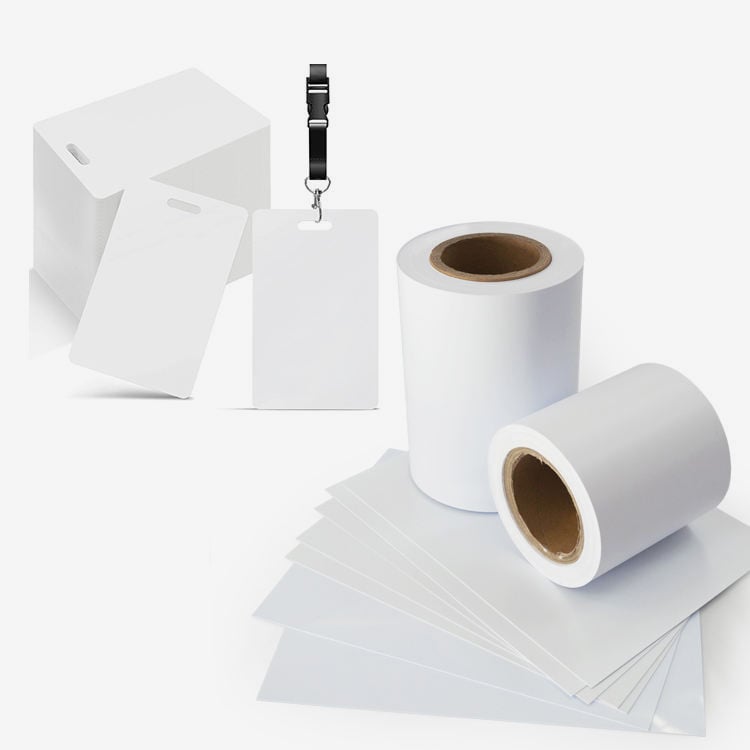
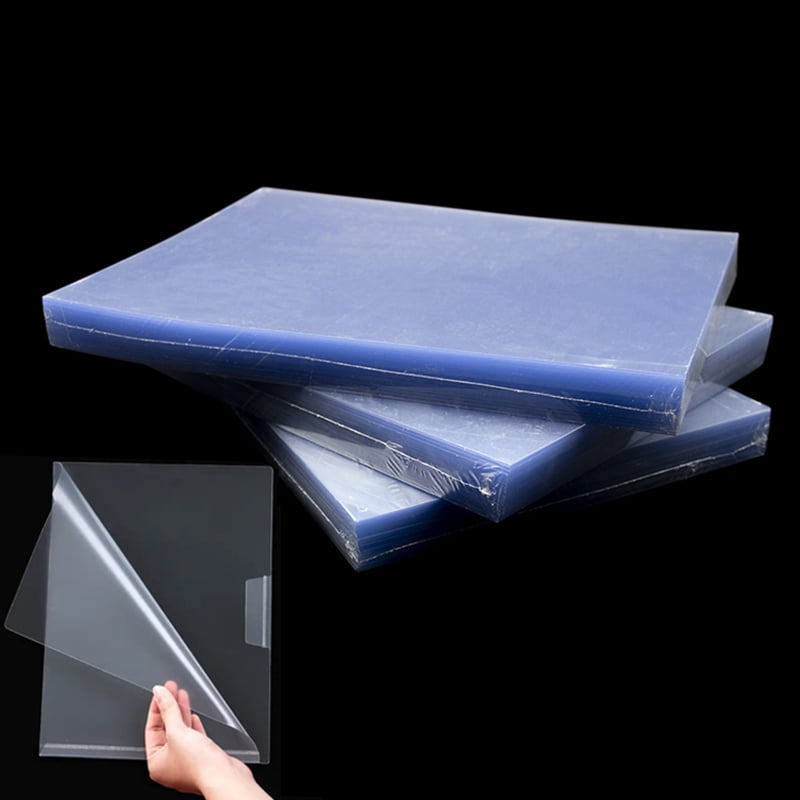
RPET comes in multiple gauges and supply formats. Thin material can suit packaging windows, lightweight die-cut parts and shallow-draw structures, reducing material use per unit area. Heavier sheet may be better for load-bearing trays, clamshells or deeper cavities. The compiled range lists 0.12–6 mm thickness, widths up to 1,400 mm, and supply as rolls or cut sheets, subject to order-specific limits and tolerances. A useful request should describe finished-part dimensions, product weight, cavity depth, mold geometry, draw ratio and rigidity target instead of specifying thickness alone.
Printing, Folding and Bonding: Validate Before Mass Production
For clear folding cartons or branded packs, RPET may pass through screen printing, UV printing, offset printing, creasing, bending, die cutting and bonding. A 350-micron printable clear roll illustrates why gauge is only the starting point: the printing side, surface energy, ink chemistry and curing conditions are equally important. If the printed material will later be folded or thermoformed, adhesion, scratch resistance, graphic distortion, stress whitening and cracking should also be evaluated. Paper-and-plastic constructions, such as cake-box windows, require checks for die-cut edge quality, adhesive compatibility and carton assembly. A successful hand sample does not automatically guarantee stable production, so trials should use the actual machine, ink, adhesive and tooling whenever possible.
Anti-Fog and ESD Grades: Look Beyond the Product Name
Functional RPET grades address more specific packaging challenges. Anti-fog treatment or formulation helps condensation spread into a more uniform film, improving visibility in chilled-food and fresh-produce packs, but it does not stop moisture from forming. Testing should reproduce the expected temperature, humidity and storage duration and should identify whether the functional side faces inward, outward or both ways. Electronic packaging may instead require anti-static, static-dissipative or conductive performance. These categories are not interchangeable. Buyers should define the target surface-resistance range, test method, humidity, one- or two-side requirement and expected durability. Performance should then be measured again on the finished thermoformed tray, because forming can affect the functional surface.
Conclusion: Select the Material Around the Finished Package
RPET brings together recycled feedstock and compatibility with transparent display, thermoforming, printing, folding and functional packaging. Reliable results come from working backward from the finished pack rather than forward from a marketing claim. By defining structure, conversion, appearance, functionality and compliance conditions—and completing focused trials before mass production—companies can balance visual performance, manufacturing efficiency and project requirements. Providing the finished-part drawing, target gauge, equipment details and required documents gives suppliers a practical basis for grade screening, sampling and technical confirmation.
 Hot News
2026-10-20
2026-09-16
2026-07-02
2026-06-09
2026-05-26
2026-01-21
 EN