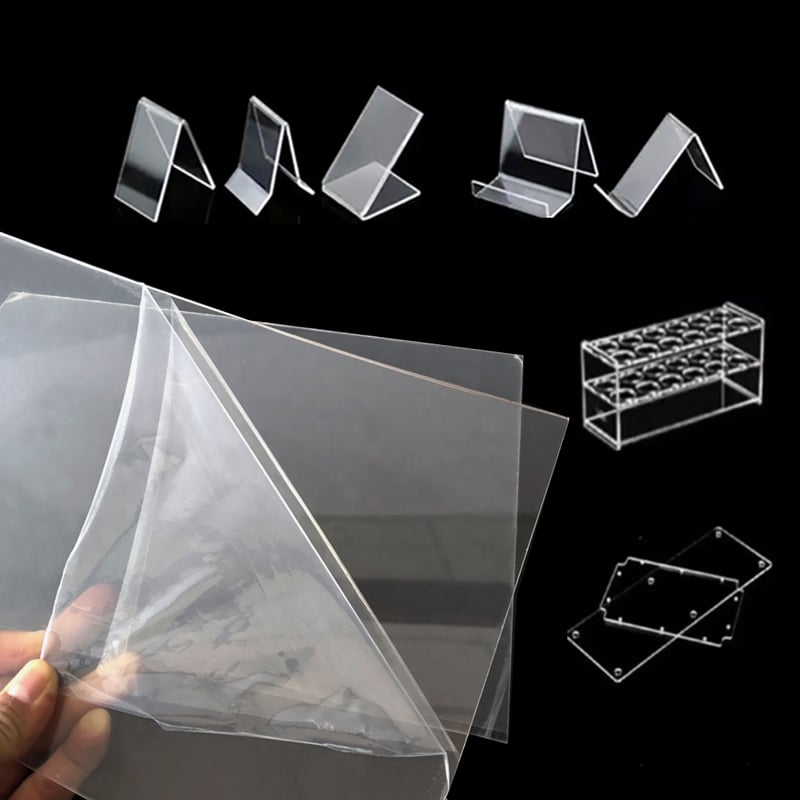
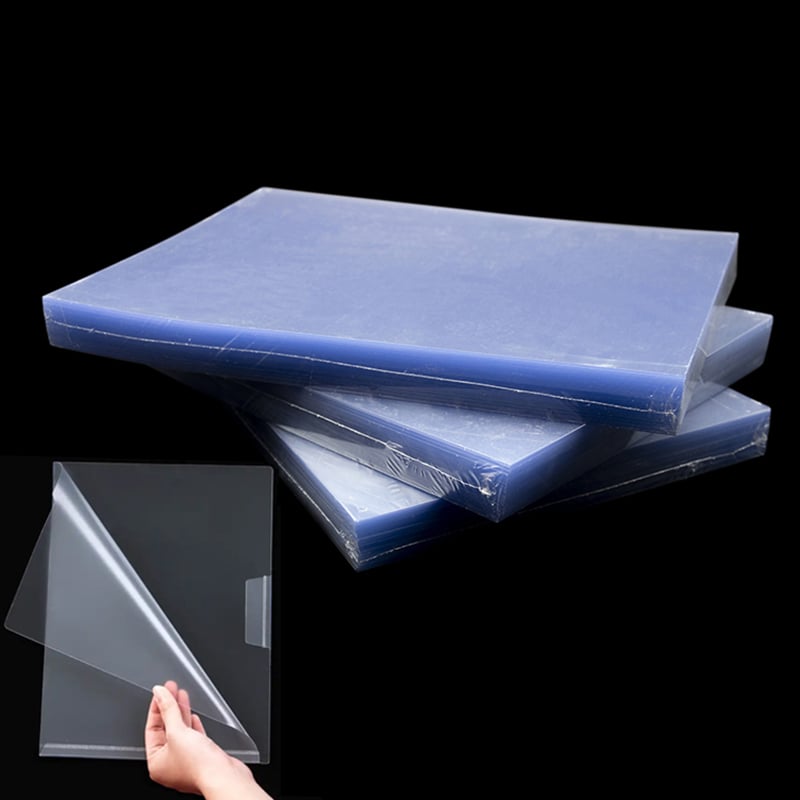
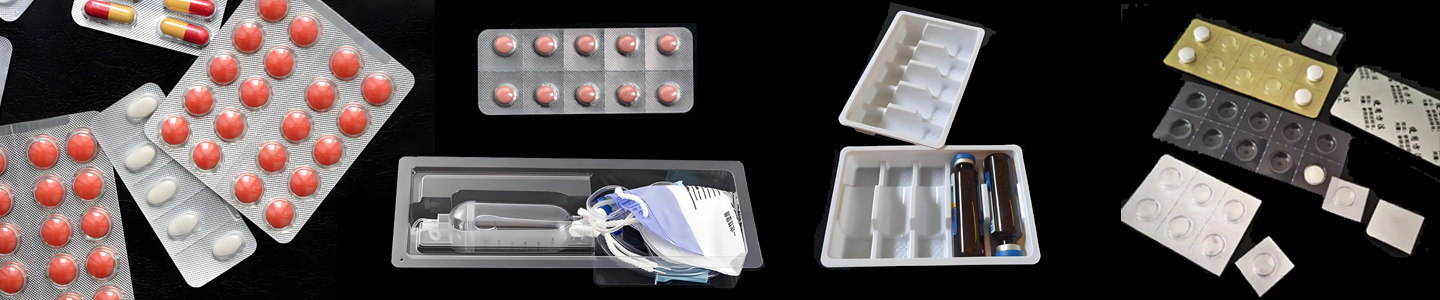
Why Has PVC Become the "Industry Standard" for Pharmaceutical Blister Packaging?In the global pharmaceutical packaging sector, PVC rigid film accounts for approximately 95% of the blister packaging substrate market. Although PVC materials have certain drawbacks, nevertheless it remains an irreplaceable choice for pharmaceutical manufacturers.This article will compare the advantages and drawbacks of PVC materials, enabling readers to gain a deeper understanding of the application of PVC in pharmaceutical blister packaging.
Advantages:
1.Superior Formability and Production Efficiency
PVC is an ideal material for thermoforming processes. When heated to 120°C–150°C, it exhibits excellent plasticity and can be precisely formed into blister cavities for tablets and capsules through vacuum forming or thermoforming. This processing characteristic enables pharmaceutical companies to achieve high-speed, large-scale production with relatively low equipment investment—a direct cost advantage for high-volume drug packaging.
2.High Transparency and Drug Visibility
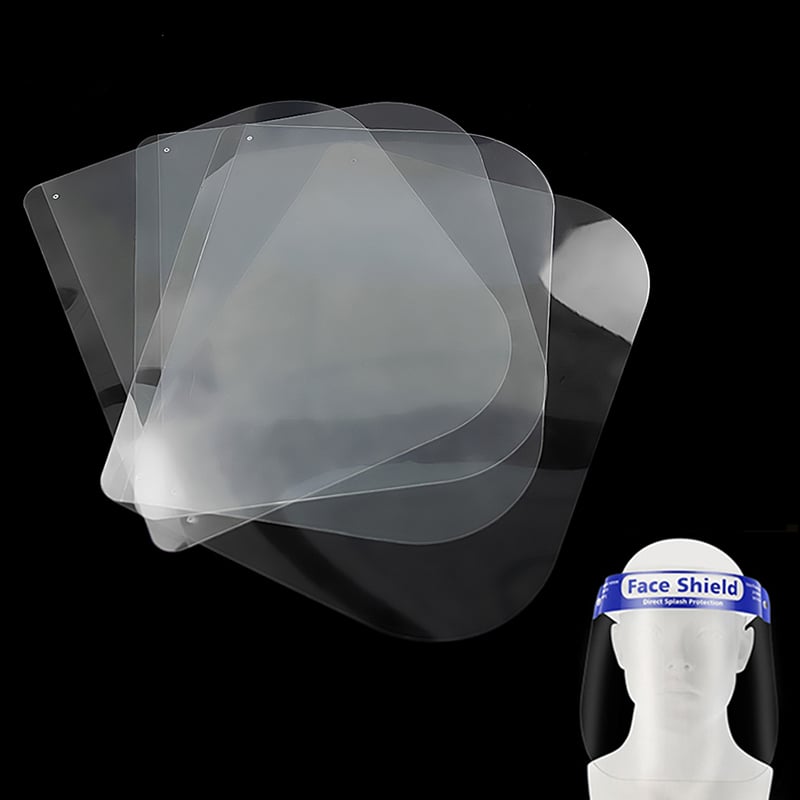
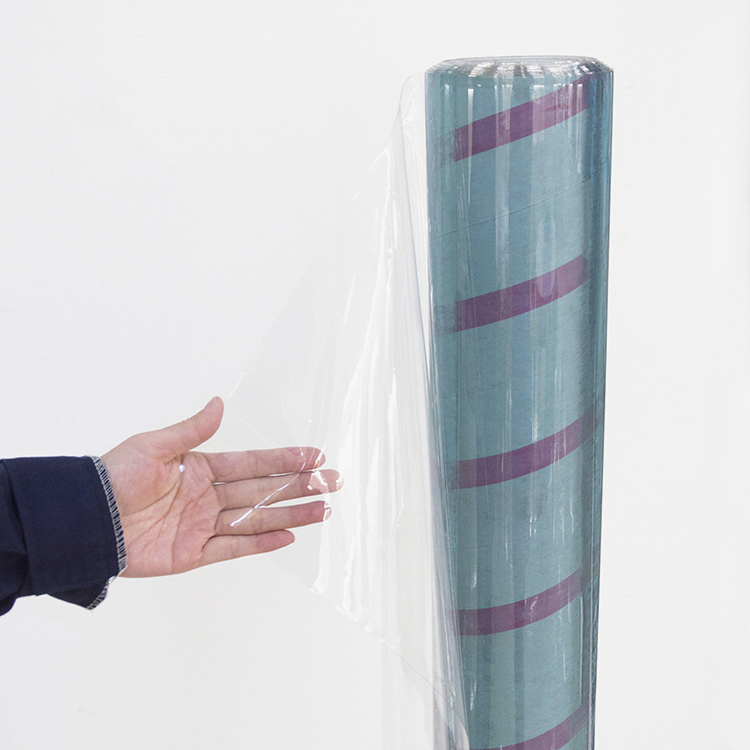
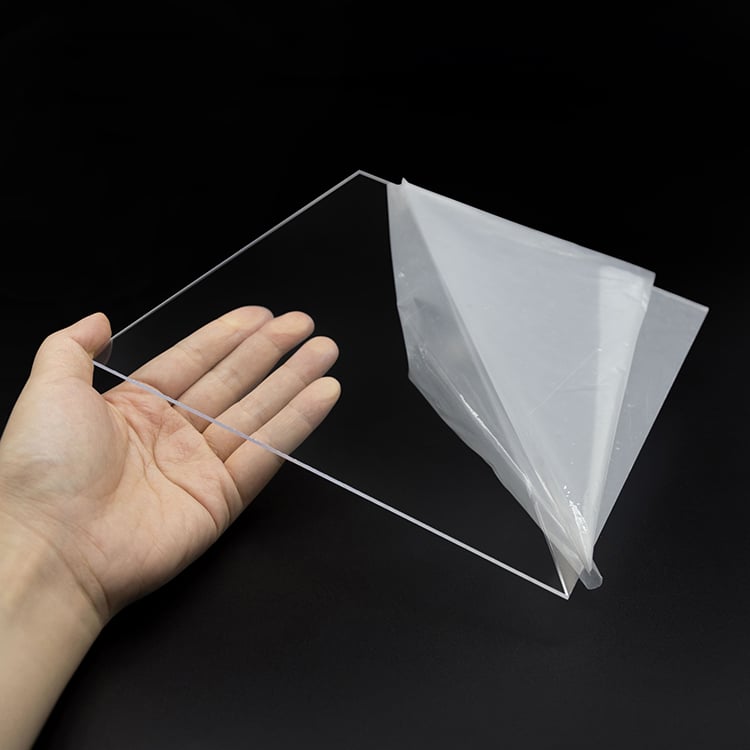
Rigid PVC sheets exhibit exceptional optical transparency, enabling healthcare professionals and patients to visually inspect the morphological characteristics of pharmaceutical products prior to administration and confirm their structural integrity. In the context of packaging that necessitates clear printing of traceability information—such as batch numbers and expiration dates—transparent substrates ensure the legibility of printed content, thereby fulfilling the regulatory compliance requirements for the full-lifecycle traceability of pharmaceutical products.
3.Chemical Inertness and Drug Compatibility
PVC itself is an inert polymer material that does not chemically react with most pharmaceutical ingredients. This means it can maintain packaging stability throughout the drug's shelf life without leachates from the packaging material compromising efficacy. Of course, achieving this property depends on rigorous formulation design—precisely what distinguishes "industrial-grade PVC" from "pharmaceutical-grade PVC."
4.Cost-Effectiveness and Resource Efficiency
The main raw material of PVC comes from salt (sodium chloride). While ensuring performance, PVC provides pharmaceutical enterprises with a more economical packaging solution, which is particularly important in the large-scale centralized procurement and cost-sensitive pharmaceutical market.
Disadvantage:
Pain Point 1: Plasticizer Safety and Migration Risks
Pain Point 2: Barrier Limitations—Inadequate Protection Against Moisture and Oxygen
Pain Point 3: Thermal Stability and Narrow Processing Window
Industry Solutions:
1.Regarding the pain point of the first type of plasticizer, since pure PVC is a hard material, it is necessary to add plasticizers when used in soft medical products such as infusion tubes and blood bags. However, for hard PVC blister films, no plasticizers need to be added, and the risk is much lower than that of soft PVC medical consumables. At present, our industry is still continuously optimizing the formulation plans, such as developing plasticizer systems without phthalates and biobased plasticizers as alternative solutions.
2.Regarding the second barrier-related problem, which is also the most critical pain point for the application of PVC in pharmaceutical blister and thermoforming packaging, currently in our industry, pure PVC sheets are usually coated with a composite layer. The most mature one is the PVDC (polyvinylidene chloride) coating, which significantly enhances the barrier properties against water vapor and oxygen, effectively preventing the deliquescence of drugs and the loss of odors, and prolonging the validity period of the drugs.
Conclusion
The reason why PVC sheeting has become the preferred material for pharmaceutical blister packaging lies in the fact that it has established a combination advantage among performance, cost, and maturity that is difficult to be surpassed comprehensively. Its shortcomings (such as barrier properties, thermal stability, and environmental controversy) are all compensated for by mature or developing technical paths. For pharmaceutical companies, choosing PVC (especially the composite material enhanced by PVDC coating) remains the most cost-effective option while ensuring the safety of the drugs - and the continuous technological innovation in the industry is making this choice safer and more sustainable.
 Hot News
2026-10-20
2026-09-16
2026-07-02
2026-06-09
2026-05-26
2026-01-21
 EN
EN