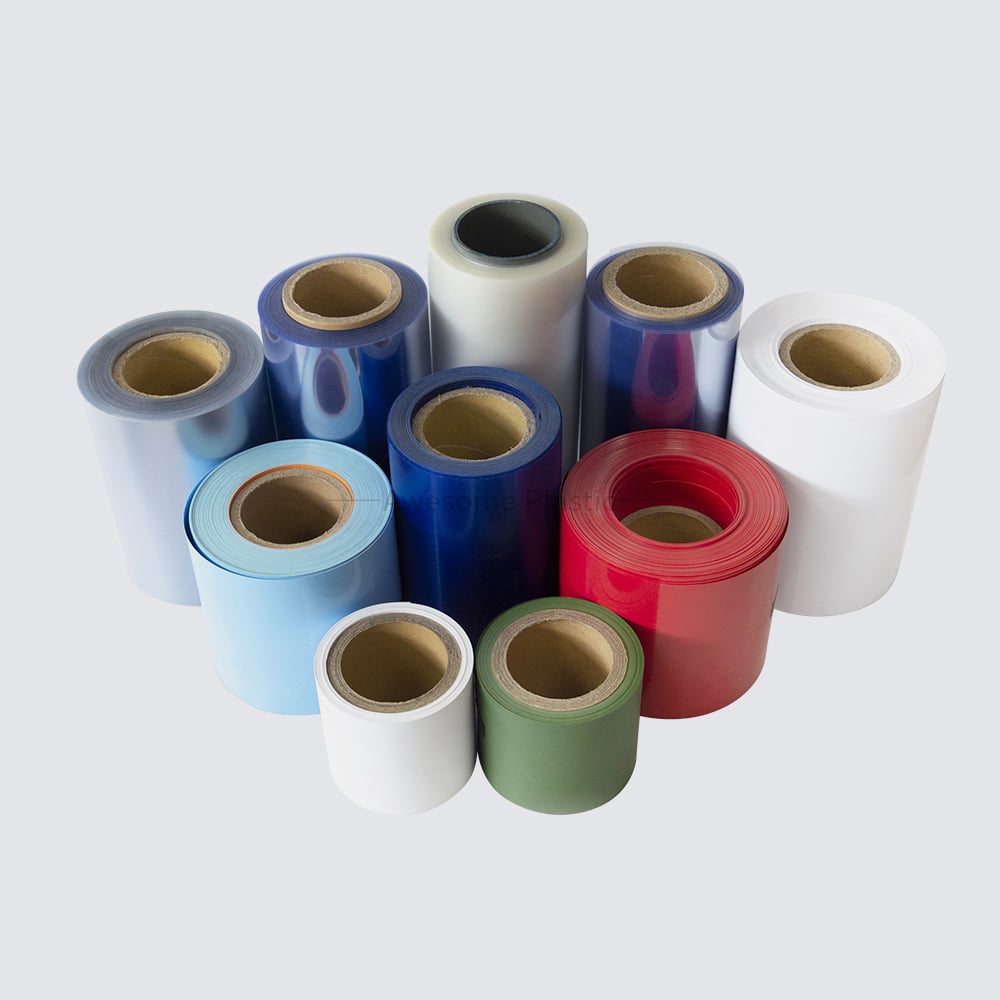
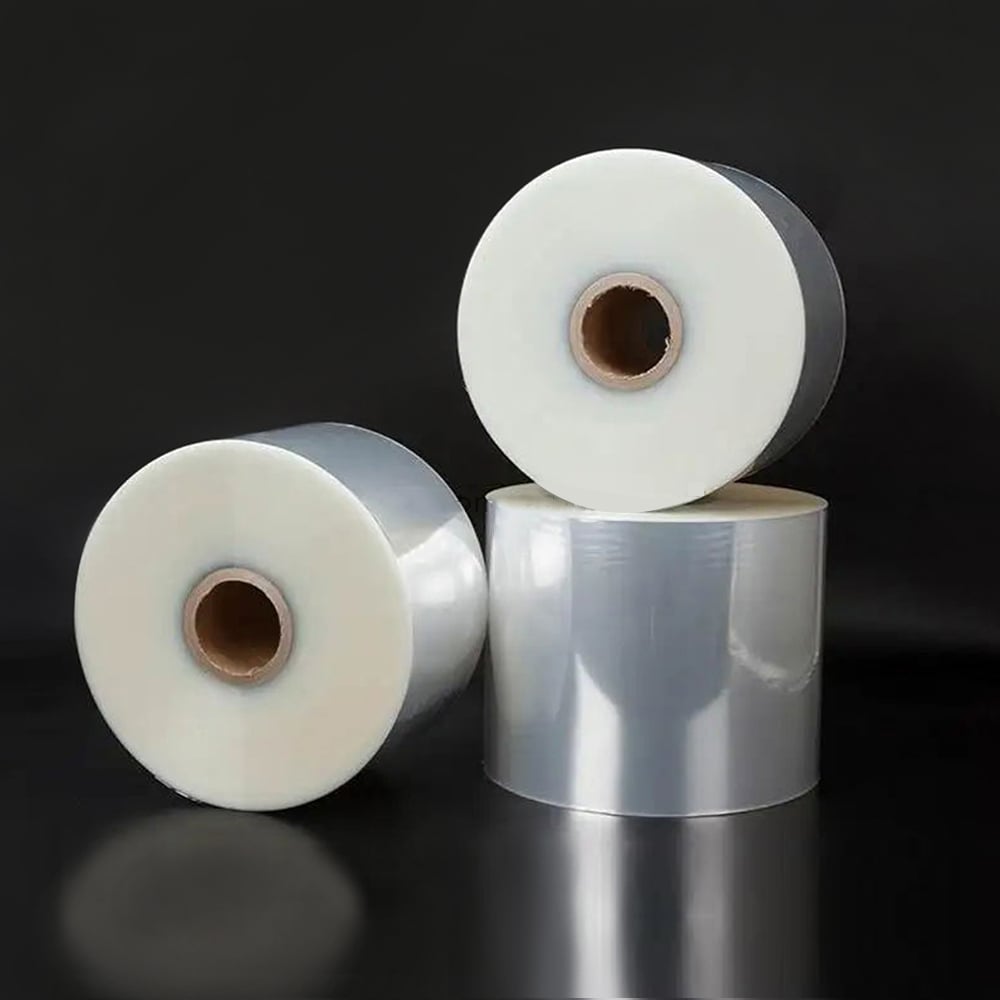
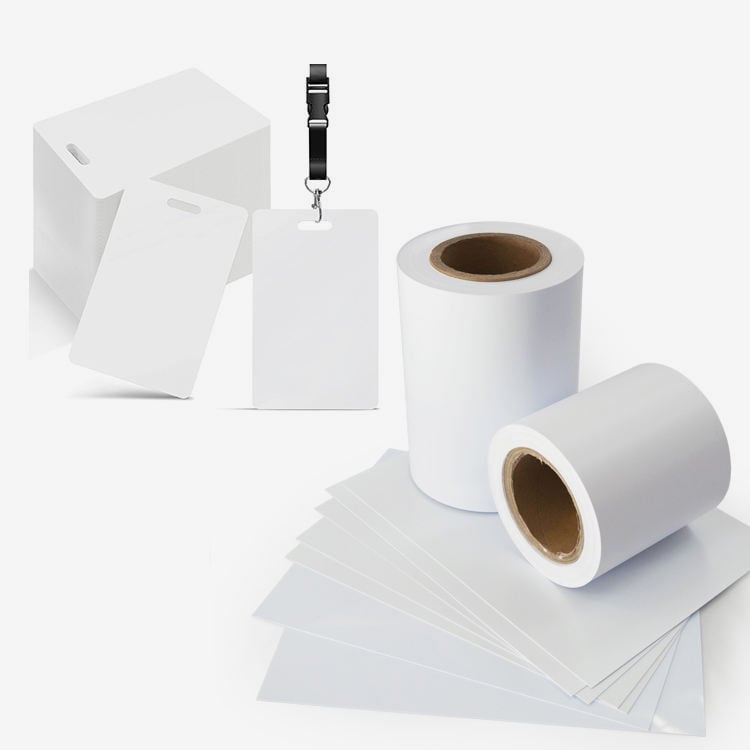
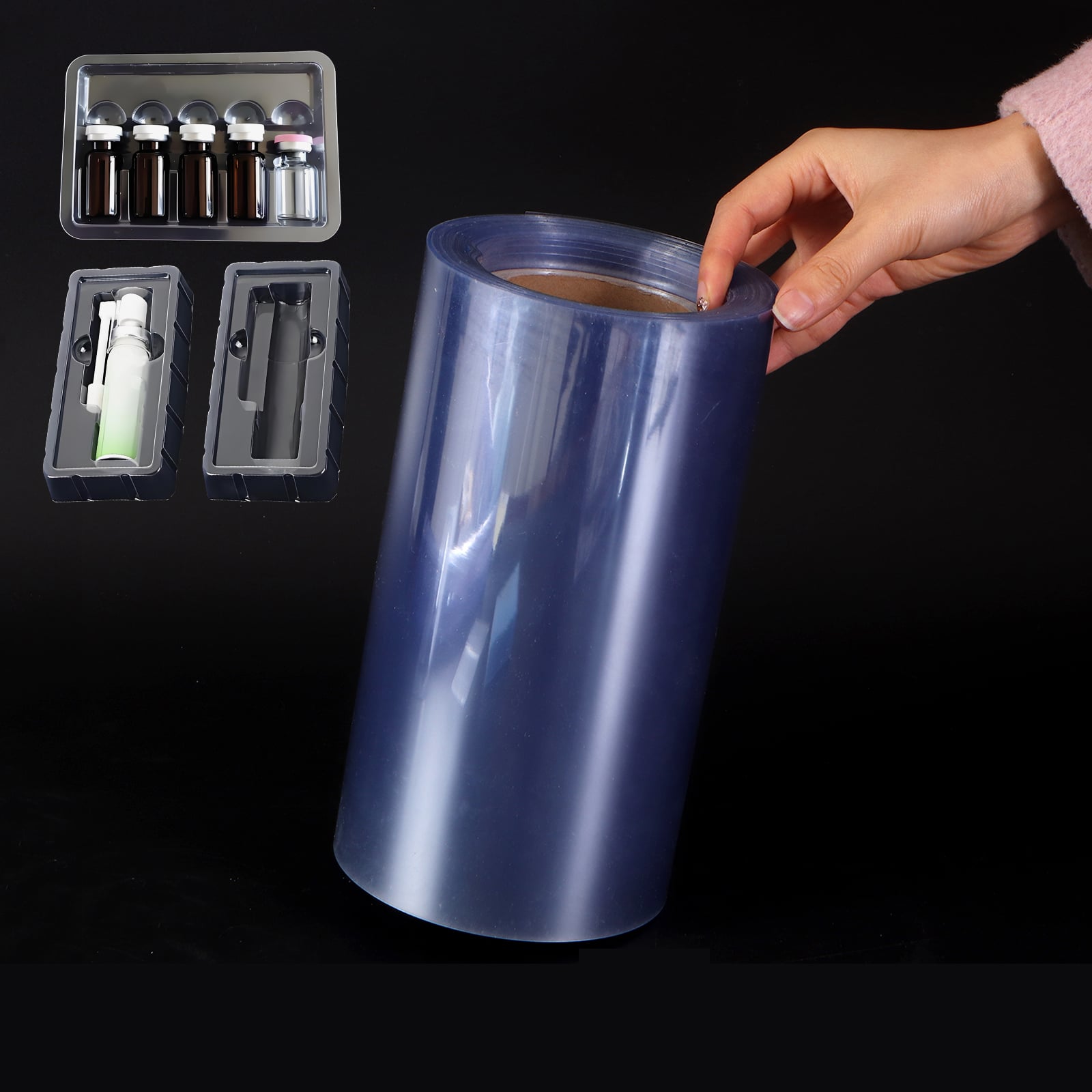
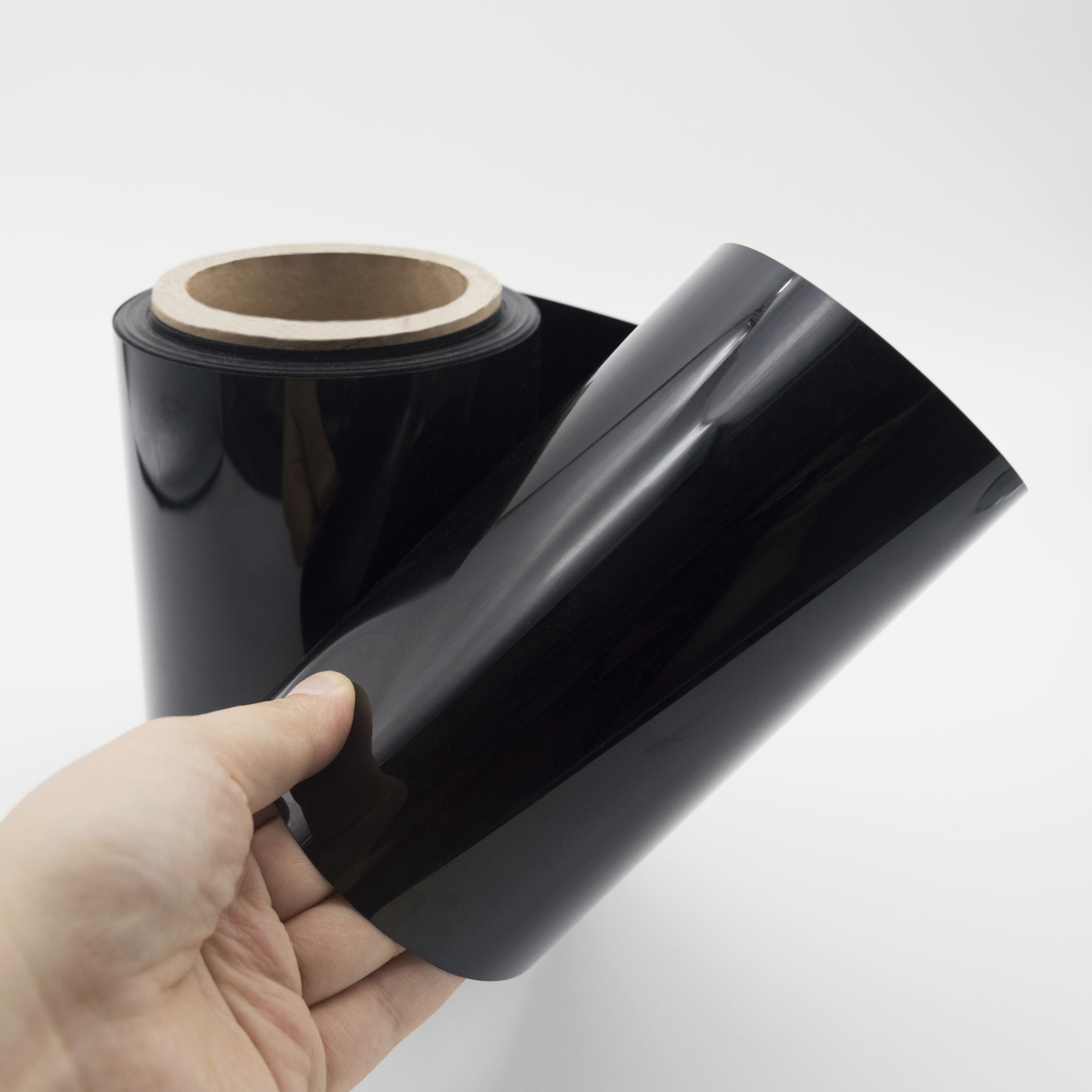
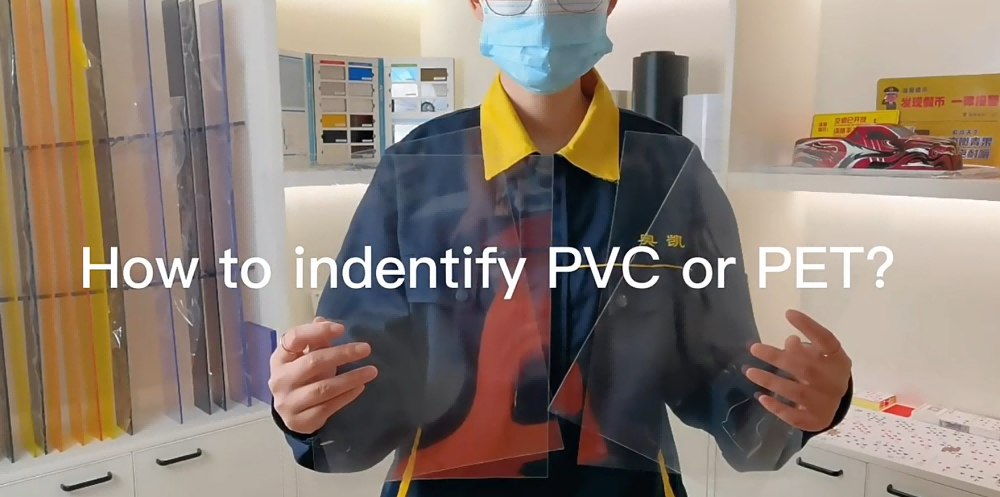
To differentiate between PVC sheets and PET sheets, one may consider multiple aspects, including appearance, physical properties, and behavior under thermal or combustion conditions. The following are several practical and reliable identification methods:
1. Folding Test: Take small samples of both materials and fold them repeatedly. PVC sheets tend to develop visible white stress marks or creases due to lower toughness, whereas PET sheets generally exhibit no such discoloration owing to their superior elasticity and mechanical strength.
2. Combustion Test: The two materials display distinct combustion characteristics. PVC is inherently flame-retardant and tends to self-extinguish when removed from a flame source. It emits chlorine gas with a pungent odor during burning and does not drip molten material easily. In contrast, PET is combustible, continues to burn after ignition, and often produces dripping droplets. Additionally, PET has a higher degree of crystallinity compared to the entirely amorphous structure of PVC, which further influences their thermal behaviors.
3. Optical Observation in Sunlight: When exposed to direct sunlight, PVC sheets may exhibit a slight bluish tint, while PET sheets typically appear naturally transparent or with a faint yellow hue, lacking any noticeable blue reflection.
4. Surface Texture Analysis: PVC sheets are commonly manufactured via extrusion, often resulting in subtle flow marks or wavy surface patterns. PET sheets, especially those produced through calendering or biaxial stretching processes, usually have a smoother, more uniform surface without prominent textures.
5. Thermal Stability Test at 250°C: Place samples in an oven preheated to 250°C for approximately 30 minutes. If the material contains PVC, yellowish discoloration or degradation spots are likely to appear due to thermal instability. PET, having a higher melting point and better thermal resistance, remains relatively unchanged under these conditions.
6. Heat-Induced Opacity Test: Expose the sheets to elevated temperatures (90–100°C). PVC gradually turns opaque and whitish upon prolonged heating, a phenomenon associated with glass transition and microstructural changes, facilitating visual differentiation.
7. Odor and Melt Behavior Assessment for Bottles: For container-grade materials, perform a controlled burn test. PET typically emits a mildly sweet or aromatic odor when burned, while contaminated or mixed plastics produce sharp, irritating fumes. Observe the burning region: excessive soot, rapid dripping, or black residue indicates low thermal stability and possible non-PET content. Additionally, conduct a melt-draw test—pull a filament using a heated tool. A long, continuous thread that curls significantly at the break point suggests high crystallinity and molecular weight, characteristic of pure PET.
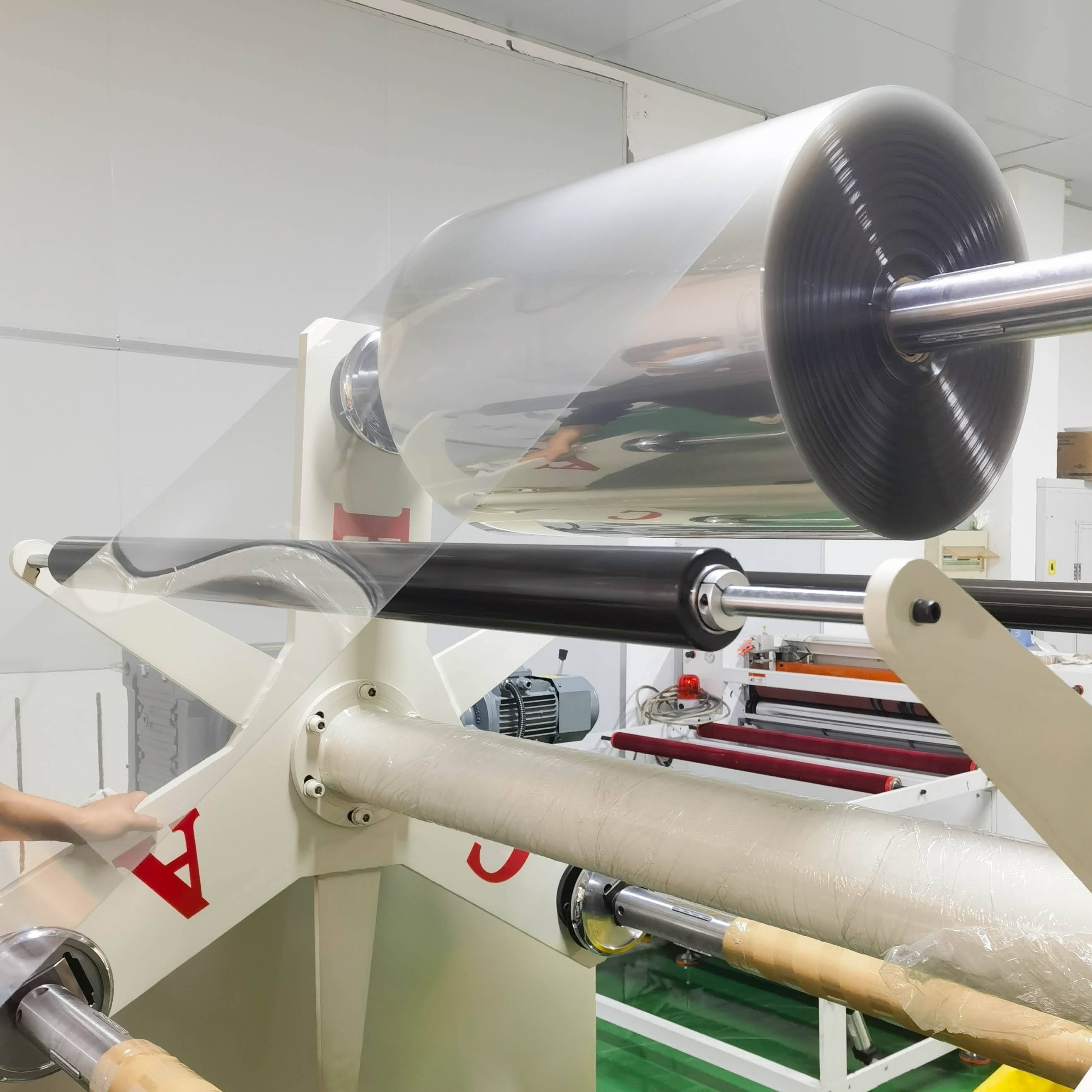
Mixing of raw materials and by-products (for new material products, only raw materials are used) --- Stirring --- Discharging --- Loading --- Crystallization --- Discharging --- Drying --- Discharging --- Extrusion --- Mixing --- Three-roll shaping --- Auxiliary machine traction --- Cutting --- Shearing or winding --- Measuring or inspection --- Packaging --- Labeling --- Placing tracking number --- Stacking --- Storage.
These processes may seem simple and have no significant differences from those of other manufacturers. However, in our case, we have taken many measures to control the details. For instance, when mixing materials, we need to pay attention to the uniformity of the ingredients and the accuracy of the ratio; during crystallization, we need scientific basis and previous experience data as references to determine the set temperature and the time point for discharging to the drying chamber; in order to avoid the occurrence of crystal point problems as much as possible, the senior workers pay special attention to the setting of the drying temperature in the drying chamber and the setting of the dehumidification temperature; the temperature setting of the extrusion machine is also determined based on the dissolution temperature of the raw materials and the characteristics of the equipment itself; apart from these points, the most important one is the product debugging and the three-roll pressing. The on-machine operators in our factory have many years of operating experience and are highly skilled, so they can reduce a lot of waste during production. The products rarely have uneven thickness, surface flow marks and other abnormal situations. This is also one of the reasons why our PVC/PET sheet and roll materials are of high quality and low price.
1. The folding method is adopted mainly because the toughness of PVC and PET is different. PVC has poorer toughness while PET has better toughness and good elasticity. However, if imported plasticizers are used for PVC, the white creases will not be too obvious now.
2. The surface texture observation method is only used as an auxiliary reference because the surface of PVC produced by extrusion process may also be smooth.
3. The combustion test method is the most accurate and is commonly used as a means of identification in industry. But it needs to be operated with caution and should be conducted in a ventilated environment and away from flammable materials.
 Hot News
2026-10-20
2026-09-16
2026-07-02
2026-06-09
2026-05-26
2026-01-21
 EN
EN