
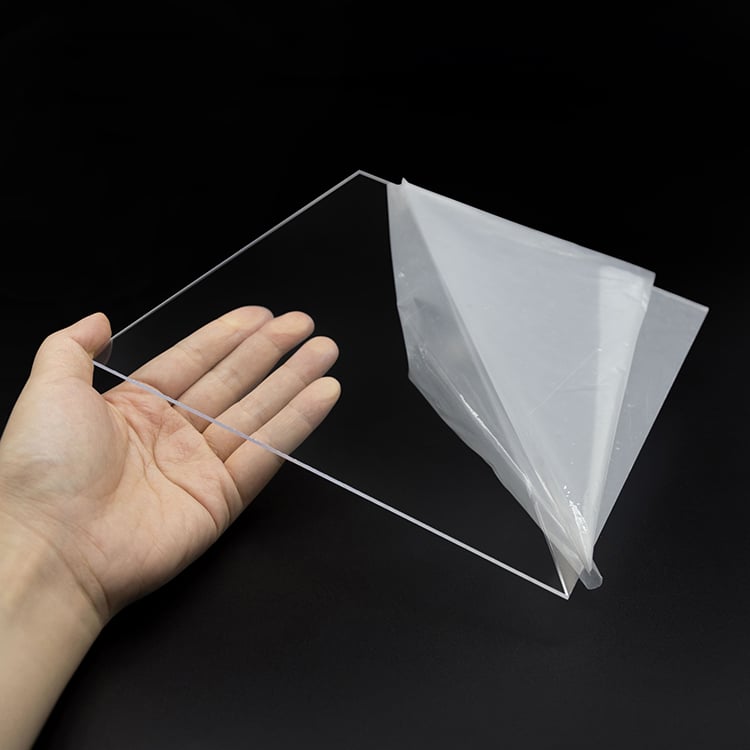
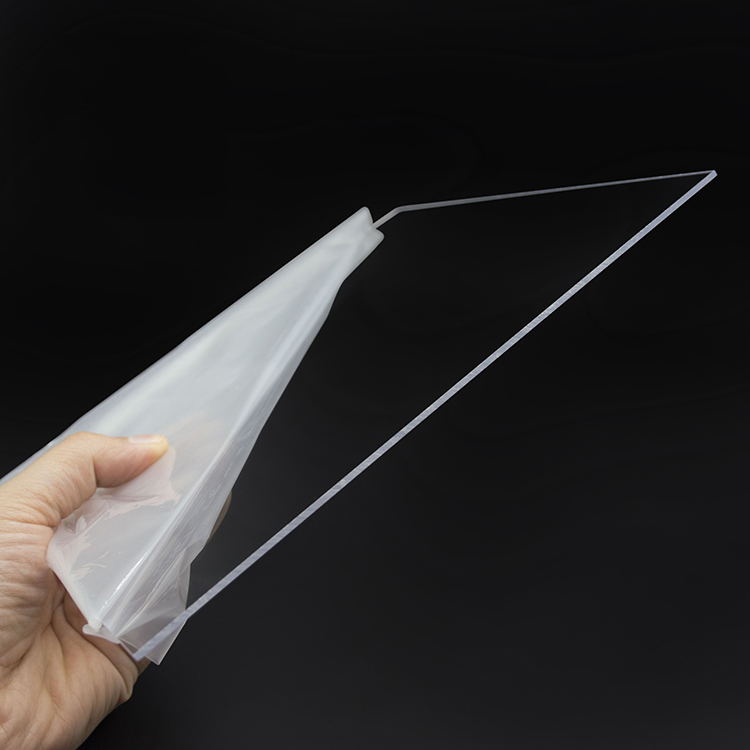
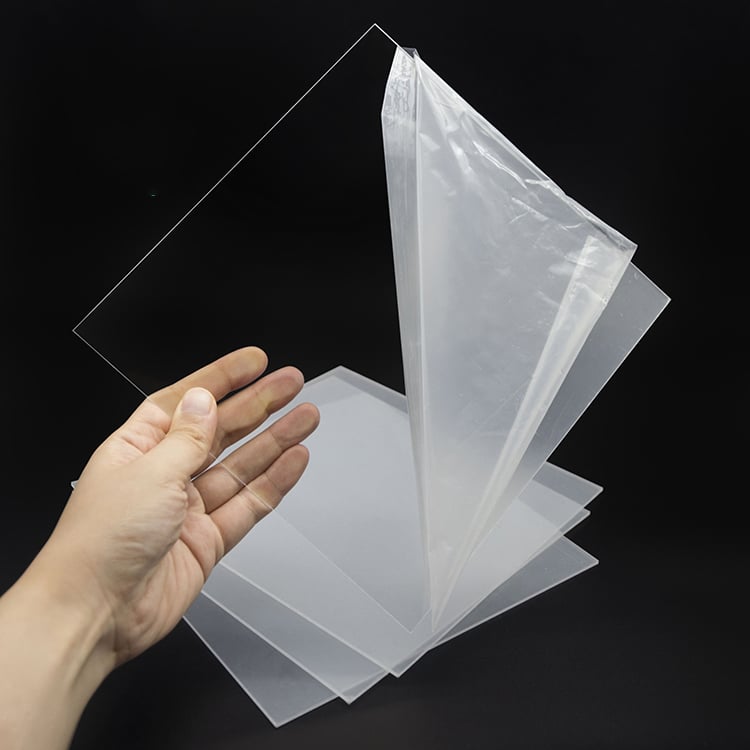
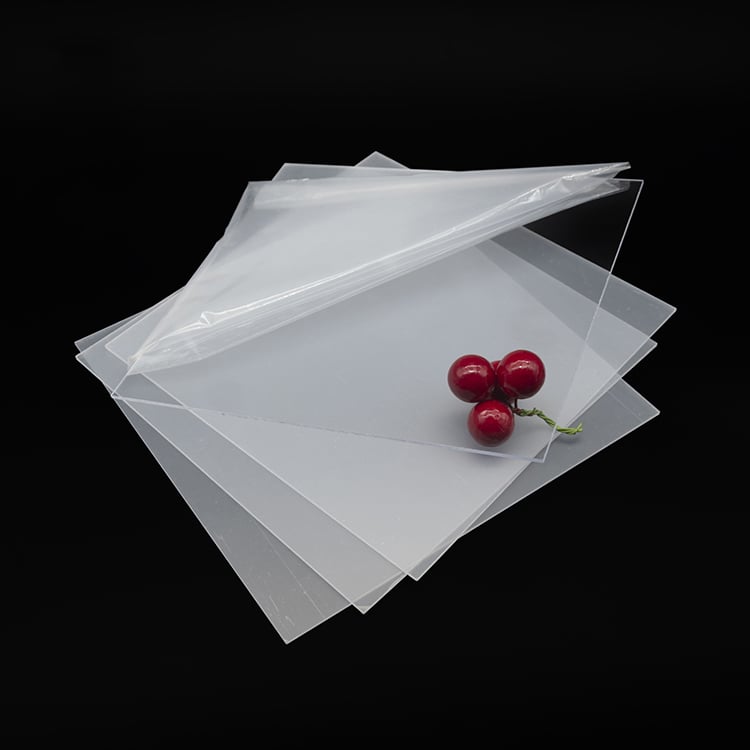
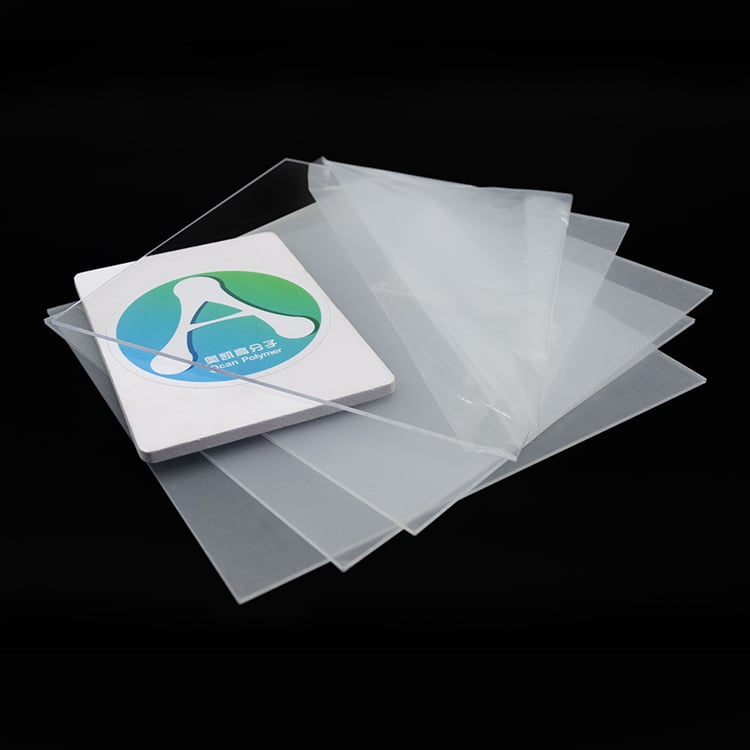
| Product Name & HS code | Rigid PS Sheet |
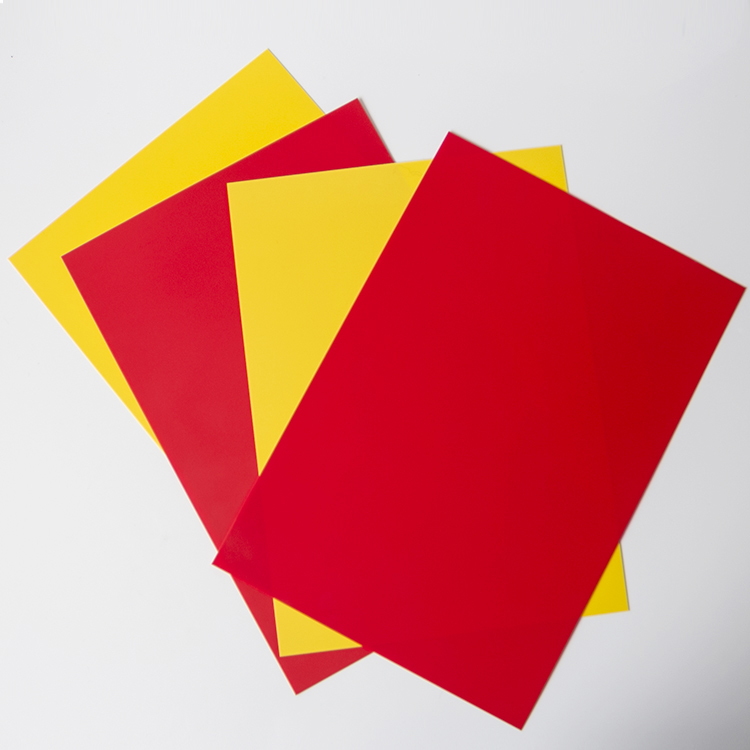
| Available Colors | Clear/Transparent/White/Black/Grey/Blue/ Red /Green/ others |
| Sizes | Custom sizes |
| Thickness | 0.25mm-4mm(Custom thickness) |
| Thickness Tolerance | according to GB (higher than GB) |
| Surface | Glossy/matte/embossing |
| Density | 1.02-1.05 g/cm³ |
| Core | Paper or Plastic |
| MOQ | 500 kg for Clear; 1000 kg for Colored |
| Package Method | Wrapped in Plastic Bag; Filled in Paper Box; or Packed on Pallet |
| Free Samples | Samples are Free |
| Processing Service | Cutting / Moulding |
| Application | Food and Medicine Packing; Making Folding Box; Box Window; Vacuum Forming; Thermoforming etc. |
1. High impact strength
2. Easy fabrication
3. Easy to thermoform
4. Good dimensional stability
5. Good toughness and stiffness
6. Can be printed using digital, screen, flexo, and litho inks
PS plastic sheet, namely polystyrene plastic sheet (commonly known as organic board), is a thermoplastic sheet made by extrusion molding from polystyrene as the raw material.
Advantages:
1. PS sheet materials have high transparency and good luster.
2. PS sheet materials can be processed and molded through various methods such as injection molding, extrusion molding, and blow molding.
3. Excellent impact resistance.
4. PS sheet materials have stable chemical properties and are not prone to corrosion or deterioration, thus making the products made from them have a longer service life and higher safety.
5. PS sheet materials have excellent electrical properties and their insulation performance can remain stable even in high-temperature and humid environments.
6. PS sheet materials are environmentally friendly, recyclable, non-toxic, odorless, and comply with food safety standards, allowing direct contact with food.
Such as food packaging, disposable food packaging boxes, beverage bottles, bottle caps, electronic product shells, electrical fields, connectors, switches and sockets, stationery storage boxes, anti-static plastic trays, electrical shells, toy components, integrated circuits, display trays and other packaging trays for precision electronic components.
1. Impact-resistant polystyrene (HIPS) packaging sheet
2. Anti-static polystyrene packaging sheet
3. High-gloss surface polystyrene packaging sheet
1. Problem description: The surface of the finished sheet material is rough, with bubbles, impurities or black spots.
Causes: High temperature of raw materials, high humidity, unstable quality of raw materials
Solutions: Select suppliers to ensure dry and pure raw materials. Before production, conduct drying, impurity removal and moisture removal pre-treatment of raw materials.
2. Problem description: The equipment is prone to clogging and the plasticizing effect is poor.
Causes: Severe equipment wear, increased gap between screws and barrel
Solutions: Regularly inspect and clean the hopper and die head. Regularly maintain and replace worn-out equipment components. Use lubricating fluid to reduce plastic adhesion inside the equipment.
3. Problem description: The temperature display of the temperature controller shows a difference from the actual temperature, affecting production control.
Solutions: According to the production process requirements, reasonably set the temperature of each area. Regularly check and calibrate the temperature controller to ensure that the displayed temperature is consistent with the actual temperature. Pay attention to the heat dissipation and cooling of the equipment in high-temperature environments.
Problem description:
The sheet material surface has scratches, cracks or unevenness. The sheet size is unstable and the thickness is uneven. Excessive plasticization causes the plastic to age and become brittle.
Solutions:
Adjust parameters such as barrel temperature, screw rotation speed and die head pressure to ensure adequate plasticization. Use high-quality mixing units and additives to improve plasticizing effect. Avoid prolonged high-temperature heating to prevent plastic aging.
Solutions:
Regularly inspect molds and cutting equipment to ensure a smooth and undamaged surface.
Adjust production process parameters, such as pulling speed and cooling time, to ensure stable sheet size.
Strengthen finished product inspection to promptly detect and handle quality issues.
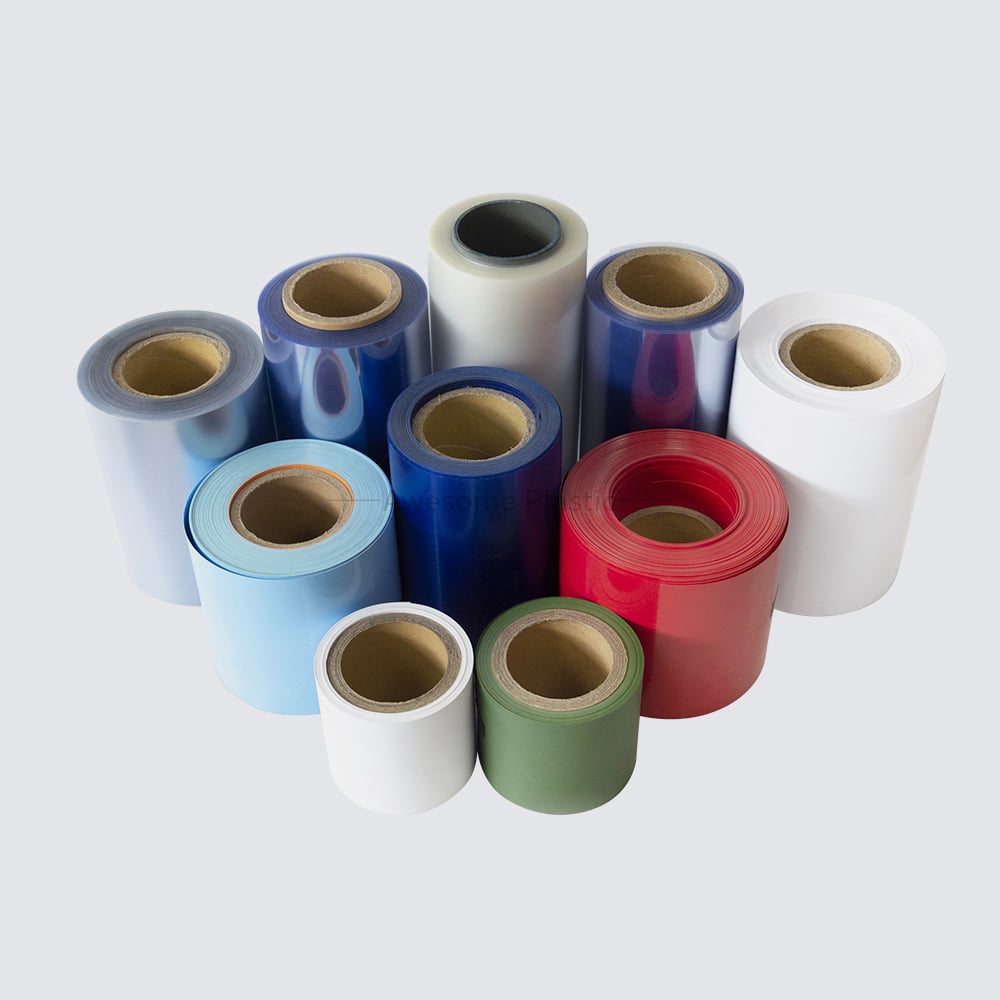
100% New Material UV Resistant High Quality Rigid Plastic Color PVC Film Roll
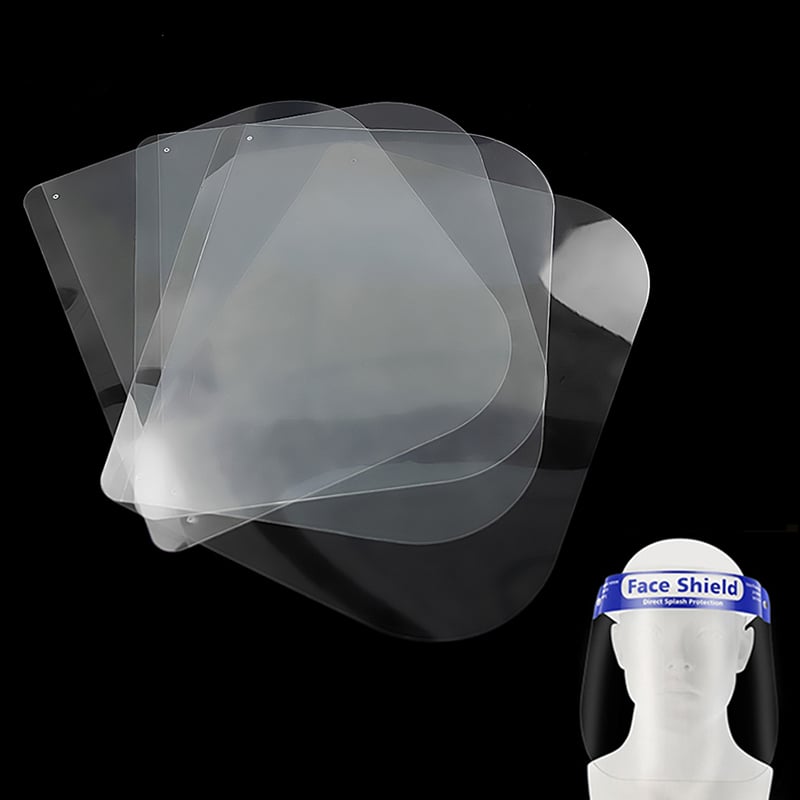
Transparent High Impact Anti-fog PET PETG Sheet Film for Medical Face Shield
High Rigid Vacuum Forming PC Polycarbonate Sheet for Electronic Product Surface Display Window
Eco-friendly Colored Plastic Polypropylene PP Sheet for Stationary File and Folder Making
 EN
EN
