
| Product Name & HS code | Rigid PP Sheet |
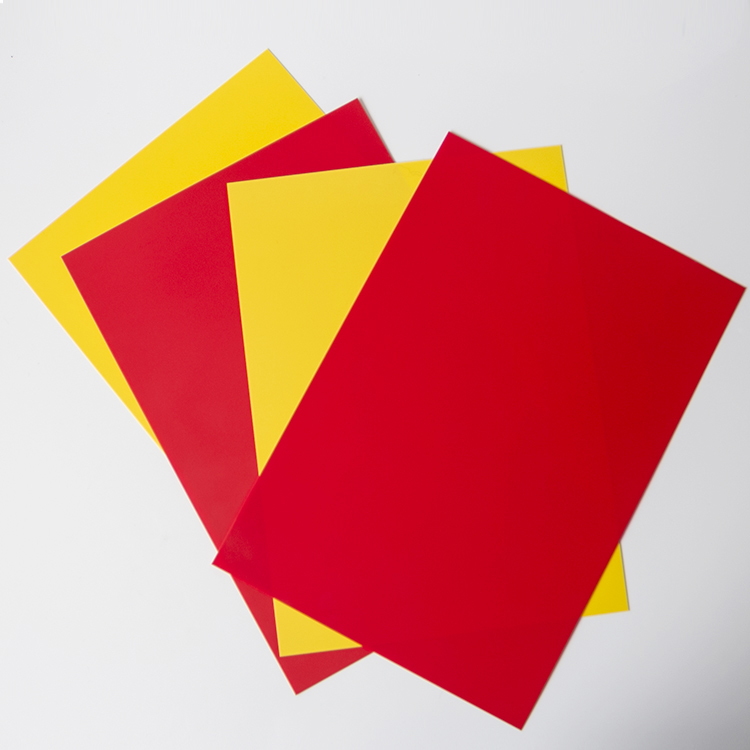
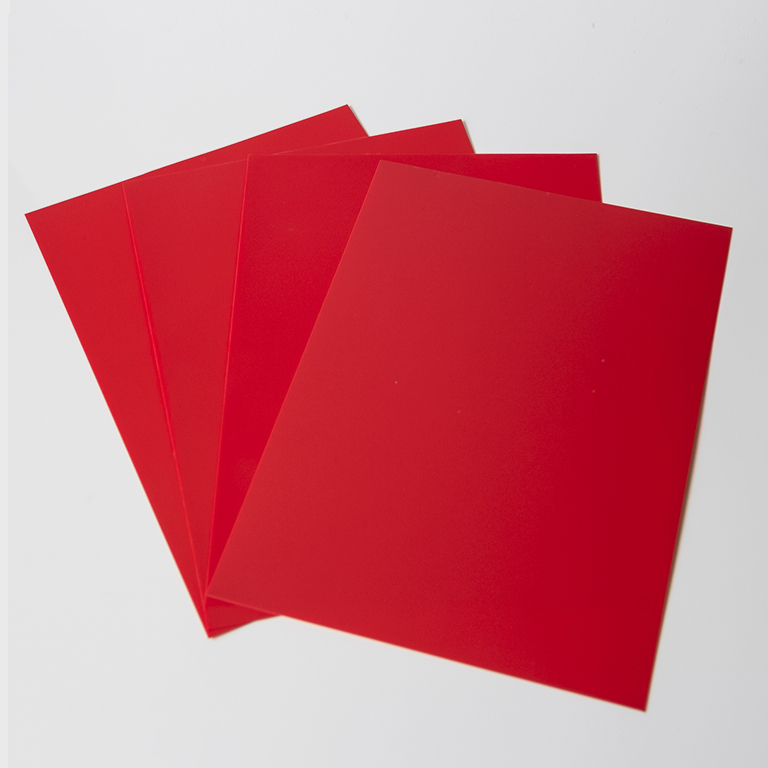
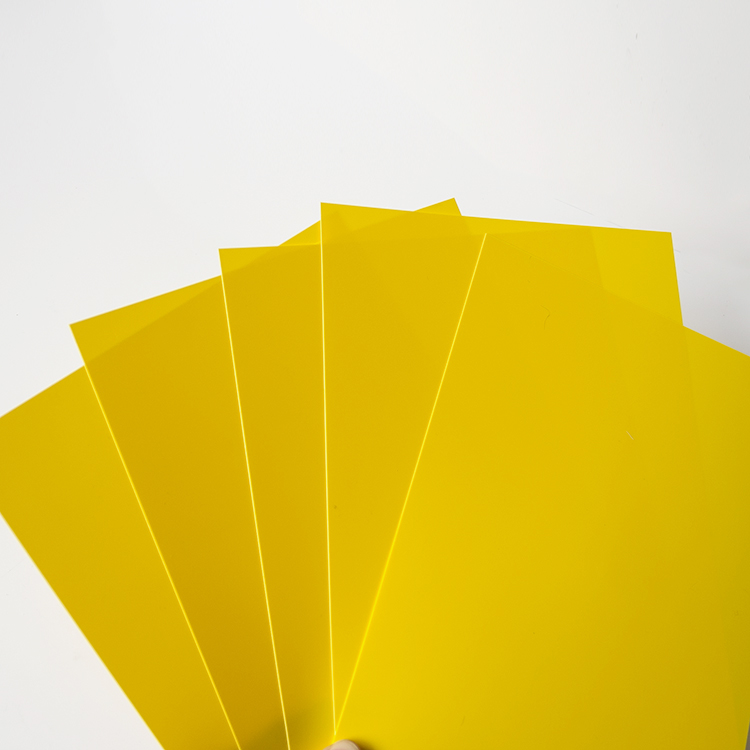
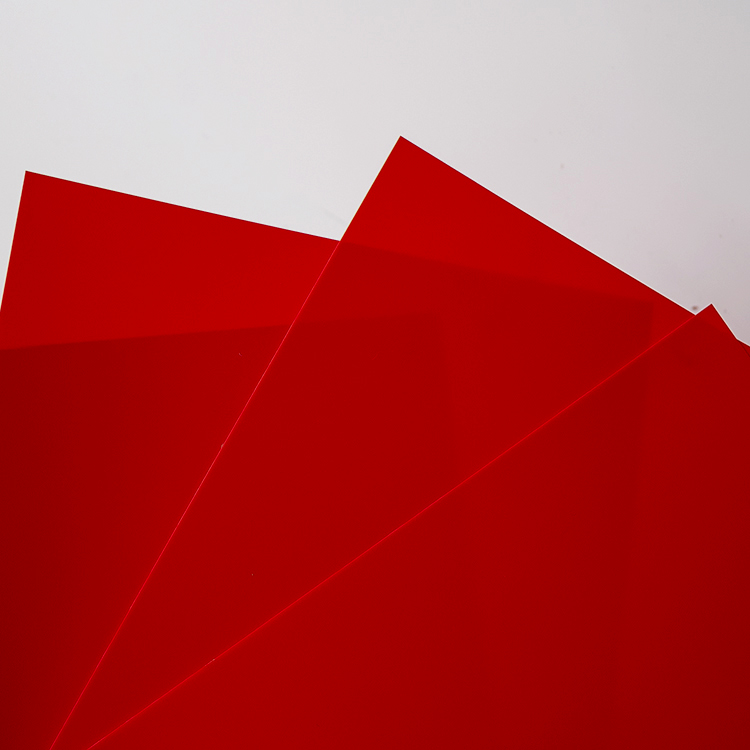
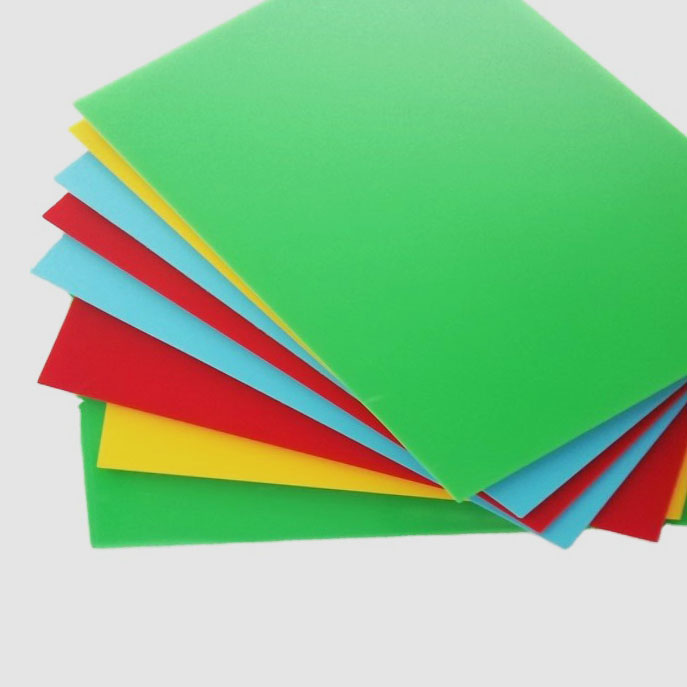
| Available Colors | Clear/Transparent/White/Black/Grey/Blue/ Red /Green/ others |
| Width | Max 900mm |
| Sizes | 1220*2440mm,915*1830mm,1560*3050mm,2050*3050mm or Custom sizes |
| Thickness | 0.25mm-5mm(Custom thickness) |
| Thickness Tolerance | according to GB (higher than GB) |
| Surface | Glossy/matte/embossing |
| Density | 1.05g/cm³ |
| Core | Paper or Plastic |
| MOQ | 500 kg for Clear; 1000 kg for Colored |
| Package Method | Wrapped in Plastic Bag; Filled in Paper Box; or Packed on Pallet |
| Free Samples | Samples are Free |
| Processing Service | Cutting / Moulding |
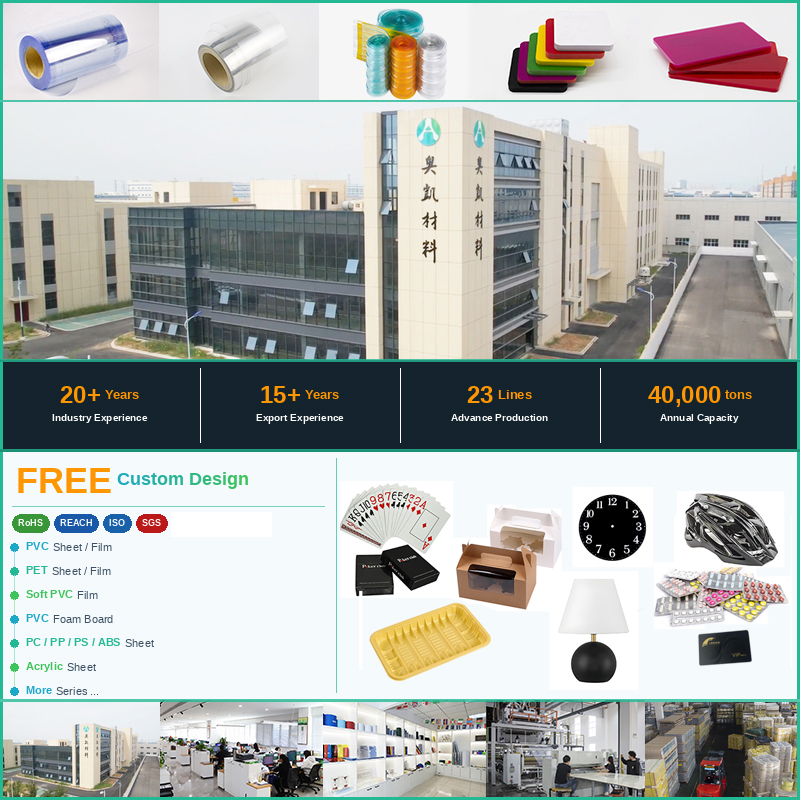
| Application | Food and medicine packing; Making folding box; Box Window; Vacuum forming; Thermoforming ;Industrial waste water and gas treatment equipment; Acid equipment; Water tanks...etc. |
1.Cold / frost resistance
2.Non-toxic,recyclable,eco-friendly
3.Easy for welding and machining
4.Excellent chemical,heating and impact resistance
PP board, also known as polypropylene (PP) board, is a semi-crystalline material with high stiffness, high hardness and high strength. It is harder and has a higher melting point than PE. It has a low density, good heat resistance, and does not deform; it has excellent chemical stability and electrical insulation properties; it is non-toxic, odorless and harmless; it can withstand tensile stress and is easy to weld; it has low water absorption, good dimensional stability, good dyeing, molding processing and mechanical processing, and has high impact toughness at low temperatures (working temperature range from 0°C to 100°C).
1. Product thickness: 0.5 - 100mm. Product width range: 2000mm.
2. Product length: 100 - 10000mm. Recommended specifications: 1500×3000mm, 1220×2440, 1000×2000 (standard board)
The common colors for PP boards are usually natural color, beige gray, beige yellow, green, blue, porcelain white, milk white, semi-transparent, transparent, black. Other colors can also be customized.
PP boards are divided into pure PP boards, polypropylene (PP) extruded boards, and glass fiber reinforced PP boards.
Applications: Food industry components, architectural models, prototype production, electronic industrial components for imaging, pump and valve components, drinking water and sewage pipes, seals, spraying carriers, corrosion-resistant tanks and barrels, acid and alkali resistant equipment, wastewater and exhaust gas emission equipment, washing towers, clean rooms, semiconductor factories, electroplating process equipment, solar photovoltaic equipment, toy components, dental conduits, chemical industry, refrigerator refrigeration industry, electronic and electrical fields, pharmaceutical industry, automotive parts (dashboard, tool compartment door, wheel cover, mirror box, etc.), radio shells, telephone handles, heavy-duty tools (vacuum cleaners, hair dryers, mixers, lawn mowers, etc.), typewriter keyboards, recreational vehicles such as golf cart and jet ski, etc.
1. Pure PP board
It has a low density, is easy to weld and process, and possesses excellent chemical resistance, heat resistance, impact resistance, is non-toxic and odorless. It is currently one of the engineering plastics that meet environmental protection requirements and is widely used in acid and alkali resistant equipment.
2. Polypropylene (PP) extruded board
It is a plastic board made by adding various functional additives to PP resin and then going through processes such as extrusion, polishing, cooling, and cutting.
3. Glass fiber reinforced PP board
Glass fiber reinforced PP board (FRPP board): After being reinforced by 20% with glass fibers, in addition to maintaining the original excellent properties, its strength, rigidity, etc. are both doubled compared to PP, and it also has good heat resistance, low-temperature impact resistance, anti-corrosion and arc resistance, and low shrinkage rate. It is particularly suitable for fields such as chemical fibers, chlorine alkali, petroleum, dyes, pesticides, food, medicine, light industry, metallurgy, and wastewater treatment.
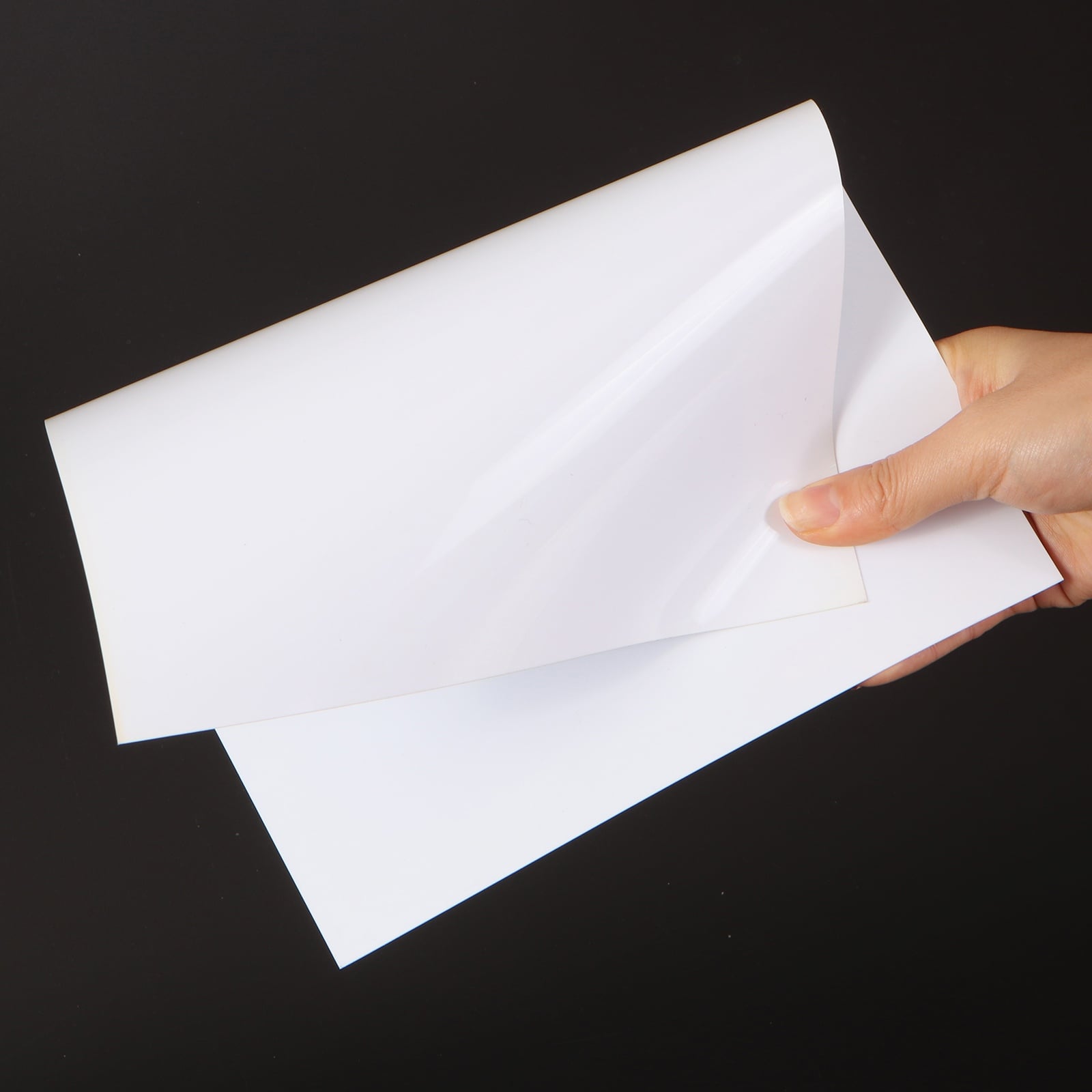
High Glossy White Rigid PVC Sheet for UV Offset / Silk Screen Printing
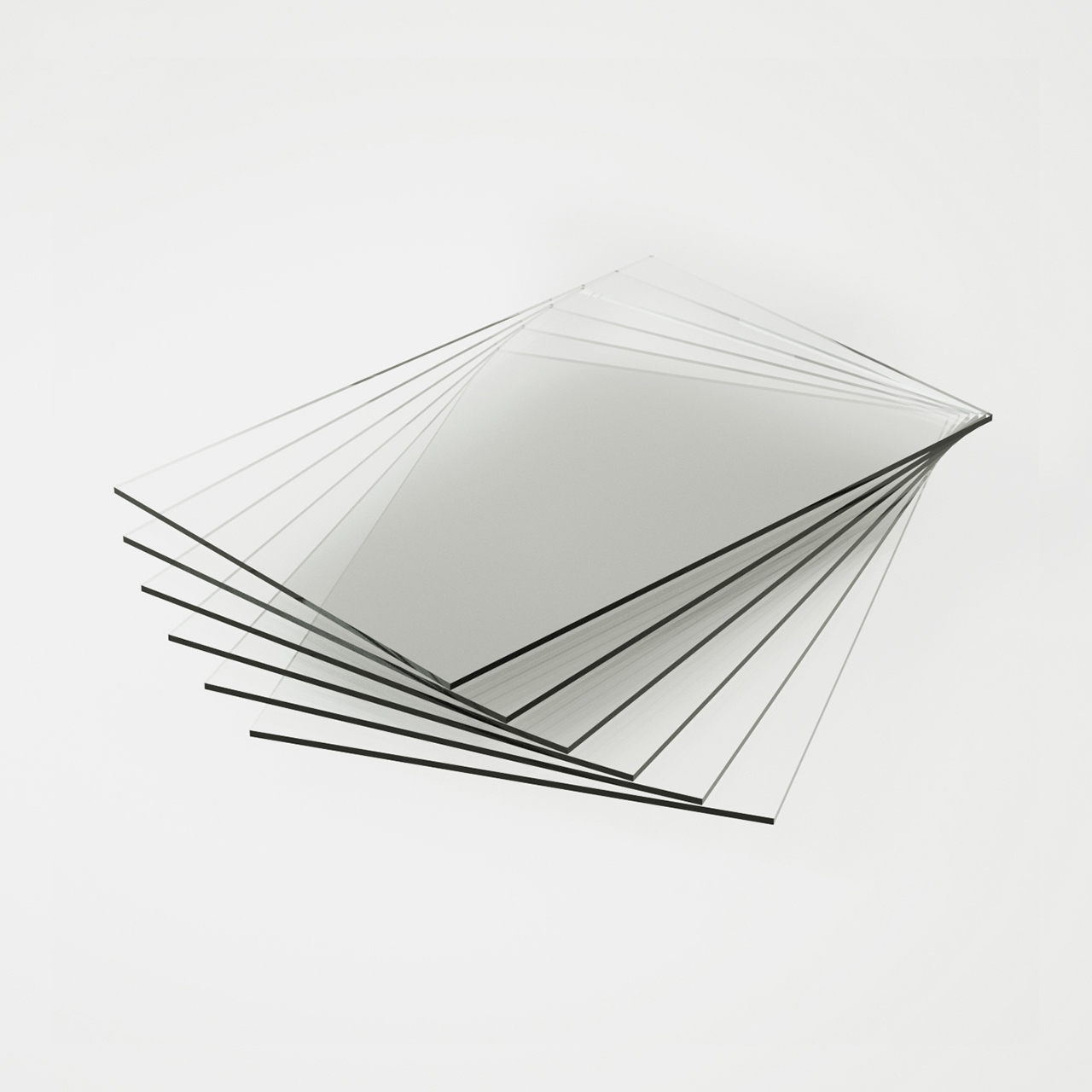
High Performance Clear Transparent Glossy Pet RPET Sheet
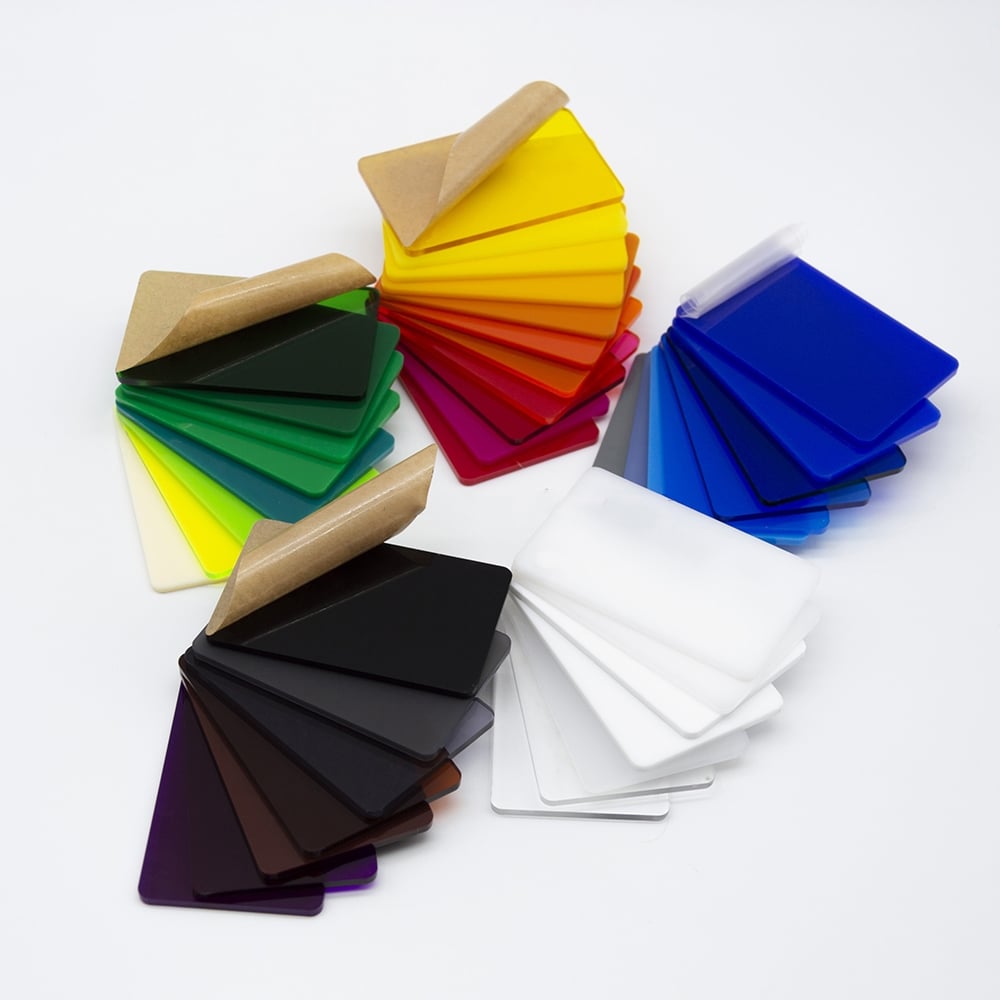
Custom Different Thickness Color Plastic Pmma Acrylic Sheet
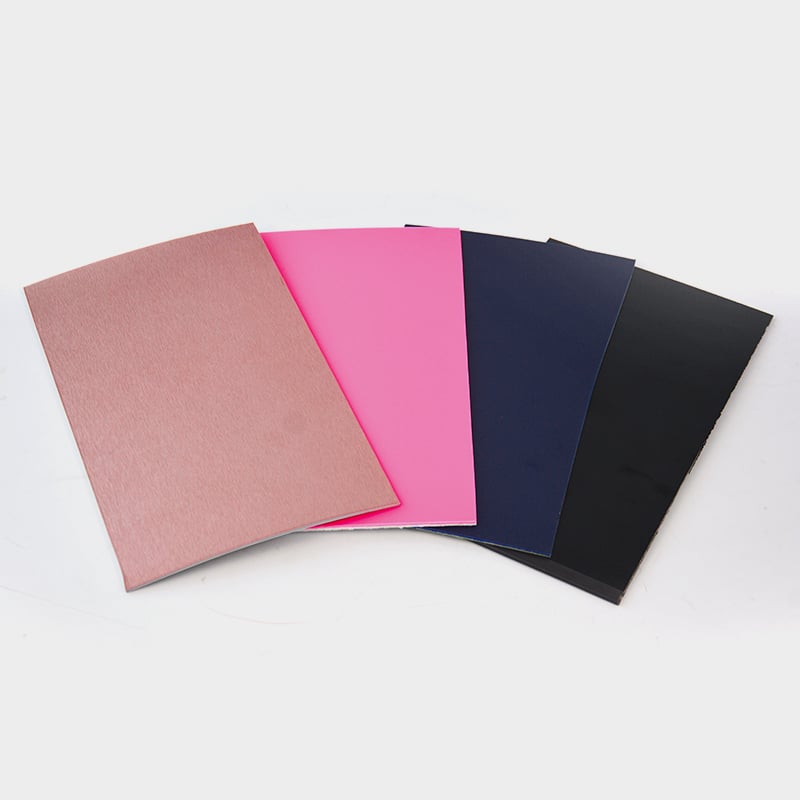
Factory Custom 4*8 Matte Color ABS Plastic Sheet for Thermoforming
 EN
EN
