
| Product Name | Acrylic Sheets |
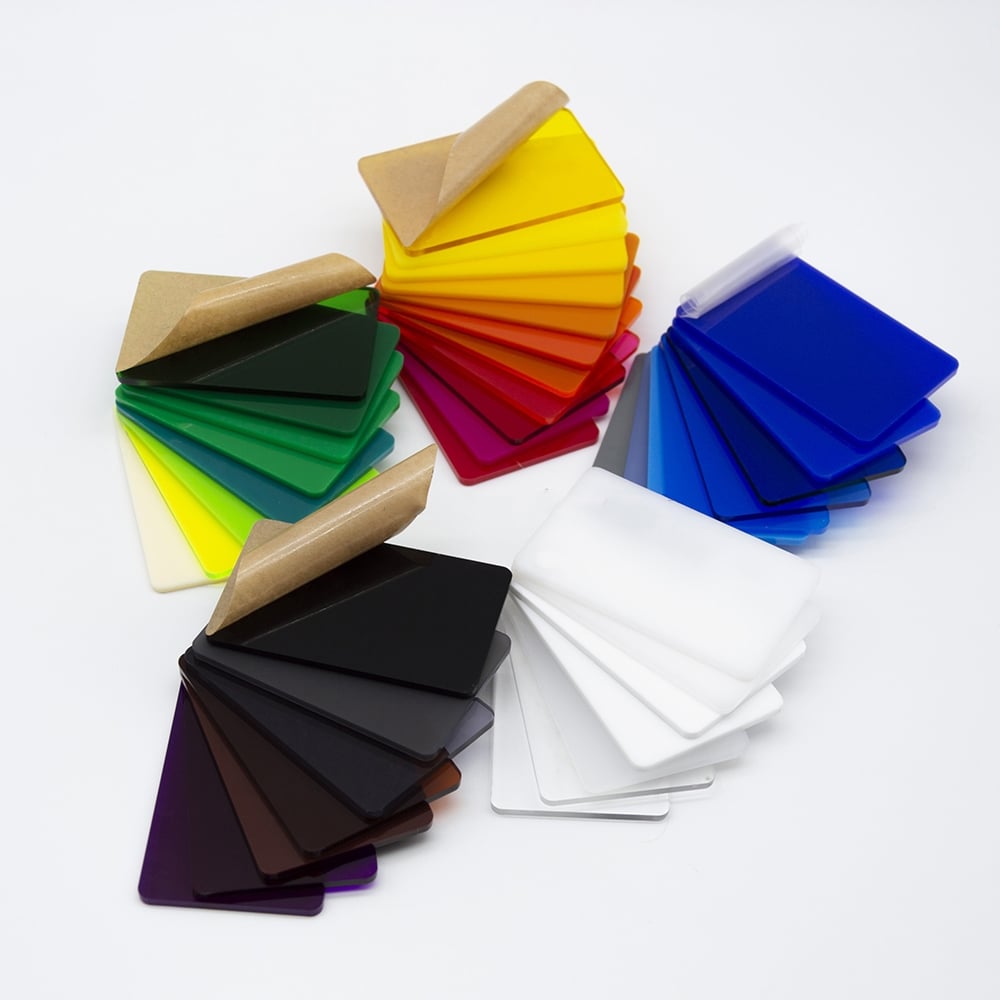
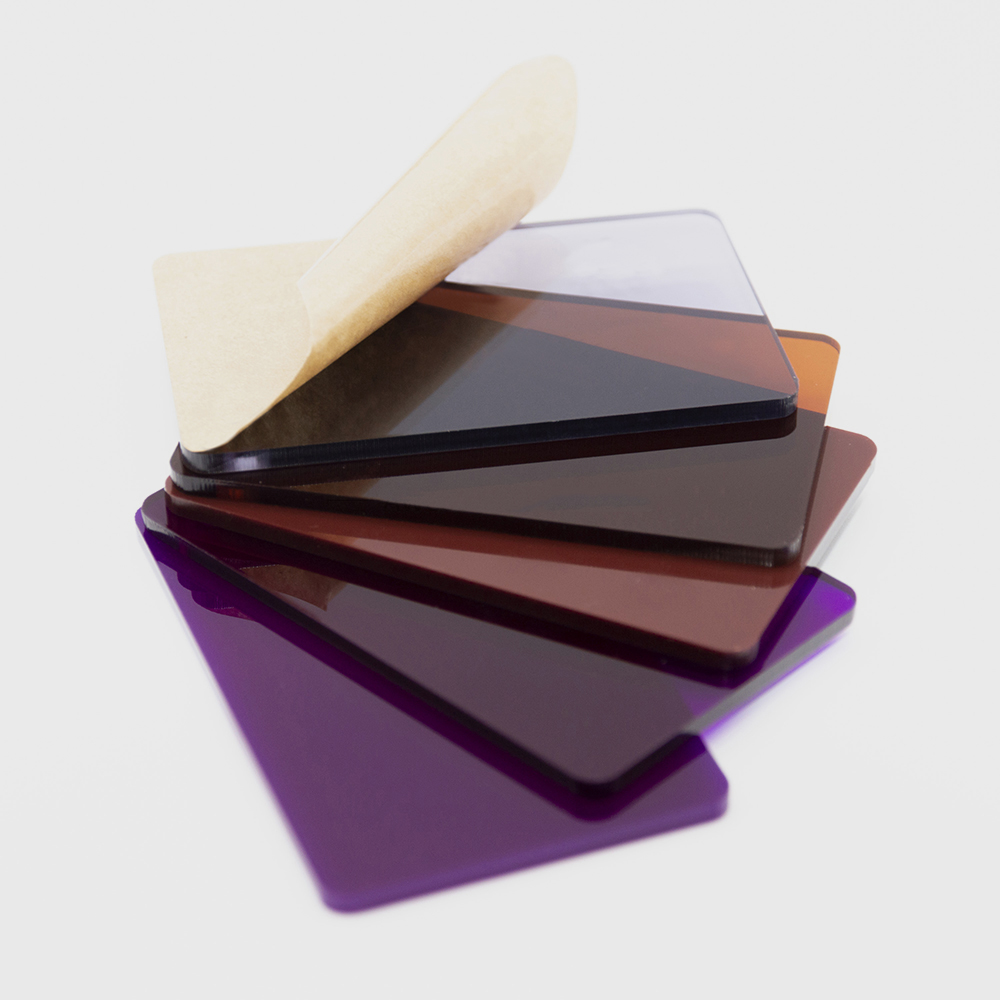
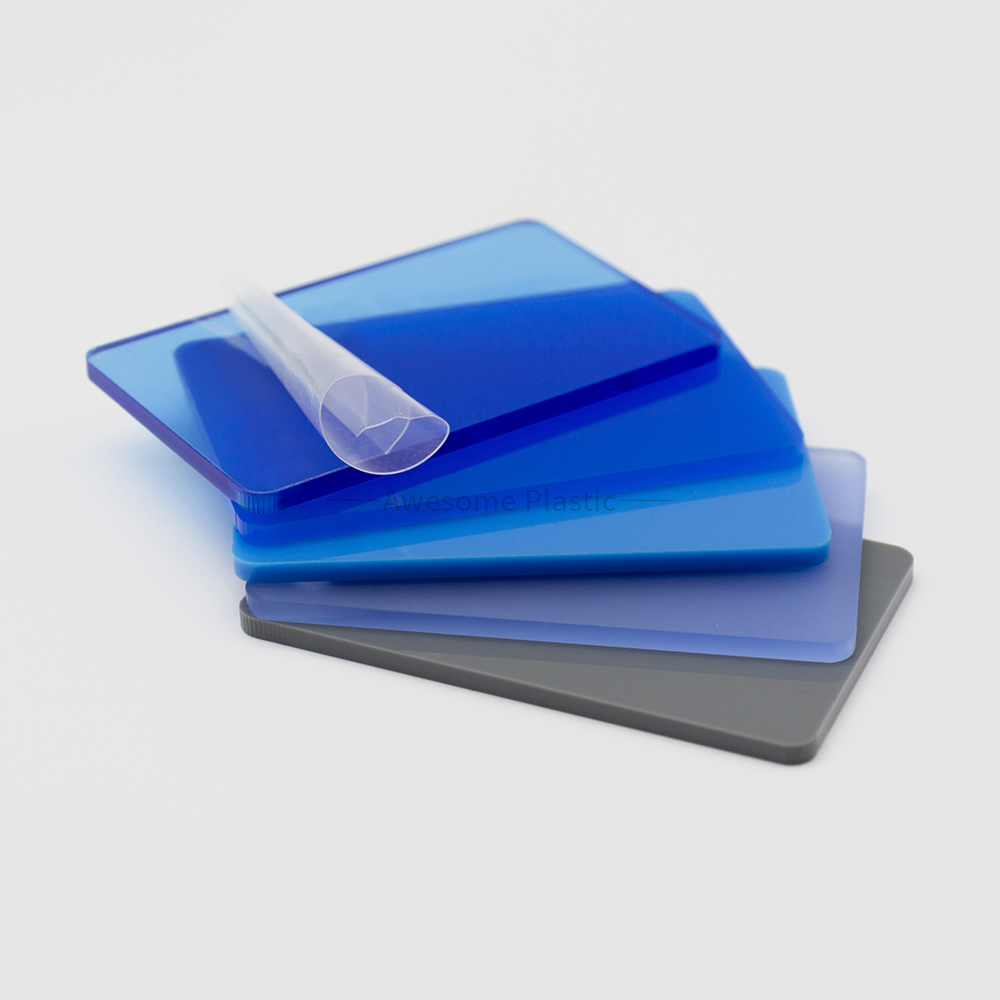
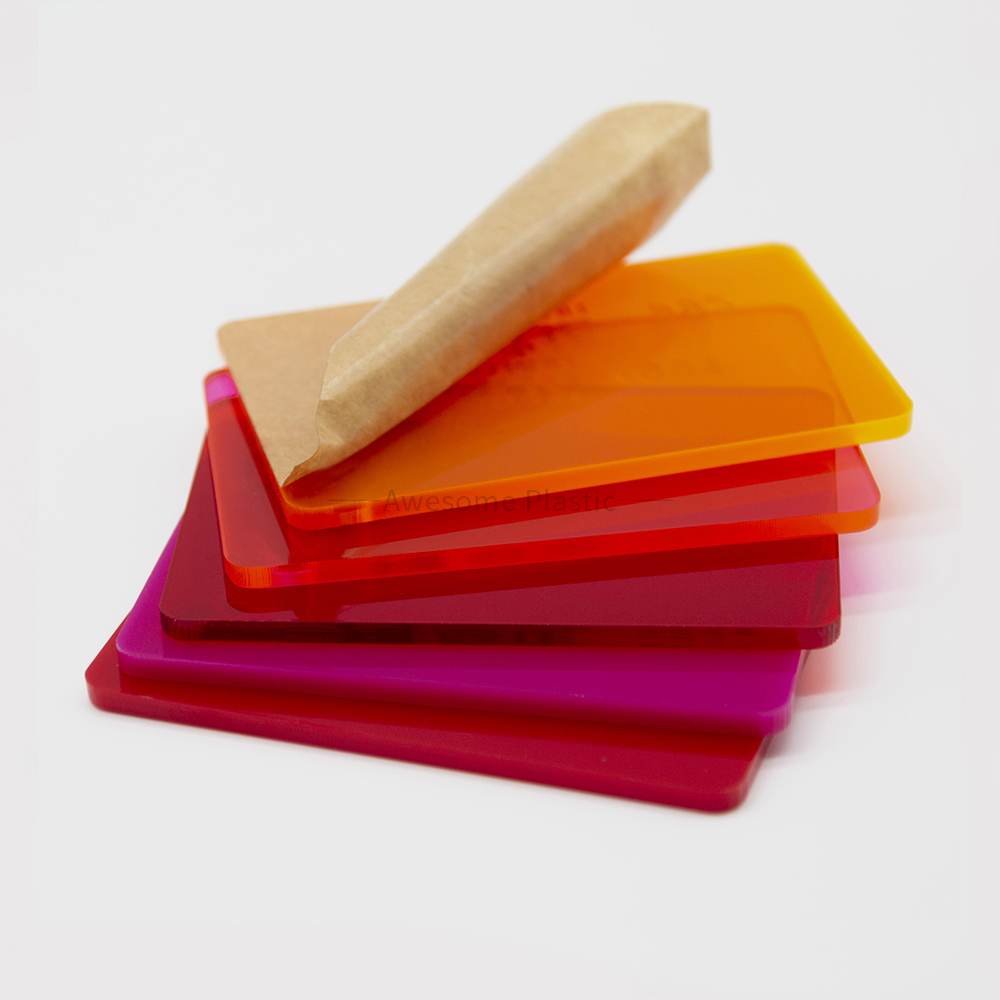
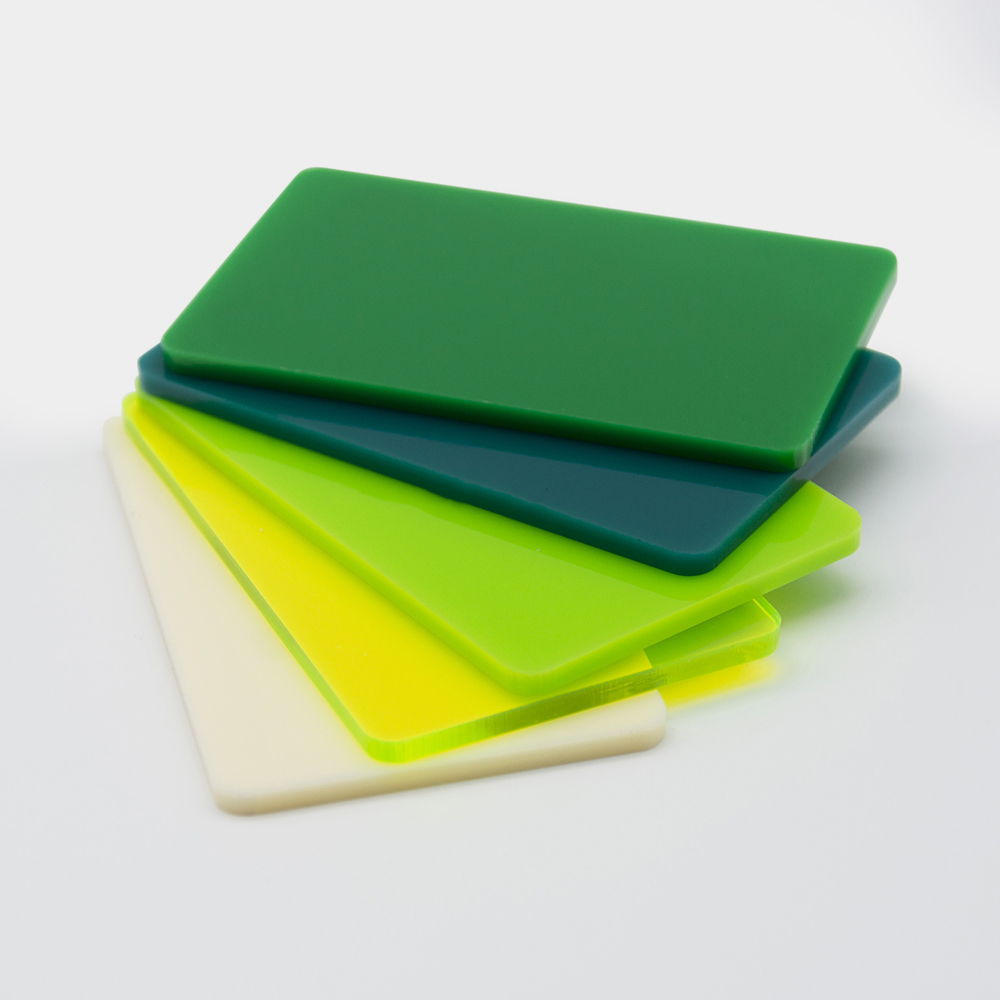
| Available Colors | Clear, Color, Frosted, Pattern, Marble, Mirror or Custom |
| Sizes | 1220*2440mm,1220*1830mm,2050*3050mm, 1000*2000mm, 4*8FT, 12*19FT, 5*7FT, 4*10FT, 4*6FT, Et |
| Thickness | 1-30mm |
| Top-selling Thickness | 3mm 5mm 6mm 4mm 8mm 19mm 20mm 12mm 10mm 2.5mm 14mm |
| Thickness Tolerance | according to GB (higher than GB) |
| Surface | UV protection, Anti-fog,Anti-static,hardening,fire retandant,etc. |
| Denisty | 1.2g/cm³ |
| MOQ | 2 tons, can be mixed with colors/sizes/thickness |
| Package Method | Kraft paper/PE film + wooden pallet |
| Free Samples | Samples are Free |
| Processing Service | Cutting / Moulding |
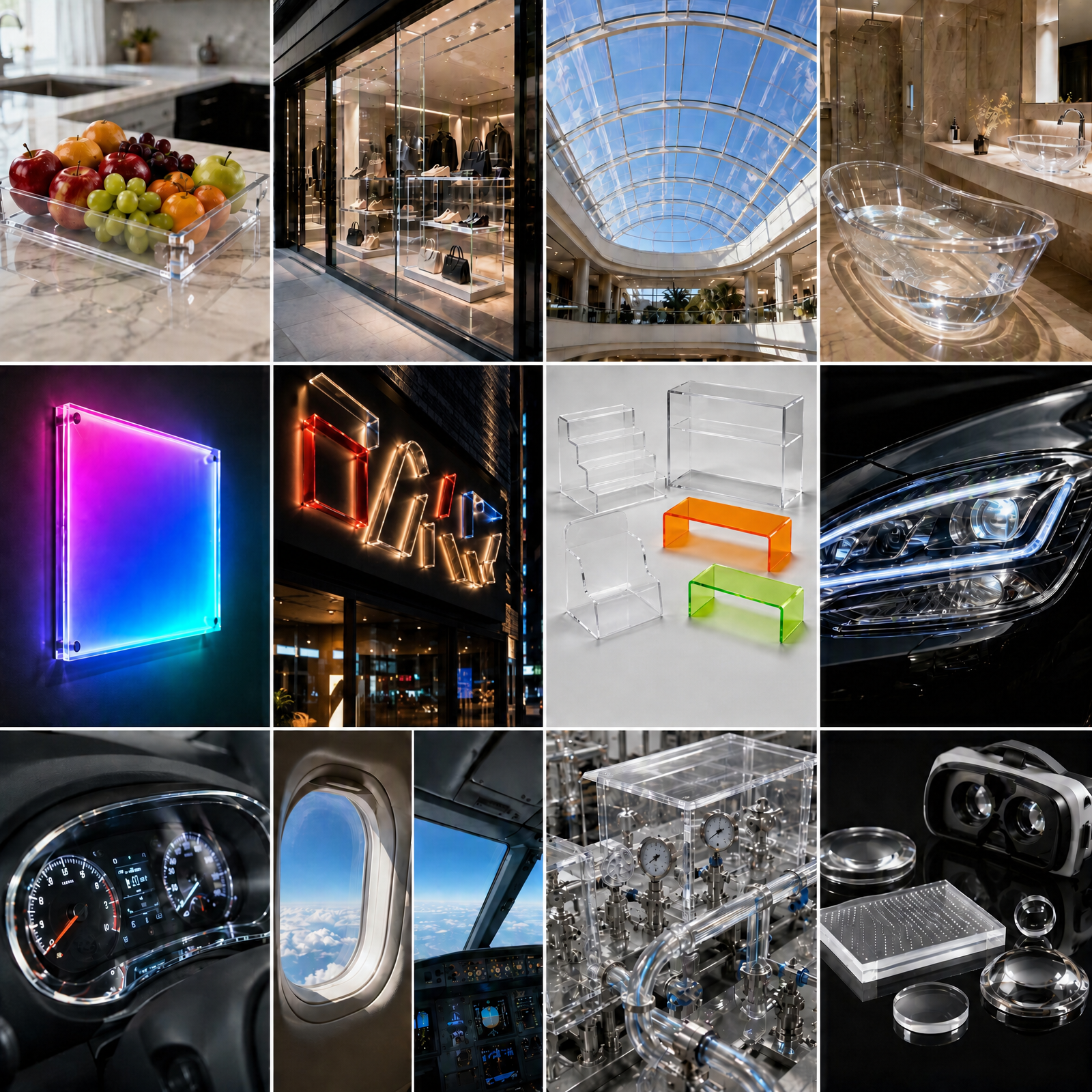
| Application | Advertising, Sign, Furniture, Crafts, Bathtub, Decoration,Et |
| Main Market | Europe, South America, North America, Middle East Countries, Africa, Australia, etc. |
1. High transmittance up to 94%;
2. Light weight: less than half as heavy as glass;
3. Excellent weather resistance to against discoloration and deformation;
4. Exceptional impact resistance: 7-16 times greater impact resistance than glass;
5. Excellent chemical and mechanical resistance: resistance to acid and alkali;
6. Ease of Fabrication: Acrylic sheet can be s painted, silk-screened, vacuum-coated, and also can be sawed, drilled, and machined to form almost any shape when heated to a pliable state.
1. Regular boards include: transparent board, colored transparent board, milky white board, and colored board.
2. Special boards include: bathroom board, cloud board, mirror board, sandwich board, hollow board, anti-scratch board, flame-retardant board, super wear-resistant board, surface pattern board, wipe board, pearl board, and metal effect board, etc.
Application
Acrylic polymethyl methacrylate (PMMA) exhibits broad applicability across multiple sectors owing to its exceptional optical clarity, mechanical toughness, thermal stability, and biocompatibility. Its principal application domains are outlined below:
Construction and Residential Interiors
Acrylic serves as a high-performance alternative to glass in architectural glazing applications—including soundproof windows and doors, skylights, sunrooms, retail
display units, and public telephone enclosures. In residential settings, it is fabricated into functional and aesthetic household items such as tableware, tissue
dispensers, decorative panels, and premium sanitary ware (e.g., bathtubs and washbasins), valued for its impact resistance, tactile warmth, and chromatic
versatility.
Advertising and Illumination Systems
Owing to its outstanding light transmittance (92%), UV stability, and thermoformability, acrylic is the material of choice for illuminated signage, lightboxes,
exhibition stands, and backlit lettering—particularly for durable, high-visibility outdoor signage. It is also extensively employed in luminaires, including diffusers for
fluorescent tubes, chandeliers, and street lighting fixtures, where it ensures uniform, glare-free illumination.
Transportation and Industrial Equipment
Acrylic components are integral to automotive, rail, and aerospace systems—for instance, headlamp lenses, instrument cluster covers, aircraft canopies, and
observation windows. Within industrial contexts, it is utilized in control panel overlays, protective housings for machinery, transparent conduits, and precision
optical elements—including lenses and light guides.
Biomedical Engineering and Emerging Technologies
In healthcare, PMMA’s optical fidelity, chemical inertness, and proven biocompatibility support critical applications such as neonatal incubator enclosures, surgical
instrument handles, intraocular lenses, and orthodontic appliances. Its role continues to expand into advanced technological domains: in new energy vehicles, it is
increasingly adopted for infotainment displays and interior trim; in intelligent display systems, it functions as a substrate and optical component in LCD backlight
units and VR/AR headset optics.
1. Size customization: Achieves millimeter-level precision through laser cutting and CNC engraving, and supports complex structures such as irregular openings
and chamfers;
2. Shape customization: Utilizes the hot bending process, by controlling the heating temperature and mold shape, can produce three-dimensional shapes such as
arcs and spheres;
3. Surface treatment: Includes processes like sandblasting, coating, and sanding, which can enhance anti-glare, anti-fingerprint or anti-reflection properties.
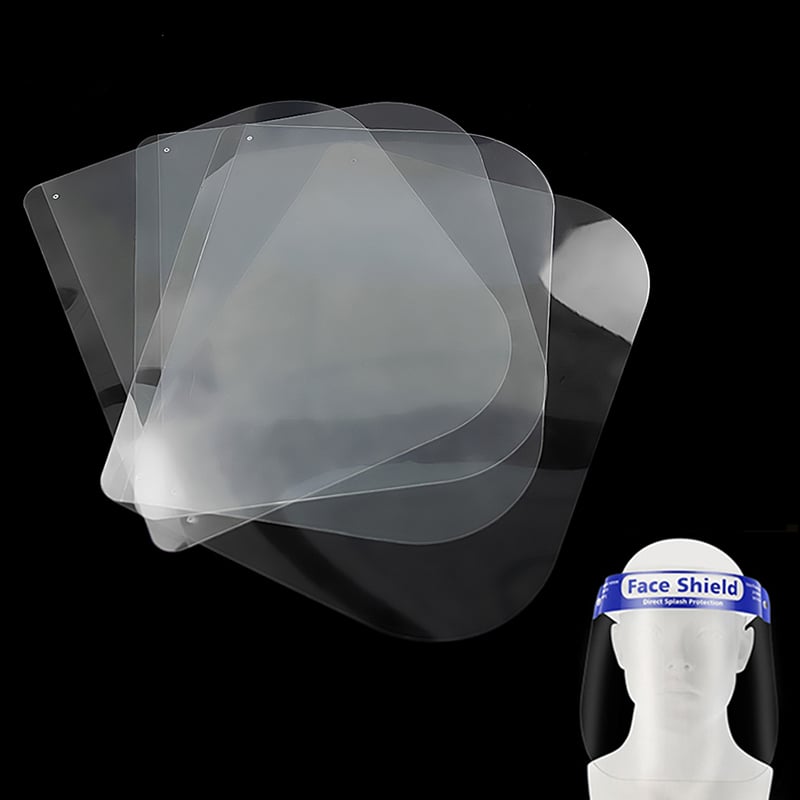
Transparent High Impact Anti-fog PET PETG Sheet Film for Medical Face Shield
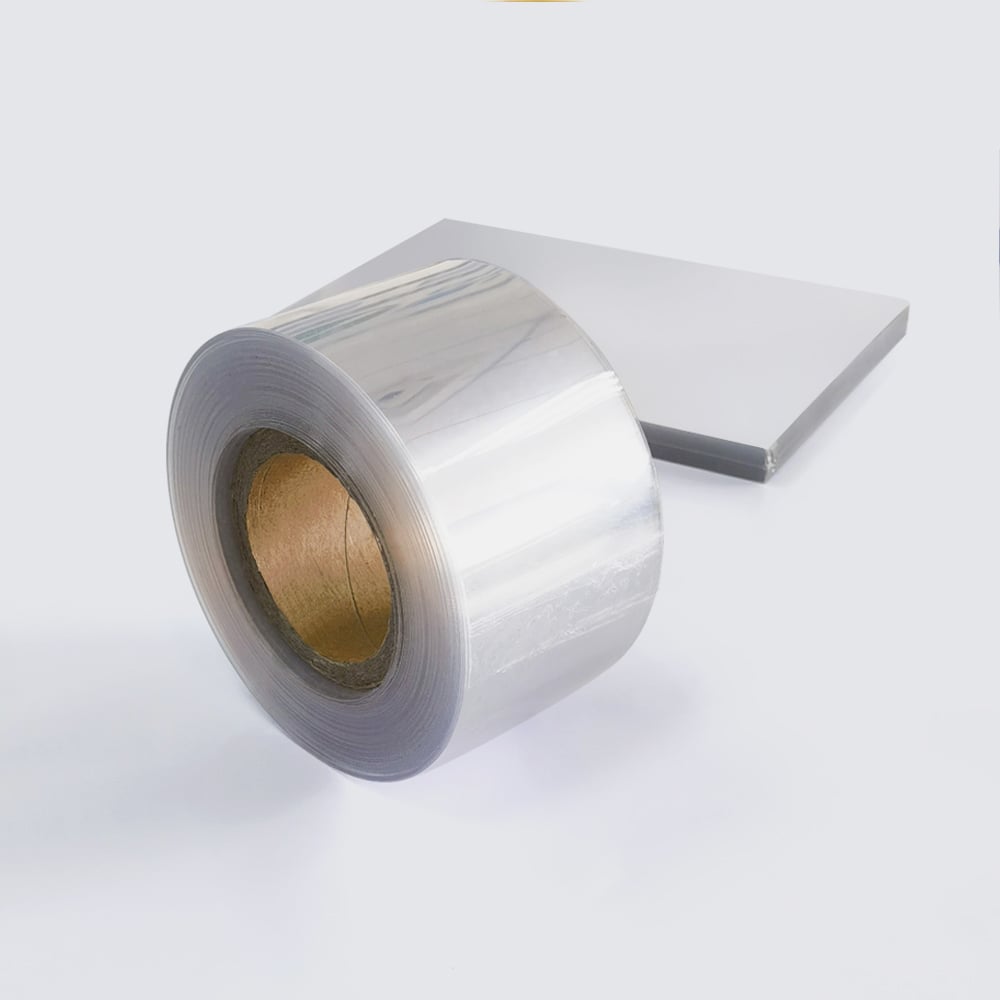
0.1mm-6mm Thick Clear Transparent Plastic PET Film Roll for Thermoforming and Folding Boxes
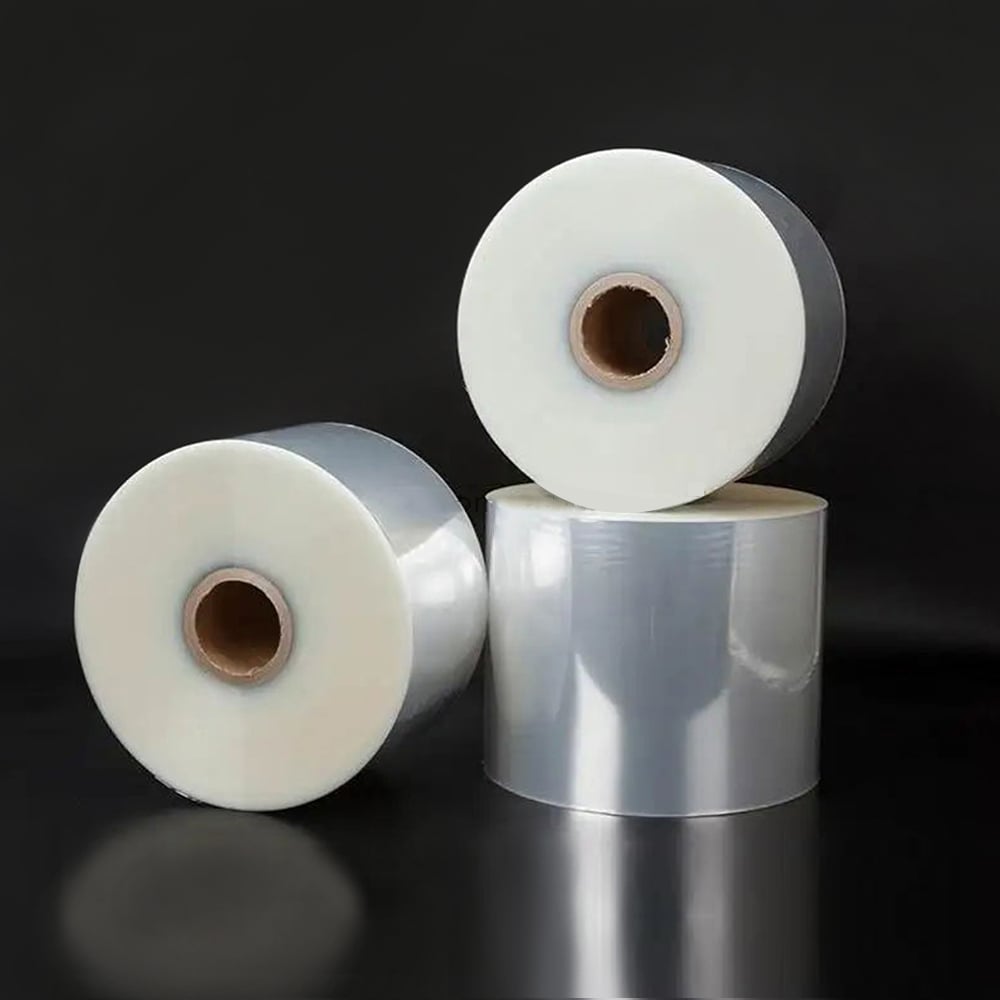
50um Clear Transparent Plastic Rpet Bopet Film Roll
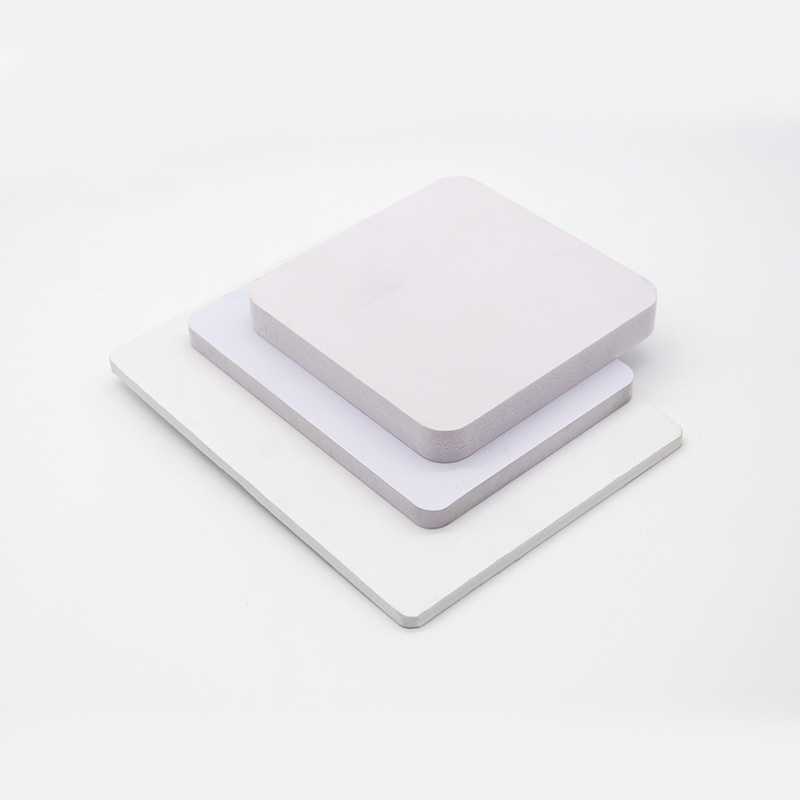
High Density Rigid Pvc Foam Sheet Board
 EN
EN
