Description:
Product Name & HS code |
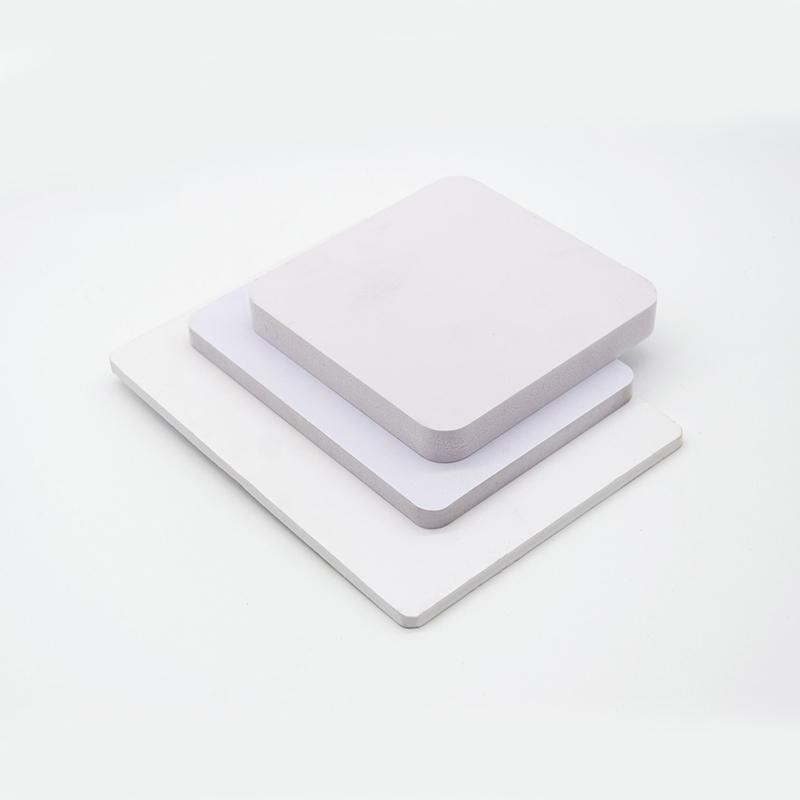
Rigid PC Sheet |
Available Colors |
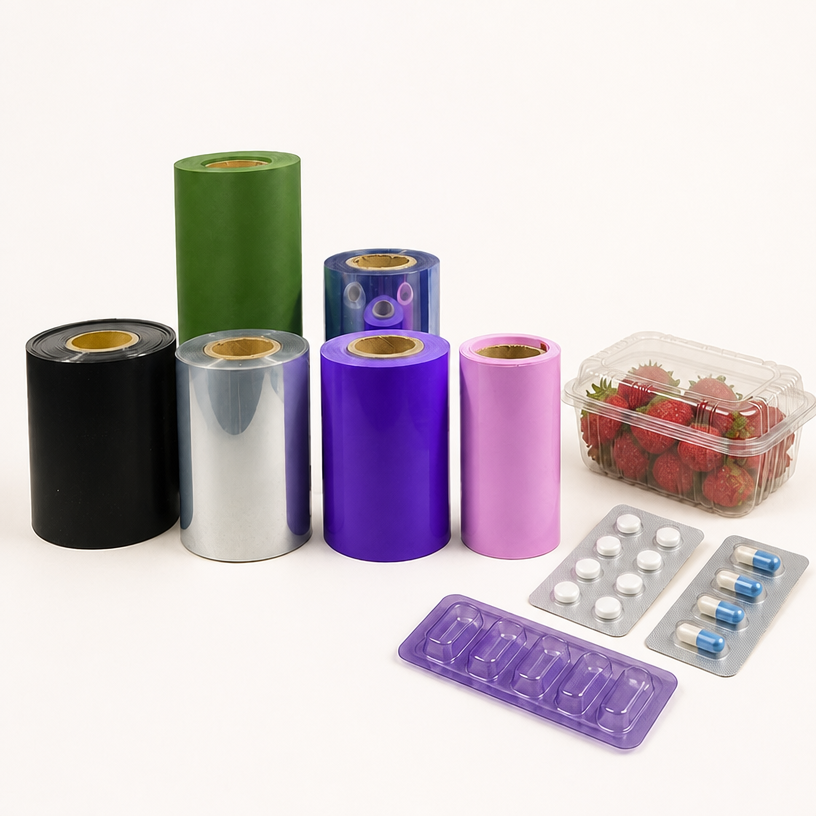
Clear/Transparent/White/Black/Grey/Blue/ Red /Green/ others |
Sizes |
Width 915mm-1530mm or Custom sizes |
Thickness |
0.125mm~6.0mm(Custom thickness) |
Thickness Tolerance |
according to GB (higher than GB) |
Surface |
Glossy/matte/embossing |
Density |
1.2g/cm³ |
Core |
Paper or Plastic |
MOQ |
500 kg for Clear; 1000 kg for Colored |
Package Method |
Wrapped in Plastic Bag; Filled in Paper Box; or Packed on Pallet |
Free Samples |
Samples are Free |
Processing Service |
Cutting / Moulding |
Application |
Nameplates, signs, car instrument panels, toy car shells, helmets, wide-angle lenses, electrical window lenses, mobile phone
window lenses, tempered film backing plates, standing boxes, etc |
What is polycarbonate (PC) sheet?
Polycarbonate is A general term for a large class of high-molecular compounds with carbonate groups in their molecular chains. Currently, only aromatic polycarbonate of bisphenol A type has achieved industrial production.
Features of PC Sheet Advantages
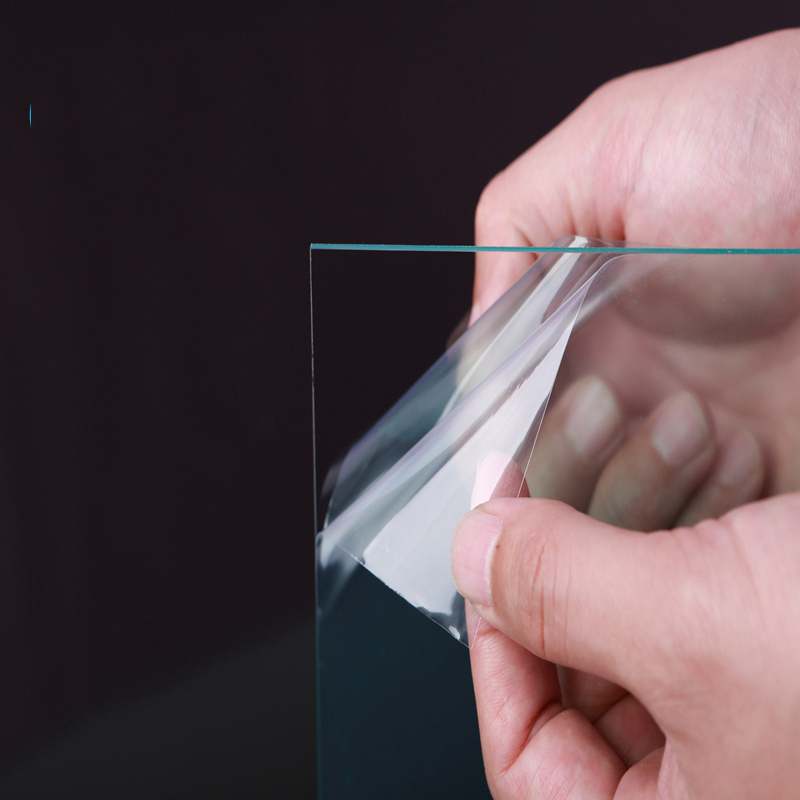
- Excellent light transmission
- Higher glass transition temperature
- Ideal chemical modifiability
- Easy to physically modify
- Good impact toughness
- Creep resistance
- Excellent insulation performance
- High strength
- Flame retardant
- Heat aging resistance
- Good fatigue resistance, stable dimensions
- Weather resistance
- Dielectric constant: Ranging from 3.0 to 3.2
- Solvent resistance: No stress cracking phenomenon,etc
Why is modification of PC necessary?
1.Key Limitations
PC material is constrained by inherent drawbacks, primarily stress cracking susceptibility and poor melt flowability, which limit its processing and application range.
2.Modification Directions
To overcome these limitations, PC modification focuses on four key areas:
Light-blocking & weather resistance — for outdoor and light-sensitive applications
High strength & high toughness — balancing structural rigidity with impact resistance
Flame retardancy enhancement — meeting stringent safety standards
Ultra-tough material development — expanding performance boundaries
These modification strategies have significantly broadened the application scope of PC materials across diverse industries.
Applications of Polycarbonate (PC) Materials
• Electronics and Electrical Engineering: Housing components for consumer electronics (e.g., computers, smartphones), light guide plates for LCD displays, electrical switches, and socket housings.
• Optics: Precision optical components including corrective lenses, camera lenses, and microscope eyepieces.
• Automotive Industry: Structural and functional parts such as headlamp covers, transparent glazing panels, instrument cluster bezels, and interior trim elements.
• Construction: Architectural glazing solutions—including skylight panels, daylighting systems, decorative wall cladding, and suspended ceiling panels—leveraging PC’s impact resistance and thermal insulation properties.
• Medical Devices: Components requiring biocompatibility, sterilizability, and clarity, such as syringe barrels, IV infusion sets, and housings for diagnostic and monitoring equipment.
• Packaging: Rigid, transparent containers for foodstuffs and premium cosmetic products, where dimensional stability, clarity, and regulatory compliance (e.g., FDA, EU food-contact standards) are critical.
• The aviation field: (such as the windows of aircraft, cabin door windows, etc.)






 EN
