Soft PVC Film Solutions: Versatile Protective Material for Industrial and Commercial Applications

Get a Free Quote

Our representative will contact you soon.
Email
Name
Company Name
Mobile/WhatsApp
Message
0/1000

soft pvc film

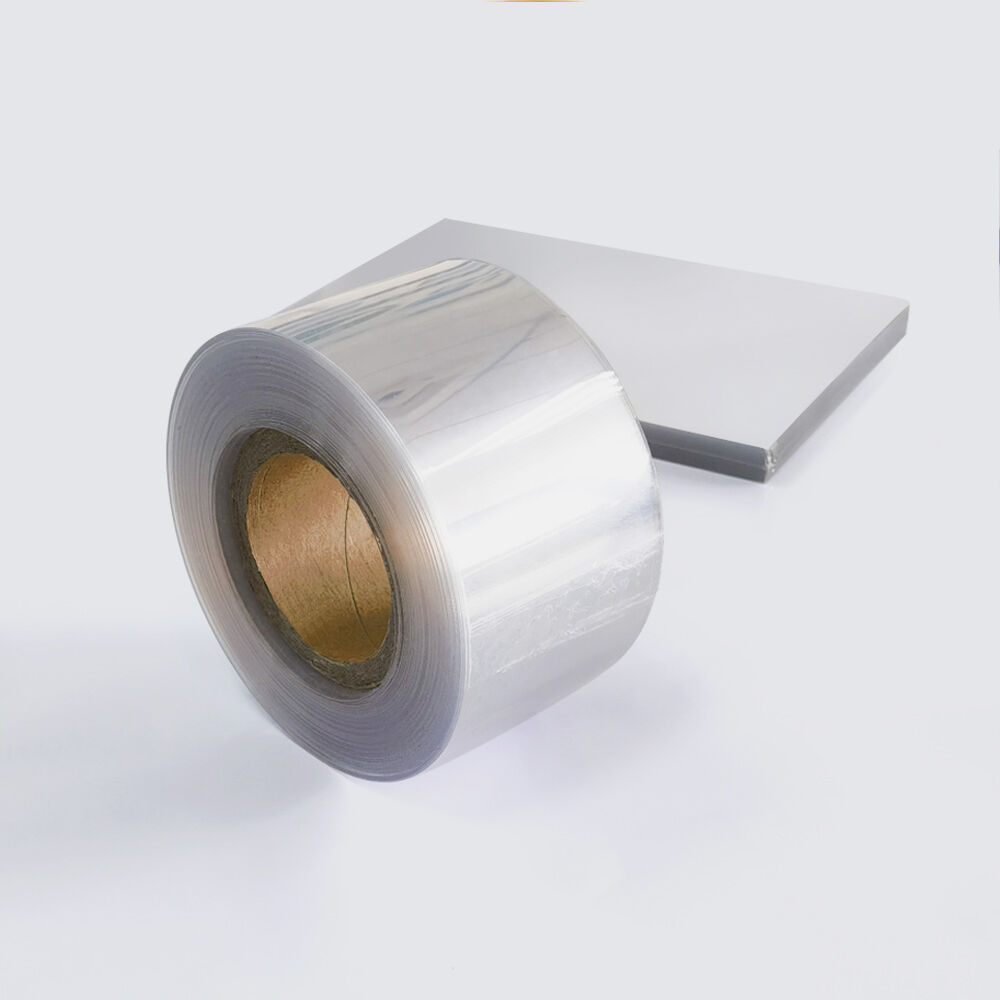
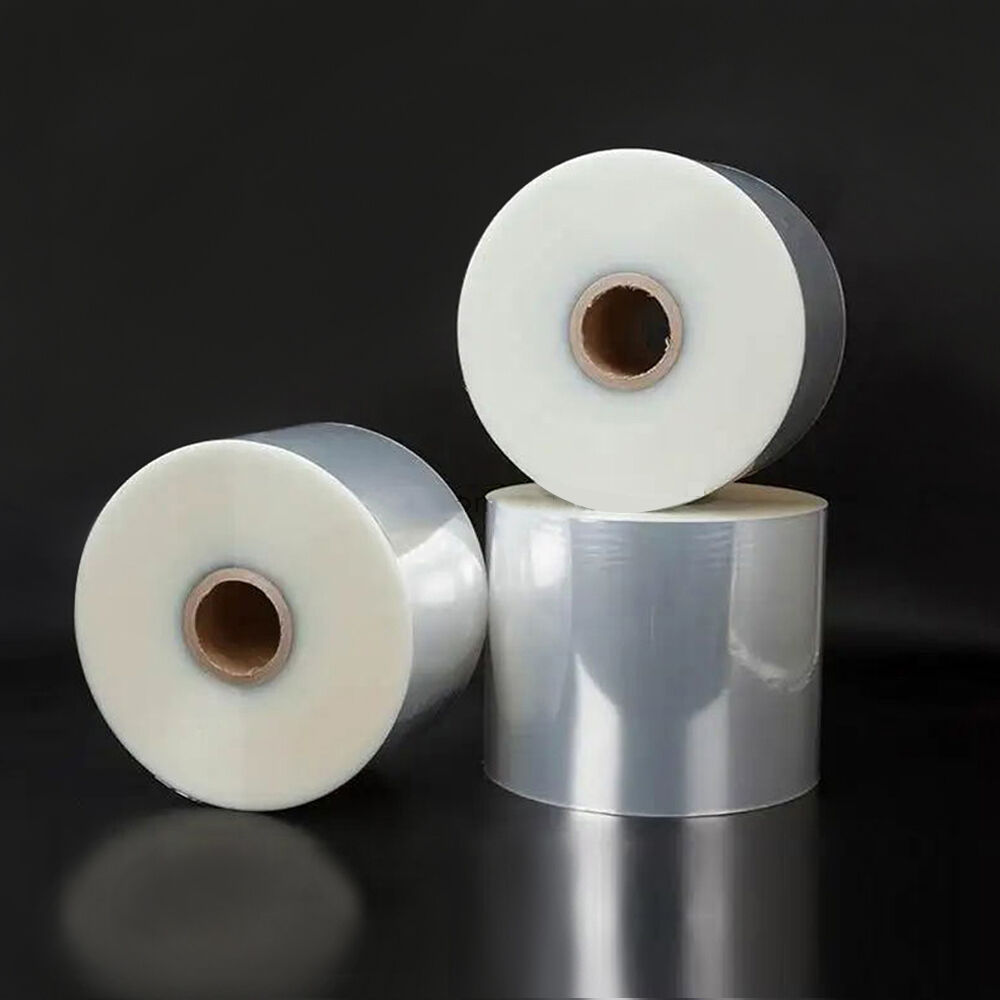
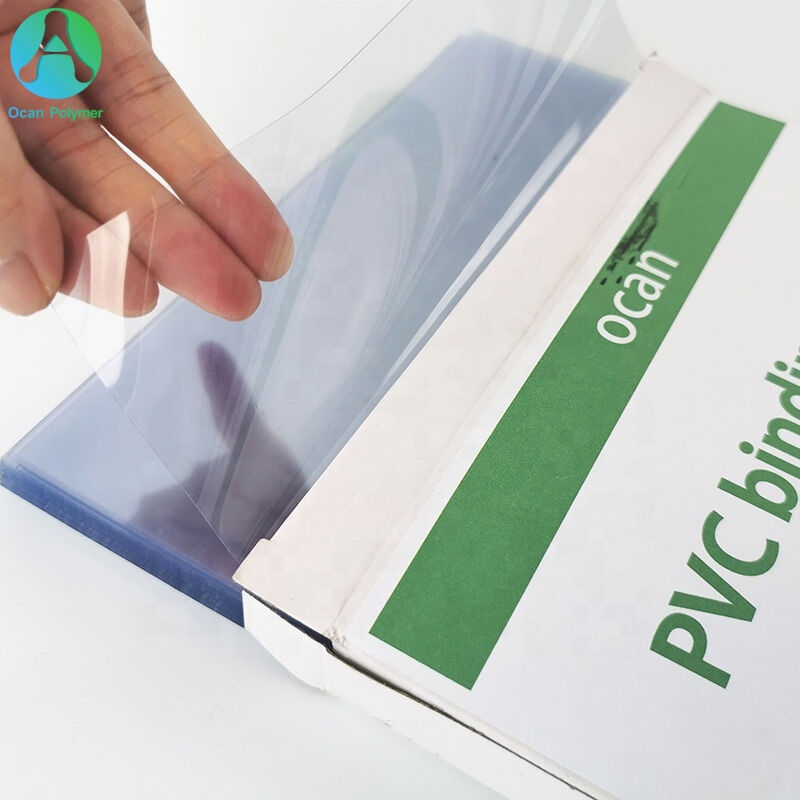
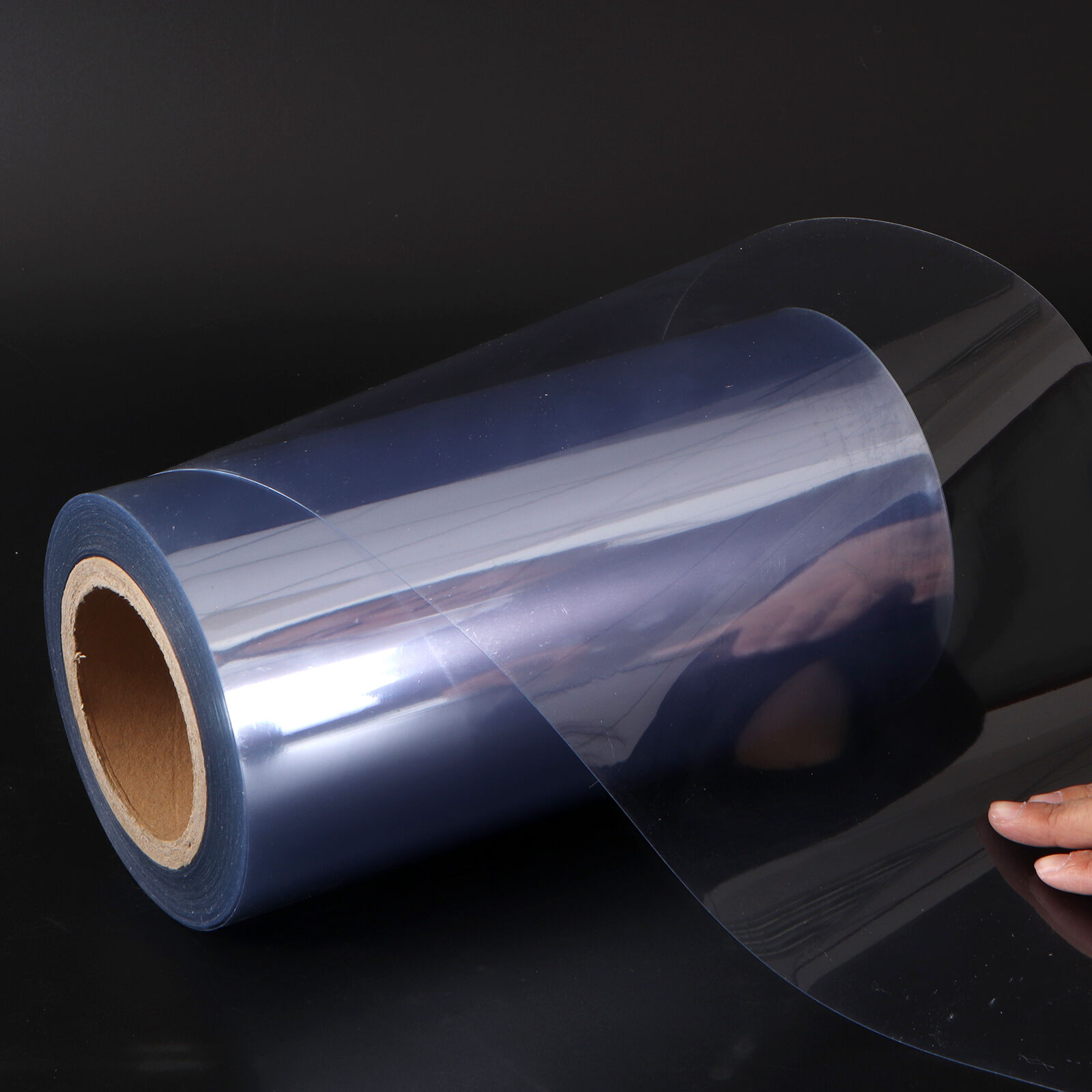
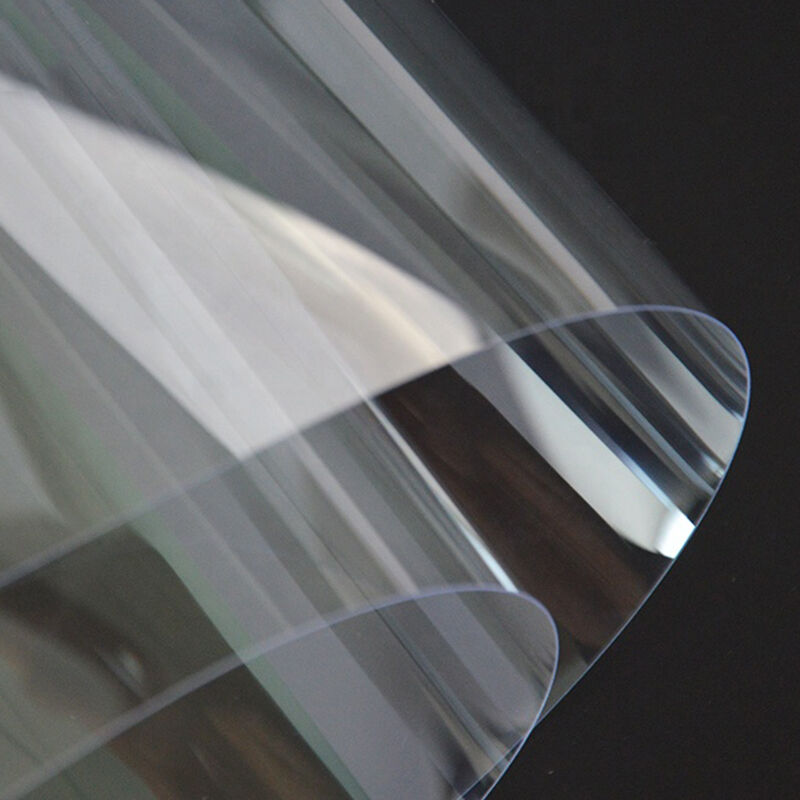
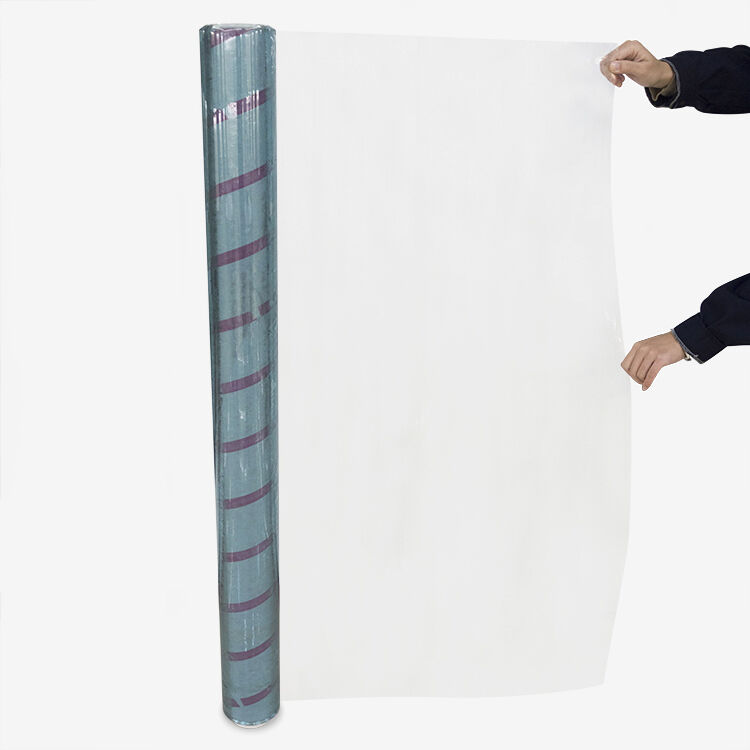
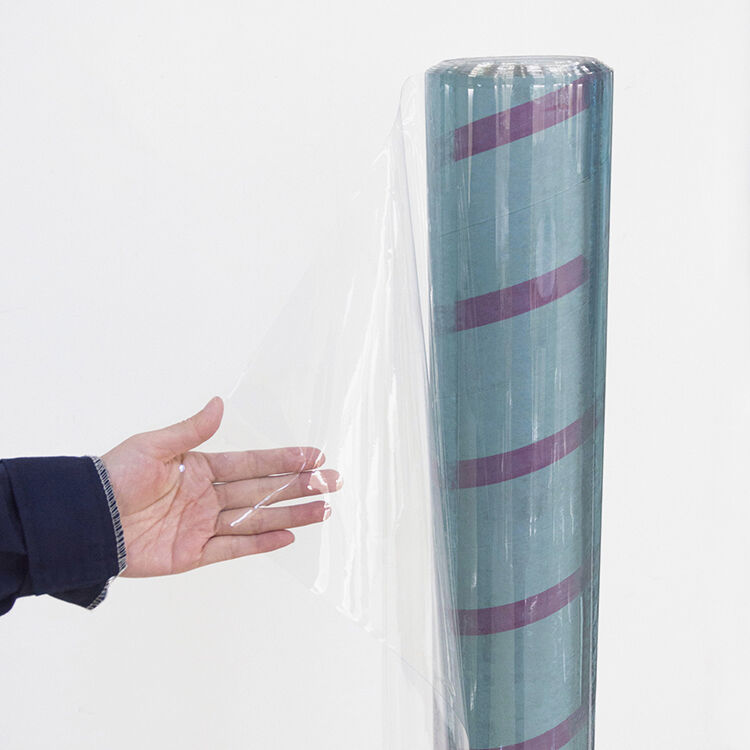
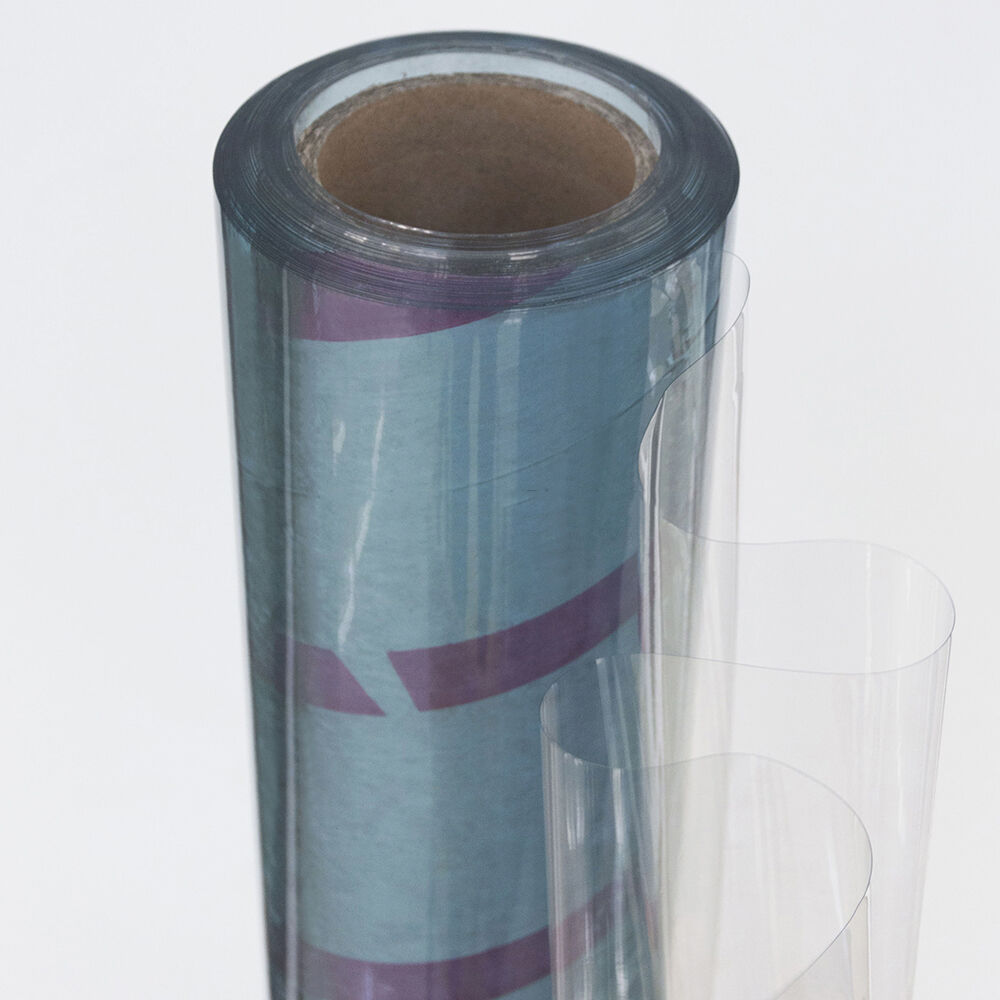
Soft PVC film represents a versatile thermoplastic material that has become indispensable across numerous industries due to its exceptional flexibility and adaptability. This polymer-based film is manufactured through a specialized process that incorporates plasticizers into polyvinyl chloride resin, resulting in a pliable, durable sheeting material with remarkable performance characteristics. The soft PVC film distinguishes itself from rigid PVC variants through its enhanced elasticity and bendability, making it suitable for applications requiring conformability and resilience. Its main functions encompass protection, containment, display, and barrier applications across diverse sectors. Technologically, soft PVC film exhibits outstanding chemical resistance, withstanding exposure to oils, acids, and various solvents without degradation. The material demonstrates excellent transparency options, ranging from crystal-clear variants to translucent and opaque formulations, depending on manufacturing specifications. Temperature tolerance constitutes another critical technological feature, with soft PVC film maintaining stability across a broad thermal range while resisting cracking in cold conditions and remaining dimensionally stable under moderate heat. The film can be produced in various thicknesses, typically ranging from 0.1mm to several millimeters, accommodating different strength and flexibility requirements. Surface treatments and coatings can be applied to enhance specific properties such as anti-static characteristics, UV resistance, or improved printability. Applications for soft PVC film span an impressive breadth of industries including packaging, where it serves as protective wrapping for consumer goods, electronics, and food products. In construction and interior design, soft PVC film functions as decorative surfacing, protective covering, and weather-resistant barriers. Medical and pharmaceutical sectors utilize this material for sterile packaging, blood bags, and medical tubing applications. The retail and display industry relies heavily on soft PVC film for point-of-purchase displays, protective sleeves for documents, and table coverings. Agricultural applications include greenhouse film and protective crop covers, while the automotive industry employs it for interior trim and protective applications.

New Product Releases

Choosing soft PVC film delivers tangible benefits that directly impact your operational efficiency and product quality. The material offers exceptional cost-effectiveness compared to alternative flexible films, providing superior performance without straining your budget. You will find that soft PVC film delivers outstanding durability, resisting tears, punctures, and abrasions that would compromise lesser materials. This resilience translates into longer service life and reduced replacement frequency, generating significant savings over time. The film maintains its integrity when exposed to moisture, humidity, and various weather conditions, protecting your products or applications from environmental damage. Flexibility stands as one of the most practical advantages, allowing the material to conform to irregular shapes, wrap around corners, and adapt to complex geometries without cracking or splitting. This characteristic proves invaluable when you need reliable coverage for items with varied contours or when creating custom packaging solutions. The transparency options available with soft PVC film enable visual inspection of contents without opening packages, streamlining quality control processes and enhancing customer confidence in retail settings. You gain versatility through the material's compatibility with numerous fabrication techniques including heat sealing, RF welding, sewing, and adhesive bonding, facilitating integration into existing manufacturing workflows. Processing soft PVC film requires no specialized equipment in many applications, reducing implementation barriers and accelerating project timelines. The material accepts printing exceptionally well, supporting high-quality graphics, branding elements, and instructional text that remain legible throughout the product lifecycle. Chemical stability ensures that soft PVC film will not react adversely with most substances it contacts, maintaining protective barriers between sensitive contents and external contaminants. Temperature performance benefits become apparent in applications ranging from refrigerated storage to outdoor exposure, where the film remains functional without becoming brittle or excessively soft. Hygiene considerations favor soft PVC film in medical and food-related applications, as the smooth, non-porous surface resists bacterial growth and facilitates effective cleaning protocols. The material demonstrates excellent electrical insulation properties, providing safety margins in electronic applications and cable protection scenarios. Customization possibilities extend to color matching, thickness optimization, and additive incorporation, allowing you to specify exactly the performance profile your application demands. Environmental considerations have improved as manufacturers develop recycling programs and alternative formulations that reduce ecological impact while maintaining performance standards.

Tips And Tricks

Why Is Flexible PVC Film Applied in Curtain and Decorative Materials?

15

Apr

Why Is Flexible PVC Film Applied in Curtain and Decorative Materials?

The widespread adoption of Flexible PVC Film in curtain and decorative material applications stems from a unique combination of performance attributes that address both functional and aesthetic requirements in commercial and residential environments....
View More
How Is PVC Roll Used in Automatic Thermoforming Production Lines?

20

Apr

How Is PVC Roll Used in Automatic Thermoforming Production Lines?

Automatic thermoforming production lines represent a cornerstone of modern packaging and manufacturing operations, where precision, speed, and material consistency determine profitability and product quality. Within these sophisticated systems, the P...
View More
How Is PC Sheet Used for Light Diffuser Panels in LED Lampshades?

03

Apr

How Is PC Sheet Used for Light Diffuser Panels in LED Lampshades?

Polycarbonate sheet technology has revolutionized the lighting industry by providing an optimal solution for light diffusion in LED lampshade applications. When manufacturers design LED lighting products, they face a critical challenge: converting po...
View More
How Is PVC Foam Board Used for Advertising Sign Boards in Indoor Displays?

05

May

How Is PVC Foam Board Used for Advertising Sign Boards in Indoor Displays?

Indoor advertising sign boards require materials that combine lightweight construction, visual clarity, and long-term durability without compromising design flexibility. PVC foam board has emerged as a preferred substrate for businesses seeking cost-...
View More

Get a Free Quote

Our representative will contact you soon.
Email
Name
Company Name
Mobile/WhatsApp
Message
0/1000

soft pvc film

Superior Protective Capabilities for Critical Applications

Superior Protective Capabilities for Critical Applications

Soft PVC film delivers exceptional protective performance that safeguards your valuable products, equipment, and materials against a comprehensive range of environmental threats and physical damage. The molecular structure of this material creates an effective barrier against moisture penetration, preventing water damage, rust formation, and humidity-related degradation that can compromise product integrity during storage and transportation. This protective function proves particularly valuable in marine environments, outdoor applications, and facilities with variable climate control where exposure to dampness represents a constant concern. The film's resistance to chemical exposure extends protection beyond simple water resistance, shielding contents from accidental spills, cleaning agents, and industrial chemicals that might otherwise cause discoloration, corrosion, or structural weakening. When you implement soft PVC film as a protective layer, you create a dependable defense that maintains effectiveness across extended timeframes without requiring frequent replacement or maintenance interventions. Physical protection constitutes another critical dimension of this material's capabilities, with the film absorbing impacts, resisting scratches, and preventing abrasion damage that accumulates during handling, shipping, and everyday use. The elastic nature of soft PVC film allows it to flex upon impact rather than cracking or shattering, dissipating force that would otherwise transfer directly to protected items. This shock-absorption characteristic becomes especially important when protecting fragile electronics, precision instruments, or finished goods with aesthetic value where even minor surface damage diminishes market value. UV stabilizers can be incorporated during manufacturing to provide protection against sun exposure, preventing the yellowing, brittleness, and degradation that affect many materials subjected to prolonged outdoor conditions. This UV resistance extends the functional lifespan of both the film itself and the items it protects, maintaining appearance and structural integrity through years of service. The protective benefits extend to thermal insulation properties that moderate temperature fluctuations, creating more stable environments for temperature-sensitive contents. In display applications, soft PVC film protects printed materials, photographs, and documents from fingerprints, dust accumulation, and handling damage while maintaining optical clarity that preserves visual appeal. Medical applications particularly benefit from the barrier properties that maintain sterile environments, preventing contamination of surgical instruments, pharmaceutical products, and sensitive medical devices.

Exceptional Versatility Across Diverse Manufacturing Processes

Exceptional Versatility Across Diverse Manufacturing Processes

The remarkable versatility of soft PVC film positions it as a solution for an extraordinarily wide spectrum of manufacturing requirements, processing methods, and finished product applications. This adaptability stems from the material's fundamental properties that allow it to be shaped, joined, and modified through numerous fabrication techniques without requiring specialized facilities or extensive capital investment in processing equipment. Heat sealing represents one of the most common and effective methods for creating seams, closures, and formed shapes from soft PVC film, with the material responding predictably to controlled thermal input that fuses layers together with reliable bond strength. The sealing process accommodates both manual operations for prototype development and small-batch production as well as automated high-speed systems for mass manufacturing, scaling seamlessly as your production volumes grow. Radio frequency welding provides an alternative joining method that generates particularly strong seams while producing minimal visual impact, making it ideal for applications where aesthetics matter alongside structural performance. You can employ traditional sewing techniques with soft PVC film using appropriate thread types and needle configurations, opening possibilities for products requiring stitched construction or decorative seaming details. Adhesive bonding offers another fabrication pathway, with the material accepting various adhesive chemistries including contact cements, pressure-sensitive adhesives, and structural bonding agents depending on performance requirements and application demands. Die-cutting operations produce precise shapes and patterns from soft PVC film, supporting everything from simple geometric cutouts to complex contoured forms with tight dimensional tolerances. Thermoforming capabilities enable the creation of three-dimensional structures from flat film stock, producing packaging components, protective covers, and display elements with formed features that enhance functionality and visual interest. The material accommodates printing through multiple technologies including screen printing, digital printing, flexographic processes, and offset printing methods, each offering distinct advantages for different graphic requirements and production scenarios. Embossing and texturing processes can modify the surface characteristics of soft PVC film, introducing patterns, grain structures, or tactile features that enhance appearance or provide functional benefits such as improved grip or reduced glare. Laminating operations bond soft PVC film to other substrates including fabrics, paper, foam, and rigid sheets, creating composite materials that leverage the beneficial properties of multiple components. This processing flexibility ensures that you can implement soft PVC film solutions using existing equipment and established workflows while maintaining the option to explore advanced techniques as needs evolve.
Optimal Balance of Performance Characteristics and Economic Value

Optimal Balance of Performance Characteristics and Economic Value

Soft PVC film achieves an exceptional equilibrium between high-level performance capabilities and economic accessibility that delivers outstanding value across the complete product lifecycle. This balance begins with raw material costs that remain competitive compared to alternative flexible film options while providing equivalent or superior functional properties in most application scenarios. The manufacturing efficiency of soft PVC film production contributes to favorable pricing structures, with established processes and economies of scale translating into cost advantages that manufacturers pass along to end users. When evaluating total cost of ownership rather than simple purchase price, soft PVC film demonstrates even more compelling economic benefits through extended service life that reduces replacement frequency and associated labor costs for removal and reinstallation. The durability characteristics that resist tearing, puncturing, and environmental degradation mean that products fabricated from soft PVC film maintain functionality longer than those made from less robust materials, protecting your investment while ensuring consistent performance throughout the useful life. Processing efficiency represents another economic dimension, with the material's compatibility with standard fabrication equipment eliminating the need for specialized machinery investments that would increase capital requirements and operational complexity. The ease of handling during manufacturing operations reduces labor time requirements, allowing workers to process soft PVC film quickly without extensive training periods or complicated procedures that slow production throughput. Waste reduction contributes to economic value as the material's strength and tear resistance minimize losses due to handling damage during fabrication, while precise cutting and forming operations generate minimal scrap when processes are properly optimized. Shipping and storage economics favor soft PVC film due to efficient material density that provides necessary performance in relatively thin gauges, reducing freight costs and warehouse space requirements compared to bulkier alternatives. The protective capabilities that prevent damage to packaged goods or covered equipment translate into avoided losses from product damage, warranty claims, and customer dissatisfaction that carry both direct and indirect cost implications. Energy efficiency considerations emerge in applications such as agricultural greenhouse covers or industrial curtain walls where the material's insulation properties and light transmission characteristics reduce heating and lighting costs while maintaining optimal environmental conditions. Maintenance requirements remain minimal with soft PVC film installations typically requiring only basic cleaning procedures rather than extensive upkeep protocols, reducing ongoing operational expenses. The material's resistance to many chemicals and cleaning agents means that you can implement standard sanitation procedures without concerns about material degradation or the need for specialized cleaning products. Lifecycle analysis demonstrates that soft PVC film often presents lower environmental costs than perceived when evaluated comprehensively, particularly as recycling infrastructure improves and manufacturers develop more sustainable formulations.

Get a Free Quote

Our representative will contact you soon.
Email
Name
Company Name
Mobile/WhatsApp
Message
0/1000