 EN
EN

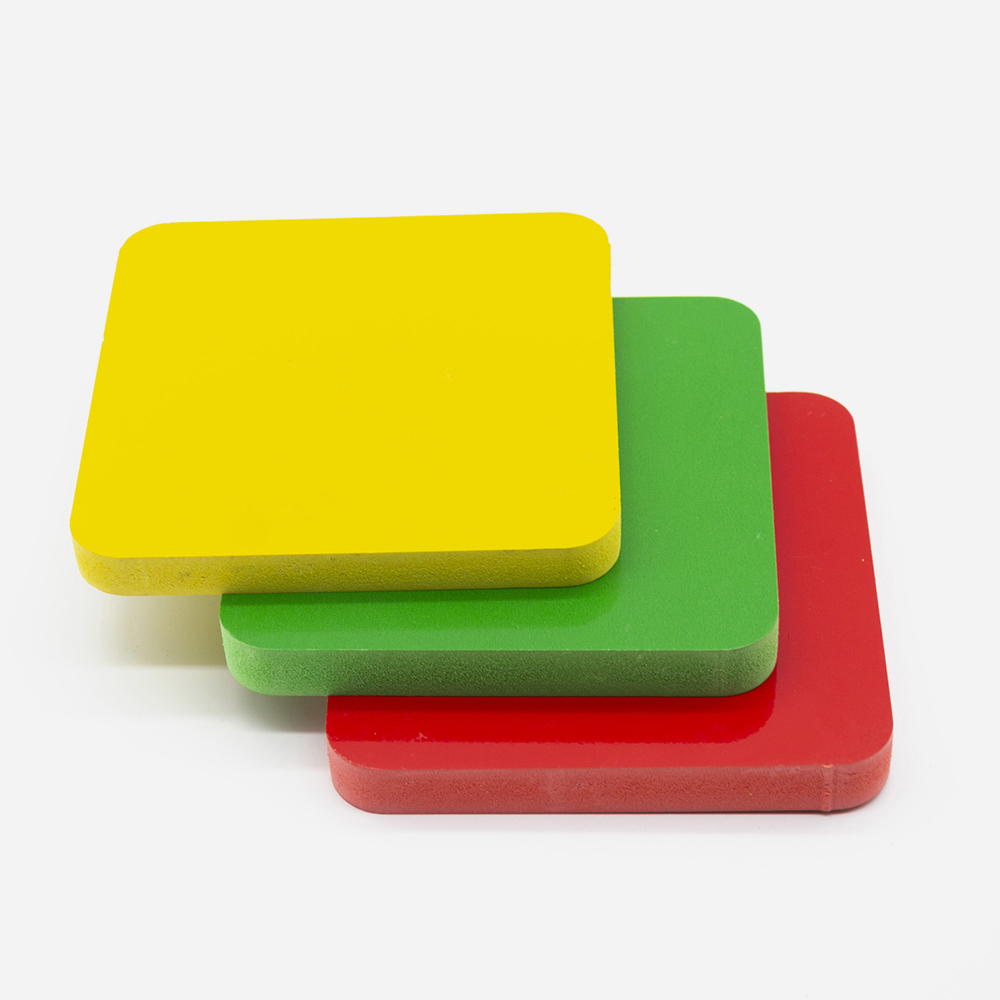
Indoor advertising sign boards require materials that combine lightweight construction, visual clarity, and long-term durability without compromising design flexibility. PVC foam board has emerged as a preferred substrate for businesses seeking cost-effective yet professional signage solutions for retail environments, trade show booths, corporate lobbies, and exhibition spaces. Unlike traditional signage materials that may warp, fade, or require complex installation hardware, PVC foam board delivers a rigid yet workable platform that accepts various printing and finishing techniques while maintaining structural integrity throughout years of indoor use. Understanding exactly how this material functions within the advertising sign board workflow helps businesses optimize both production efficiency and display performance.
The application process for PVC foam board in indoor advertising encompasses material selection based on density and thickness requirements, surface preparation techniques that ensure optimal adhesion of graphics and coatings, fabrication methods including cutting and edge finishing, and installation approaches suited to different display environments. Each stage of utilization directly impacts the final sign board's visual impact, dimensional stability, and maintenance requirements. This comprehensive examination explores the practical mechanics of how PVC foam board serves as the foundation for effective indoor advertising sign boards, addressing the technical considerations that determine whether signage achieves its communication objectives while remaining economically viable across extended deployment periods.
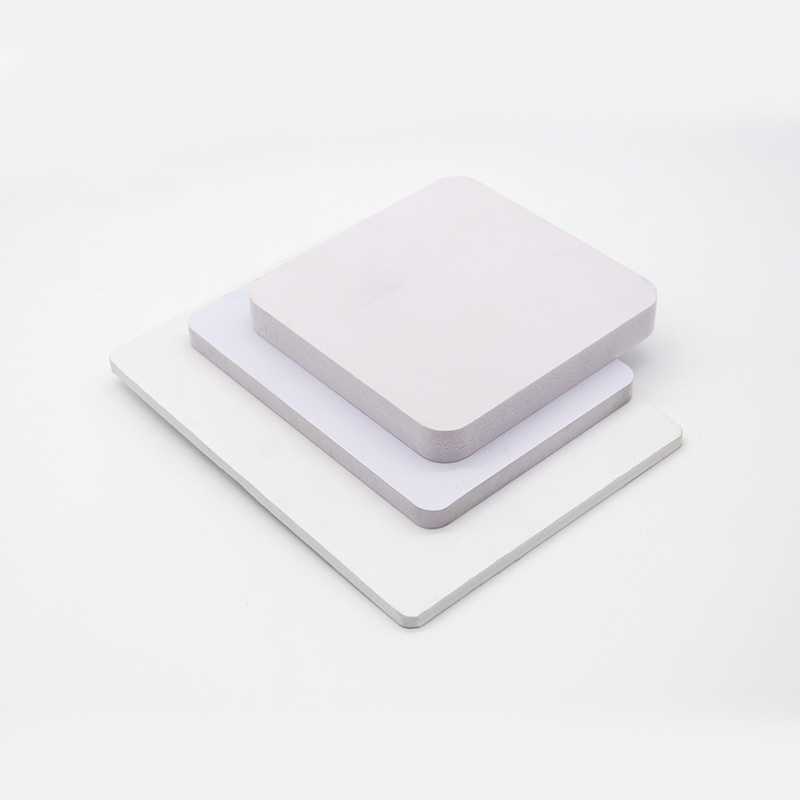
Material Preparation and Surface Treatment for Sign Board Applications
Selecting Appropriate PVC Foam Board Specifications
The first critical step in using PVC foam board for advertising sign boards involves matching board specifications to the intended display requirements. Indoor sign boards typically utilize PVC foam board ranging from 3mm to 19mm thickness, with density grades between 0.4 and 0.8 grams per cubic centimeter. Lower density boards around 0.5 g/cm³ offer maximum weight savings for ceiling-hung displays or temporary promotional signage where structural load becomes a concern. Higher density PVC foam board variants approaching 0.7 g/cm³ provide enhanced rigidity necessary for freestanding displays or directional signage that must resist accidental contact without flexing. The surface finish of PVC foam board also influences its suitability, with smooth finishes accepting direct digital printing while textured surfaces may require primer application to achieve uniform ink coverage.
Dimensional stability represents another key specification consideration when selecting PVC foam board for indoor advertising applications. Closed-cell foam structure ensures minimal moisture absorption, which prevents the expansion and contraction cycles that plague wood-based substrates in climate-controlled retail environments. Sign fabricators typically verify that the PVC foam board maintains dimensional tolerance within 0.5mm across standard 4x8 foot sheets, ensuring that multi-panel displays align properly during installation. The uniform density distribution throughout quality PVC foam board prevents localized sagging or warping that would distort graphic elements, particularly important for sign boards featuring precise typography or brand elements requiring exact color registration across segmented installations.
Surface Preparation Techniques for Optimal Graphic Adhesion
Proper surface preparation transforms raw PVC foam board into a print-ready substrate capable of supporting various graphic application methods. The manufacturing process leaves a slight residual film on PVC foam board surfaces that can interfere with ink adhesion and vinyl application. Professional sign shops typically employ isopropyl alcohol wipes or specialized cleaning solutions to remove manufacturing residues, oils, and dust particles before applying any graphics. This cleaning step proves especially critical when using solvent-based inks or pressure-sensitive vinyl films, where inadequate surface preparation leads to edge lifting, bubble formation, or premature graphic failure that compromises the sign board's professional appearance.
For direct printing applications, many fabricators apply primer coatings to PVC foam board surfaces to enhance ink receptivity and color vibrancy. UV-curable primers create a micro-porous surface layer that mechanically locks ink molecules while providing a consistent white base that prevents the slight cream tint of some PVC foam board grades from affecting color accuracy. The priming process also seals the cellular structure at cut edges, preventing ink wicking into the foam core that would create fuzzy edge definition on text and graphics. When using PVC foam board for high-resolution photographic reproductions or gradient designs, surface preparation quality directly determines whether the final sign board achieves the visual fidelity necessary to compete with more expensive rigid substrates like acrylic or aluminum composite panels.
Edge Treatment and Finishing Methods
The exposed edges of cut PVC foam board require specific treatment to achieve a polished appearance appropriate for professional indoor advertising sign boards. Unlike solid materials that present a uniform edge surface, the cellular structure of PVC foam board reveals its foam composition when cut, creating a visual discontinuity that detracts from premium signage aesthetics. Edge banding techniques address this limitation by applying PVC tape, veneer strips, or liquid edge sealers that conceal the foam structure while providing additional impact resistance. Heat-activated edge banding proves particularly effective for larger sign boards, using controlled temperature application to bond colored PVC strips that match the face graphics and create the appearance of a solid substrate.
Alternative edge finishing approaches include routing decorative profiles into PVC foam board edges or applying thick primer coatings that fill the cellular structure and sand smooth to create paintable surfaces. For sign boards viewed exclusively from the front, such as wall-mounted directional signage, some fabricators simply paint cut edges with matching colors rather than investing in full edge banding systems. The choice of edge treatment depends on viewing angles, budget constraints, and the overall quality positioning of the indoor advertising display. Properly finished edges extend the perceived value of PVC foam board sign boards while eliminating the visual cues that might suggest economy-grade construction to discriminating viewers in premium retail or corporate environments.
Graphic Application and Printing Techniques
Direct Digital Printing on PVC Foam Board Surfaces
Direct digital printing represents the most streamlined method for transforming PVC foam board into finished advertising sign boards for indoor applications. Flatbed UV printers accommodate the rigid sheet format of PVC foam board, applying ink layers directly to prepared surfaces without intermediate transfer media. The UV curing process instantly polymerizes inks upon contact with the substrate, preventing bleed or smear while enabling immediate handling of printed sign boards. This production efficiency reduces turnaround times for time-sensitive promotional displays or event signage where traditional printing workflows would introduce unacceptable delays. The resolution capabilities of modern UV flatbed systems allow PVC foam board sign boards to reproduce photographic images, fine text, and complex graphics with clarity sufficient for viewing distances as close as 18 inches.
Color gamut and finish options available through direct printing expand the design possibilities for PVC foam board advertising sign boards. Six-color and eight-color printing systems extend beyond standard CMYK to include light cyan, light magenta, white, and specialty colors that enhance color accuracy for brand-critical applications. White ink capability proves particularly valuable when printing on colored PVC foam board grades or creating window cling effects on translucent variants. Texture printing adds dimensional effects through layered ink application, creating raised letter profiles or simulated material textures without additional fabrication steps. These advanced printing techniques allow PVC foam board to compete aesthetically with more expensive substrates while maintaining its cost and weight advantages for indoor advertising installations.
Vinyl Graphics Application for Versatile Design Implementation
Pressure-sensitive vinyl remains the dominant graphic application method for PVC foam board sign boards requiring field changeability, dimensional lettering, or specialized finish effects unavailable through direct printing. The smooth, non-porous surface of quality PVC foam board provides ideal adhesion characteristics for cast and calendered vinyl films, supporting both full-coverage graphics and precisely cut dimensional letters. Installation techniques using application fluid allow repositioning during placement, ensuring bubble-free adhesion across large format sign boards. The mechanical bond between vinyl adhesive and prepared PVC foam board surfaces typically exceeds the structural requirements for indoor applications, with properly applied graphics remaining securely attached throughout the typical three-to-five-year lifespan of retail signage.
Layering techniques combine multiple vinyl colors and finishes to create dimensional depth effects on PVC foam board sign boards without the weight penalties associated with built-up channel letters or routed substrates. Metallic vinyl films simulate brushed aluminum or polished gold finishes at a fraction of the cost and weight of actual metal signage. Specialty vinyls including holographic, reflective, and color-shifting films enable attention-grabbing effects particularly effective for point-of-purchase displays and promotional sign boards in competitive retail environments. The compatibility of PVC foam board with both solvent and eco-solvent vinyl systems ensures that fabricators can match graphic application methods to their existing equipment investments while maintaining consistent quality standards across diverse indoor advertising projects.
Protective Coating and Lamination Options
Protective treatments extend the service life of graphics applied to PVC foam board sign boards while enhancing their resistance to cleaning chemicals, accidental impacts, and handling damage during installation or repositioning. Clear laminate films applied over printed or vinyl graphics provide a sacrificial wear layer that protects underlying imagery from scuffs, scratches, and UV exposure that occurs near windows or under certain artificial lighting. Matte laminate finishes reduce glare in brightly lit retail environments, improving readability of text-heavy sign boards, while gloss laminates intensify color saturation and create a premium appearance suitable for luxury brand presentations. The additional cost of lamination typically represents less than fifteen percent of total sign board production expenses while potentially doubling the effective display life in high-traffic indoor locations.
Liquid coating systems offer alternative protection methods for PVC foam board advertising sign boards, particularly when edge-to-edge coverage or specialty finish effects justify spray application techniques. Clear polyurethane coatings create hard, chemical-resistant surfaces ideal for food service environments where sign boards require frequent sanitizing. Anti-graffiti coatings allow marker and sticker residue removal without damaging underlying graphics, valuable for sign boards in public spaces or educational institutions. Some fabricators apply texture additives to liquid coatings, creating slip-resistant surfaces for floor-standing PVC foam board displays or tactile finishes that encourage customer interaction with product information signage. These protective treatments optimize PVC foam board performance characteristics for specific indoor advertising scenarios while maintaining the substrate's fundamental advantages of light weight and ease of fabrication.
Fabrication Methods and Structural Enhancements
Cutting and Shaping Techniques for Custom Sign Board Configurations
The workability of PVC foam board enables complex cutting and shaping operations that transform standard sheets into custom sign board configurations matching specific architectural or branding requirements. Straight cuts utilize panel saws or CNC routers equipped with carbide-tipped bits, producing clean edges without chipping or delamination when proper feed rates and spindle speeds are maintained. The low cutting force requirements of PVC foam board allow fabrication shops to process sign board components rapidly, reducing production costs for projects requiring multiple identical units. Intricate contour cutting creates dimensional logo reproductions, character cutouts, or architectural accent pieces that serve as standalone sign boards or integrate into larger indoor display systems.
Heat forming techniques expand design possibilities for PVC foam board sign boards requiring curved profiles or three-dimensional shapes. Controlled heating between 140-160°C softens the foam structure sufficiently for bending around forming jigs or vacuum molding into complex relief patterns. This thermoforming capability allows creation of curved retail fixtures, cylindrical column wraps, or dimensional wall sculptures from flat PVC foam board sheets, eliminating the need for segmented construction or flexible substrates that lack structural rigidity. Heat-formed sign boards maintain their shaped profiles permanently once cooled, requiring no ongoing tension or support structures that complicate installation. The combination of easy cutting and forming capabilities makes PVC foam board particularly valuable for custom indoor advertising installations where standard rectangular formats would fail to achieve desired visual impact or architectural integration.
Structural Reinforcement for Large Format Sign Boards
While PVC foam board offers excellent rigidity for typical sign board dimensions under five feet in any direction, larger installations may require structural reinforcement to prevent flexing or sagging over extended deployment periods. Internal frame systems constructed from aluminum extrusion or rigid PVC profiles bond to the rear surface of PVC foam board sign boards, creating a composite structure with significantly improved span capabilities. These frame systems distribute stress across the entire sign board area rather than concentrating loads at mounting points, reducing the risk of localized compression damage that could telegraph through to visible face graphics. Fabricators typically space frame members every 18-24 inches for sign boards exceeding eight feet in length, ensuring adequate support without excessive material costs or weight penalties.
Honeycomb backing panels represent an alternative reinforcement approach for very large PVC foam board sign boards where maintaining minimal weight remains critical for ceiling suspension or tensioned cable mounting systems. Adhesively bonded aluminum honeycomb increases the effective moment of inertia of the composite panel without proportional weight gains, creating sign boards that span ten feet or more between support points while maintaining flatness tolerances under one-quarter inch. The sandwich construction of PVC foam board face layers surrounding structural cores proves particularly effective for double-sided sign boards visible from multiple viewing angles, where through-fastening would create unacceptable visual defects. These engineering approaches allow PVC foam board to compete with heavier substrates in large format indoor advertising applications previously dominated by aluminum composite or solid acrylic panels.
Modular Panel Systems for Scalable Display Solutions
Designing indoor advertising sign boards as modular systems of smaller PVC foam board panels addresses both fabrication constraints and installation logistics for extensive wall graphics or room divider applications. Panel dimensions typically conform to printer bed sizes or standard material dimensions, with 2x4 foot and 4x4 foot modules representing common configurations. Registration systems including routed keyways, alignment pins, or concealed spline joints ensure precise panel-to-panel alignment during installation, maintaining graphic continuity across segmented displays. The modular approach reduces shipping costs by enabling flat-pack configurations, simplifies replacement of damaged sections without reconstructing entire displays, and allows phased installation that minimizes disruption to active retail or office environments.
Magnetic attachment systems further enhance the functionality of modular PVC foam board sign boards, enabling quick graphic updates or seasonal message changes without tools or specialized installation skills. Thin flexible magnetic sheeting laminated to PVC foam board backs mates with steel mounting surfaces or magnetic receptive paints, creating easily removable panels that maintain flush wall alignment. This changeability proves particularly valuable for retail environments featuring frequent promotional cycles or restaurants requiring regular menu updates. The light weight of PVC foam board makes magnetic attachment feasible for panel sizes that would exceed the holding capacity of magnetic systems when using denser substrates. Modular magnetic sign board systems represent an optimal application of PVC foam board characteristics, balancing professional appearance with operational flexibility demanded by dynamic indoor advertising programs.
Installation Methods and Mounting Systems
Adhesive Mounting for Permanent Wall Applications
Direct adhesive bonding provides the cleanest installation appearance for PVC foam board sign boards in permanent indoor advertising applications where surface texture and through-fasteners would compromise design aesthetics. Structural adhesives formulated specifically for foam substrates create bonds stronger than the PVC foam board material itself, ensuring that properly installed sign boards remain securely attached throughout their service life. Double-sided foam tape systems offer the advantage of gap-filling capability, compensating for minor wall surface irregularities while distributing mounting stress across the entire back surface of the sign board rather than concentrating loads at discrete fastener points. The pressure-sensitive nature of quality foam tapes allows immediate positioning adjustments during installation before full adhesive cure develops maximum bond strength.
Surface preparation proves critical for achieving reliable adhesion when mounting PVC foam board sign boards with adhesive systems. Wall surfaces must be clean, dry, and free of textures that prevent full contact between adhesive and substrate. Painted drywall accepts foam tape mounting effectively when paint has cured for at least thirty days, allowing solvent outgassing that would otherwise compromise adhesive bond development. Porous surfaces including raw concrete or unsealed plaster typically require primer application to prevent adhesive absorption that starves the bond line. Installation protocols specify minimum application temperatures and pressure dwell times ensuring proper adhesive wetting before releasing installed sign boards. When these procedures are followed correctly, adhesively-mounted PVC foam board sign boards demonstrate reliability equivalent to mechanically fastened installations while eliminating the visual interruption of exposed fastener heads or standoff hardware.
Mechanical Fastening Techniques for Removable Installations
Mechanical fastening systems accommodate indoor advertising scenarios requiring periodic sign board removal for graphic updates, facility maintenance access, or seasonal display rotation. The cellular structure of PVC foam board necessitates specific fastener types and installation techniques that distribute clamping forces without crushing the foam core. Standoff hardware with large-diameter backing plates spreads mounting stress across sufficient PVC foam board area to prevent compression damage while creating attractive dimensional separation between sign board and wall surface. This shadow-gap mounting technique adds perceived value to basic PVC foam board sign boards by suggesting premium construction methods associated with more expensive substrates. Standoff spacing typically follows a grid pattern with fasteners every 24-30 inches, providing adequate support without excessive hardware cost or installation time.
Edge-grip mounting systems represent an alternative mechanical approach that eliminates face-fastener penetrations, preserving graphic integrity across the entire PVC foam board surface. Aluminum extrusion frames grip sign board edges within capture channels, supporting the panel from its perimeter while allowing center areas to remain free of attachment hardware. This mounting method proves particularly effective for backlit PVC foam board displays where through-fasteners would create light leakage points or shadow spots visible from viewing distances. Edge-grip systems also simplify graphic replacement by enabling removal of the entire PVC foam board panel from its frame without disturbing wall-mounted hardware. The additional cost of frame systems balances against long-term operational savings in facilities requiring frequent message updates or seasonal promotional rotations where adhesive mounting would necessitate complete sign board replacement for each content change.
Suspension and Ceiling-Mounted Display Configurations
The favorable strength-to-weight ratio of PVC foam board enables suspended sign board installations that maximize visibility in open retail environments without floor space consumption or view obstruction at eye level. Cable suspension systems support PVC foam board sign boards from structural ceiling elements using aircraft cable and adjustable grip hardware. The light weight of typical sign boards allows cable diameters as small as 1/16 inch, creating nearly invisible support lines that enhance the floating appearance of suspended displays. Four-point suspension provides optimal stability for rectangular sign boards, with cable attachment accomplished through edge-mounted brackets or reinforced grommet penetrations that distribute suspension loads without tearing the PVC foam board substrate.
Ceiling track systems offer enhanced flexibility for retail environments requiring repositionable sign boards or seasonal layout modifications. Overhead aluminum tracks accept sliding carriers that support PVC foam board panels, enabling lateral repositioning without ceiling penetration at each display location. This mounting approach proves particularly valuable in large format retail spaces, exhibition facilities, or corporate lobbies where advertising messaging requirements evolve more frequently than architectural infrastructure. The combination of repositionable mounting and lightweight PVC foam board construction allows facility managers to optimize signage placement based on traffic patterns, sightlines, or promotional priorities without specialized installation labor or structural modifications. Track-mounted PVC foam board sign boards demonstrate how substrate selection and mounting system design synergize to create advertising display solutions with operational flexibility impossible using traditional rigid mounting approaches.
Maintenance Considerations and Longevity Factors
Cleaning Protocols for Indoor Sign Board Preservation
Proper maintenance extends the effective display life of PVC foam board advertising sign boards while preserving their professional appearance in customer-facing environments. Regular cleaning removes accumulated dust, airborne oils, and incidental contact marks that gradually degrade visual impact. Microfiber cloths dampened with mild soap solutions provide effective cleaning without risk of scratching laminated graphics or damaging the PVC foam board substrate. Cleaning protocols should avoid abrasive materials, strong solvents, or excessive moisture that could penetrate edge seals and compromise the foam core. Quarterly cleaning schedules typically maintain acceptable appearance standards in normal retail environments, with higher-frequency cleaning necessary in food service locations or high-traffic public spaces where airborne contaminants accumulate more rapidly.
Protective treatments applied during fabrication significantly influence ongoing maintenance requirements for PVC foam board sign boards. Laminated surfaces resist cleaning chemical exposure better than unprotected printed graphics, allowing more aggressive spot-cleaning of stubborn marks without color fading or surface dulling. Anti-microbial coatings reduce biological growth in humid environments such as restrooms or food preparation areas where standard sign board materials might develop mildew or bacterial colonization. These specialized surface treatments add modest incremental costs during production but substantially reduce lifetime maintenance expenses and graphic replacement frequency. Facility managers should document the surface treatments present on installed PVC foam board sign boards to ensure that cleaning staff apply appropriate methods that maximize longevity without inadvertently damaging protective layers through incompatible chemical exposure.
Environmental Factors Affecting Sign Board Performance
Indoor environmental conditions significantly influence the long-term performance and appearance retention of PVC foam board advertising sign boards. Temperature stability represents a primary concern, with extreme heat exposure above 140°F potentially causing dimensional distortion or graphics delamination. Sign boards installed near heating vents, south-facing windows, or commercial kitchen equipment require special consideration during placement planning or may necessitate upgraded laminate systems with higher temperature tolerance. Conversely, cold conditions below 40°F during installation can compromise adhesive bond development for vinyl graphics or mounting tapes, making climate-controlled staging areas advisable when installing PVC foam board sign boards during winter months in facilities lacking continuous heating.
Humidity fluctuations present minimal concern for properly fabricated PVC foam board sign boards due to the material's closed-cell structure and inherent moisture resistance. However, unsealed cut edges may allow moisture intrusion if sign boards are installed in high-humidity environments such as pool enclosures or spa facilities without appropriate edge sealing during fabrication. Light exposure, particularly near windows or under high-intensity LED track lighting, gradually fades certain ink formulations despite indoor installation. Specifying UV-resistant inks during production or applying UV-blocking laminate films mitigates this degradation mechanism, extending color fidelity throughout the intended display period. Understanding these environmental factors during the design phase allows fabricators to specify appropriate PVC foam board grades, graphic systems, and protective treatments that optimize performance for specific installation conditions rather than applying one-size-fits-all specifications that may prove inadequate for challenging indoor advertising scenarios.
Repair and Refurbishment Options
Minor damage to PVC foam board sign boards often allows cost-effective repair rather than complete replacement, extending return on investment for indoor advertising installations. Surface scratches in laminate films may be polished out using plastic restoration compounds, while deeper gouges can be filled with color-matched vinyl patch material before clear coating. Edge damage typically requires more extensive repair, potentially including removal of damaged sections, insertion of filler material, and re-application of edge banding or paint to restore original appearance. The economic viability of repair depends on damage extent and remaining display life expectancy, with repair becoming preferable when damage affects less than twenty percent of total sign board area and the content remains current for ongoing marketing programs.
Graphic replacement provides an alternative to complete sign board disposal when messaging becomes outdated but the PVC foam board substrate remains structurally sound. Existing vinyl graphics can be removed using heat application and adhesive removers, leaving the substrate surface suitable for new graphic installation after proper cleaning and re-preparation. Direct-printed PVC foam board sign boards may accept overprinting with new content if surface texture remains acceptable, though white base-coating typically improves results by blocking previous imagery. This refurbishment capability extends the useful life of PVC foam board beyond single-campaign applications, allowing the material investment to amortize across multiple advertising cycles. Facilities maintaining consistent brand standards over extended periods gain particular value from PVC foam board's refurbishment potential, reducing both material consumption and disposal costs compared to single-use signage substrates that require complete replacement for each content update.
FAQ
What thickness of PVC foam board works best for typical indoor advertising sign boards?
For most indoor advertising sign boards, 6mm PVC foam board provides the optimal balance between rigidity, weight, and cost-effectiveness. This thickness offers sufficient structural stability for sign boards up to 4x8 feet when properly supported, while remaining light enough for easy handling during installation and repositioning. Smaller sign boards under 2x3 feet may use 3mm material to reduce weight and material costs, while larger installations exceeding 5x10 feet typically require 10mm or thicker PVC foam board to prevent visible flexing and maintain flatness across extended spans. The specific application environment and mounting method should guide thickness selection, with ceiling-suspended displays favoring thinner, lighter materials and freestanding or high-traffic locations benefiting from thicker, more impact-resistant variants.
Can PVC foam board sign boards be used outdoors or are they strictly for indoor applications?
While PVC foam board is primarily engineered for indoor advertising applications, certain grades with enhanced UV stabilization and weather-resistant formulations can perform adequately in protected outdoor environments such as covered walkways, building overhangs, or transit shelters. However, the material's performance degrades significantly under direct sunlight exposure and temperature extremes typical of unprotected outdoor installations. The foam structure may yellow or become brittle after extended UV exposure, and temperature cycling causes expansion-contraction movement that can compromise graphics adhesion and dimensional stability. For critical outdoor advertising requiring long-term durability, alternative substrates like aluminum composite panels or exterior-grade high-density PVC generally prove more reliable, reserving standard PVC foam board for indoor applications where it delivers optimal cost-performance characteristics without premature weathering concerns.
How does the cost of PVC foam board compare to other common sign board substrates?
PVC foam board typically costs 30-50% less than aluminum composite panels and 40-60% less than cast acrylic sheets when comparing materials of equivalent surface area and appropriate thickness for similar applications. This cost advantage stems from the foam manufacturing process and lower material density, making PVC foam board particularly attractive for budget-conscious advertising installations or temporary displays with limited deployment periods. However, total project costs should consider fabrication complexity, expected lifespan, and replacement frequency rather than material cost alone. Premium substrates may justify higher initial investment for permanent installations requiring decade-long service life or applications where superior flatness and dimensional stability provide measurable value. For typical indoor advertising with 3-5 year replacement cycles, PVC foam board delivers excellent cost-performance ratio that often makes it the economically optimal choice regardless of absolute budget constraints.
What are the environmental and disposal considerations for PVC foam board sign boards?
PVC foam board presents mixed environmental considerations that require balanced evaluation. The material offers sustainability benefits including light weight that reduces transportation energy, long service life that delays disposal, and potential for graphic replacement rather than complete substrate disposal. However, PVC production involves chlorine chemistry with associated environmental concerns, and end-of-life disposal proves challenging since most municipal recycling programs do not accept foam PVC products. Some manufacturers now offer PVC foam board incorporating recycled content or take-back programs that reclaim material for closed-loop manufacturing, improving the environmental profile for organizations with sustainability mandates. Businesses prioritizing environmental responsibility should evaluate total lifecycle impacts including production energy, transportation efficiency, service life expectancy, and disposal pathway availability rather than focusing exclusively on recyclability metrics. In many scenarios, the extended service life and multiple-use potential of PVC foam board through graphic replacement yields better overall environmental performance than frequently-replaced alternative materials with more established recycling infrastructure.
Table of Contents
- Material Preparation and Surface Treatment for Sign Board Applications
- Graphic Application and Printing Techniques
- Fabrication Methods and Structural Enhancements
- Installation Methods and Mounting Systems
- Maintenance Considerations and Longevity Factors
-
FAQ
- What thickness of PVC foam board works best for typical indoor advertising sign boards?
- Can PVC foam board sign boards be used outdoors or are they strictly for indoor applications?
- How does the cost of PVC foam board compare to other common sign board substrates?
- What are the environmental and disposal considerations for PVC foam board sign boards?