 EN
EN

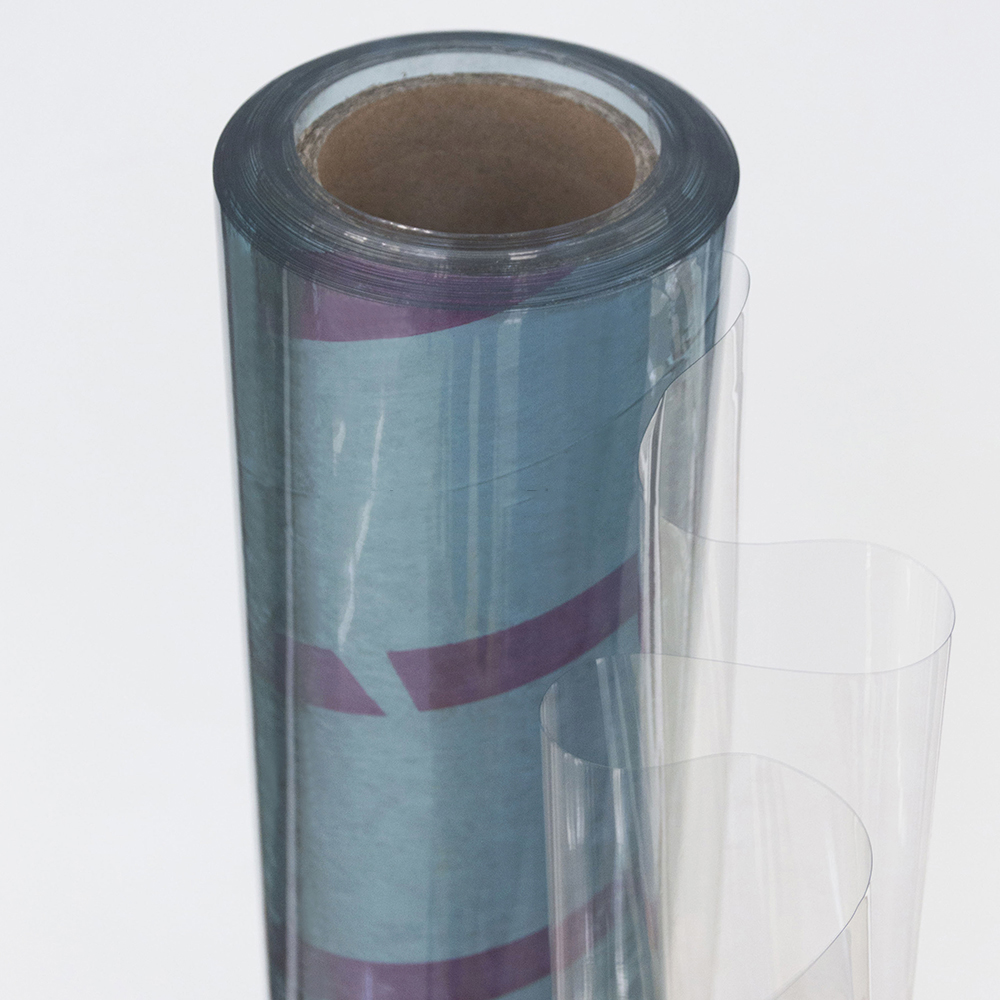
Flexible PVC film has become an indispensable material in the tablecloth manufacturing industry, offering manufacturers a versatile solution that combines durability, aesthetic appeal, and functional performance. This synthetic polymer material undergoes specialized processing to achieve the flexibility, transparency, and surface characteristics required for modern table coverings. Understanding how flexible PVC film is utilized throughout the tablecloth production process reveals why this material dominates both residential and commercial table protection markets, enabling manufacturers to meet diverse consumer demands while maintaining cost-effectiveness and production efficiency.
The application of flexible PVC film in tablecloth manufacturing involves multiple specialized processes that transform raw polymer sheets into finished table coverings suitable for various environments. Manufacturers select specific formulations of flexible PVC film based on end-use requirements, considering factors such as thickness specifications, plasticizer content, surface texture, and additive packages that determine the final product's performance characteristics. The manufacturing methodology directly influences product attributes including stain resistance, heat tolerance, cleaning ease, and longevity, making material selection and processing techniques critical decisions in tablecloth production.
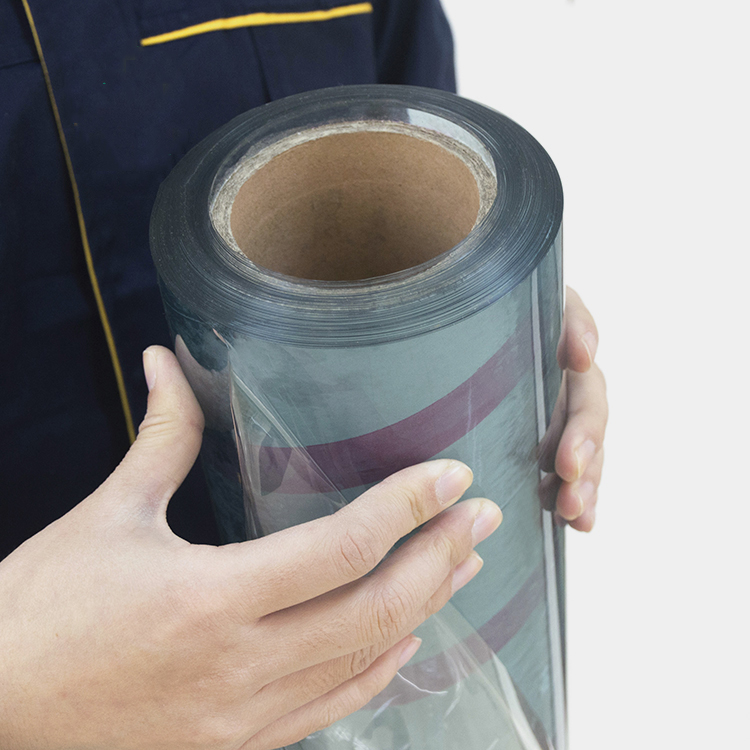
Material Preparation and Base Film Selection
Thickness Classification for Different Tablecloth Types
Tablecloth manufacturers categorize flexible PVC film by thickness specifications that correspond to specific application requirements and market segments. Light-duty residential tablecloths typically utilize flexible PVC film in the range of 0.08 to 0.15 millimeters, providing adequate protection for casual dining while maintaining cost accessibility. Medium-duty applications such as restaurant table coverings employ film thicknesses between 0.15 and 0.30 millimeters, balancing durability with handling characteristics. Heavy-duty commercial and institutional tablecloths require flexible PVC film exceeding 0.30 millimeters, with some industrial applications demanding thicknesses approaching 0.50 millimeters to withstand intensive use cycles and frequent cleaning protocols.
The thickness selection process directly impacts manufacturing operations, as thicker flexible PVC film requires adjusted cutting parameters, modified heat sealing temperatures, and specialized handling equipment. Manufacturers must calibrate production lines to accommodate the mechanical properties of different thickness grades, ensuring consistent cutting precision and edge quality. The gauge uniformity of the base flexible PVC film becomes critical in automated manufacturing environments where dimensional consistency determines production efficiency and finished product quality. Material suppliers typically guarantee thickness tolerances within specific ranges, allowing manufacturers to maintain predictable processing outcomes across production batches.
Surface Texture and Pattern Embossing Selection
The surface characteristics of flexible PVC film significantly influence both the aesthetic appeal and functional performance of manufactured tablecloths. Manufacturers select from various embossing patterns including linen textures, woven simulations, geometric designs, and smooth finishes depending on target market preferences and intended use environments. Textured flexible PVC film surfaces provide enhanced grip characteristics that prevent slippage of dishes and utensils while masking minor surface imperfections and wear patterns. Smooth-finish films offer superior clarity for showcase applications where the underlying table surface remains visible, commonly used in transparent protective table coverings.
The embossing process applied to flexible PVC film occurs during the calendering phase of film production, where heated rollers impart three-dimensional surface patterns into the material. Deep embossing patterns create pronounced texture that influences the tactile experience and visual depth of finished tablecloths, while shallow patterns maintain a more refined appearance suitable for formal dining environments. Manufacturers coordinate with film suppliers to specify custom embossing patterns that differentiate their tablecloth products in competitive markets, creating brand-distinctive surface characteristics. The embossing depth and pattern geometry also affect cleaning efficiency, with certain textures facilitating soil removal while others require specialized maintenance approaches.
Color and Transparency Formulation Considerations
Flexible PVC film for tablecloth manufacturing is available in an extensive color spectrum achieved through masterbatch pigment addition during the compounding process. Manufacturers select color formulations based on market trends, seasonal demand patterns, and specific customer requirements, with transparent and translucent options remaining popular for applications requiring visibility of underlying table surfaces. Opaque colored flexible PVC film provides complete coverage and concealment, suitable for utility applications and environments where surface protection takes priority over aesthetic display. Semi-transparent formulations offer a middle ground, allowing decorative table surfaces to remain partially visible while providing stain concealment benefits.
The pigmentation system used in flexible PVC film affects long-term color stability and resistance to fading under ultraviolet exposure, particularly relevant for tablecloths used in outdoor dining environments or near windows with direct sunlight exposure. High-quality pigment packages maintain color integrity through repeated cleaning cycles and extended service periods, preventing the discoloration and yellowing that compromise product appearance. Manufacturers often specify UV stabilizer additives in flexible PVC film formulations intended for sun-exposed applications, extending the useful service life and maintaining visual appeal. Transparent flexible PVC film formulations require specialized clarity enhancement additives that minimize haze and maintain optical properties throughout the manufacturing process and product lifecycle.
Cutting and Sizing Operations
Automated Cutting Systems for High-Volume Production
Modern tablecloth manufacturing facilities employ computer-controlled cutting systems that process flexible PVC film with precision and efficiency. These automated systems utilize rotary blade cutters, ultrasonic cutting heads, or laser cutting technology to achieve clean edges without material deformation or melting that can occur with inappropriate cutting methods. The feeding mechanisms incorporate tension control systems that maintain consistent material positioning throughout the cutting cycle, preventing dimensional variations that would result in undersized or oversized finished tablecloths. High-volume manufacturers process flexible PVC film in wide rolls, cutting multiple tablecloth units simultaneously through multi-head cutting arrangements that maximize material utilization and production throughput.
The cutting parameters for flexible PVC film require careful optimization based on material thickness, plasticizer content, and ambient temperature conditions. Blade sharpness maintenance becomes critical in sustained production operations, as dulled cutting edges create ragged perimeters and increased material waste. Some manufacturers implement vision inspection systems that verify cut dimensions and edge quality, automatically rejecting units that fall outside specified tolerances. The cutting station design incorporates material handling systems that transport cut pieces to subsequent processing stages while maintaining proper orientation and preventing surface contamination that could affect downstream bonding or finishing operations.
Custom Sizing and Shape Cutting Capabilities
Tablecloth manufacturers differentiate their offerings through custom sizing capabilities that accommodate non-standard table dimensions and specialty applications. Flexible PVC film processing equipment can be programmed to cut rectangular, square, circular, oval, and irregular shapes matching specific table configurations found in commercial and residential settings. Custom-cut tablecloths eliminate the excess material draping associated with standard sizing, creating tailored appearances particularly valued in upscale dining establishments and event venues. The pattern nesting algorithms employed in cutting optimization software minimize material waste when producing mixed-size production runs, improving overall material yield efficiency.
Specialty shape cutting requires flexible PVC film handling systems capable of maintaining material stability during complex cutting paths that involve directional changes and curved profiles. Manufacturers may employ vacuum hold-down tables that secure the film during cutting operations, preventing shifting that would compromise dimensional accuracy. For circular and oval tablecloths, manufacturers calculate cutting patterns that account for the material's characteristic slight shrinkage after cutting, ensuring finished dimensions meet specifications after any post-cut relaxation. The edge treatment following complex shape cutting may require additional finishing operations to achieve smooth perimeters free from stress concentrations that could initiate tearing during use.
Edge Finishing and Reinforcement Techniques
Heat Sealing and Edge Binding Methods
Edge finishing represents a critical manufacturing phase that determines the durability and aesthetic quality of flexible PVC film tablecloths. Heat sealing techniques employ controlled thermal energy to fuse the perimeter edges, creating sealed borders that prevent delamination and fraying. The heat sealing process for flexible PVC film requires precise temperature control, as insufficient heating results in weak bonds while excessive temperatures cause material degradation and discoloration. Automated heat sealing equipment maintains consistent pressure application across the seal width, ensuring uniform bond strength throughout the tablecloth perimeter. Some manufacturers incorporate decorative sealing patterns that create textured edge borders serving both functional and aesthetic purposes.
Edge binding applications involve attaching fabric, vinyl, or specialized trim materials to the flexible PVC film perimeter through adhesive bonding, ultrasonic welding, or mechanical stitching processes. Binding materials add thickness and weight to tablecloth edges, improving drape characteristics and preventing edge curling that can occur with unfinished perimeters. The binding material selection considers color coordination, texture compatibility, and durability requirements specific to the intended application environment. High-frequency welding technology enables manufacturers to simultaneously cut and seal flexible PVC film edges in single-pass operations, reducing production cycle times while maintaining consistent edge quality. The welded edge regions exhibit enhanced tear resistance compared to raw cut edges, extending product service life in demanding use conditions.
Reinforcement Strip Integration for Heavy-Duty Applications
Commercial and institutional tablecloth applications often require reinforcement integration to withstand intensive handling and extended service cycles. Manufacturers incorporate reinforcement strips of thicker flexible PVC film or fabric-backed vinyl along tablecloth edges and at stress concentration points such as corners. The reinforcement attachment employs adhesive lamination or thermal bonding techniques that create permanent unions capable of withstanding repeated flexing and tension forces. Strategic reinforcement placement prevents edge tearing and extends replacement intervals in high-traffic food service environments where tablecloths undergo frequent removal and reinstallation.
The reinforcement design for flexible PVC film tablecloths balances added durability against thickness buildup that affects folding characteristics and storage efficiency. Tapered reinforcement profiles minimize abrupt thickness transitions that could create visible lines or creases in the finished tablecloth. Some manufacturers employ double-layer construction techniques where two sheets of flexible PVC film are laminated with adhesive interlayers, creating composite structures with enhanced puncture resistance and dimensional stability. The reinforced construction proves particularly valuable in outdoor dining applications where wind forces and environmental exposure create additional stress demands on table covering materials.
Surface Treatment and Functional Enhancement
Antimicrobial and Hygiene Coatings
Food service applications drive demand for flexible PVC film tablecloths incorporating antimicrobial surface treatments that inhibit bacterial growth and support sanitation protocols. These functional coatings employ silver ion technology, quaternary ammonium compounds, or other biocidal agents that remain active throughout the product lifecycle. The antimicrobial treatment application occurs through topical coating processes or integration into the flexible PVC film formulation during compounding, with each approach offering distinct performance characteristics and durability profiles. Surface-applied antimicrobial coatings provide immediate protective effects but may diminish through repeated cleaning, while incorporated additives maintain consistent activity levels throughout the material thickness.
Healthcare and institutional food service environments particularly value antimicrobial flexible PVC film tablecloths that contribute to infection control strategies and regulatory compliance requirements. The efficacy testing for antimicrobial treatments follows standardized protocols measuring bacterial reduction rates under specified contact conditions. Manufacturers document antimicrobial performance claims through third-party laboratory testing, providing certification that supports marketing assertions and customer specification requirements. The antimicrobial treatment compatibility with cleaning agents commonly used in commercial environments becomes essential, as certain disinfectants may degrade protective coatings or reduce their effectiveness over time.
Stain Resistance and Easy-Clean Surface Technologies
Advanced surface treatments enhance the inherent stain resistance of flexible PVC film, creating tablecloth products that maintain appearance through extensive use cycles. These treatments modify surface energy characteristics, reducing the adherence of oils, sauces, beverages, and other common food-related contaminants. Fluoropolymer-based coatings create hydrophobic and oleophobic surfaces that cause liquids to bead and roll off rather than spreading and penetrating into surface texture. The easy-clean surface properties reduce maintenance labor requirements in commercial settings while extending the aesthetic service life of tablecloths in residential applications.
The durability of stain-resistant treatments on flexible PVC film depends on coating adhesion strength and resistance to mechanical abrasion during cleaning operations. High-quality surface treatments withstand repeated wiping with various cleaning solutions without degrading or losing effectiveness. Some manufacturers employ plasma treatment processes that chemically modify the flexible PVC film surface at the molecular level, creating permanent stain-resistant characteristics rather than relying on topical coatings that may wear away. The cleanability testing protocols evaluate soil removal efficiency, staining resistance to specific substances, and appearance retention after simulated use cycles, providing quantifiable performance metrics that support product claims and customer expectations.
Anti-Slip and Grip Enhancement Applications
Safety considerations in food service environments drive the incorporation of anti-slip treatments on flexible PVC film tablecloths that prevent dishes, glassware, and utensils from sliding during service and dining activities. These grip-enhancement technologies employ textured coatings, raised patterns, or specialized surface formulations that increase the coefficient of friction between the tablecloth surface and items placed upon it. The anti-slip characteristics must be balanced against cleanability requirements, as aggressive textures that provide excellent grip may trap soil and complicate cleaning procedures.
Manufacturers test anti-slip performance using standardized protocols that measure static and dynamic friction coefficients under various conditions including dry surfaces, moisture presence, and contamination with common food substances. The grip enhancement treatments maintain effectiveness throughout typical product service lives without creating abrasive surfaces that could damage fine dinnerware or create user discomfort. Some flexible PVC film formulations incorporate slip-resistant additives throughout the material thickness rather than relying solely on surface treatments, ensuring consistent performance even as surface wear occurs through extended use. The combination of appropriate surface texture selection in the base flexible PVC film with targeted anti-slip treatments creates optimal performance profiles for specific application requirements.
Quality Control and Performance Verification
Physical Property Testing Protocols
Tablecloth manufacturers implement comprehensive quality control procedures to verify that flexible PVC film products meet specified performance standards. Physical property testing evaluates characteristics including tensile strength, elongation at break, tear resistance, and dimensional stability under thermal cycling. The testing protocols follow industry-standard methodologies that provide reproducible results enabling performance comparisons across material suppliers and production batches. Tensile testing measures the force required to break flexible PVC film specimens under controlled extension rates, revealing material strength and ductility characteristics that influence product durability in use conditions.
Tear resistance testing proves particularly relevant for tablecloth applications where edge failures and propagating rips represent common failure modes. The trouser tear and Elmendorf tear test methods quantify the energy required to initiate and propagate tears through flexible PVC film specimens, providing metrics that correlate with field performance. Manufacturers establish minimum acceptable values for these physical properties based on intended application severity and expected service life requirements. Dimensional stability testing subjects flexible PVC film samples to elevated temperatures matching typical cleaning and exposure conditions, measuring shrinkage or expansion that could affect tablecloth fit and appearance over time.
Chemical Resistance and Cleanability Evaluation
The chemical resistance of flexible PVC film tablecloths determines their suitability for environments involving exposure to cleaning agents, food acids, oils, and other potentially reactive substances. Testing protocols expose material specimens to common household and commercial cleaning solutions for specified durations, then evaluate changes in appearance, mechanical properties, and dimensional characteristics. High-quality flexible PVC film formulations maintain integrity when exposed to diluted bleach solutions, quaternary ammonium disinfectants, alcohol-based cleaners, and alkaline degreasers commonly used in food service sanitation protocols.
Cleanability testing employs standardized soil application procedures followed by cleaning attempts using defined methods and cleaning agents. The ease of soil removal and degree of staining remaining after cleaning cycles provide quantifiable measures of tablecloth maintenance requirements and long-term appearance retention. Manufacturers may conduct accelerated aging tests that simulate extended use through repeated soiling and cleaning cycles, revealing performance degradation patterns and establishing realistic service life expectations. The chemical resistance testing results guide customer selection processes and inform maintenance procedure recommendations that optimize product performance and longevity.
Safety and Regulatory Compliance Verification
Flexible PVC film tablecloths intended for food contact applications must undergo testing to verify compliance with relevant food safety regulations governing migration of chemical constituents into food products. In the United States, manufacturers ensure compliance with Food and Drug Administration regulations for food contact substances, while European markets require conformity with EU framework regulations. The migration testing subjects flexible PVC film specimens to food simulants representing different food types under specified time and temperature conditions, then analyzes the simulants for extractable substances exceeding regulatory limits.
Fire safety testing becomes mandatory for tablecloths used in commercial and institutional settings, with requirements varying by jurisdiction and building occupancy classification. The testing evaluates flame spread characteristics, ignition resistance, and combustion properties under standardized test conditions. Many commercial tablecloth specifications require flexible PVC film formulations incorporating flame retardant additives that achieve specific classifications such as Class A fire ratings or meeting NFPA 701 standards. Manufacturers maintain documentation demonstrating regulatory compliance through third-party testing laboratory reports, supporting customer procurement requirements and building code adherence. The certification process for food contact and fire safety compliance requires periodic retesting when formulations change or production facilities are modified, ensuring ongoing conformity throughout product commercialization.
FAQ
What thickness of flexible PVC film is most commonly used for residential tablecloths?
Residential tablecloths typically utilize flexible PVC film in the thickness range of 0.10 to 0.20 millimeters, which provides adequate protection for everyday dining while maintaining cost-effectiveness and ease of handling. This thickness range offers sufficient durability for typical household use patterns including occasional spills, daily cleaning, and periodic laundering or wiping. Thinner films around 0.08 to 0.10 millimeters serve budget-conscious applications and disposable table coverings, while thicker residential grades approaching 0.20 to 0.25 millimeters target consumers seeking extended service life and enhanced protection for valuable table surfaces. The optimal thickness selection balances protection requirements, aesthetic preferences, storage considerations, and budget constraints specific to individual household needs.
How does flexible PVC film compare to fabric tablecloths in commercial food service applications?
Flexible PVC film tablecloths offer significant advantages in commercial food service environments compared to traditional fabric alternatives, primarily through superior liquid resistance, simplified cleaning procedures, and reduced maintenance costs. Unlike fabric tablecloths that absorb spills and require laundering after each service period, flexible PVC film surfaces repel liquids and can be wiped clean between uses, eliminating laundry expenses and enabling rapid table turnover. The non-porous nature of flexible PVC film prevents bacterial harboring and facilitates sanitation protocol compliance, addressing critical hygiene concerns in food service operations. However, fabric tablecloths may be preferred in upscale dining establishments where traditional aesthetics and tactile qualities outweigh the practical advantages of flexible PVC film, demonstrating that material selection depends on specific operational priorities, target market positioning, and service style considerations.
Can flexible PVC film tablecloths withstand high-temperature exposure from hot dishes and cookware?
Standard flexible PVC film formulations typically withstand brief contact with warm dishes and moderate heat exposure without permanent damage, though they are not designed for direct contact with extremely hot cookware or temperatures exceeding approximately 60 to 70 degrees Celsius. Prolonged exposure to high temperatures can cause flexible PVC film to soften, deform, or develop permanent impressions from hot items placed directly on the surface. Manufacturers recommend using trivets, hot pads, or heat-resistant mats under extremely hot cookware to protect flexible PVC film tablecloths from thermal damage. Some specialized formulations incorporate heat-stabilizing additives that enhance temperature resistance for applications involving regular exposure to elevated temperatures, though even these enhanced materials have practical limits. The heat tolerance of specific flexible PVC film products depends on plasticizer selection, additive packages, and formulation design, with manufacturers providing temperature guidance for proper use and care.
What maintenance procedures extend the service life of flexible PVC film tablecloths?
Proper maintenance significantly extends the functional and aesthetic service life of flexible PVC film tablecloths through practices that preserve material integrity and surface characteristics. Regular cleaning with mild soap solutions or approved cleaning agents removes soil before it can cause staining or surface degradation, while prompt attention to spills prevents penetration into textured surfaces. Avoiding harsh abrasive cleaners and rough scrubbing implements protects surface treatments and minimizes scratching that degrades appearance. Storage practices also affect longevity, with manufacturers recommending hanging or rolling rather than tight folding to prevent permanent creases in flexible PVC film. Temperature extremes during storage should be avoided, as very cold conditions can cause brittleness while excessive heat may promote plasticizer migration. For commercial applications involving intensive use, establishing scheduled replacement intervals based on appearance standards and performance requirements ensures consistent quality presentation while maximizing the useful service obtained from each tablecloth investment.
Table of Contents
- Material Preparation and Base Film Selection
- Cutting and Sizing Operations
- Edge Finishing and Reinforcement Techniques
- Surface Treatment and Functional Enhancement
- Quality Control and Performance Verification
-
FAQ
- What thickness of flexible PVC film is most commonly used for residential tablecloths?
- How does flexible PVC film compare to fabric tablecloths in commercial food service applications?
- Can flexible PVC film tablecloths withstand high-temperature exposure from hot dishes and cookware?
- What maintenance procedures extend the service life of flexible PVC film tablecloths?