normal clear pvc film
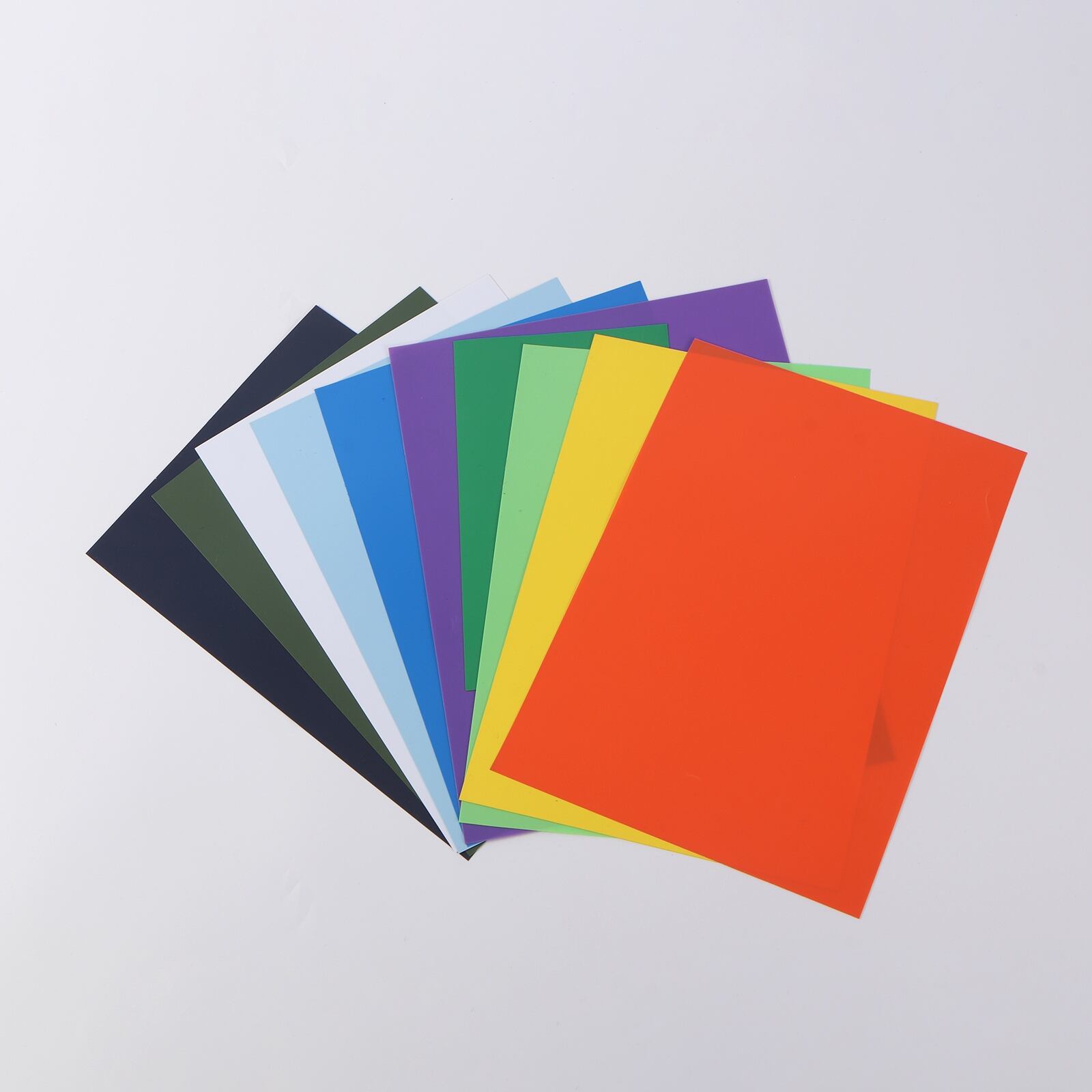
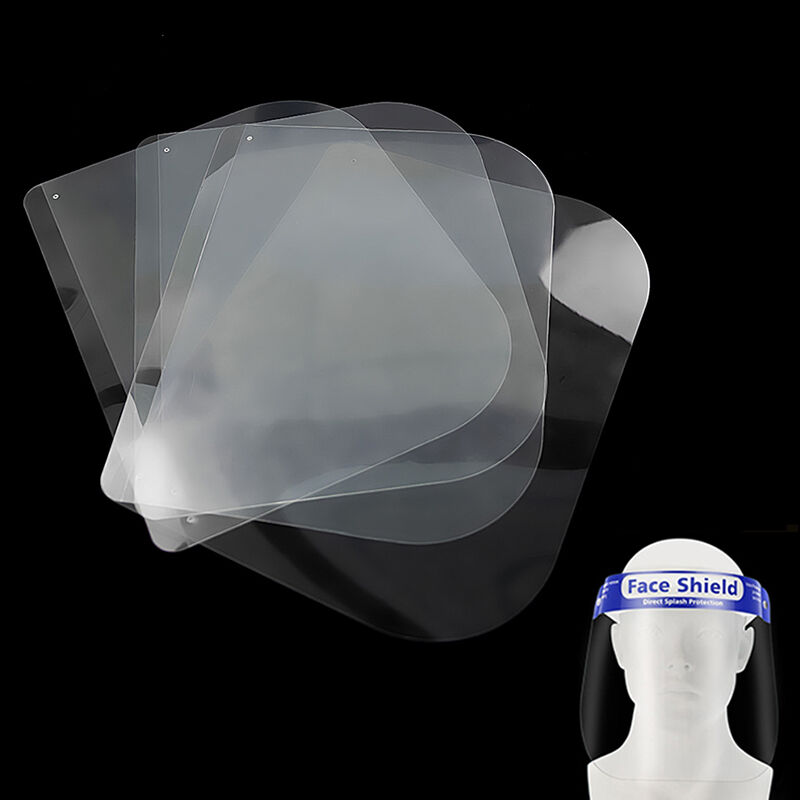
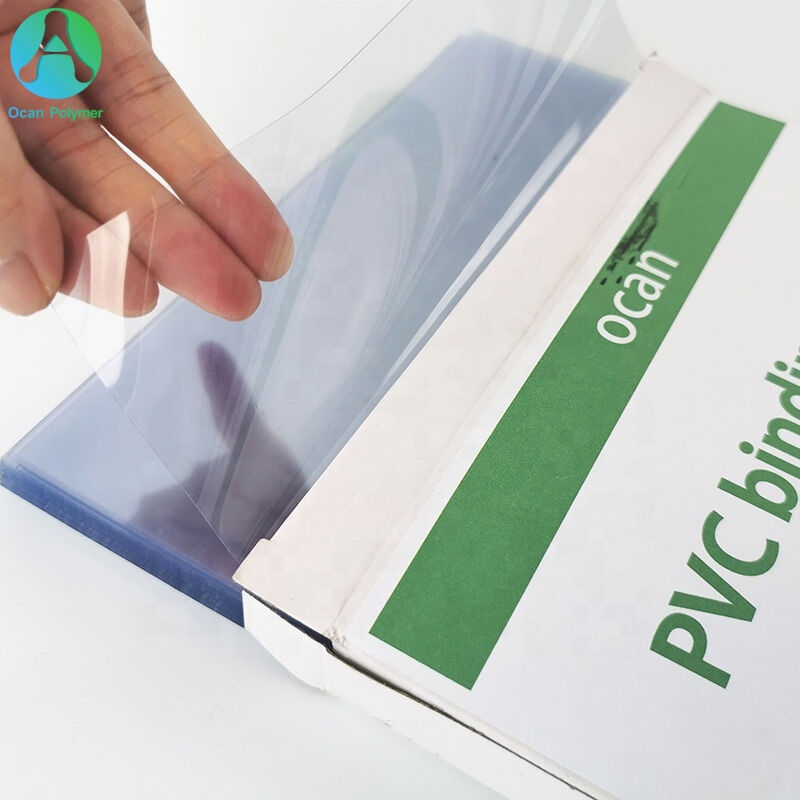
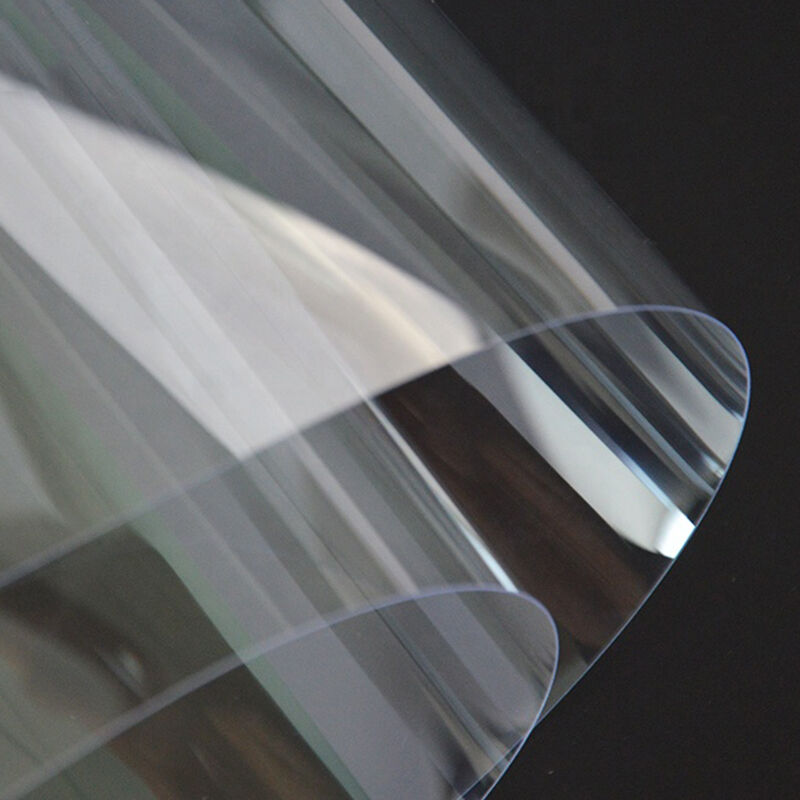
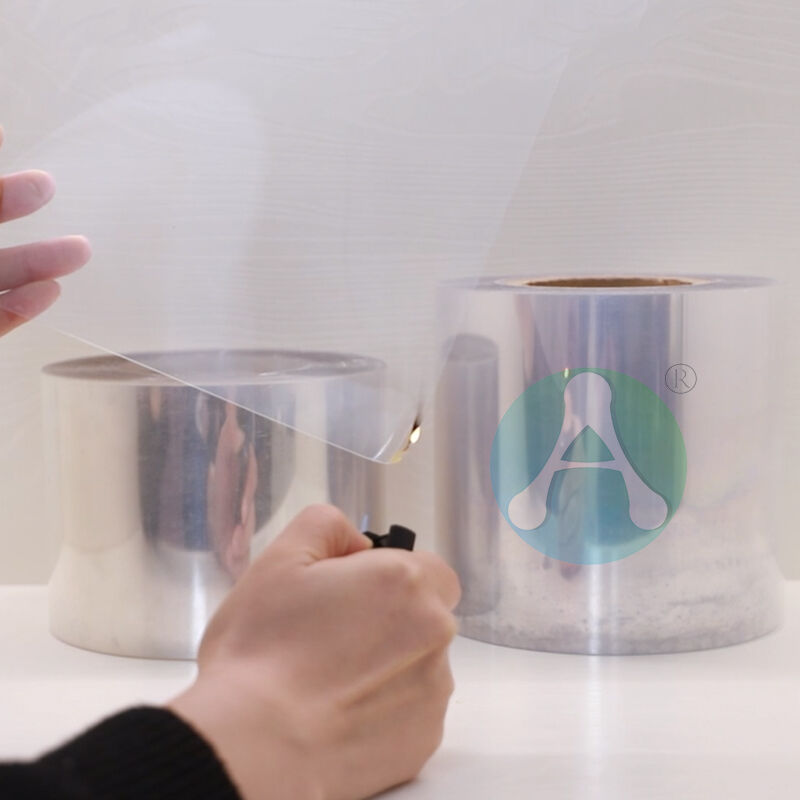
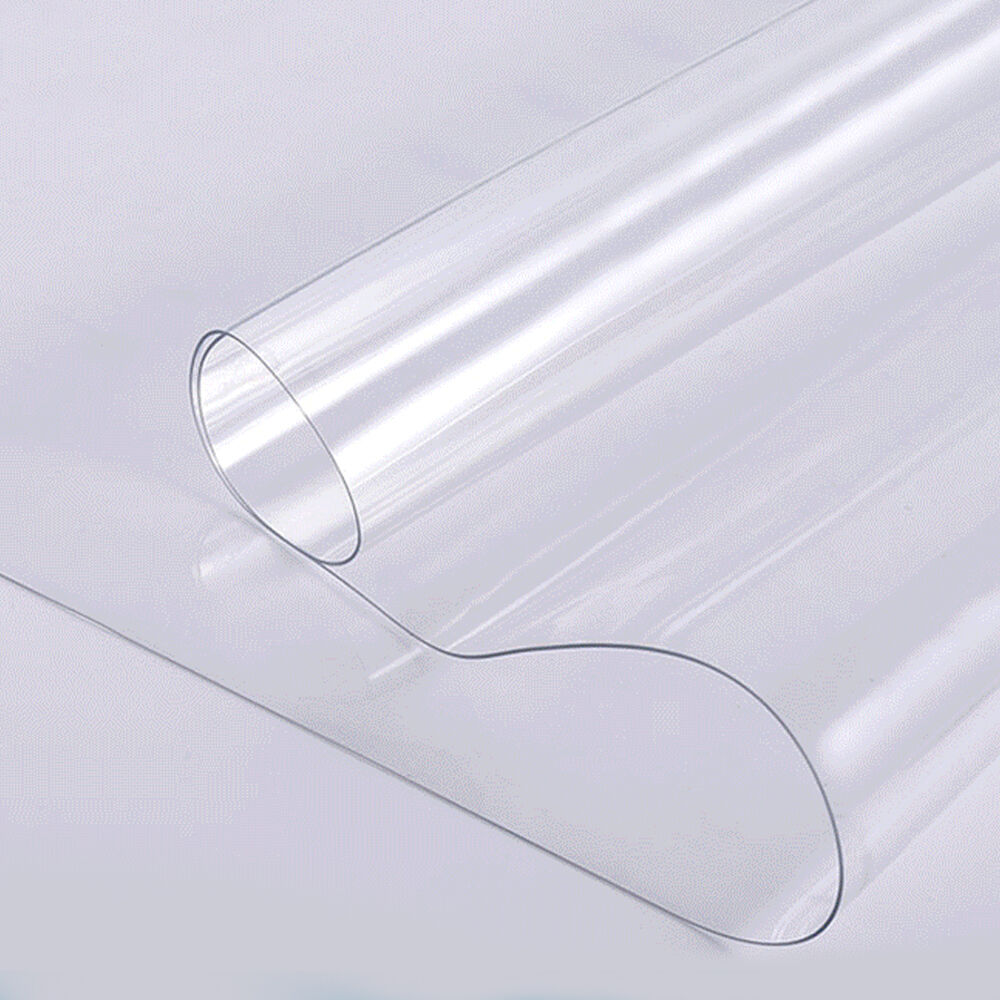
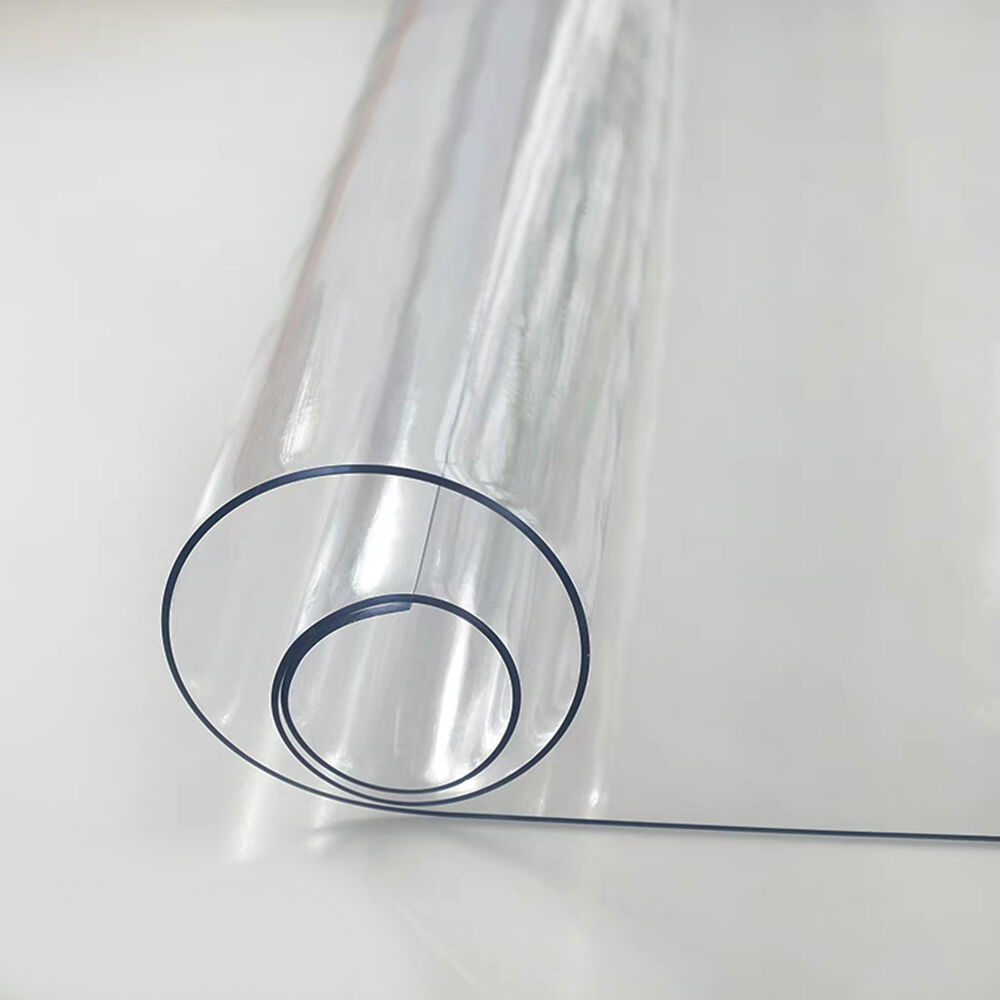
Normal clear pvc film represents a versatile and widely utilized plastic material that has become indispensable across numerous industries and everyday applications. This transparent thermoplastic polymer is manufactured through a specialized process that combines polyvinyl chloride resin with plasticizers and stabilizers to create a flexible, durable sheet material with exceptional clarity. The normal clear pvc film stands out for its remarkable balance of physical properties, cost-effectiveness, and ease of processing, making it a preferred choice for manufacturers, retailers, and consumers alike. The primary functions of normal clear pvc film include protective packaging, surface covering, and display applications where transparency is essential. Its technological features encompass excellent optical clarity that allows for unobstructed viewing of packaged products, superior flexibility that enables easy wrapping and forming around various shapes, and dependable moisture resistance that shields contents from environmental factors. The material exhibits good tensile strength and tear resistance, ensuring that it maintains integrity during handling and transportation. Normal clear pvc film also demonstrates notable printability, allowing for custom branding and information display directly on the surface. The applications of this material span diverse sectors including food packaging, stationery production, pharmaceutical packaging, construction materials, and retail display solutions. In food service, normal clear pvc film protects perishable items while maintaining product visibility. The packaging industry relies on this material for creating blister packs, protective sleeves, and shrink wrap solutions. Educational and office supply manufacturers utilize normal clear pvc film for producing book covers, document protectors, and organizational accessories. The construction sector employs it for temporary protective barriers and window applications. Its adaptability to various fabrication methods such as cutting, sealing, and thermoforming further expands its utility across manufacturing processes, solidifying its position as a fundamental material in modern production and packaging operations.
 EN
EN