 EN
EN

Advertising light boxes and sign boards are essential visual communication tools in modern commercial environments, found everywhere from shopping malls and airports to storefronts and exhibition halls. The material chosen for these applications must meet demanding requirements: optical clarity, structural durability, weather resistance, ease of fabrication, and cost-effectiveness. Among the various transparent and semi-transparent materials available, acrylic sheet has emerged as the dominant choice for manufacturers and designers worldwide. Understanding why this particular material has become the industry standard reveals important considerations about performance, economics, and practical implementation in professional signage applications.
The widespread adoption of acrylic sheet in advertising light boxes and sign boards stems from a combination of optical superiority, physical resilience, and manufacturing advantages that collectively address the core challenges of outdoor and indoor commercial signage. Unlike alternative materials such as polycarbonate or glass, acrylic sheet delivers exceptional light transmission efficiency while maintaining structural integrity under diverse environmental conditions. This material enables uniform illumination, vibrant color rendering, and long-term visual consistency that directly impacts advertising effectiveness and brand visibility. For businesses investing in permanent or semi-permanent signage infrastructure, the selection of acrylic sheet represents a strategic decision grounded in measurable performance benefits and total cost of ownership considerations.
Superior Optical Properties for Enhanced Visual Impact
Exceptional Light Transmission Efficiency
The primary reason acrylic sheet dominates advertising light box applications is its outstanding light transmission capability, typically reaching 92 to 93 percent for clear grades. This optical performance surpasses most competing transparent materials and approaches the clarity of optical-grade glass. In illuminated signage systems, high light transmission directly translates to reduced energy consumption and improved visual brightness. Light boxes fabricated with acrylic sheet require fewer lumens from internal LED or fluorescent sources to achieve the same perceived brightness as comparable structures using materials with lower transmission rates. This efficiency becomes particularly significant in large-format installations where lighting costs represent a substantial operational expense over the product lifecycle.
The molecular structure of polymethyl methacrylate, the chemical basis of acrylic sheet, contributes to its optical superiority. The material exhibits minimal light scattering and absorption across the visible spectrum, ensuring that illumination passes through the substrate with minimal loss. This characteristic enables sign designers to achieve uniform brightness distribution across large panel surfaces without visible hot spots or dark zones. For advertising applications where consistent illumination is critical to brand presentation and message legibility, the light transmission properties of acrylic sheet provide a fundamental technical advantage that directly supports marketing objectives.
Color Fidelity and Rendering Accuracy
Beyond simple transmission efficiency, acrylic sheet maintains excellent color neutrality, meaning it does not introduce unwanted color shifts or distortions to transmitted or reflected light. This property is essential in advertising contexts where precise color reproduction supports brand identity standards and visual consistency across multiple locations. When graphics, logos, or photographic images are applied to acrylic sheet surfaces or backlit through the material, the original color specifications remain true to design intent. Polycarbonate alternatives, while offering greater impact resistance, often exhibit slight yellowing or color shift, particularly after extended UV exposure, which compromises visual fidelity over time.
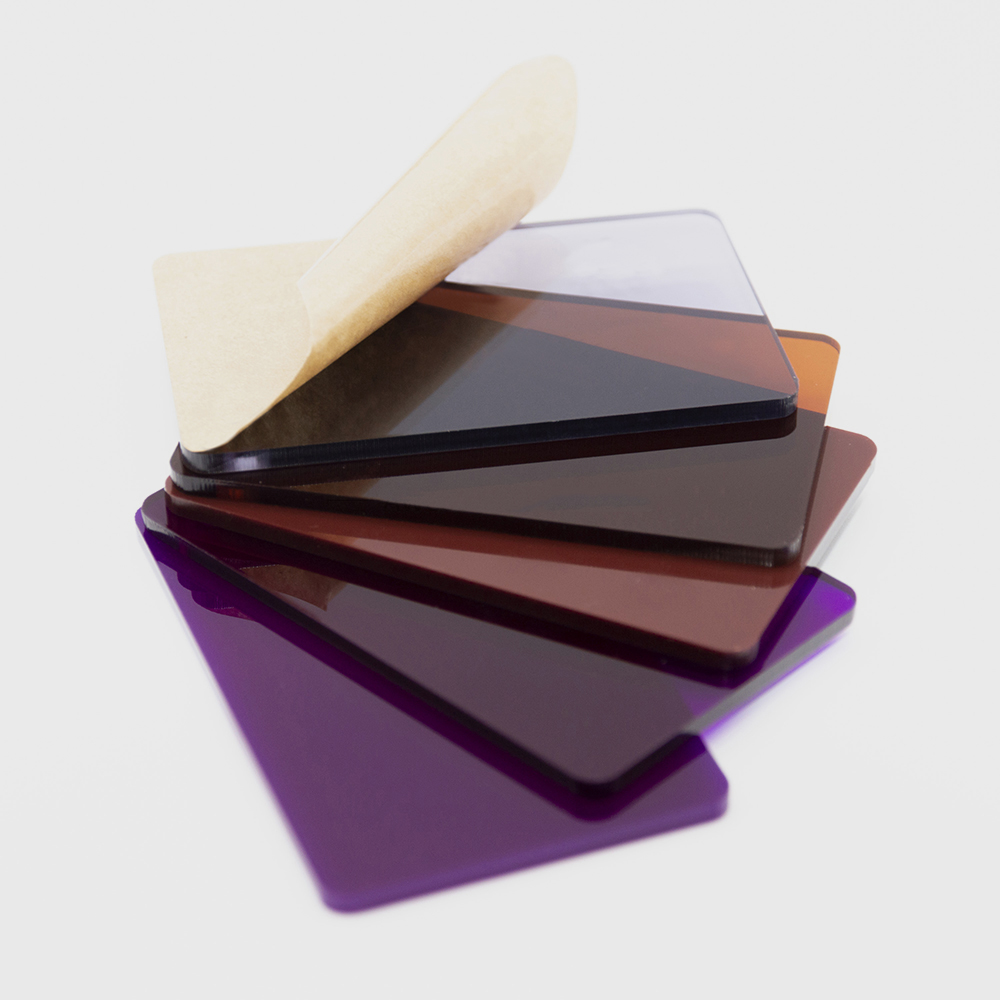
The color stability of acrylic sheet extends to both clear and pigmented formulations. Manufacturers offer acrylic sheet in a comprehensive range of transparent, translucent, and opaque colors, all engineered to maintain their spectral characteristics throughout the material's service life. For illuminated sign boards requiring colored backgrounds or decorative elements, acrylic sheet provides consistent hue and saturation that resists fading under continuous light exposure. This reliability is particularly valuable for brand-critical applications where color consistency across multiple installations is non-negotiable, such as corporate identity signage at franchise locations or retail chain storefronts.
Surface Finish and Reflection Control
The surface quality of acrylic sheet contributes significantly to its effectiveness in advertising applications. Standard extruded and cast acrylic sheet products feature smooth, glossy surfaces that enhance visual appeal and facilitate effective graphics application. The material can also be manufactured with specialized surface treatments, including matte finishes, textured patterns, or anti-glare coatings, enabling designers to control light reflection and viewing angle characteristics. For outdoor light boxes positioned in high-ambient-light environments, these surface modifications help minimize unwanted glare while preserving internal illumination visibility.
The inherent surface hardness of acrylic sheet, rated higher than most competing plastics, provides natural resistance to minor scratches and abrasions that can accumulate during fabrication, installation, and service life. This durability helps maintain optical clarity and professional appearance over extended periods, reducing the frequency of replacement or refurbishment. When combined with its excellent cleanability using standard commercial cleaning solutions, acrylic sheet offers practical maintenance advantages that contribute to lower total cost of ownership in commercial signage applications.
Structural and Environmental Performance Characteristics
Weather Resistance and Outdoor Durability
Advertising light boxes and sign boards frequently operate in exposed outdoor environments where they face continuous weathering from UV radiation, temperature fluctuations, moisture, and atmospheric pollutants. The inherent weather resistance of acrylic sheet makes it exceptionally suitable for these demanding applications. Unlike unprotected polycarbonate, which degrades under prolonged UV exposure, acrylic sheet maintains its optical and mechanical properties for extended periods, typically ten years or more in most climatic zones. The material resists yellowing, hazing, and brittleness that compromise both appearance and structural integrity in outdoor signage.
Temperature stability represents another critical advantage of acrylic sheet in exterior applications. The material performs reliably across a broad temperature range, from approximately negative forty degrees Celsius to positive eighty degrees Celsius, encompassing the thermal conditions encountered in most geographic markets. This thermal stability ensures that light boxes maintain dimensional accuracy and optical clarity through seasonal temperature cycles without warping, cracking, or developing stress-related optical distortions. For signage installations in regions with extreme climates, the predictable thermal behavior of acrylic sheet simplifies structural design and reduces the risk of premature failure.
Moisture and Chemical Resistance
The non-porous surface structure of acrylic sheet provides excellent resistance to moisture absorption, a critical property for maintaining dimensional stability and optical clarity in humid environments. Unlike some alternative materials that absorb atmospheric moisture and subsequently swell or develop haze, acrylic sheet remains dimensionally stable across varying humidity conditions. This characteristic is particularly important for illuminated signage in coastal regions, tropical climates, or indoor environments with high humidity levels such as shopping centers and transportation terminals.
Chemical resistance further extends the service life of acrylic sheet in advertising applications. The material withstands exposure to most atmospheric pollutants, cleaning agents, and typical environmental contaminants without surface degradation or loss of optical properties. This resilience enables regular maintenance and cleaning using standard commercial products without risk of damaging the substrate. However, fabricators and maintenance personnel must exercise appropriate caution with certain solvents and strong chemicals that can affect acrylic sheet, following manufacturer guidelines to ensure compatibility and prevent inadvertent damage during fabrication or service operations.
Impact Resistance and Safety Considerations
While acrylic sheet does not match the extreme impact resistance of polycarbonate, it provides adequate strength for the majority of advertising light box and sign board applications. The material exhibits significantly higher impact resistance than glass, reducing the risk of catastrophic failure from accidental impacts or minor vandalism. For installations in protected environments such as interior mall spaces, airport concourses, or elevated exterior mounting positions, the impact resistance of acrylic sheet proves entirely sufficient while delivering superior optical performance compared to more impact-resistant but optically compromised alternatives.
The failure mode of acrylic sheet, when subjected to extreme impacts exceeding its design limits, produces larger fragments with less sharp edges compared to glass, reducing potential safety hazards. This characteristic, combined with appropriate structural design and secure mounting systems, enables safe deployment in most commercial environments. For applications requiring enhanced impact resistance due to security concerns or high-risk locations, manufacturers can specify thicker gauge acrylic sheet or incorporate protective glazing strategies while maintaining the fundamental optical advantages that make the material ideal for illuminated advertising.
Fabrication Advantages and Design Flexibility
Thermoforming and Three-Dimensional Shaping
One of the most significant advantages of acrylic sheet in advertising applications is its exceptional thermoformability, enabling the creation of complex three-dimensional shapes and curved surfaces that enhance visual impact and design flexibility. When heated to its forming temperature, typically between 160 and 180 degrees Celsius, acrylic sheet becomes pliable and can be shaped using vacuum forming, drape forming, or pressure forming techniques. This capability allows sign manufacturers to produce distinctive curved light box faces, dimensional letter forms, and sculptural design elements that differentiate premium advertising installations from conventional flat-panel signage.
The thermoforming process with acrylic sheet produces stable, permanent shapes that maintain dimensional accuracy throughout the product's service life. Unlike some thermoplastics that exhibit memory effect or gradual shape relaxation, properly formed acrylic sheet retains its molded configuration indefinitely under normal operating temperatures. This stability is essential for maintaining the precise optical geometries required in illuminated signage, where dimensional changes could create uneven light distribution or visual distortion. The ability to create complex forms from acrylic sheet enables designers to develop signature architectural signage elements that serve both functional and aesthetic roles in commercial environments.
Cutting, Machining, and Joining Methods
Acrylic sheet accommodates a wide range of fabrication processes using standard industrial equipment, facilitating efficient manufacturing and customization. The material can be cut accurately using CNC routers, laser cutting systems, or conventional saws, enabling precise dimensional control and complex geometric patterns. Laser cutting proves particularly advantageous for acrylic sheet, producing clean, polished edges that often require no additional finishing, reducing fabrication time and labor costs. For advertising light boxes requiring intricate cutout patterns, decorative borders, or dimensional lettering, the machinability of acrylic sheet enables cost-effective production of custom designs.
Joining acrylic sheet components through solvent cementing or adhesive bonding creates strong, optically clear seams that become virtually invisible in properly executed assemblies. This capability enables the construction of large-format light boxes and sign boards from multiple panels while maintaining visual continuity across seam lines. Solvent cement creates a chemical weld that approaches the strength of the parent material, providing structural integrity comparable to monolithic construction. For applications requiring disassembly or field service, mechanical fastening systems can be employed with appropriate reinforcement and stress distribution design considerations.
Graphics Application and Surface Decoration
The surface characteristics of acrylic sheet make it highly compatible with various graphics application methods commonly used in commercial signage. Screen printing, digital printing, vinyl graphics, and direct-to-substrate UV printing all bond effectively to properly prepared acrylic sheet surfaces. The material accepts standard adhesion promoters and surface treatments that ensure long-term graphics durability under outdoor exposure conditions. For backlit applications, translucent vinyl films or direct printing on the reverse surface of acrylic sheet enable vibrant, evenly illuminated graphics that maximize visual impact while protecting graphic elements from environmental exposure.
The dimensional stability of acrylic sheet during graphics application prevents registration issues and material distortion that can compromise print quality on less stable substrates. Large-format graphics applied to acrylic sheet maintain accurate alignment and consistent appearance without the rippling, edge lifting, or surface irregularities that sometimes affect flexible banner materials or dimensionally unstable substrates. This reliability is particularly important for high-resolution photographic imagery and precision brand graphics where any distortion or inconsistency undermines the intended visual impact and perceived quality of the advertising message.
Economic Considerations and Total Cost Analysis
Material Cost Efficiency
The commercial pricing structure of acrylic sheet positions it as a cost-effective solution for advertising light boxes and sign boards when evaluated on a performance-adjusted basis. While premium grades and specialty formulations command higher prices, standard commercial-grade acrylic sheet typically costs less than equivalent optical-quality alternatives such as polycarbonate or laminated glass. The material is available in a comprehensive range of sheet sizes and thicknesses, enabling efficient material utilization and minimizing waste during fabrication. Volume purchasing and standardized specifications further reduce material costs for sign manufacturers producing multiple units or maintaining consistent product lines.
The weight advantage of acrylic sheet compared to glass translates directly into reduced shipping and handling costs, particularly for large-format panels used in prominent advertising installations. Transportation expenses for glass panels can represent a significant portion of total project costs, especially for projects involving multiple locations or international shipment. The lighter weight of acrylic sheet also simplifies installation procedures and reduces structural support requirements, contributing to lower overall project costs. When evaluated on a total delivered cost basis, acrylic sheet frequently proves more economical than heavier alternatives despite potential differences in raw material pricing.
Energy Efficiency and Operational Savings
The superior light transmission efficiency of acrylic sheet directly impacts operational energy costs for illuminated advertising signage throughout its service life. Light boxes fabricated with acrylic sheet require less installed lighting capacity to achieve specified brightness levels, reducing both initial electrical infrastructure costs and ongoing power consumption. For retail chains, transportation facilities, or commercial developments operating hundreds or thousands of illuminated signs, these efficiency gains accumulate into substantial operational savings over multi-year service periods. The energy advantage becomes increasingly significant as electricity costs rise and sustainability objectives drive corporate decision-making.
Modern LED lighting systems, when combined with the optical efficiency of acrylic sheet, create highly efficient illuminated signage solutions that minimize power consumption while maximizing visual impact. The excellent light diffusion properties of certain acrylic sheet formulations enable even illumination with relatively simple internal lighting configurations, reducing the number of required light sources and associated electrical components. This simplification not only lowers initial installation costs but also reduces potential failure points and maintenance requirements over the system's operational lifetime.
Lifecycle Cost and Replacement Considerations
The extended service life of properly specified acrylic sheet in advertising applications contributes to favorable lifecycle cost analysis compared to materials requiring more frequent replacement. Quality acrylic sheet maintains acceptable appearance and performance for ten to fifteen years in typical outdoor installations, and even longer in protected indoor environments. This durability reduces the frequency of replacement cycles and associated costs for material procurement, fabrication labor, installation services, and business disruption. For permanent or semi-permanent signage installations representing significant capital investments, the long-term reliability of acrylic sheet provides predictable lifecycle costs and reduces financial uncertainty.
Maintenance requirements for acrylic sheet signage remain modest throughout the service life, typically limited to periodic cleaning and occasional minor repairs. The material resists most forms of environmental degradation that require intervention, and its stable optical properties eliminate the need for frequent monitoring or corrective actions. When replacement eventually becomes necessary due to extended service or accidental damage, the recyclability of acrylic sheet supports sustainable disposal practices and may provide residual value recovery. Several industrial recycling programs accept post-consumer acrylic sheet for reprocessing into secondary products, aligning with corporate sustainability objectives while potentially offsetting disposal costs.
Application-Specific Performance in Advertising Contexts
Interior Commercial Environments
In interior retail, hospitality, and corporate environments, acrylic sheet light boxes and sign boards deliver exceptional visual performance under controlled ambient conditions. The material's optical clarity and uniform illumination characteristics create premium brand presentations in shopping centers, hotel lobbies, airport terminals, and corporate reception areas. Interior applications benefit from reduced environmental stress compared to outdoor installations, enabling thinner gauge specifications and more aggressive design approaches including large unsupported spans and minimalist structural frameworks. The clean, contemporary aesthetic of acrylic sheet signage aligns with modern interior design trends emphasizing transparency, light, and visual lightness.
The fire performance characteristics of acrylic sheet meet building code requirements for most interior commercial applications, though designers must verify compliance with local regulations and specific occupancy classifications. Standard acrylic sheet is classified as a combustible material but exhibits predictable burning characteristics that enable safe use in properly designed installations incorporating appropriate separation from ignition sources and compliance with applicable fire safety standards. For applications requiring enhanced fire resistance, manufacturers offer flame-retardant acrylic sheet formulations that meet more stringent regulatory requirements while maintaining essential optical and fabrication properties.
Exterior Facade and Monument Signage
Prominent exterior sign installations at commercial developments, corporate campuses, and retail centers increasingly feature acrylic sheet as the primary transparent or translucent element. These high-visibility applications demand materials that maintain appearance and performance under continuous environmental exposure while supporting sophisticated design concepts. Large-format monument signs, building-mounted light boxes, and architectural signage elements utilize acrylic sheet for its combination of optical performance, structural capability, and design flexibility. The material enables dramatic day-and-night visual impact, with excellent readability in bright sunlight and luminous presence during evening hours when internal illumination activates.
The dimensional stability of acrylic sheet under thermal cycling prevents the warping and distortion issues that can compromise the appearance of large exterior sign faces. Proper structural design incorporating appropriate thermal expansion accommodation and secure mounting systems ensures long-term dimensional accuracy and prevents stress-related failures. For coastal installations or industrial environments with elevated atmospheric contamination, the chemical resistance and cleanability of acrylic sheet maintain professional appearance with routine maintenance procedures. The material's proven track record in demanding exterior applications provides confidence for designers and building owners investing in prominent signature signage elements.
Specialty Applications and Innovative Uses
Beyond conventional light boxes and flat sign boards, acrylic sheet enables innovative advertising applications that leverage its unique property combination. Three-dimensional channel letters with acrylic sheet faces provide dimensional brand presentations with internal illumination, creating distinctive storefront signatures. Edge-lit acrylic sheet panels, utilizing the material's internal light transmission properties, produce uniform illumination from minimal light sources positioned along panel edges, enabling ultra-thin profile signage for contemporary architectural contexts. Textured and patterned acrylic sheet formulations create decorative lighting effects and privacy screening while maintaining luminous qualities appropriate for brand-oriented applications.
Emerging applications incorporate digital display technologies with acrylic sheet substrates, creating hybrid signage systems that combine the optical advantages of acrylic sheet with dynamic content capabilities. Transparent acrylic sheet panels can serve as protective glazing for LED video displays in outdoor environments, providing weather protection while maintaining visual clarity. Interactive touch-screen applications in retail and hospitality environments increasingly specify acrylic sheet for its optical quality, surface hardness, and compatibility with capacitive and infrared touch technologies. These innovative uses demonstrate the continuing relevance of acrylic sheet as advertising and communication technologies evolve.
FAQ
What thickness of acrylic sheet is typically used for advertising light boxes?
Standard commercial light boxes typically use acrylic sheet ranging from 3 millimeters to 6 millimeters thickness, with 3 to 4 millimeters being most common for indoor applications and 5 to 6 millimeters preferred for outdoor installations requiring greater structural stability. Larger format light boxes or those subject to significant wind loading may specify thicker material up to 10 millimeters. The optimal thickness depends on panel dimensions, support spacing, environmental exposure, and structural design considerations. Thicker material provides enhanced rigidity and impact resistance but increases weight and material cost while reducing light transmission efficiency marginally.
How does acrylic sheet compare to polycarbonate for illuminated signage applications?
Acrylic sheet offers superior optical clarity with light transmission around 92 percent compared to approximately 88 percent for polycarbonate, resulting in brighter, more efficient illuminated signage. Acrylic sheet maintains better color neutrality and resists yellowing under UV exposure better than untreated polycarbonate. Polycarbonate provides significantly higher impact resistance, making it preferable for vandalism-prone locations or applications requiring extreme durability. However, for the majority of commercial advertising installations where optical performance is prioritized and reasonable protection from impact exists, acrylic sheet delivers better overall performance at comparable or lower cost. The choice depends on specific project priorities balancing optical quality against impact resistance requirements.
Can acrylic sheet withstand extreme weather conditions in outdoor advertising?
Quality acrylic sheet demonstrates excellent weather resistance across diverse climatic conditions, maintaining optical and structural properties for ten to fifteen years in most environments. The material resists UV degradation, temperature extremes from negative forty to positive eighty degrees Celsius, moisture, and atmospheric pollutants without significant deterioration. Proper installation design must accommodate thermal expansion, provide adequate structural support, and ensure appropriate edge sealing to prevent moisture infiltration. In regions with severe weather including high winds, heavy snow loads, or extreme temperature fluctuations, engineering analysis should verify adequate material thickness and structural support. Overall, acrylic sheet has proven reliable in outdoor advertising applications globally across virtually all climate zones when properly specified and installed.
What maintenance is required for acrylic sheet light boxes and sign boards?
Acrylic sheet signage requires minimal maintenance, primarily consisting of periodic cleaning to remove accumulated dirt, dust, and atmospheric contaminants. Standard cleaning procedures use mild soap or commercial acrylic cleaner with soft cloths or sponges, avoiding abrasive materials that could scratch the surface. Most installations benefit from quarterly cleaning in typical environments, with more frequent attention in high-pollution areas or locations subject to heavy dust or salt spray. Inspection of mounting hardware, edge seals, and internal lighting components should accompany cleaning activities. The material requires no special treatments, coatings, or protective measures beyond routine cleaning. Proper initial installation and appropriate material specification typically ensure trouble-free service with minimal intervention throughout the expected fifteen-year service life for quality acrylic sheet products.
Table of Contents
- Superior Optical Properties for Enhanced Visual Impact
- Structural and Environmental Performance Characteristics
- Fabrication Advantages and Design Flexibility
- Economic Considerations and Total Cost Analysis
- Application-Specific Performance in Advertising Contexts
-
FAQ
- What thickness of acrylic sheet is typically used for advertising light boxes?
- How does acrylic sheet compare to polycarbonate for illuminated signage applications?
- Can acrylic sheet withstand extreme weather conditions in outdoor advertising?
- What maintenance is required for acrylic sheet light boxes and sign boards?