 EN
EN

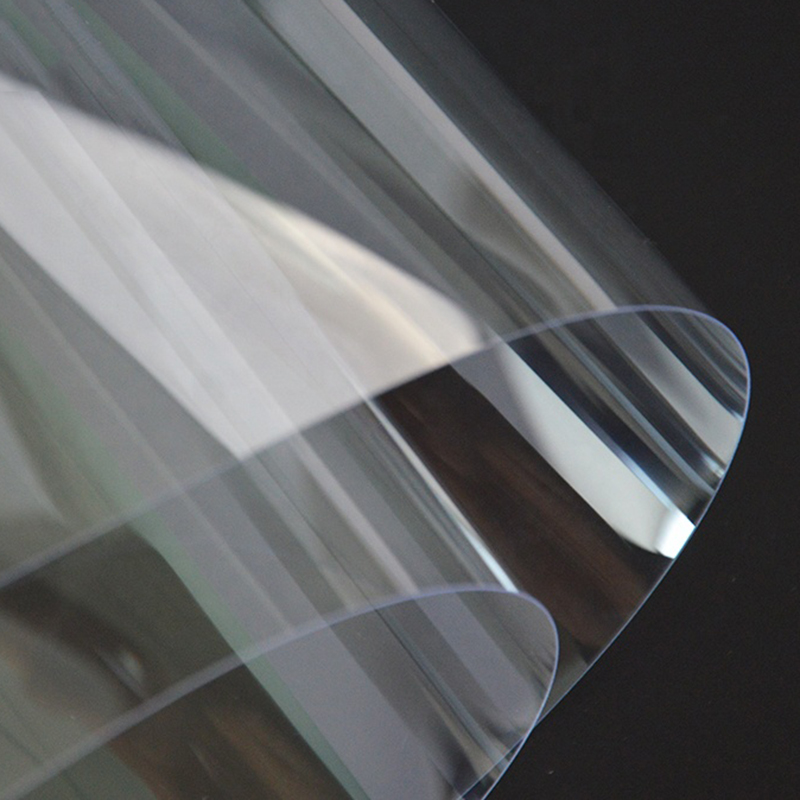
Polycarbonate sheet technology has revolutionized the lighting industry by providing an optimal solution for light diffusion in LED lampshade applications. When manufacturers design LED lighting products, they face a critical challenge: converting point-source LED chips into evenly distributed, visually comfortable illumination. PC sheet serves as the functional core of light diffuser panels, transforming harsh LED spotlights into uniform, pleasant lighting that meets both aesthetic and performance standards. The material's unique combination of optical properties, mechanical strength, and thermal stability makes it the preferred choice for modern LED lampshade construction across residential, commercial, and industrial lighting sectors.
The application of PC sheet in LED lampshade light diffuser panels involves a sophisticated interplay of material science, optical engineering, and manufacturing precision. Understanding how PC sheet functions in this specific role requires examining its light transmission characteristics, surface treatment methods, structural integration techniques, and performance advantages over alternative materials. This detailed exploration reveals why polycarbonate has become indispensable in contemporary LED lighting design, how manufacturers optimize its properties for specific diffusion requirements, and what technical considerations guide the selection and processing of PC sheet for lampshade applications.
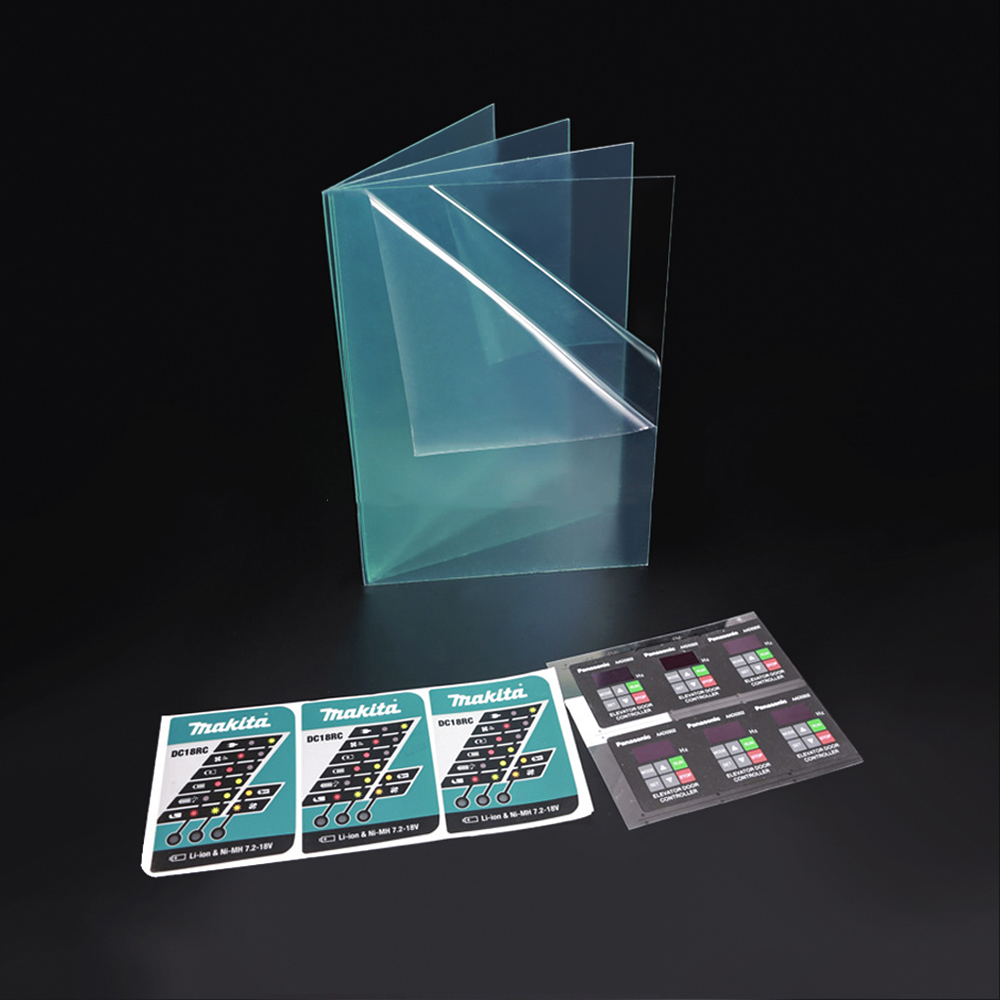
The Optical Mechanism of PC Sheet in Light Diffusion
Light Transmission and Scattering Properties
PC sheet achieves light diffusion through controlled scattering mechanisms that redistribute concentrated LED light into broader, more uniform patterns. The material's inherent molecular structure creates micro-level irregularities that interact with photons passing through the sheet. When LED light enters the PC sheet surface, photons encounter these microscopic variations, causing them to deflect in multiple directions rather than traveling in straight lines. This scattering effect reduces the visibility of individual LED point sources while maintaining overall luminous efficiency, which is essential for creating visually comfortable lighting environments.
The light transmission rate of PC sheet typically ranges from 85% to 92% depending on thickness and surface treatment, making it highly efficient for lampshade applications where maximum light output matters. Unlike completely opaque diffusers that absorb significant light energy, PC sheet balances transmission with diffusion. The material allows sufficient light to pass through while scattering it enough to eliminate harsh glare and visible LED hotspots. This optical balance is quantified through measurements of total transmission, haze percentage, and luminance uniformity, parameters that lighting engineers carefully specify when selecting PC sheet for particular lampshade designs.
Surface Treatment Techniques for Enhanced Diffusion
Manufacturers enhance the natural diffusion properties of PC sheet through various surface treatment methods that modify light interaction characteristics. Texturing processes create microscopic patterns on one or both surfaces of the sheet, increasing the scattering angle and diffusion uniformity. Common texturing techniques include chemical etching, mechanical embossing, and sandblasting, each producing different diffusion profiles. Chemical etching creates random micro-roughness that provides soft, natural-looking diffusion, while mechanical embossing produces controlled geometric patterns that can be engineered for specific light distribution requirements in LED lampshade applications.
Coating technologies represent another approach to optimizing PC sheet diffusion performance in lampshades. Manufacturers apply thin layers of specialized materials that modify surface optical properties without compromising the sheet's mechanical integrity. These coatings can incorporate light-diffusing particles, anti-glare compounds, or refractive index modifiers that fine-tune scattering behavior. The coating approach offers advantages in mass production because it allows manufacturers to start with standard clear PC sheet and apply diffusion characteristics as a secondary process, enabling flexibility in meeting diverse customer specifications for LED lighting products.
Thickness and Density Considerations
The thickness of PC sheet directly influences its diffusion effectiveness and structural suitability for lampshade construction. Thinner sheets, typically ranging from 0.5mm to 2mm, provide excellent flexibility for curved lampshade designs while offering moderate diffusion. As LED light passes through thinner material, it encounters fewer scattering opportunities, resulting in somewhat more direct transmission. However, this characteristic proves advantageous in applications requiring higher light output with gentle softening of LED point sources. Manufacturers often specify thinner PC sheet for decorative lampshades where form flexibility matters as much as optical performance.
Thicker PC sheet variants, ranging from 2mm to 6mm, deliver more pronounced diffusion effects due to extended light path length within the material. As photons travel through greater material depth, they undergo multiple scattering events that thoroughly homogenize the light distribution. This makes thicker sheets ideal for applications requiring complete elimination of LED spotting, such as large-area ceiling panels and high-power commercial lighting fixtures. The increased material volume also enhances structural rigidity, allowing lampshade designs that span larger dimensions without requiring extensive support frameworks, which simplifies assembly and reduces overall product weight.
Manufacturing Integration Methods for LED Lampshades
Thermoforming and Shape Creation
Thermoforming represents the primary method for shaping PC sheet into three-dimensional lampshade geometries required by LED lighting designs. The process begins with heating the sheet to its softening temperature, approximately 150-160°C, where the material becomes pliable without losing its optical clarity or diffusion properties. Manufacturers then use vacuum pressure, positive air pressure, or mechanical forming tools to draw the heated PC sheet over or into molds that define the final lampshade shape. This forming capability allows production of complex curved surfaces, conical shapes, spherical domes, and custom architectural profiles that would be impossible to achieve with rigid materials.
The thermoforming process must be carefully controlled to preserve the light diffusion characteristics of treated PC sheet surfaces. Excessive heating can alter surface textures or cause dimensional distortion that affects optical performance. Professional lampshade manufacturers use temperature-controlled forming equipment with precise cycle timing to ensure consistent results across production runs. The formed PC sheet panels are then trimmed to final dimensions, with edges typically receiving finishing treatments such as polishing, flame treatment, or protective capping to ensure safe handling and professional appearance in completed LED lampshade assemblies.
Mechanical Fastening and Assembly Systems
Integrating PC sheet diffuser panels into LED lampshade structures requires fastening methods that accommodate the material's thermal expansion properties while maintaining secure attachment. Mechanical fastening systems using specialized clips, channels, and retention frames represent the most common approach. These systems typically feature slots or grooves that hold PC sheet edges while allowing controlled movement to prevent stress cracking from thermal cycling as LEDs heat and cool during operation. The fastening design must distribute clamping force evenly across the sheet perimeter to avoid creating stress concentration points that could lead to material failure over time.
Lampshade designers often incorporate gaskets or cushioning materials between PC sheet edges and metal or plastic frames to further reduce stress transmission. These interface materials, typically made from silicone rubber or soft thermoplastic elastomers, provide both mechanical cushioning and environmental sealing that protects internal LED components from dust and moisture. The assembly approach varies based on lampshade size and application environment, with commercial and outdoor lighting fixtures requiring more robust fastening systems compared to decorative residential lampshades. Understanding the mechanical behavior of PC sheet under thermal and vibration loads guides the selection of appropriate retention methods.
Adhesive Bonding Techniques
Adhesive bonding offers an alternative integration method for PC sheet in LED lampshade applications where seamless appearance or specific structural requirements favor chemical attachment over mechanical fastening. Specialized adhesives formulated for polycarbonate bonding create strong, durable joints that can withstand the operational stresses of lighting applications. These adhesives typically belong to families including cyanoacrylates for small-scale assembly, polyurethanes for flexible bonds, or two-component structural adhesives for high-strength applications. The adhesive selection depends on factors such as bond line thickness requirements, cure time constraints, operating temperature range, and whether optical clarity in the bond line matters for the specific lampshade design.
Surface preparation proves critical for achieving reliable adhesive bonds with PC sheet. The material's low surface energy requires treatment to promote adhesive wetting and chemical bonding. Common preparation methods include solvent wiping to remove contaminants, plasma treatment to activate surface chemistry, or application of primer coatings designed for polycarbonate substrates. Manufacturers must also consider that some adhesives emit volatile compounds during curing that could migrate into the PC sheet and cause stress cracking or optical defects. Selection of compatible adhesive systems and proper application procedures ensures long-term bond integrity in LED lampshade assemblies exposed to heat, UV radiation, and environmental factors.
Performance Advantages in LED Lighting Applications
Impact Resistance and Durability
PC sheet offers exceptional impact resistance that makes it superior to glass or acrylic alternatives in LED lampshade applications where mechanical durability matters. The material's toughness stems from its molecular structure, which features flexible polymer chains that can absorb and dissipate impact energy without fracturing. This property proves particularly valuable in commercial environments, industrial facilities, and outdoor lighting installations where lampshades face potential impacts from maintenance activities, environmental hazards, or accidental contact. Unlike glass diffusers that shatter into dangerous fragments, PC sheet remains intact even when subjected to significant force, enhancing both safety and product longevity.
The durability of PC sheet extends beyond impact resistance to include excellent dimensional stability under varying environmental conditions. The material maintains its shape and optical properties across wide temperature ranges, typically from -40°C to +120°C, which covers virtually all LED lighting application scenarios. This thermal stability ensures that diffusion characteristics remain consistent regardless of operating conditions, preventing the optical degradation or warping that can occur with less stable materials. For LED lampshade manufacturers, this reliability translates to reduced warranty claims, lower replacement costs, and enhanced product reputation in competitive lighting markets.
Thermal Management Properties
The thermal performance of PC sheet contributes significantly to its effectiveness in LED lampshade applications where heat management affects both component longevity and lighting efficiency. Polycarbonate exhibits a relatively low thermal conductivity of approximately 0.19-0.22 W/mK, which means it does not rapidly transfer heat from LED sources to surrounding environments. This insulating property helps maintain stable temperature gradients within lampshade assemblies, preventing sudden temperature fluctuations that could stress electronic components. The material's heat deflection temperature, typically around 130-140°C under standard test loads, ensures that PC sheet diffuser panels maintain structural integrity even in high-power LED applications where heat buildup occurs.
PC sheet's thermal expansion coefficient, approximately 65-70 × 10⁻⁶ mm/mm/°C, requires consideration in lampshade design to prevent stress-related failures. While this expansion rate exceeds that of metals or glass, proper design accommodation through expansion joints or flexible mounting systems prevents problems. The material's ability to withstand repeated thermal cycling without degradation makes it particularly suitable for LED applications where lights frequently turn on and off, subjecting diffuser panels to continuous expansion and contraction cycles. Understanding these thermal characteristics allows engineers to design lampshade assemblies that leverage PC sheet's benefits while mitigating potential thermal stress issues.
UV Stability and Weathering Resistance
PC sheet formulations used in LED lampshade applications typically incorporate UV stabilizers that protect against photodegradation from both internal LED light and external environmental exposure. These stabilizers, usually consisting of UV absorbers and hindered amine light stabilizers, prevent the polymer chain breakdown that would otherwise cause yellowing, loss of optical clarity, and mechanical weakening over time. High-quality UV-stabilized PC sheet maintains its light transmission and diffusion properties for many years, even in outdoor lighting applications where intense sunlight exposure occurs. This longevity proves essential for commercial and architectural lighting projects where replacing diffuser panels would be costly and disruptive.
The weathering resistance of treated PC sheet extends beyond UV protection to include resistance to moisture, temperature extremes, and chemical exposure common in various installation environments. Unlike acrylic alternatives that can craze or crack when exposed to certain cleaning chemicals or environmental stresses, properly formulated PC sheet maintains integrity across diverse conditions. This robustness makes it suitable for applications ranging from indoor residential lighting to harsh industrial and outdoor environments. Manufacturers specify different grades of PC sheet with varying levels of weather resistance based on the intended application environment, allowing optimization of cost and performance for specific LED lampshade requirements.
Selection Criteria and Specification Guidelines
Optical Property Requirements
Selecting appropriate PC sheet for LED lampshade light diffuser panels begins with defining precise optical requirements that align with the intended lighting effect and application environment. Light transmission percentage determines overall luminous efficiency, with higher transmission values preserving more LED output but providing less diffusion. Designers typically specify transmission rates between 70% and 90% depending on whether the application prioritizes maximum light output or superior glare control. Haze percentage quantifies the degree of light scattering, with values ranging from 30% for subtle diffusion to 95% or higher for complete LED hotspot elimination. Balancing these parameters requires understanding the specific visual requirements and viewing distances in the target application.
Color rendering properties of PC sheet influence the quality of light perceived from LED lampshades, particularly in applications where accurate color reproduction matters. While polycarbonate itself is generally neutral in color, certain grades or treatments may introduce slight tints that affect the spectral distribution of transmitted light. Designers should specify color neutrality requirements and verify that selected PC sheet grades do not shift LED color temperature in ways that compromise the intended lighting effect. Testing with actual LED sources under consideration ensures that the combination of light source and diffuser panel produces the desired visual result before committing to large-scale production.
Mechanical and Processing Compatibility
The mechanical properties of PC sheet must align with the structural requirements and manufacturing processes planned for the LED lampshade design. Flexibility considerations determine whether the sheet can be formed into required shapes without cracking or developing stress marks that would impair optical performance. Designers specify minimum bend radii based on sheet thickness and the tightness of curves required in the lampshade geometry. Impact resistance requirements vary significantly between applications, with indoor decorative lighting tolerating lower impact resistance than industrial or outdoor installations where robust performance matters. Material specification should include clear impact performance criteria measured by standardized testing methods.
Processing compatibility encompasses the ease with which PC sheet can be cut, drilled, formed, and assembled using available manufacturing equipment and techniques. Sheets with special surface treatments require careful handling to prevent damage to diffusion properties during fabrication. Some textured or coated PC sheet grades may have directional properties that affect cutting and forming behavior, requiring specific orientation during processing. Manufacturers should verify that specified PC sheet grades are compatible with intended fabrication methods, including thermoforming temperatures, cutting tool types, and assembly procedures, to ensure efficient production without quality compromises.
Environmental and Regulatory Considerations
Environmental performance requirements increasingly influence PC sheet selection for LED lampshade applications as sustainability concerns and regulatory standards evolve. Recycled content availability in polycarbonate formulations allows manufacturers to reduce environmental impact while maintaining performance characteristics. Some applications, particularly in commercial and institutional settings, may require documentation of material sustainability attributes including recycled content percentages, recyclability at end of life, and manufacturing process environmental certifications. Specifying these requirements during material selection ensures compliance with green building standards and corporate sustainability goals.
Regulatory compliance considerations for PC sheet in lighting applications encompass fire safety ratings, chemical content restrictions, and industry-specific performance standards. Fire resistance classifications such as UL 94 ratings indicate how the material behaves when exposed to flame, which matters particularly in commercial and public space installations. Restrictions on hazardous substances, including requirements like RoHS compliance, affect material formulation and require verification from suppliers. Lighting industry standards for diffuser panel performance, safety, and longevity provide benchmarks against which PC sheet specifications should be evaluated to ensure that selected materials meet all applicable requirements for the intended market and application.
FAQ
What makes PC sheet superior to acrylic for LED lampshade light diffusers?
PC sheet offers significantly higher impact resistance compared to acrylic, making it much less likely to crack or shatter during handling, installation, or accidental impacts. This durability advantage proves particularly important in commercial and industrial lighting applications. Additionally, PC sheet maintains better dimensional stability under heat from LED sources, with higher heat deflection temperature that prevents warping in high-power lighting fixtures. While acrylic may offer slightly higher optical clarity in some formulations, PC sheet provides superior overall performance in demanding applications where mechanical durability and thermal stability matter alongside optical properties.
Can PC sheet diffuser panels be used in outdoor LED lighting fixtures?
Yes, properly formulated PC sheet with UV stabilization performs excellently in outdoor LED lighting applications. UV-stabilized grades maintain optical clarity, light transmission, and mechanical properties for many years despite continuous exposure to sunlight, temperature fluctuations, and weather conditions. The material's moisture resistance prevents water absorption that could cause optical distortion or degradation. However, it is essential to specify appropriate UV-stabilized grades specifically designed for outdoor use rather than standard interior-grade PC sheet, as formulation differences significantly affect long-term weathering performance. Many commercial outdoor lighting manufacturers rely on PC sheet for street lights, area lighting, and architectural fixtures specifically because of its proven durability in challenging environmental conditions.
How does surface texture affect the light diffusion performance of PC sheet?
Surface texture directly controls the degree and quality of light scattering in PC sheet diffuser panels for LED lampshades. Fine textures with subtle micro-roughness create gentle diffusion that softens LED point sources while maintaining relatively high light transmission and allowing some sense of depth and form. Coarser textures produce more aggressive scattering that completely eliminates visible LED hotspots but may reduce overall light transmission due to increased scattering angles. The texture pattern geometry also matters, with random textures providing natural-looking diffusion while regular geometric patterns can create specific light distribution effects. Manufacturers often maintain texture libraries with different scattering characteristics, allowing designers to select the optimal surface treatment that balances diffusion effectiveness with light efficiency for specific lampshade applications.
What thickness of PC sheet should be used for different LED lampshade sizes?
PC sheet thickness selection depends on multiple factors including lampshade dimensions, structural support design, desired flexibility, and optical requirements. Small decorative lampshades typically use 0.5mm to 1.5mm sheet, which provides adequate flexibility for curved shapes while maintaining sufficient diffusion. Medium-sized fixtures such as pendant lights and wall sconces commonly employ 1.5mm to 3mm thickness, balancing structural integrity with weight considerations. Large-area applications including ceiling panels and commercial fixture diffusers often require 3mm to 6mm sheet to span greater distances without excessive deflection while providing robust structural performance. Thicker sheets also deliver more pronounced diffusion due to longer light path through the material. The specific application environment and mounting method significantly influence optimal thickness selection beyond these general guidelines.