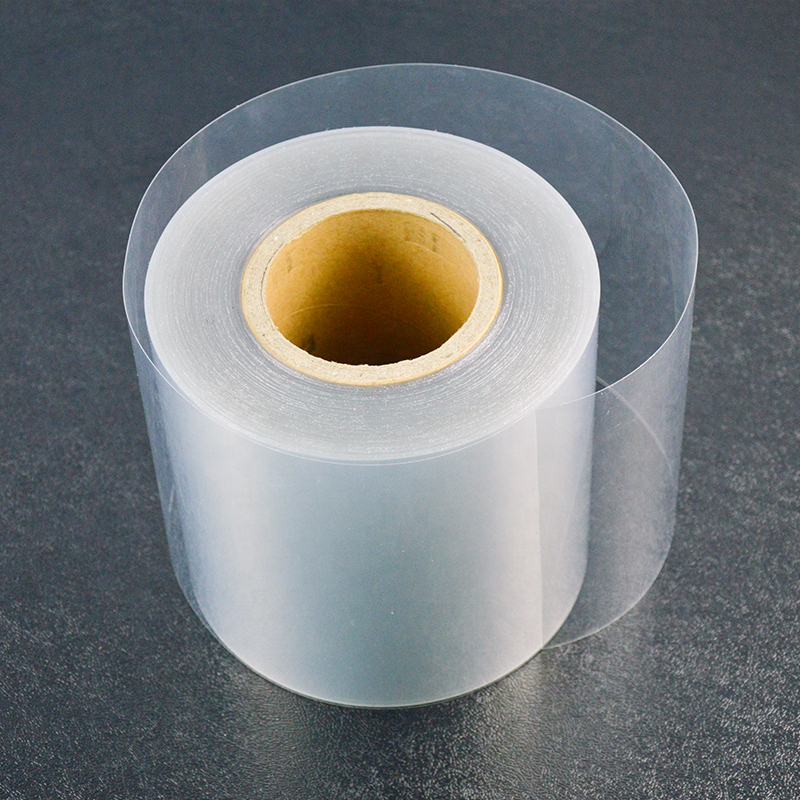
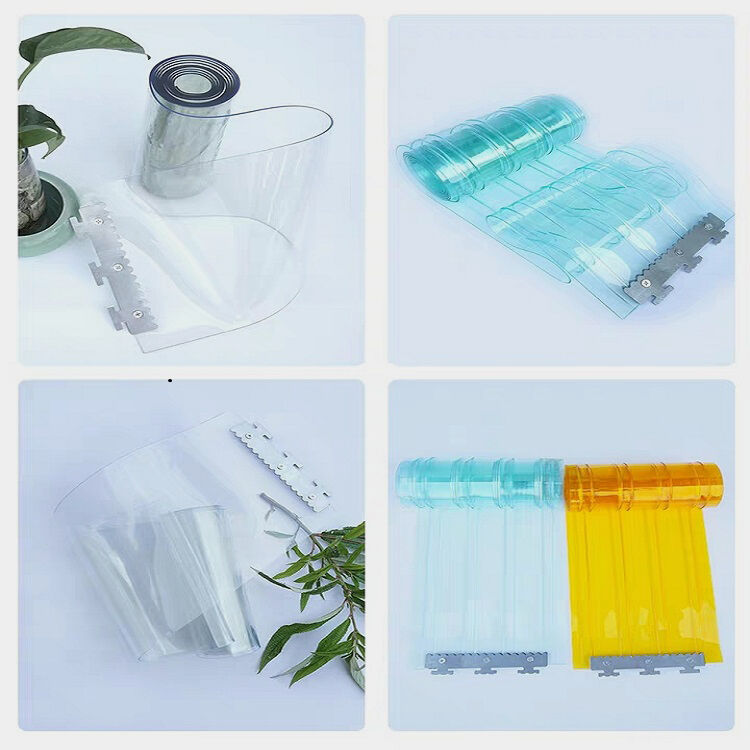
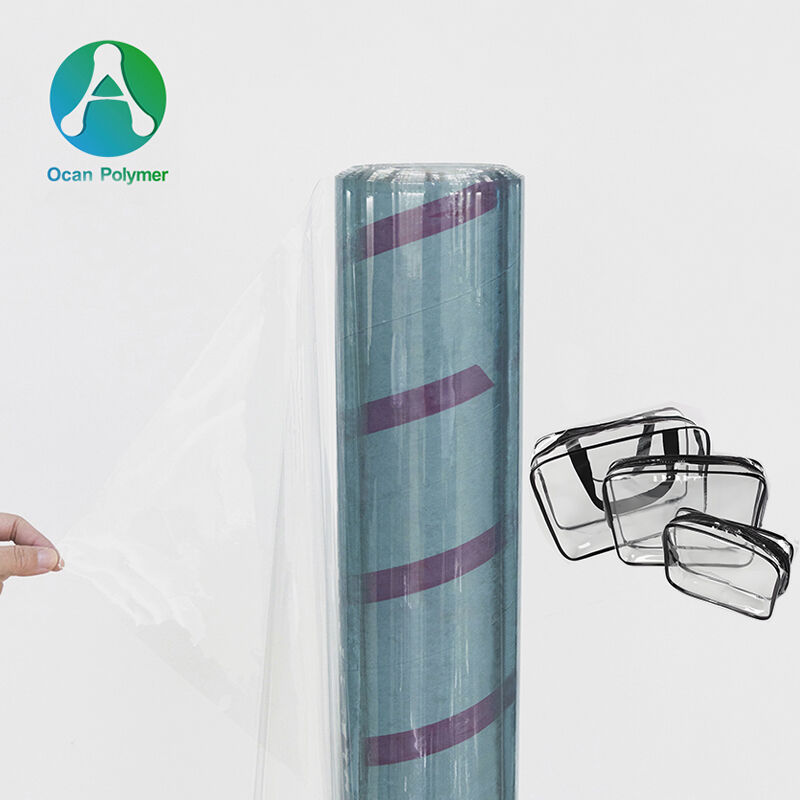
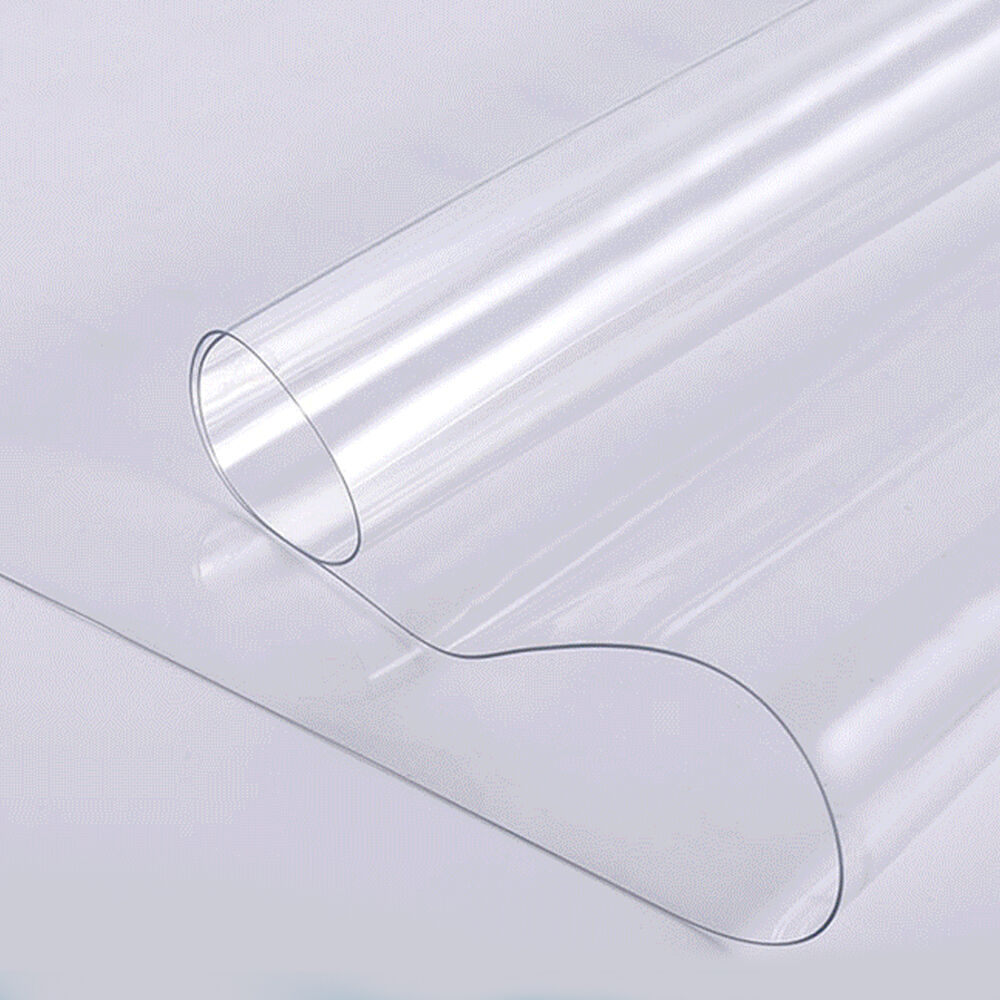
pvc soft film
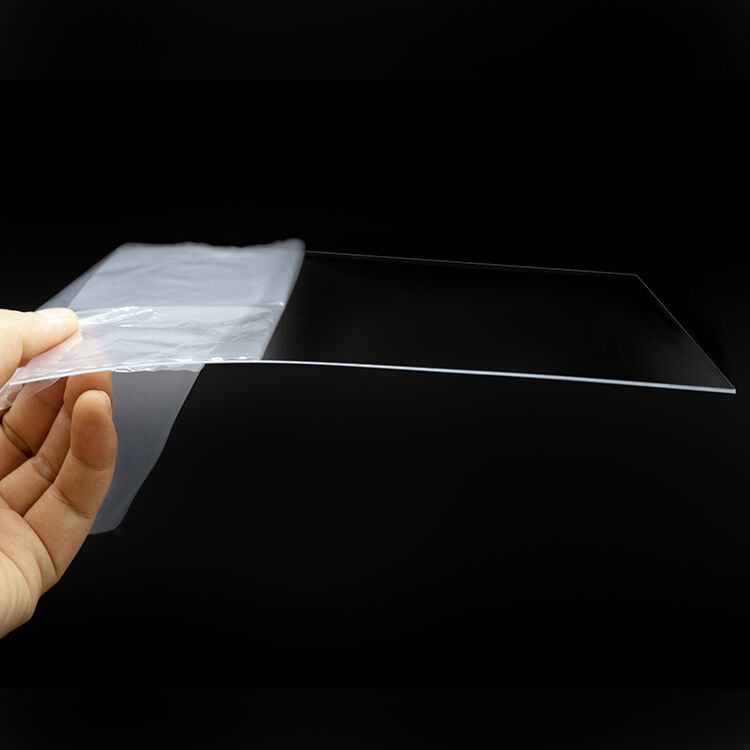
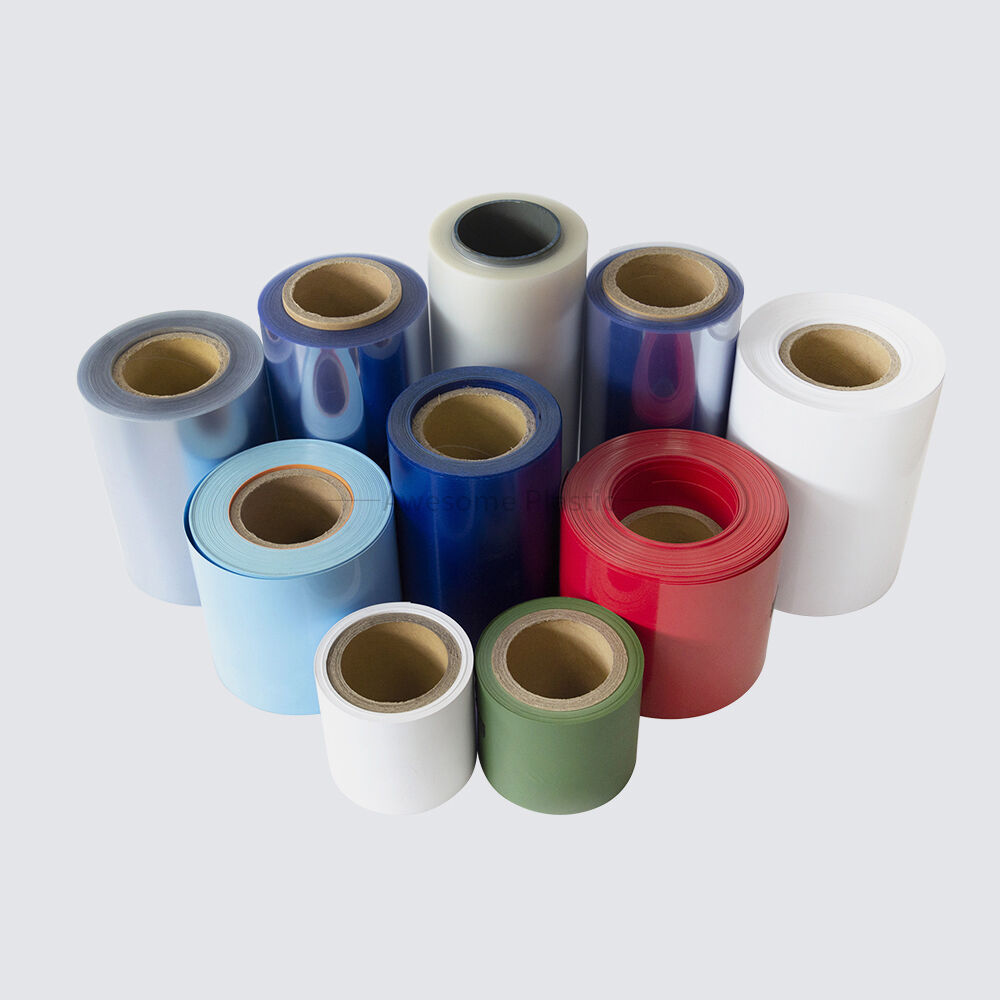
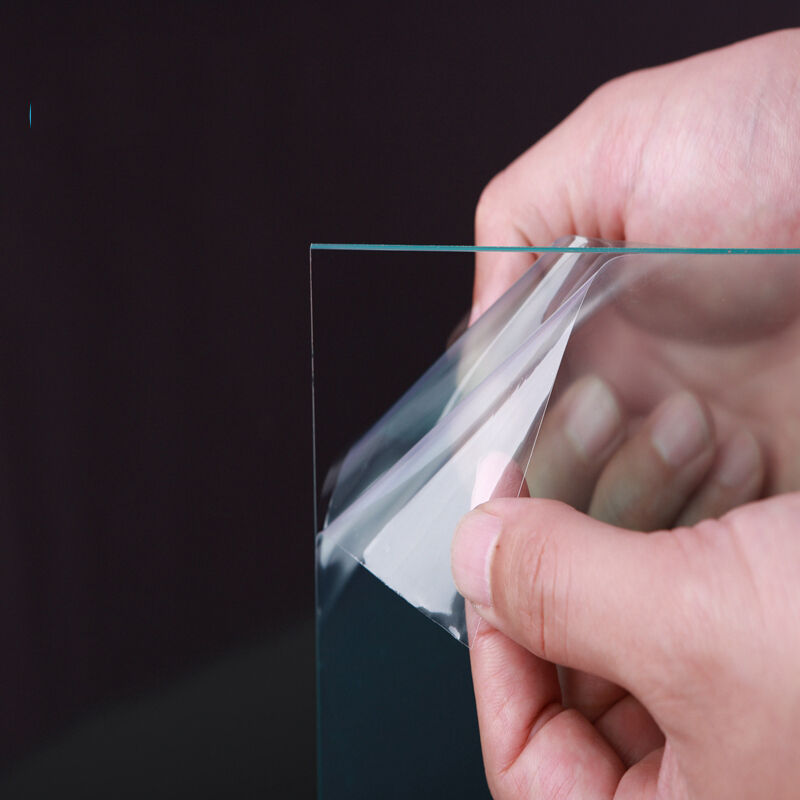
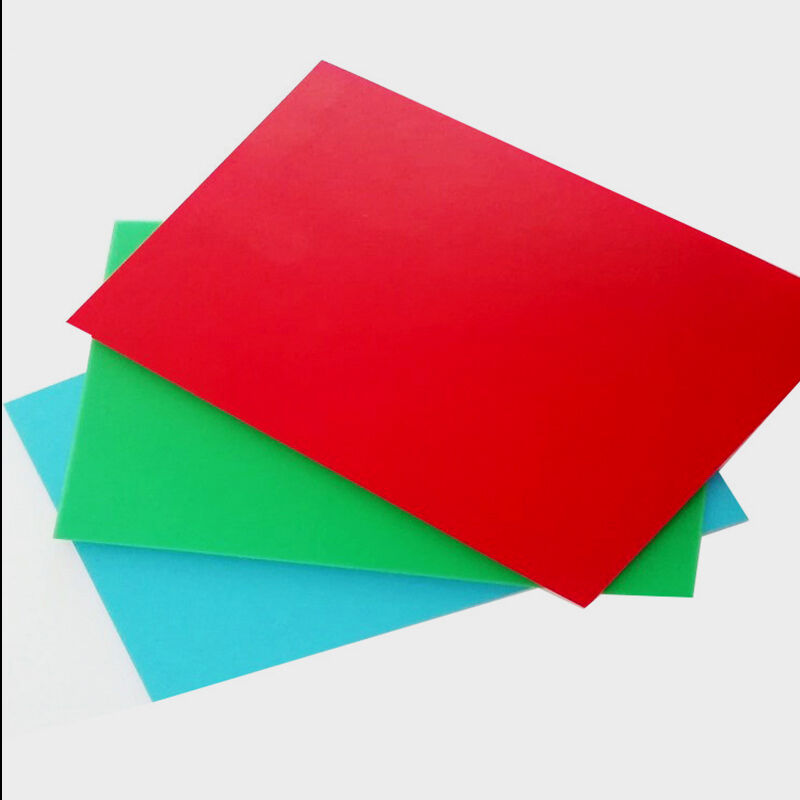
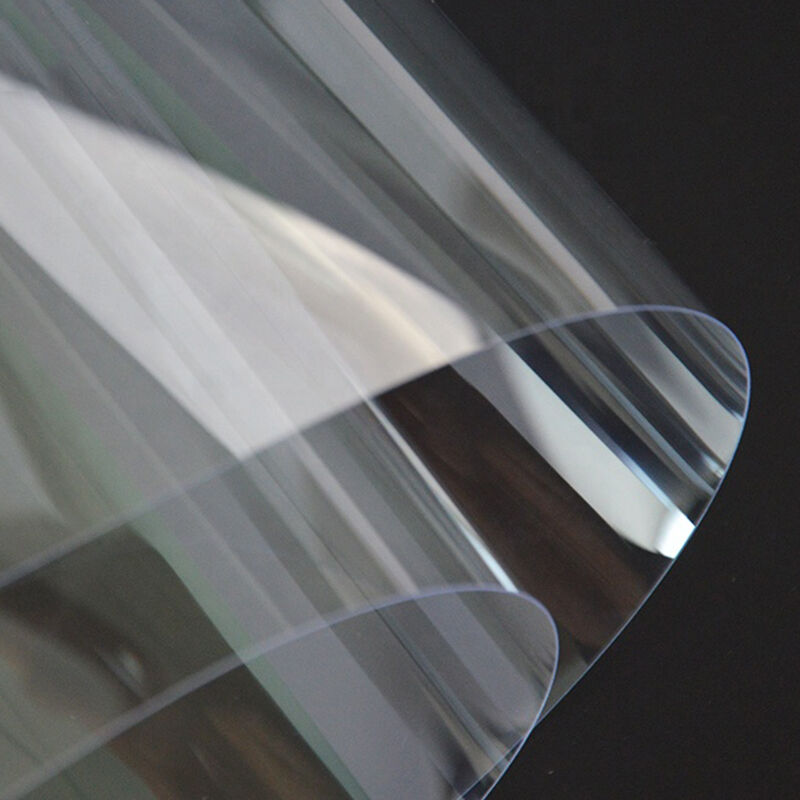
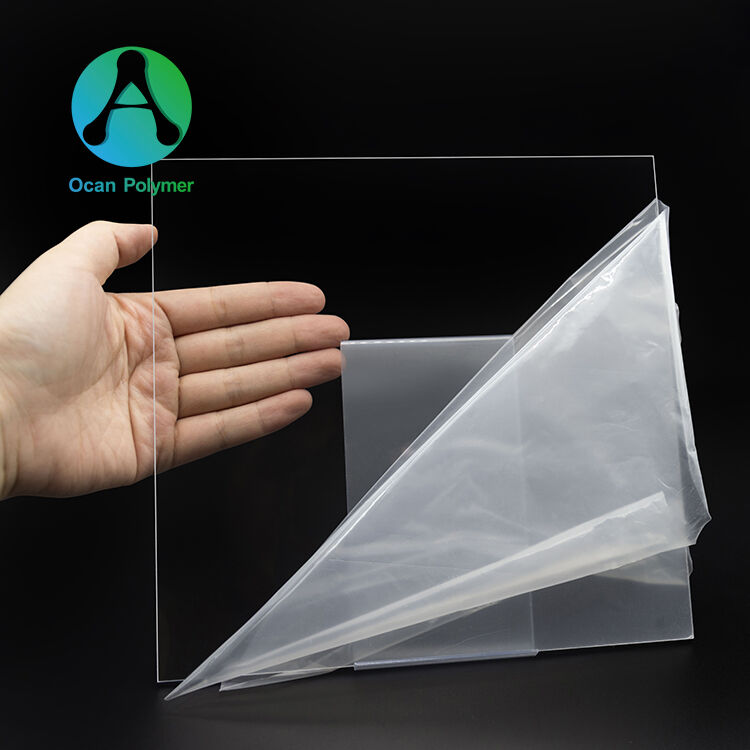
PVC soft film represents a versatile and practical solution for numerous commercial and residential applications, offering exceptional flexibility combined with durability. This specialized material is manufactured through advanced extrusion processes that create a thin, pliable sheeting capable of meeting diverse protective and decorative needs. The pvc soft film delivers outstanding transparency, allowing natural light transmission while providing reliable barrier protection against environmental elements. Its chemical composition enables it to resist moisture, dust, and temperature fluctuations, making it suitable for challenging conditions across various industries. The technological development behind pvc soft film incorporates sophisticated polymer formulations that balance strength with flexibility, ensuring the material maintains its integrity during installation and throughout its service life. Manufacturers utilize precise temperature controls and additive blending to achieve consistent thickness and optical clarity throughout each production run. This attention to quality results in a product that performs reliably whether used for temporary enclosures, permanent installations, or specialized industrial applications. The main functions of pvc soft film include creating transparent partitions, protecting surfaces from contamination, controlling environmental conditions, and providing cost-effective alternatives to rigid materials. Its adaptability extends to cold storage facilities, cleanroom environments, agricultural settings, construction sites, and retail spaces where visibility combined with protection is essential. The material can be easily cut, welded, and installed using standard tools, reducing labor costs and installation time compared to alternative solutions. Technological features include UV stabilization options for outdoor use, anti-static treatments for electronic manufacturing environments, and fire-retardant formulations meeting safety regulations. The pvc soft film maintains flexibility even at low temperatures, preventing cracking or brittleness that affects inferior materials. Its smooth surface resists dirt accumulation and simplifies cleaning maintenance, contributing to hygienic conditions in food processing and pharmaceutical applications.
 EN
EN