 EN
EN

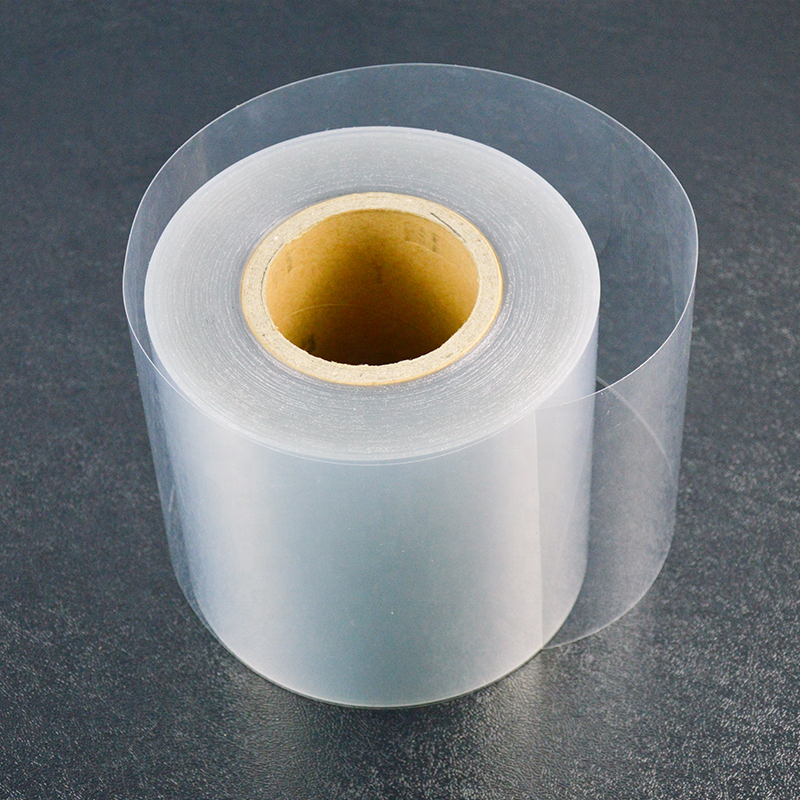
Thermoforming production demands precision, speed, and material consistency to meet the high-volume requirements of packaging, automotive, medical, and consumer goods industries. Among the critical factors influencing production efficiency, the choice of raw material plays a pivotal role. PET roll has emerged as a preferred substrate for thermoforming operations due to its unique combination of mechanical strength, optical clarity, thermal stability, and processability. Understanding how PET roll contributes to operational efficiency requires examining its material properties, its behavior during heating and forming cycles, and its impact on downstream processes such as trimming, stacking, and quality control.
Efficiency in thermoforming is not solely about cycle time reduction; it encompasses material yield, defect rates, energy consumption, equipment utilization, and labor productivity. PET roll addresses multiple efficiency bottlenecks simultaneously by offering superior dimensional stability, reduced scrap rates, faster heating response, and compatibility with automated handling systems. This article explores the mechanisms through which PET roll enhances thermoforming efficiency, the technical characteristics that enable these improvements, and practical considerations for manufacturers seeking to optimize their production lines through strategic material selection.
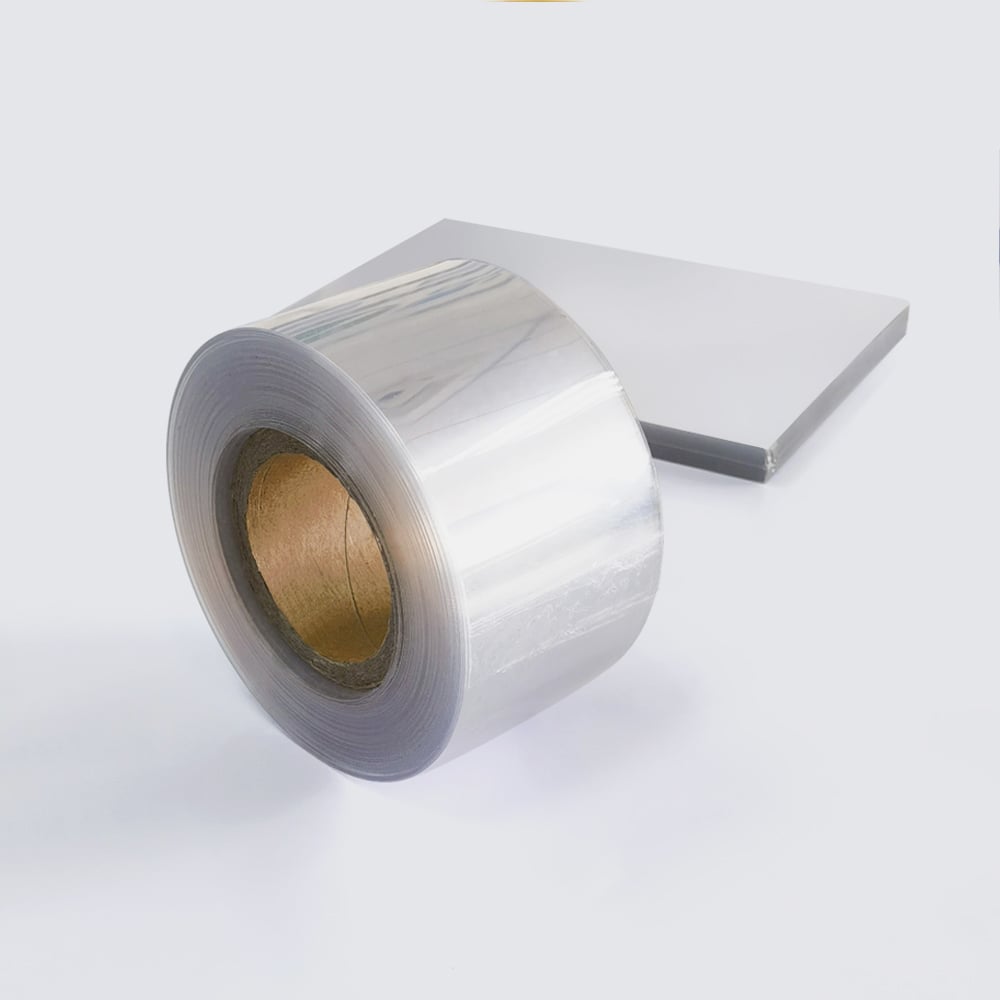
Material Properties That Drive Thermoforming Efficiency
Thermal Performance and Heating Uniformity
The thermoforming process relies on precise control of material temperature to achieve the necessary plastic state for forming without degradation. PET roll exhibits a well-defined glass transition temperature around 75-80 degrees Celsius and a processing window that allows for controlled softening. This predictable thermal behavior enables thermoforming operators to establish consistent heating profiles that minimize energy waste while ensuring complete material pliability. Unlike some alternative polymers that require extended soak times or exhibit uneven heating patterns, PET roll responds uniformly to radiant or contact heating, reducing cycle time variability and improving throughput predictability.
The thermal conductivity characteristics of PET roll allow for rapid heat transfer from heating elements to the material surface and through its cross-section. This property is particularly valuable in high-speed thermoforming lines where heating time represents a significant portion of the total cycle. By achieving forming temperature more quickly, manufacturers can increase production rates without compromising part quality. Additionally, the thermal stability of PET roll prevents premature sagging or deformation during the heating phase, which otherwise would necessitate slower heating ramps and longer dwell times to maintain dimensional control.
Mechanical Strength and Draw Ratio Capability
Thermoforming efficiency is closely linked to the ability of the material to withstand the mechanical stresses imposed during the forming operation. PET roll possesses exceptional tensile strength in both machine and transverse directions, enabling deep draws and complex geometries without material rupture or excessive thinning. This mechanical robustness reduces the incidence of production defects such as pinholes, tears, and weak spots that would otherwise require part rejection and material reprocessing. Higher first-pass yield directly translates to improved efficiency by maximizing the conversion of raw material into saleable products.
The balanced biaxial properties of quality PET roll ensure that material stretching during the forming process occurs uniformly, preventing localized stress concentrations that could compromise part integrity. This uniformity is critical for applications requiring consistent wall thickness distribution, as variations can lead to functional failures in end-use applications. By maintaining predictable draw behavior, PET roll allows thermoforming operators to push forming parameters closer to optimal levels without risking quality failures, thereby extracting maximum productivity from existing equipment capacity.
Dimensional Stability and Material Handling
Efficient thermoforming operations depend on precise material registration and consistent feed throughout the production cycle. PET roll demonstrates superior dimensional stability compared to many alternative substrates, exhibiting minimal shrinkage, warping, or curling during storage and handling. This stability reduces setup time, minimizes material waste from edge trimming, and ensures consistent part dimensions across production runs. When PET roll is unwound from the supply spool, it maintains flatness and tension control, facilitating smooth integration with automated feeding systems and reducing the need for manual intervention.
The low coefficient of friction exhibited by PET roll surfaces enables smooth travel through guide rollers, heating stations, and forming tools without generating static buildup or surface contamination. This characteristic is particularly important in high-speed production environments where material handling issues can cause line stoppages, misfeeds, or quality defects. By minimizing friction-related problems, PET roll contributes to higher equipment uptime and more consistent process parameters throughout extended production runs.
Process Optimization Through Material Selection
Cycle Time Reduction Mechanisms
The efficiency improvements delivered by PET roll in thermoforming operations stem from multiple cycle time reduction mechanisms working in concert. The material's rapid heating response allows for shorter preheating durations, while its consistent thermal behavior eliminates the need for extended temperature stabilization periods. Once heated to forming temperature, PET roll maintains its plastic state for a sufficient window to complete the forming operation without requiring auxiliary heating during the mold dwell phase. This combination of characteristics enables manufacturers to compress cycle times without sacrificing part quality or process reliability.
Furthermore, the superior mold release properties of PET roll reduce the time required for part ejection and minimize the risk of part deformation during demolding. In pressure forming applications, the material's ability to conform tightly to mold details without excessive hold times allows for faster progression through the forming sequence. These incremental time savings accumulate across thousands of cycles per shift, resulting in substantial throughput improvements that directly enhance production efficiency and capacity utilization.
Energy Consumption and Operating Cost Impact
Energy efficiency represents a critical component of overall thermoforming production efficiency, particularly in high-volume manufacturing environments where heating systems operate continuously. PET roll's favorable thermal properties contribute to reduced energy consumption by requiring lower heat input to reach forming temperature and maintaining that temperature with less energy loss during the forming cycle. The material's rapid heating response means that heating elements spend less time at elevated temperatures, reducing both electrical consumption and thermal stress on equipment components.
The predictable behavior of PET roll also enables more precise process control, eliminating the energy waste associated with excessive temperature margins or repeated heating cycles due to material inconsistency. By allowing thermoforming operators to dial in optimal heating parameters without overcompensating for material variability, PET roll contributes to leaner energy profiles that reduce operating costs while maintaining production output. Over the lifespan of a thermoforming line, these energy savings can represent significant cost reductions that improve the overall economic efficiency of the operation.
Scrap Rate Reduction and Material Yield
Material efficiency is a fundamental aspect of thermoforming production economics, as scrap generation directly impacts both raw material costs and waste disposal expenses. PET roll contributes to improved material yield through several mechanisms. Its consistent thickness profile across the roll width and length ensures predictable forming behavior, reducing the incidence of defects caused by material variation. The material's excellent forming characteristics enable tighter nesting of parts within the sheet area, maximizing the number of parts produced per unit of material consumed.
Additionally, the mechanical strength of PET roll allows for thinner gauge material to be used in applications where other polymers would require thicker sections for equivalent performance. This gauge reduction directly improves material efficiency by delivering more part area per kilogram of raw material. The combination of reduced scrap rates and optimized gauge utilization means that manufacturers can achieve higher effective material yields, improving the cost-efficiency of thermoforming operations while reducing environmental impact through lower material consumption.
Integration with Automated Production Systems
Compatibility with High-Speed Equipment
Modern thermoforming production increasingly relies on automated systems to achieve the speed, consistency, and cost-effectiveness required for competitive manufacturing. PET roll exhibits excellent compatibility with automated handling, feeding, and forming equipment due to its consistent physical properties and predictable behavior. The material's dimensional stability ensures accurate registration with automated feed systems, while its surface characteristics prevent static accumulation that could interfere with sensor systems or cause material misalignment during high-speed operation.
The uniform thickness and tensile properties of quality PET roll enable reliable performance in automated trim-in-place systems, where formed parts are cut from the web without manual intervention. This capability eliminates a significant labor bottleneck while improving trim quality and consistency. Similarly, the material's compatibility with automated stacking and packaging systems allows for complete production line automation from raw material feed through finished part packaging, maximizing labor efficiency and enabling lights-out manufacturing in appropriate applications.
Quality Control and Process Monitoring Advantages
Efficiency in thermoforming production extends beyond raw throughput to encompass quality consistency and defect detection capabilities. PET roll's optical clarity and surface uniformity facilitate both inline inspection systems and end-of-line quality verification processes. Automated vision systems can easily detect forming defects, contamination, or dimensional variations in PET roll-based parts, enabling rapid identification and correction of process deviations before significant quantities of defective parts are produced.
The predictable behavior of PET roll also simplifies process monitoring and statistical process control implementation. Because the material exhibits consistent forming characteristics, process parameters such as heating temperature, forming pressure, and cooling time can be monitored against tight control limits that would not be achievable with more variable materials. This precision in process control reduces the incidence of out-of-specification parts, minimizes the need for destructive testing or extensive sampling protocols, and enables higher confidence in product quality across production runs.
Application-Specific Efficiency Considerations
Food Packaging and Regulatory Compliance
In food packaging thermoforming applications, PET roll delivers efficiency advantages that extend beyond basic production metrics to encompass regulatory compliance and food safety assurance. The material's inherent properties meet food contact regulations without requiring additional coatings or treatments, simplifying material qualification processes and reducing the complexity of supply chain documentation. This regulatory compliance built into the base material eliminates potential production delays associated with material certification issues or supplier changes.
The barrier properties of PET roll contribute to extended shelf life for packaged products, which improves supply chain efficiency by reducing spoilage rates and enabling longer distribution windows. For thermoformers serving the food packaging sector, the ability to offer enhanced product protection without sacrificing production efficiency represents a significant competitive advantage. The material's clarity and surface finish also eliminate the need for secondary printing or coating operations in many applications, further streamlining the production process and reducing time-to-market for packaged products.
Medical and Pharmaceutical Applications
Thermoforming operations serving medical and pharmaceutical markets face stringent requirements for cleanliness, traceability, and process validation. PET roll addresses these requirements while maintaining production efficiency through its compatibility with cleanroom manufacturing environments and its ability to undergo sterilization processes without degradation. The material's low particulate generation during forming operations minimizes contamination risk, reducing scrap rates and rework requirements in controlled environments where defect costs are particularly high.
The batch-to-batch consistency of quality PET roll simplifies validation protocols and reduces the frequency of requalification testing required in regulated manufacturing environments. This consistency enables pharmaceutical thermoformers to maintain validated processes over extended periods without frequent process adjustments, improving production efficiency by minimizing validation-related downtime and documentation burden. The material's compatibility with common sterilization methods also eliminates the need for specialized processing equipment or alternative packaging formats that might compromise production efficiency.
Industrial and Durable Goods Manufacturing
For thermoforming applications in industrial components, electronics housing, and durable consumer goods, PET roll delivers efficiency through its combination of mechanical performance and processing ease. The material's impact resistance and dimensional stability enable production of parts that meet demanding performance requirements without the need for secondary reinforcement operations or assembly steps that would otherwise increase manufacturing complexity and cost. This single-step production capability streamlines manufacturing workflows and reduces inventory requirements for component parts.
The chemical resistance of PET roll allows formed parts to withstand exposure to cleaning agents, lubricants, and other substances encountered in industrial environments, reducing failure rates and warranty claims that impose indirect costs on manufacturers. By selecting PET roll for appropriate applications, thermoformers can deliver products that maintain their functional and aesthetic properties throughout extended service lives, enhancing customer satisfaction and reducing the total cost of ownership for end users.
Practical Implementation Strategies
Material Specification and Supplier Selection
Realizing the efficiency benefits of PET roll in thermoforming operations begins with proper material specification and supplier selection. Not all PET roll products offer equivalent performance characteristics, and variations in manufacturing quality can significantly impact thermoforming efficiency. Manufacturers should establish clear specifications for critical parameters including thickness tolerance, surface finish, optical properties, and mechanical performance. Working with suppliers who provide comprehensive technical data sheets and lot-to-lot consistency documentation ensures that material performance remains predictable across production runs.
Establishing robust supplier relationships that include technical support and application development assistance can accelerate the optimization of thermoforming processes for specific PET roll grades. Suppliers with thermoforming expertise can provide guidance on heating parameters, forming pressures, and cooling protocols that maximize efficiency for particular part geometries and production equipment configurations. This collaborative approach to material selection and process development helps manufacturers avoid the trial-and-error approach that consumes valuable production time and material resources during new product launches or process changes.
Process Parameter Optimization
Extracting maximum efficiency from PET roll in thermoforming applications requires systematic optimization of process parameters tailored to the specific material grade and production equipment. Heating profiles should be developed through controlled experimentation that identifies the minimum time and temperature required to achieve consistent forming results, balancing cycle time reduction against part quality requirements. Forming parameters including vacuum or pressure levels, dwell times, and cooling rates should be optimized to exploit the favorable characteristics of PET roll while respecting the material's physical limitations.
Implementation of statistical process control protocols allows manufacturers to monitor key process variables and detect trends that might indicate suboptimal operating conditions or equipment maintenance needs. By continuously refining process parameters based on production data, thermoformers can sustain efficiency improvements over time and quickly identify opportunities for further optimization. Documentation of optimal parameter sets for different PET roll grades and part designs creates institutional knowledge that reduces setup time for repeat production runs and facilitates rapid response to customer demands for rush orders or schedule changes.
Equipment Maintenance and Calibration
The efficiency advantages of PET roll can only be fully realized when thermoforming equipment operates at peak performance levels. Regular maintenance of heating elements, vacuum systems, and forming tools ensures that process parameters remain within specified ranges and that equipment-related variations do not mask material performance characteristics. Calibration of temperature controllers, pressure sensors, and timing systems maintains process precision that allows PET roll to deliver consistent results cycle after cycle.
Investment in modern control systems that enable precise regulation of heating profiles and forming sequences helps manufacturers extract maximum value from premium materials like PET roll. Advanced controls can compensate for ambient temperature variations, material thickness changes, or other process disturbances that might otherwise compromise efficiency. By maintaining equipment in optimal condition and leveraging control technology capabilities, thermoformers create production environments where the inherent advantages of PET roll translate directly into measurable efficiency gains and competitive advantages in the marketplace.
FAQ
What thickness range of PET roll is most suitable for thermoforming applications?
PET roll used in thermoforming applications typically ranges from 0.25mm to 6mm in thickness, with the optimal gauge depending on the specific part geometry, draw depth, and performance requirements. Thin gauge materials between 0.25mm and 0.5mm are commonly used for shallow-draw packaging applications such as blister packs and clamshell containers. Medium gauge materials from 0.5mm to 2mm serve a wide range of food packaging, electronics trays, and consumer product packaging applications. Heavy gauge PET roll above 2mm is employed for deep-draw parts, industrial components, and applications requiring enhanced structural performance. The selection of appropriate thickness balances material cost, forming capability, and end-use performance requirements to optimize overall production efficiency.
How does PET roll compare to other thermoforming materials in terms of production efficiency?
PET roll offers several efficiency advantages compared to alternative thermoforming materials such as PVC, polystyrene, and polypropylene. Its superior mechanical strength enables thinner gauge usage for equivalent part performance, improving material yield. The consistent thermal behavior of PET roll allows for tighter process control and reduced cycle time variability compared to materials with broader processing windows. PET roll also exhibits better dimensional stability during storage and handling, reducing material waste and setup time. While initial material cost may be higher than some alternatives, the combination of reduced scrap rates, faster cycle times, and lower energy consumption often results in favorable total cost of ownership. The specific efficiency comparison depends on application requirements, production volume, and equipment capabilities, making it important to conduct comprehensive cost-benefit analysis for particular manufacturing situations.
Can existing thermoforming equipment be used with PET roll without modifications?
Most modern thermoforming equipment can process PET roll with minimal or no modifications, though some process parameter adjustments are typically required to optimize performance. The key consideration is ensuring that heating systems can deliver the temperature uniformity and control precision needed for PET roll processing. Equipment originally designed for materials with significantly different thermal properties may benefit from heating element upgrades or control system enhancements. Vacuum or pressure forming systems generally require no mechanical modifications, though pressure and timing parameters should be optimized for PET roll characteristics. Material handling systems including unwind stands, feed rollers, and trim stations typically accommodate PET roll without modification. Manufacturers transitioning to PET roll should work with material suppliers and equipment vendors to identify any optimization opportunities that could enhance efficiency and part quality in their specific production environment.
What quality control measures ensure consistent PET roll performance in thermoforming?
Ensuring consistent PET roll performance requires quality control measures at both the material receiving stage and throughout production. Incoming material inspection should verify thickness uniformity, surface quality, and optical properties against supplier specifications. Maintaining proper storage conditions including temperature control and protection from moisture and contamination preserves material properties until use. During production, monitoring of key process parameters such as heating temperature, forming pressure, and cycle time helps detect variations that might indicate material or equipment issues. Regular sampling and testing of formed parts for dimensional accuracy, wall thickness distribution, and mechanical properties provides ongoing verification of process capability. Implementation of statistical process control with appropriate control limits enables early detection of trends or shifts in material performance. Documentation systems that link material lot numbers to production batches facilitate rapid root cause analysis if quality issues emerge, enabling quick corrective action that minimizes efficiency impact.
Table of Contents
- Material Properties That Drive Thermoforming Efficiency
- Process Optimization Through Material Selection
- Integration with Automated Production Systems
- Application-Specific Efficiency Considerations
- Practical Implementation Strategies
-
FAQ
- What thickness range of PET roll is most suitable for thermoforming applications?
- How does PET roll compare to other thermoforming materials in terms of production efficiency?
- Can existing thermoforming equipment be used with PET roll without modifications?
- What quality control measures ensure consistent PET roll performance in thermoforming?