 EN
EN

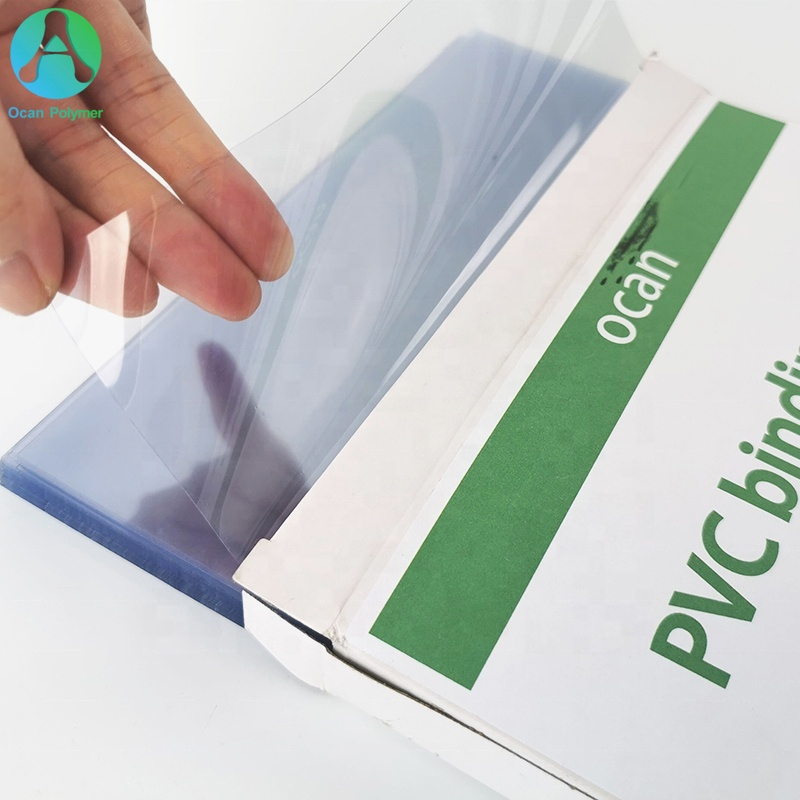
The widespread adoption of Flexible PVC Film in curtain and decorative material applications stems from a unique combination of performance attributes that address both functional and aesthetic requirements in commercial and residential environments. As building design evolves toward greater flexibility and cost-efficiency, material choices must balance durability, visual appeal, ease of installation, and maintenance simplicity. Flexible PVC Film meets these demands through inherent material properties that include transparency control, weather resistance, flame retardancy, and exceptional formability, making it an increasingly preferred choice over traditional textile and rigid panel alternatives in partition systems, window treatments, and decorative surface applications.
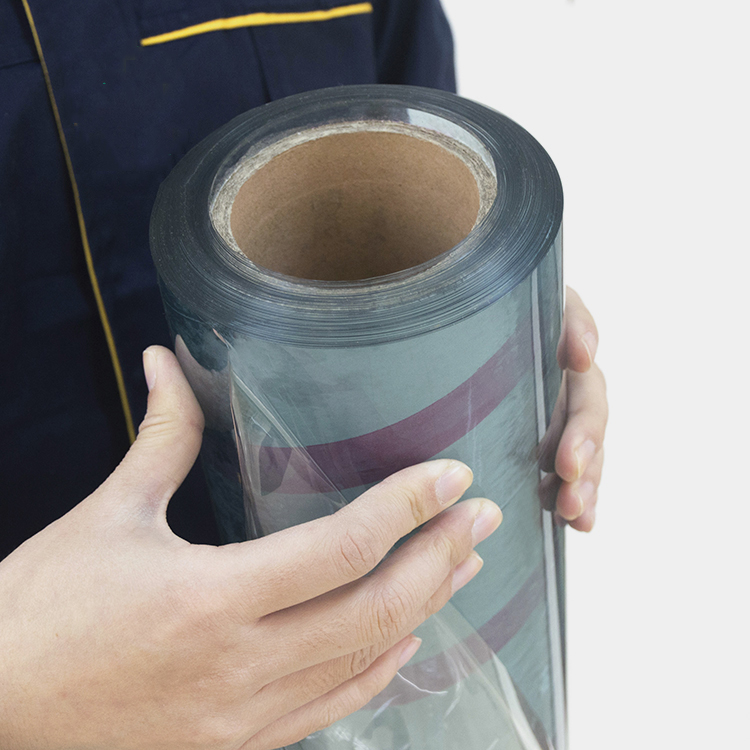
The decision to specify Flexible PVC Film for curtains and decorative materials is driven by practical considerations that extend beyond initial material cost. Architects, interior designers, and facility managers recognize that this polymer solution delivers measurable advantages in operational longevity, environmental adaptability, and design versatility. Understanding why this material has become integral to modern spatial design requires examining the specific technical characteristics that align with the performance demands of curtain and decorative applications, as well as the economic and functional benefits realized throughout the product lifecycle in real-world installations.
Material Properties That Enable Curtain and Decorative Applications
Optical Clarity and Light Transmission Control
One of the primary reasons Flexible PVC Film excels in curtain applications is its exceptional optical clarity when formulated for transparency. Unlike woven textiles that inherently scatter light through fiber interstices, properly manufactured Flexible PVC Film can achieve light transmission rates exceeding ninety percent while maintaining structural integrity. This optical performance allows the material to function as an effective visual barrier without significantly reducing natural illumination in partitioned spaces. In retail environments, cold storage facilities, and industrial clean rooms, transparent Flexible PVC Film curtains enable visual supervision across separated zones while maintaining climate control and contamination barriers.
The ability to precisely control opacity through pigmentation and surface texturing extends the decorative utility of Flexible PVC Film beyond transparent curtain applications. Manufacturers can produce films ranging from crystal-clear formulations to completely opaque variants with controlled translucency levels, enabling designers to specify exact light diffusion characteristics for privacy screens, decorative panels, and aesthetic partitions. This optical flexibility allows a single material platform to serve diverse functional requirements within a unified design vocabulary, reducing the need for multiple material specifications across a project while maintaining visual coherence.
Mechanical Flexibility and Drape Characteristics
The term flexible in Flexible PVC Film directly references the material's ability to achieve soft, textile-like drape characteristics through plasticizer incorporation during manufacturing. This mechanical compliance allows the film to hang naturally in curtain applications without the stiffness associated with rigid thermoplastics or the excessive limpness of thin polyethylene sheeting. The controlled flexibility enables proper fold formation, smooth operational movement in sliding or hanging curtain systems, and resistance to permanent creasing that would compromise both appearance and functional performance over time.
Beyond basic flexibility, properly formulated Flexible PVC Film exhibits excellent elastic recovery, meaning the material returns to its original shape after deformation from wind loading, contact impact, or operational handling. This elastic memory prevents the progressive sagging and distortion common in textile curtains subjected to repeated use cycles, maintaining dimensional stability and visual presentation throughout extended service periods. In decorative applications where material tensioning is required for smooth surface presentation, this elastic behavior allows Flexible PVC Film to maintain uniform appearance without the periodic re-tensioning required for woven fabric installations.
Chemical Resistance and Cleanability
The inherent chemical resistance of PVC polymer formulations makes Flexible PVC Film particularly suitable for curtain applications in environments where chemical exposure, biological contamination, or frequent cleaning protocols are operational requirements. Unlike textile curtains that absorb liquids and harbor microbial growth within fiber structures, the non-porous surface of Flexible PVC Film resists liquid penetration and prevents organic material accumulation. This characteristic proves essential in food processing facilities, pharmaceutical manufacturing areas, healthcare environments, and commercial kitchens where hygiene standards mandate regular surface decontamination.
The cleanability advantage extends to decorative applications where surface soiling from airborne particulates, handling contact, or environmental exposure would compromise aesthetic presentation. Flexible PVC Film surfaces can be cleaned using common detergent solutions, disinfectants, and even mild solvent-based cleaners without material degradation or surface damage. This maintenance simplicity reduces long-term operational costs compared to textile alternatives that require specialized cleaning, periodic replacement due to permanent staining, or complete removal for off-site laundering. In high-traffic commercial environments, this practical maintenance advantage often justifies material selection independent of other performance factors.
Functional Performance Benefits in Curtain Systems
Thermal Insulation and Climate Separation
Flexible PVC Film curtains provide measurable thermal insulation benefits in applications requiring climate zone separation without permanent architectural barriers. The material's relatively low thermal conductivity, combined with the air-trapping potential of overlapped curtain strips in high-traffic doorways, creates an effective thermal buffer that reduces heating and cooling energy losses. In cold storage facilities, refrigerated warehouses, and temperature-controlled manufacturing environments, properly installed Flexible PVC Film curtains can reduce energy consumption by twenty to thirty percent compared to open doorways while maintaining operational accessibility.
The thermal performance extends to decorative applications where interior climate comfort requires management of solar heat gain through glazed surfaces. Translucent or tinted Flexible PVC Film panels installed as interior window treatments reduce direct solar radiation penetration while maintaining natural illumination, effectively balancing thermal comfort with lighting quality. This dual functionality allows the material to serve both aesthetic and environmental control purposes within a single installation, eliminating the need for separate shading devices and decorative treatments that would increase both material costs and visual complexity.
Acoustic Performance and Noise Control
While not traditionally specified as a primary acoustic material, Flexible PVC Film curtains provide meaningful sound attenuation in open-plan environments where full acoustic isolation is unnecessary but noise reduction improves operational functionality. The material's mass and flexibility allow it to absorb and dampen sound energy rather than reflecting it as rigid barriers do, making Flexible PVC Film curtains effective for reducing noise transmission between adjacent work zones in industrial facilities, commercial kitchens, and open office environments. The acoustic performance improves with increased material thickness and with multi-layer curtain configurations that create air gaps between film surfaces.
In decorative applications, the sound-dampening characteristics of Flexible PVC Film contribute to improved interior acoustic comfort without the visual weight of traditional acoustic panels or fabric-wrapped absorption systems. Decorative PVC film installations on wall surfaces or as hanging spatial dividers reduce acoustic reverberation in hard-surfaced interiors while maintaining the clean, modern aesthetic that rigid acoustic treatments often compromise. This acoustic functionality, though secondary to visual considerations in decorative applications, adds measurable value in environments where speech intelligibility and ambient noise control affect occupant comfort and productivity.
Weather Resistance and Outdoor Durability
Formulated Flexible PVC Film designed for exterior or semi-exterior applications incorporates ultraviolet stabilizers and weathering-resistant additives that enable long-term outdoor performance in curtain and decorative installations. This weather resistance allows the material to function in applications such as outdoor dining enclosures, agricultural facility curtains, loading dock weather seals, and exterior decorative screens where textile alternatives would rapidly degrade from UV exposure, moisture cycling, and temperature extremes. The dimensional stability of properly formulated Flexible PVC Film under weather exposure prevents the shrinkage, brittleness, and color fading that limit the service life of outdoor textile products.
The water resistance inherent to PVC formulations eliminates the moisture-related performance degradation that affects natural and synthetic textile curtains in humid or wet environments. Flexible PVC Film maintains consistent mechanical properties across humidity variations, prevents mold and mildew growth that would discolor and weaken textile materials, and dries rapidly after direct water exposure without losing dimensional accuracy or developing water stains. These moisture-resistance characteristics make Flexible PVC Film the practical choice for curtain applications in car wash facilities, agricultural wash-down areas, outdoor market enclosures, and marine environments where constant moisture exposure would render textile alternatives unsuitable.
Design Versatility and Aesthetic Advantages
Color and Pattern Customization Options
The manufacturing processes used to produce Flexible PVC Film enable extensive color customization through pigment incorporation, surface printing, and lamination techniques that allow designers to specify exact color matches, gradient effects, and complex graphic patterns. Unlike textile curtains that are limited by yarn dyeing and weaving constraints, Flexible PVC Film can be produced in virtually any color specification with excellent batch-to-batch consistency. This color control proves particularly valuable in branded retail environments, corporate interiors, and hospitality applications where precise color matching to corporate identity standards is a design requirement.
Advanced printing technologies allow photographic-quality images, geometric patterns, and textural effects to be applied to Flexible PVC Film surfaces for decorative applications ranging from wall coverings to privacy screens to artistic spatial dividers. The print receptivity of PVC surfaces, combined with the material's dimensional stability, enables high-resolution graphic reproduction that maintains visual fidelity without the distortion or pattern interruption common in textile printing. This graphic capability transforms Flexible PVC Film from a purely functional material into a legitimate design medium capable of supporting sophisticated aesthetic concepts in commercial and residential interiors.
Surface Finish and Textural Variety
Beyond color and pattern options, Flexible PVC Film can be manufactured with diverse surface finishes that affect both tactile quality and visual appearance. Glossy finishes enhance color vibrancy and create reflective surfaces suitable for decorative applications where visual impact is prioritized, while matte finishes reduce glare and create subtle, sophisticated appearances appropriate for professional environments. Textured surfaces that simulate fabric weaves, embossed patterns, or organic textures add tactile interest and visual depth to decorative installations, allowing Flexible PVC Film to achieve aesthetic effects traditionally associated with natural materials or textile products.
The surface finish variability extends functional benefits beyond aesthetics in curtain applications. Textured surfaces on Flexible PVC Film curtains reduce the visibility of surface scratches and scuff marks that accumulate through operational use, maintaining visual quality in high-traffic environments where smooth-surface materials would show premature wear. Anti-static surface treatments can be applied to reduce dust attraction and particle adhesion, particularly beneficial in clean-room curtain applications and decorative installations in environments with significant airborne particulate. These functional surface treatments demonstrate how Flexible PVC Film manufacturing technology enables simultaneous optimization of aesthetic and performance characteristics within a single material specification.
Fabrication Flexibility and Installation Efficiency
The thermoplastic nature of Flexible PVC Film enables efficient fabrication using heat welding, RF sealing, and adhesive bonding techniques that create strong, permanent joints without the sewing required for textile curtains. This fabrication advantage allows curtain panels to be manufactured in larger continuous sections without visible seam lines, creating cleaner visual presentations and eliminating the weak points inherent in sewn textile seams. Heat-sealed edge reinforcements and integrated mounting hardware attachment points can be incorporated during fabrication, streamlining installation and reducing on-site labor requirements compared to textile curtain systems requiring field-installed grommets, hems, and reinforcement patches.
In decorative applications, the fabrication characteristics of Flexible PVC Film support complex three-dimensional forms, curved surfaces, and layered assemblies that would be difficult or impossible to achieve with textile materials. Thermoforming processes can create sculptural panel shapes, while lamination techniques allow multi-layer constructions combining transparent and opaque films for sophisticated lighting effects. This fabrication versatility enables designers to specify Flexible PVC Film for applications ranging from simple flat wall coverings to complex suspended spatial installations, expanding the material's utility beyond conventional curtain functions into the realm of architectural art and experiential interior design.
Economic and Lifecycle Value Considerations
Initial Cost Competitiveness
When compared to specialized industrial textiles, fire-rated fabrics, or engineered curtain systems, Flexible PVC Film typically offers favorable initial material costs while delivering equivalent or superior performance in many application parameters. The material efficiency of film production compared to textile weaving, combined with the commodity status of PVC resin feedstocks, results in competitive pricing that makes Flexible PVC Film accessible for both budget-conscious projects and value-engineered commercial installations. The cost advantage increases in applications requiring specific performance attributes such as chemical resistance, transparency, or frequent cleaning, where specialized textile alternatives command premium pricing.
The total installed cost advantage of Flexible PVC Film extends beyond material pricing to include reduced fabrication complexity and faster installation times compared to textile curtain systems. The larger panel sizes achievable with film curtains reduce the number of individual components requiring handling and installation, directly reducing labor hours and associated costs. The elimination of hemming, grommeting, and edge finishing operations that textile curtains require further reduces fabrication costs and lead times. For large-scale commercial installations such as warehouse door curtains, cold storage barriers, or industrial partition systems, these installation efficiency benefits can reduce total project costs by fifteen to twenty-five percent compared to equivalent textile solutions.
Maintenance Cost Reduction
The long-term economic advantage of Flexible PVC Film in curtain and decorative applications becomes most apparent when evaluating maintenance requirements and operational costs throughout the expected service life. The cleanability characteristics discussed earlier translate directly to reduced maintenance labor, elimination of specialized cleaning services, and decreased frequency of curtain removal for off-site cleaning or replacement. In food service, healthcare, and industrial hygiene applications where regulatory compliance mandates frequent surface decontamination, the ability to clean Flexible PVC Film curtains in place using standard protocols provides substantial operational cost savings compared to textile alternatives requiring removal, laundering, and reinstallation.
The dimensional stability and wear resistance of properly formulated Flexible PVC Film results in extended service life compared to textile curtains in high-use applications. While textile curtains may require replacement every one to three years in demanding environments due to accumulated soiling, mechanical wear, or UV degradation, quality Flexible PVC Film curtains routinely provide five to ten years of service under similar conditions. This extended replacement interval reduces the lifecycle frequency of capital expenditures for curtain replacement, minimizes operational disruption from curtain system downtime, and reduces the cumulative environmental impact associated with repeated material replacement cycles.
Repair and Replacement Efficiency
When damage does occur to Flexible PVC Film curtains through accidental impact, operational wear, or localized degradation, repair procedures are typically simpler and more cost-effective than textile curtain repairs. Small tears or punctures can be field-repaired using PVC repair patches and adhesive systems that create durable bonds without requiring removal of the entire curtain panel. Larger damage requiring panel replacement can often be accomplished by replacing individual strips or sections rather than entire curtain assemblies, reducing material costs and minimizing operational downtime during repair operations.
In decorative applications, the modular nature of Flexible PVC Film installations facilitates selective updating or replacement of individual panels without disturbing adjacent surfaces, enabling phased renovation projects or targeted aesthetic updates without complete system replacement. This modularity proves particularly valuable in commercial environments where brand updates, seasonal theming, or periodic refreshing of interior aesthetics is part of operational strategy. The ability to economically replace or update individual Flexible PVC Film decorative elements extends the viable lifespan of the overall interior design scheme while maintaining visual freshness and contemporary appearance.
Environmental and Safety Performance Factors
Fire Performance and Safety Compliance
Modern Flexible PVC Film formulations can be engineered to meet stringent fire safety requirements through incorporation of flame-retardant additives and self-extinguishing compound designs. This fire performance capability makes the material suitable for curtain and decorative applications in commercial buildings, public spaces, and industrial facilities where building codes mandate specific flame spread and smoke development ratings. The ability of Flexible PVC Film to achieve Class A or Class 1 fire ratings when properly formulated addresses a primary safety concern that would otherwise limit material specification in occupied buildings and regulated environments.
The inherent self-extinguishing tendency of many PVC formulations provides an additional safety margin in curtain applications where ignition sources may be present, such as welding areas, commercial kitchens, or industrial manufacturing environments. When exposed to flame, properly formulated Flexible PVC Film tends to shrink away from the heat source and self-extinguish when the ignition source is removed, rather than supporting continuous combustion as many textile materials do. This behavioral characteristic, combined with low flame spread ratings, makes Flexible PVC Film an appropriate material choice for safety-conscious facility managers and design professionals prioritizing occupant protection in curtain and partition specifications.
Environmental Considerations and Sustainability
The environmental profile of Flexible PVC Film in curtain and decorative applications presents a nuanced picture that balances material durability and functional efficiency against manufacturing energy requirements and end-of-life considerations. The extended service life achievable with quality Flexible PVC Film reduces the frequency of material replacement compared to shorter-lived textile alternatives, decreasing the cumulative environmental impact associated with repeated manufacturing, transportation, and disposal cycles. The energy savings realized through thermal insulation performance in climate-separation curtain applications provide measurable operational environmental benefits that partially offset manufacturing energy inputs over the product lifecycle.
Recycling infrastructure for post-industrial PVC film scrap is well-established in manufacturing regions, allowing production waste to be reprocessed into secondary applications rather than entering waste streams. Post-consumer recycling of Flexible PVC Film from curtain and decorative applications remains less developed but is expanding as material identification systems improve and collection logistics become more efficient. For environmentally conscious specifications, bio-based plasticizers and alternative stabilizer systems are increasingly available in Flexible PVC Film formulations, reducing reliance on traditional phthalate plasticizers and heavy metal stabilizers while maintaining functional performance characteristics.
Indoor Air Quality and Occupant Health
Concerns regarding plasticizer migration and volatile organic compound emissions from PVC products have driven significant reformulation efforts in the Flexible PVC Film industry, resulting in low-emission products suitable for interior applications where indoor air quality is prioritized. Modern phthalate-free Flexible PVC Film formulations using alternative plasticizer systems such as citrate esters, trimellitate esters, or polymeric plasticizers significantly reduce potential occupant exposure to substances of concern while maintaining the flexibility and performance characteristics required for curtain and decorative applications.
Third-party certification programs such as GREENGUARD and indoor air quality testing protocols provide specification guidance for designers and facility managers seeking to minimize indoor environmental impacts while utilizing Flexible PVC Film in interior curtain and decorative applications. Products meeting these certification standards demonstrate acceptably low emission rates for volatile organic compounds and have been independently tested under conditions simulating realistic interior use scenarios. The availability of certified low-emission Flexible PVC Film options allows the material to be specified in sensitive environments including healthcare facilities, educational institutions, and residential applications where occupant health considerations are paramount in material selection decisions.
FAQ
What thickness of Flexible PVC Film is most appropriate for curtain applications?
Curtain applications typically utilize Flexible PVC Film in thickness ranges from zero-point-five millimeters to three millimeters depending on specific functional requirements. Light-duty interior partition curtains may use thinner films in the zero-point-five to one millimeter range for adequate drape characteristics and cost efficiency, while heavy-duty industrial curtains for cold storage or weather protection typically specify two to three millimeter thicknesses for enhanced durability and thermal performance. Decorative applications often use thinner films to facilitate complex forming and installation techniques, though structural decorative panels may require thicker materials for dimensional stability and impact resistance.
How does Flexible PVC Film compare to vinyl-coated fabric for curtain applications?
Flexible PVC Film offers advantages in optical clarity, cleanability, and seamless appearance compared to vinyl-coated fabrics, making it preferable for applications requiring transparency or frequent sanitization. Vinyl-coated fabrics provide superior tear resistance and may be preferred for applications where high mechanical stress or puncture risk is anticipated. The choice between solid Flexible PVC Film and vinyl-coated fabric depends on whether transparency, appearance uniformity, and cleaning simplicity outweigh the mechanical reinforcement benefits of a fabric substrate in the specific application context.
Can Flexible PVC Film curtains be used in freezer environments with extreme low temperatures?
Specialized low-temperature formulations of Flexible PVC Film are engineered specifically for freezer and cold storage applications, maintaining flexibility and impact resistance at temperatures as low as negative forty degrees Celsius. Standard Flexible PVC Film formulations typically become brittle and lose flexibility below negative ten to negative fifteen degrees Celsius, making low-temperature grades essential for freezer curtain applications. When specifying Flexible PVC Film for cold storage environments, confirming that the product formulation is rated for the actual operating temperature range is critical to ensuring adequate performance and preventing premature failure from cold-temperature embrittlement.
What installation methods are recommended for Flexible PVC Film in decorative wall applications?
Decorative wall installations of Flexible PVC Film typically employ adhesive mounting systems, mechanical track mounting, or tensioning frame systems depending on panel size, surface conditions, and desired aesthetic presentation. Adhesive mounting provides the cleanest appearance without visible hardware but requires smooth, properly prepared substrates and may complicate future removal or replacement. Track systems allow easier panel replacement and can accommodate larger panel dimensions while creating minimal visual interruption. Tensioning frame systems provide the most secure mounting for large panels and enable creation of backlit installations where the Flexible PVC Film serves as a translucent graphic surface. Installation method selection should account for substrate conditions, panel dimensions, removal frequency expectations, and whether lighting integration is planned.
Table of Contents
- Material Properties That Enable Curtain and Decorative Applications
- Functional Performance Benefits in Curtain Systems
- Design Versatility and Aesthetic Advantages
- Economic and Lifecycle Value Considerations
- Environmental and Safety Performance Factors
-
FAQ
- What thickness of Flexible PVC Film is most appropriate for curtain applications?
- How does Flexible PVC Film compare to vinyl-coated fabric for curtain applications?
- Can Flexible PVC Film curtains be used in freezer environments with extreme low temperatures?
- What installation methods are recommended for Flexible PVC Film in decorative wall applications?