 EN
EN

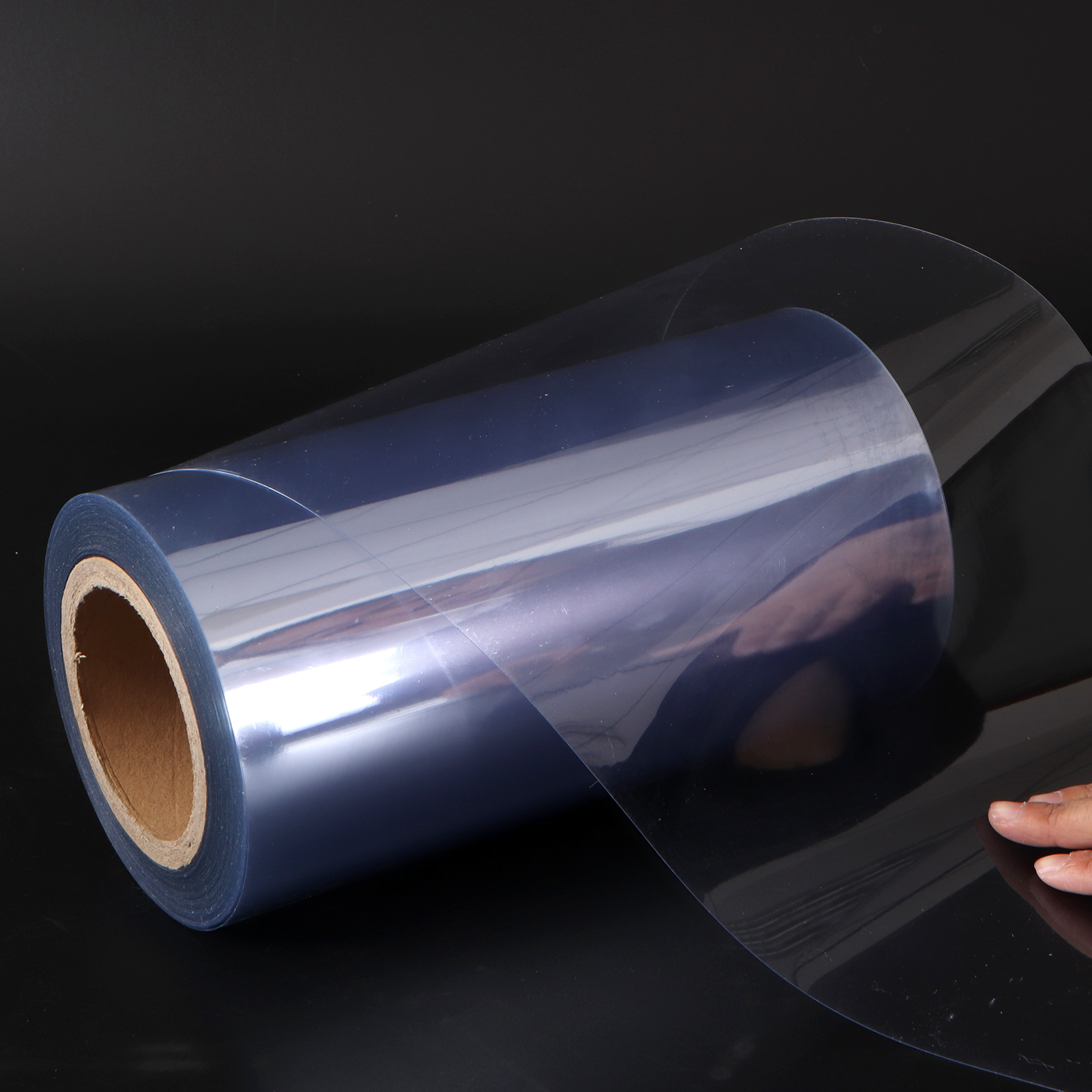
Automatic thermoforming production lines represent a cornerstone of modern packaging and manufacturing operations, where precision, speed, and material consistency determine profitability and product quality. Within these sophisticated systems, the PVC roll serves as the foundational material input that undergoes transformation from flat film into three-dimensional formed products through controlled heating, forming, and cooling cycles. Understanding how PVC roll integrates into automatic thermoforming workflows requires examining the material properties, equipment interactions, process parameters, and operational sequences that enable high-volume production of blister packs, clamshells, trays, and other formed plastic products used across pharmaceutical, food, electronics, and consumer goods industries.
The integration of PVC roll into automatic thermoforming lines follows a carefully orchestrated sequence where material handling, thermal processing, forming mechanics, and downstream operations must synchronize to maintain continuous production flow. The rigid or semi-rigid characteristics of PVC film make it particularly suitable for thermoforming applications that demand clarity, durability, and precise dimensional control, while the roll format enables uninterrupted feeding mechanisms that support automated production rates ranging from hundreds to thousands of formed units per hour. This article explores the specific mechanisms, technical considerations, and operational practices that define how PVC roll functions within automatic thermoforming environments, providing manufacturers and process engineers with actionable insights into material selection, equipment configuration, process optimization, and quality assurance protocols.
Material Feeding and Unrolling Mechanisms in Thermoforming Systems
Continuous Feed Architecture and Roll Mounting Configuration
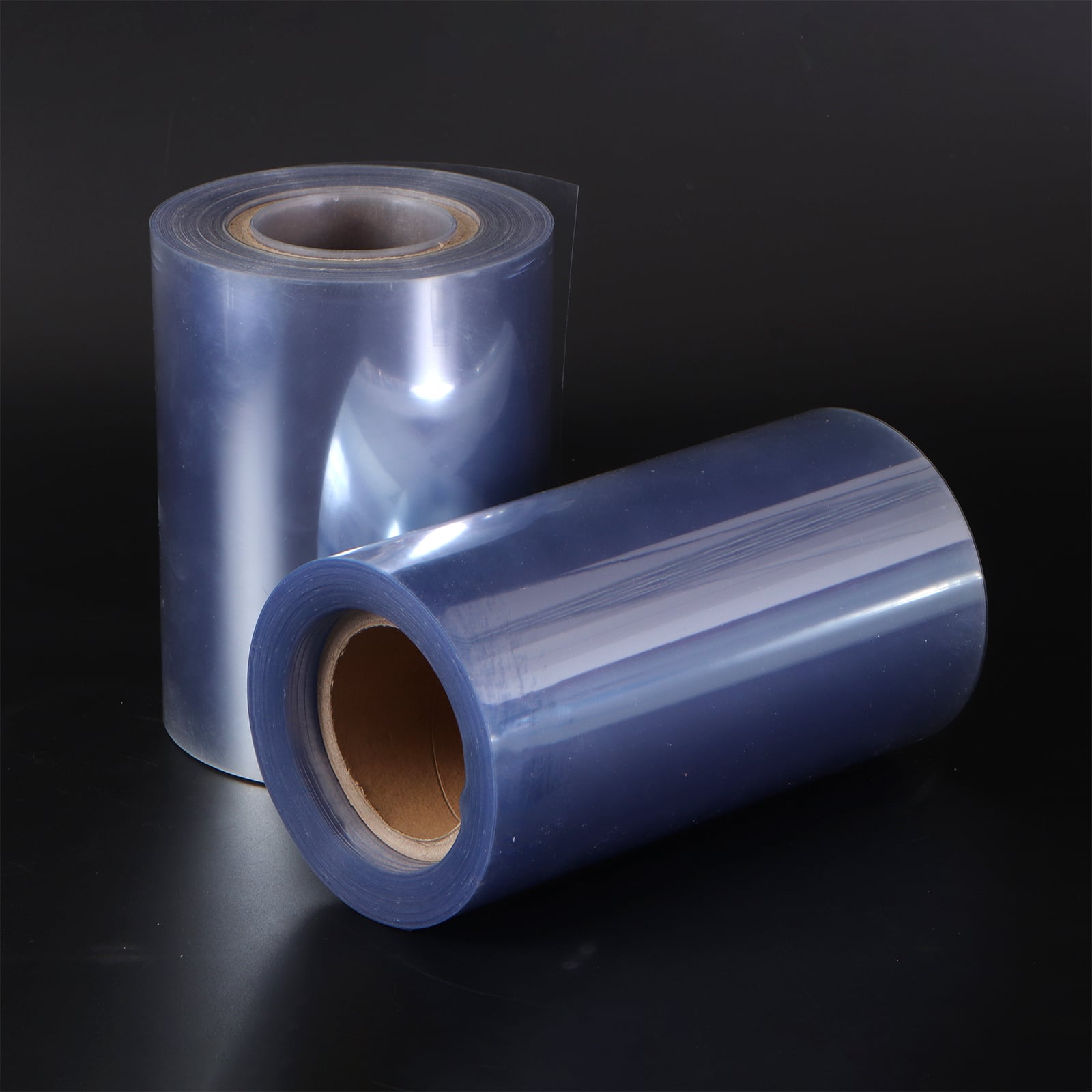
Automatic thermoforming production lines employ specialized unwind stands designed to accommodate large-diameter PVC roll formats while maintaining consistent tension and alignment throughout the feeding process. These unwind systems typically feature pneumatic or motorized core chucks that grip the inner cardboard or plastic core of the PVC roll, enabling controlled rotation that releases film at a rate synchronized with downstream forming station demands. The PVC roll must be mounted with precise alignment to prevent lateral drift or edge wander that could cause material waste, misregistration during forming operations, or equipment jams that interrupt production continuity.
Tension control systems integrated into the unwind section apply calibrated resistance to the PVC roll as it unspools, preventing excessive slack that could create wrinkles or folds while avoiding over-tensioning that might stretch the film beyond its elastic limit and compromise dimensional accuracy in formed products. Dancer rollers or load cells continuously monitor web tension, feeding real-time data to programmable logic controllers that adjust unwind motor speed or brake pressure to maintain target tension values typically ranging from two to eight pounds per linear inch depending on PVC roll gauge and line speed specifications.
Edge Guiding and Material Tracking Systems
As the PVC roll feeds into the thermoforming line, automated edge guidance systems detect the lateral position of the film web using optical sensors or ultrasonic detectors positioned along the material path. These sensing devices identify any deviation from the centerline reference point and trigger servo-controlled guide rollers that shift laterally to realign the PVC roll feed path before material enters critical heating and forming zones where misalignment would result in defective products or mold damage.
High-speed automatic thermoforming lines processing PVC roll material at rates exceeding one hundred feet per minute require edge guiding systems with response times measured in milliseconds to correct tracking errors before they propagate downstream. The transparent or translucent nature of many PVC roll grades presents unique challenges for optical detection systems, necessitating specialized sensors capable of detecting film edges against reflective or low-contrast backgrounds through infrared sensing technology or laser-based measurement systems that provide reliable edge detection regardless of PVC roll color or surface finish characteristics.
Thermal Processing and Heating Zone Operations
Heating Station Configuration and Temperature Profiling
Upon entering the heating zone of an automatic thermoforming production line, the PVC roll material passes between banks of infrared heating elements, ceramic heaters, or quartz lamps arranged above and below the film path to deliver controlled thermal energy that elevates the PVC roll temperature to its forming range. The specific temperature required for effective thermoforming of PVC roll varies based on formulation, plasticizer content, and gauge thickness, but typically falls within a processing window of three hundred twenty to three hundred seventy degrees Fahrenheit where the material achieves sufficient plasticity for deep drawing or pressure forming without degradation or discoloration.
Modern heating stations employ zone-controlled heating arrays where independent temperature regulation across multiple segments allows process engineers to establish thermal gradients that compensate for edge cooling effects or accommodate differential heating requirements for complex mold geometries. The PVC roll material residence time within the heating zone is precisely calculated based on line speed, film thickness, and target forming temperature, with typical exposure durations ranging from five to twenty seconds for standard gauge PVC roll materials used in packaging applications.
Heat Penetration and Thermal Uniformity Considerations
Achieving uniform heat penetration through the cross-section of PVC roll material represents a critical requirement for producing formed parts with consistent wall thickness distribution and mechanical properties. Heavier gauge PVC roll requires longer heating cycles or more intense thermal input to ensure the core temperature reaches forming levels while avoiding surface overheating that could cause blistering, hazing, or material breakdown on exposed surfaces.
Thermal imaging systems integrated into advanced automatic thermoforming lines continuously monitor the surface temperature profile of PVC roll material as it exits the heating zone, providing visual confirmation of temperature uniformity and enabling real-time adjustment of heater output to maintain optimal forming conditions. These monitoring systems prove particularly valuable when transitioning between different PVC roll specifications or adjusting production parameters for new product designs, as they provide immediate feedback on heating effectiveness and help identify temperature distribution issues before they result in forming defects or production waste.
Forming Station Operations and Mold Interaction
Vacuum Forming Process Mechanics
At the forming station, heated PVC roll material is indexed into position over precision-machined aluminum or composite tooling that defines the final geometry of the formed product. In vacuum forming applications, atmospheric pressure differential drives the forming process as vacuum ports drilled through the mold surface evacuate air from the cavity, creating negative pressure that draws the softened PVC roll material down into the mold contours. The flexibility and elongation characteristics of properly heated PVC roll enable material to stretch and conform to mold details including undercuts, texture patterns, and dimensional features that define product functionality and aesthetic appearance.
The vacuum forming cycle typically completes within one to three seconds once sufficient negative pressure develops within the mold cavity, with vacuum levels ranging from twenty to twenty-eight inches of mercury depending on forming depth, detail complexity, and PVC roll material characteristics. Deeper draws or parts with sharp corner radii may require pre-stretching operations where compressed air inflates the PVC roll material into a controlled bubble before vacuum application, improving material distribution and reducing excessive thinning at high-strain locations within the formed part geometry.
Pressure Forming and Assisted Forming Techniques
High-end automatic thermoforming lines may incorporate pressure forming capabilities where positive air pressure applied above the PVC roll material supplements or replaces vacuum forces during the forming cycle. Pressure forming systems can achieve greater detail definition, sharper corner reproduction, and improved surface finish compared to vacuum-only processes, making them suitable for demanding applications where PVC roll products must meet stringent aesthetic or dimensional specifications.
The combination of vacuum and pressure forces in dual-assist forming systems enables processing of thicker gauge PVC roll materials and more complex geometries than achievable through single-action forming methods. Pressure forming operations typically employ forming pressures ranging from fifty to one hundred pounds per square inch applied through sealed pressure boxes that create a controlled environment above the heated PVC roll material during the forming cycle, while simultaneous vacuum application from below ensures complete contact between the PVC roll and all mold surfaces including fine textures and intricate detail elements.
Cooling, Trimming, and Material Handling Sequences
Controlled Cooling Protocol and Dimensional Stabilization
Following completion of the forming cycle, the shaped PVC roll material must undergo controlled cooling while maintained in contact with the mold to stabilize the formed geometry and prevent dimensional distortion as the polymer transitions from its rubbery processing state back to rigid solid form. Cooling systems within automatic thermoforming lines employ chilled water circulation through channels machined into mold bases, forced air cooling directed at formed parts, or ambient air cooling depending on production rate requirements and part geometry considerations.
The cooling rate applied to formed PVC roll products influences residual stress patterns, dimensional accuracy, and optical properties of finished parts. Excessively rapid cooling can lock in thermal stresses that cause warpage or distortion after demolding, while insufficient cooling time results in parts that lack dimensional stability and may deform under their own weight when removed from mold cavities. Typical cooling cycles for standard packaging applications using medium-gauge PVC roll range from three to ten seconds, though complex geometries or thick-wall products may require extended cooling periods to achieve adequate dimensional stability before demolding.
Trimming Operations and Scrap Reclamation
After cooling, the continuous web of formed PVC roll products advances to trimming stations where steel rule dies, rotary cutting systems, or precision punching mechanisms separate individual formed parts from the surrounding web material. The skeleton or scrap web remaining after part removal constitutes a significant material stream that automatic thermoforming operations must manage efficiently to control raw material costs and minimize environmental impact.
Advanced production lines incorporate inline granulation systems that immediately process trim waste from PVC roll operations into reground particles suitable for reintroduction into film extrusion processes or sale to recycling operations. The cleanliness and consistency of PVC roll trim waste make it an attractive feedstock for recycling, though most thermoforming operations blend reground material with virgin PVC roll at controlled ratios to maintain consistent processing behavior and finished product quality standards across production runs.
Process Control and Quality Assurance Integration
Real-Time Monitoring and Parameter Verification
Modern automatic thermoforming production lines processing PVC roll incorporate sophisticated monitoring systems that track critical process variables including material temperature, forming pressure, cycle timing, and dimensional accuracy throughout production runs. Human-machine interfaces provide operators with graphical displays of current operating conditions, trend data showing parameter stability over time, and alarm notifications when process variables drift outside acceptable control limits established during process qualification activities.
Statistical process control protocols applied to PVC roll thermoforming operations establish control charts for key quality characteristics such as wall thickness distribution, dimensional conformance to print specifications, and visual appearance attributes including clarity, gloss, and freedom from surface defects. Regular sampling and measurement of formed PVC roll products at defined intervals enables early detection of process drift or tool wear conditions before they result in significant quantities of nonconforming product, supporting continuous improvement initiatives and maintaining high overall equipment effectiveness metrics.
Material Qualification and Incoming Inspection Standards
Successful integration of PVC roll into automatic thermoforming production lines requires rigorous incoming material qualification protocols that verify compliance with processing specifications before materials enter production environments. Key acceptance criteria for PVC roll typically include gauge tolerance verification, optical property assessment including haze and gloss measurements, mechanical property confirmation through tensile testing, and verification of dimensional characteristics including roll width, diameter, and core size compatibility with unwind equipment specifications.
Lot-to-lot variation in PVC roll properties represents a persistent challenge for thermoforming operations, as subtle differences in formulation, processing history, or storage conditions can influence forming behavior and finished product quality even when materials nominally meet purchasing specifications. Leading manufacturers establish approved supplier lists and maintain detailed material performance databases that correlate specific PVC roll lot identifiers with processing parameters and quality outcomes, enabling rapid process adjustment when transitioning between material lots and supporting root cause analysis activities when quality issues arise during production operations.
FAQ
What thickness range of PVC roll is suitable for automatic thermoforming production lines?
Automatic thermoforming production lines typically process PVC roll materials ranging from ten thousandths of an inch to sixty thousandths of an inch in thickness, with the most common packaging applications utilizing gauges between twelve and thirty thousandths. Thinner gauge PVC roll enables faster heating cycles and reduced material costs but may lack sufficient rigidity for structural applications, while heavier gauge materials provide enhanced impact resistance and barrier properties at the expense of longer cycle times and increased forming pressures. The optimal PVC roll thickness for a specific application depends on product geometry, performance requirements, and equipment capabilities of the thermoforming line.
How does PVC roll width affect thermoforming line productivity and efficiency?
PVC roll width directly impacts production efficiency by determining the number of formed parts that can be produced across the web in a single forming cycle. Wider PVC roll formats enable multiple-across forming configurations that multiply output rates without increasing line speed, though they require larger heating zones, forming stations, and more robust material handling equipment. Most automatic thermoforming lines are designed to accommodate specific PVC roll width ranges, typically standardized at dimensions such as forty-eight, sixty, or seventy-two inches, with material width selected to maximize the number of parts per cycle while minimizing trim waste in the skeleton web surrounding formed products.
Can PVC roll containing recycled content be processed on automatic thermoforming lines without modification?
PVC roll incorporating post-industrial or post-consumer recycled content can generally be processed on existing automatic thermoforming equipment, though formulation differences may require adjustment of heating temperatures, forming pressures, or cooling cycles to maintain product quality standards. Recycled content can influence optical properties such as clarity and color consistency, mechanical performance including impact strength and elongation characteristics, and thermal processing behavior compared to virgin PVC roll materials. Manufacturers typically conduct qualification testing with representative samples before approving recycled-content PVC roll for production use, establishing process parameter adjustments and quality acceptance criteria specific to the recycled material formulation.
What maintenance considerations are specific to processing PVC roll on automatic thermoforming equipment?
Processing PVC roll on automatic thermoforming lines requires attention to several maintenance considerations including regular cleaning of heating elements to remove plasticizer deposits that can accumulate and reduce thermal efficiency, inspection and replacement of vacuum seals that ensure proper forming pressure, and verification of edge guide system calibration to maintain web tracking accuracy. The release characteristics of PVC roll also necessitate periodic mold surface treatment or application of release agents to prevent sticking issues, particularly when processing high-gloss or textured PVC roll grades. Additionally, trim die cutting edges require regular sharpening or replacement as they dull from repeated cutting through PVC roll material, with inspection frequencies determined by production volume and material gauge specifications.
Table of Contents
- Material Feeding and Unrolling Mechanisms in Thermoforming Systems
- Thermal Processing and Heating Zone Operations
- Forming Station Operations and Mold Interaction
- Cooling, Trimming, and Material Handling Sequences
- Process Control and Quality Assurance Integration
-
FAQ
- What thickness range of PVC roll is suitable for automatic thermoforming production lines?
- How does PVC roll width affect thermoforming line productivity and efficiency?
- Can PVC roll containing recycled content be processed on automatic thermoforming lines without modification?
- What maintenance considerations are specific to processing PVC roll on automatic thermoforming equipment?