Cost Efficiency and Value Proposition Behind PVC Binding Cover Price Structures
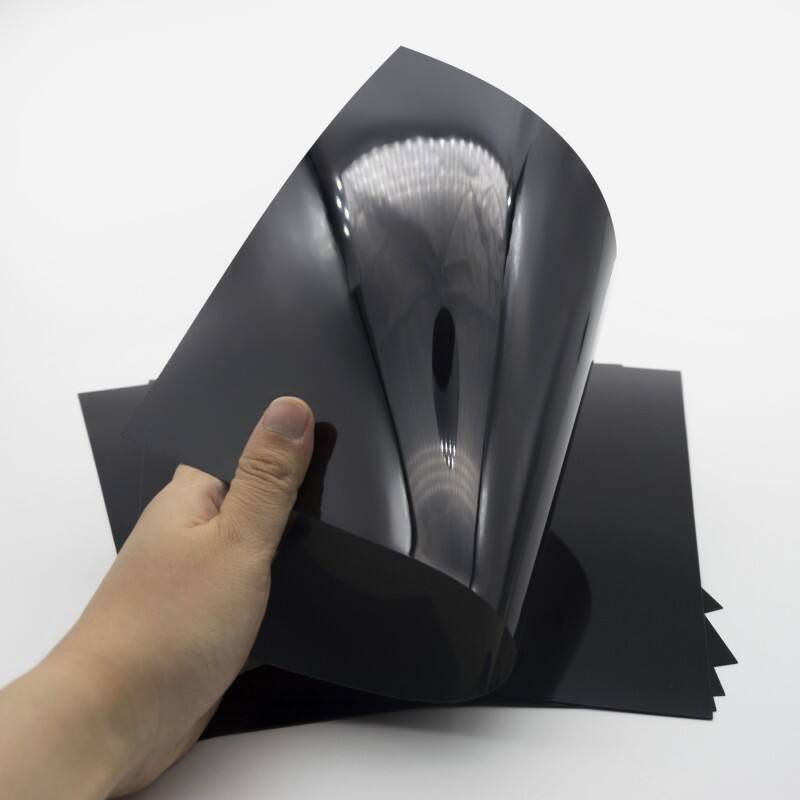
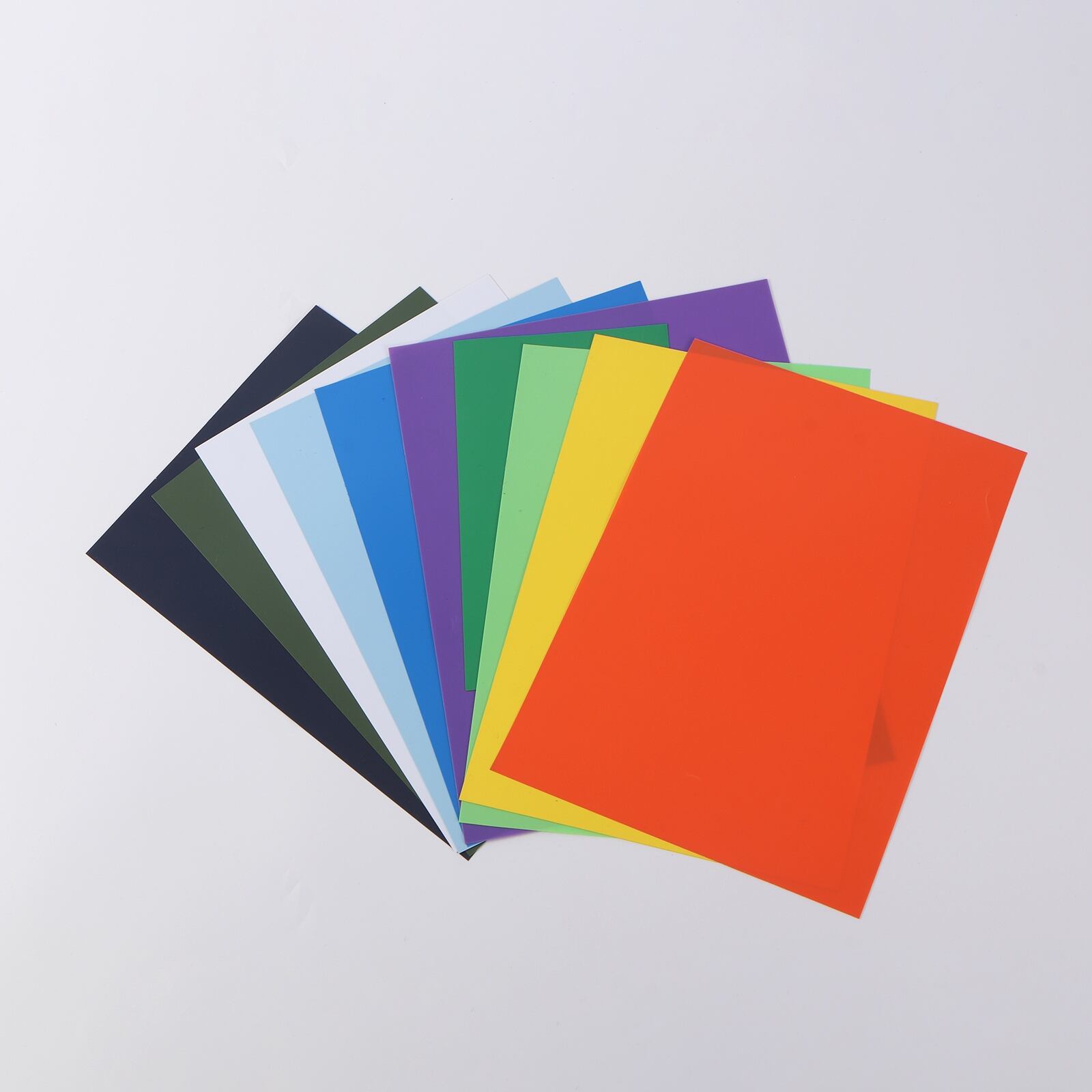
Analyzing the economic advantages reveals why the pvc binding cover price represents exceptional value rather than merely an expense category in document preparation budgets. The fundamental cost efficiency begins with the favorable price-to-performance ratio that PVC covers deliver compared to alternative binding cover materials. When calculating per-document costs for bound materials, the pvc binding cover price typically represents a small fraction of total production expenses while providing disproportionately large impact on perceived quality and document longevity. This economic efficiency becomes particularly evident in high-volume applications where organizations bind hundreds or thousands of documents annually for training materials, client presentations, or operational manuals. Bulk purchasing opportunities further enhance cost efficiency, with supplier pricing structures offering substantial discounts as order quantities increase. The pvc binding cover price per unit decreases significantly when purchasing boxes of five hundred or thousand sheets compared to small-quantity orders, allowing organizations to reduce per-document costs through strategic inventory management. This volume pricing structure does not require excessive capital commitment, as PVC covers maintain quality during extended storage periods without degradation, making bulk purchasing a risk-free cost reduction strategy. Material longevity contributes additional economic value by eliminating replacement costs associated with inferior cover materials that crack, yellow, or become brittle after brief periods. While initial pvc binding cover price might slightly exceed the cheapest alternatives, the total cost of ownership calculated over document lifespan demonstrates clear economic superiority. Documents bound with quality PVC covers remain usable and presentable for years rather than months, avoiding reprinting costs that would otherwise become necessary when covers degrade and compromise document appearance. Versatility across binding systems provides economic flexibility by eliminating the need to maintain multiple cover inventory types for different binding methods. The pvc binding cover price purchases a universal solution compatible with comb binding, coil binding, thermal binding, and other common binding technologies, simplifying inventory management and reducing the risk of ordering incorrect cover types. This compatibility reduces waste from unused specialty covers and simplifies procurement processes that otherwise require tracking multiple SKU numbers and supplier relationships. Reduced document damage translates directly to cost avoidance by preventing the need to reprint documents that would otherwise suffer damage without protective covers. The pvc binding cover price effectively functions as insurance against the significantly higher costs of document reproduction, particularly for color printing, specialty paper stocks, or documents requiring professional printing services. For legal documents, medical records, or compliance materials where document integrity carries regulatory significance, the protection provided justifies the pvc binding cover price through risk mitigation value alone. Labor efficiency improvements arise from the ease of working with PVC covers during the binding process. The material flexibility allows smooth feeding through binding equipment without jamming or requiring special handling techniques that would slow production. This operational efficiency, while indirect, contributes to the overall value proposition of the pvc binding cover price by maximizing throughput in binding operations and minimizing labor time per bound unit. Time savings accumulate substantially in production environments processing numerous documents daily. Market competition among PVC cover suppliers creates favorable pricing dynamics that benefit purchasers through competitive pvc binding cover price points without sacrificing quality. Robust supplier availability prevents monopolistic pricing and ensures that organizations can source quality covers at fair market rates through comparison shopping and supplier negotiation strategies that leverage competitive market conditions to optimize purchasing outcomes.
 EN
EN