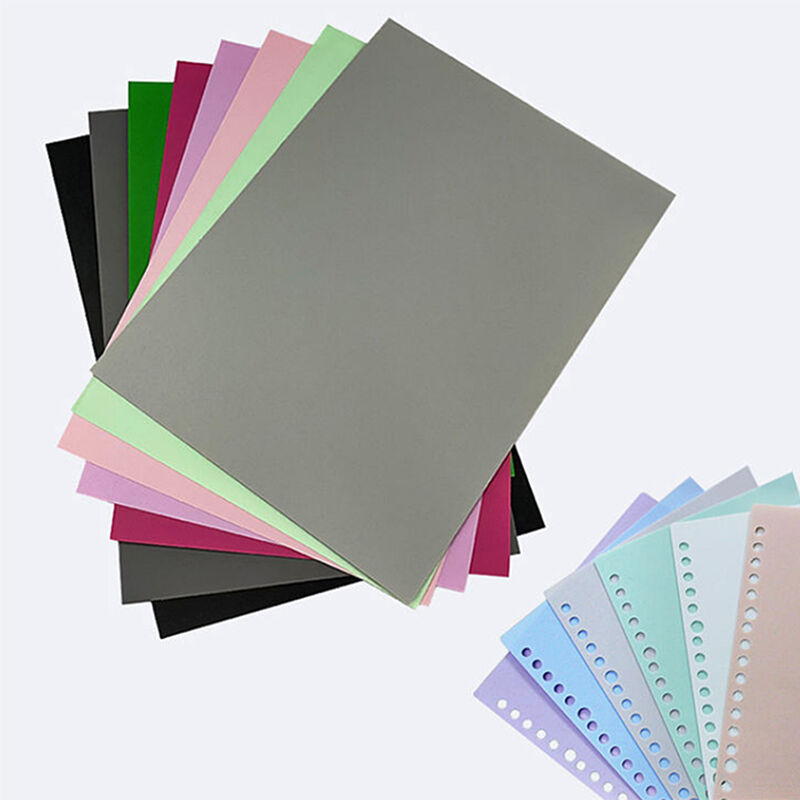
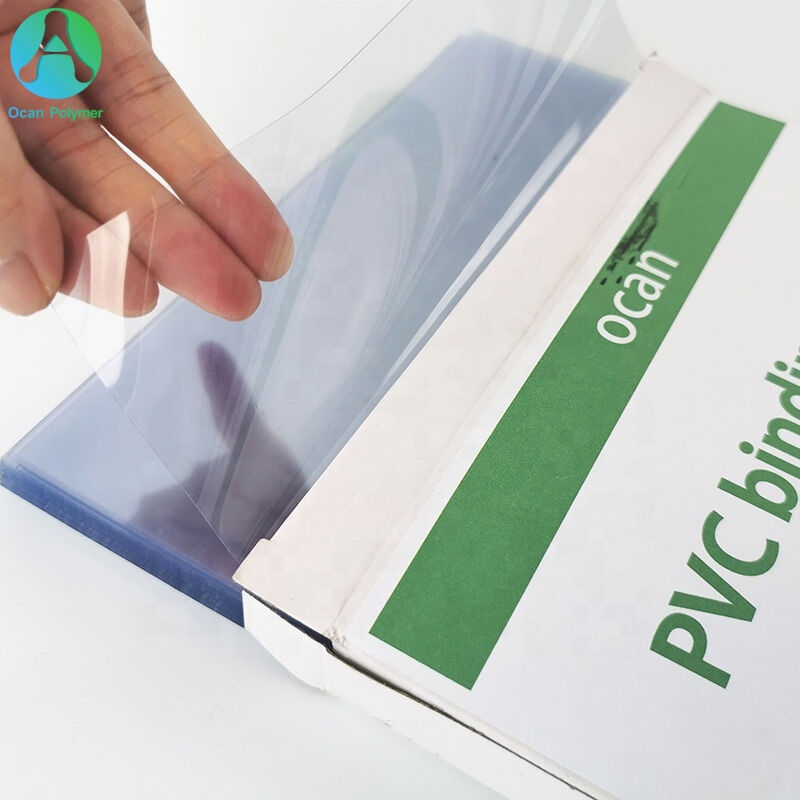
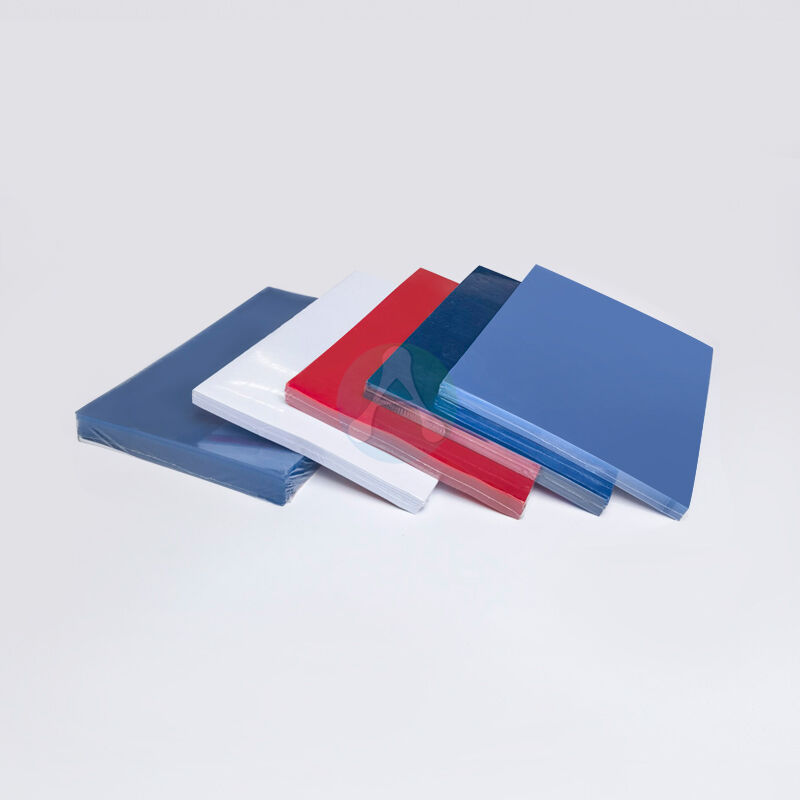
Premium PVC Book Covers - Durable Waterproof Protection for All Book Types

Get a Free Quote

Our representative will contact you soon.
Email
Name
Company Name
Mobile/WhatsApp
Message
0/1000

pvc book cover

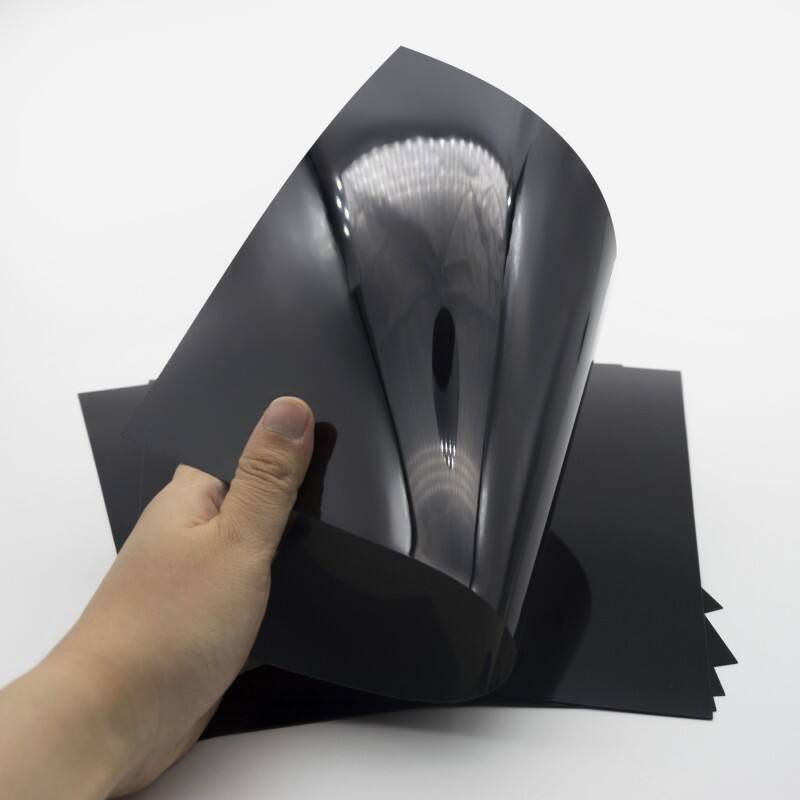
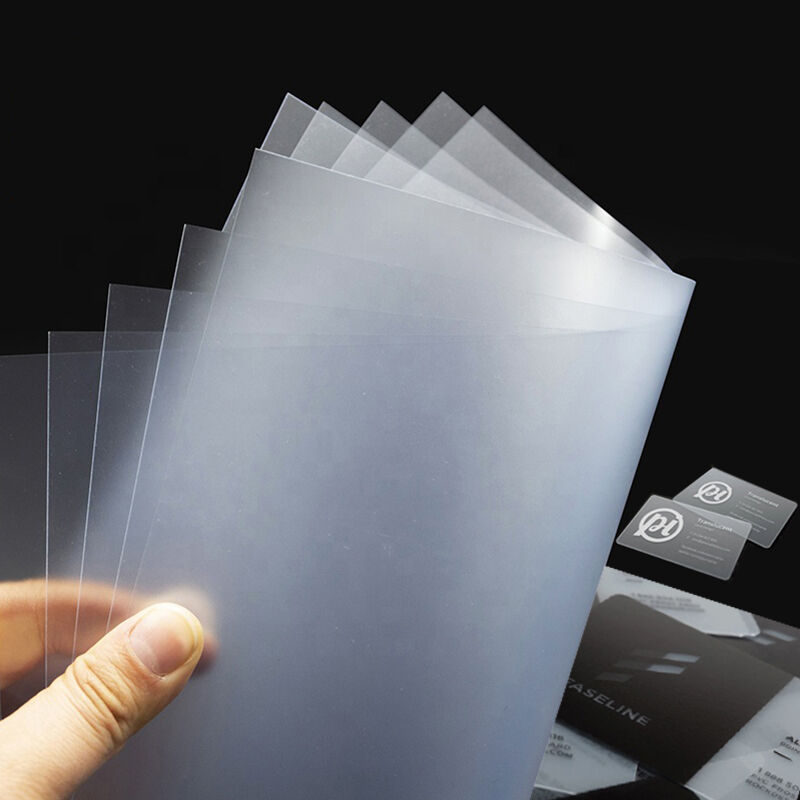
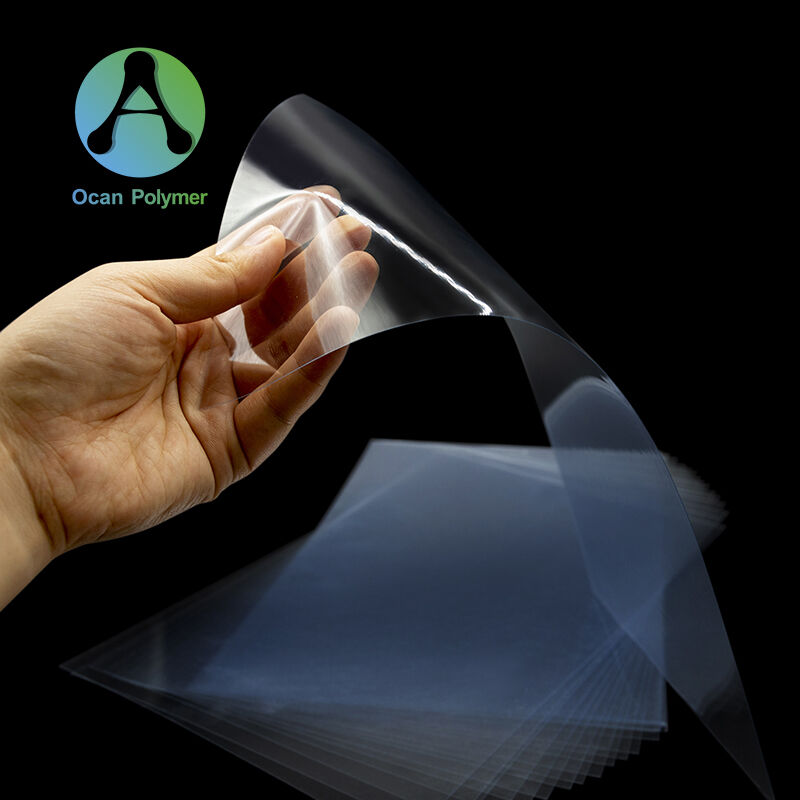
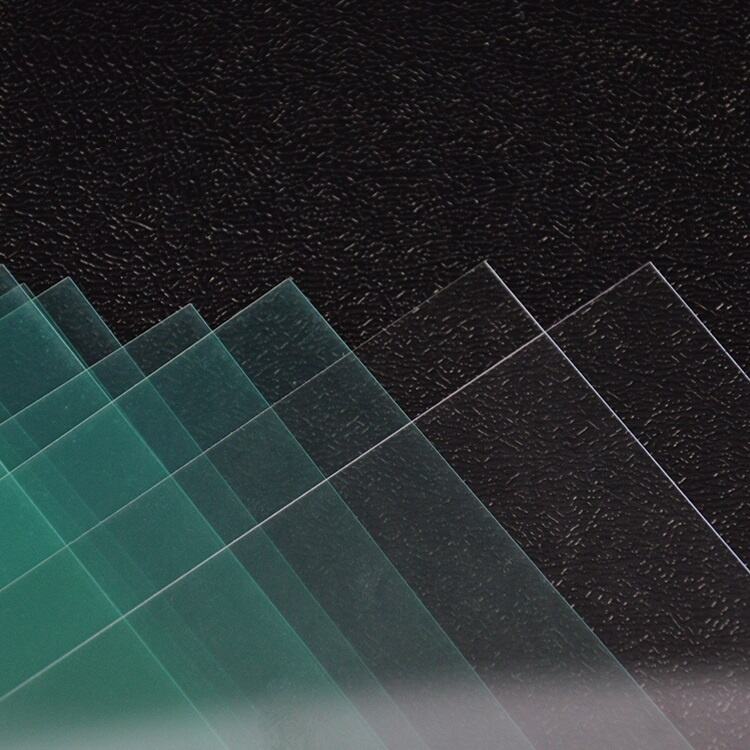
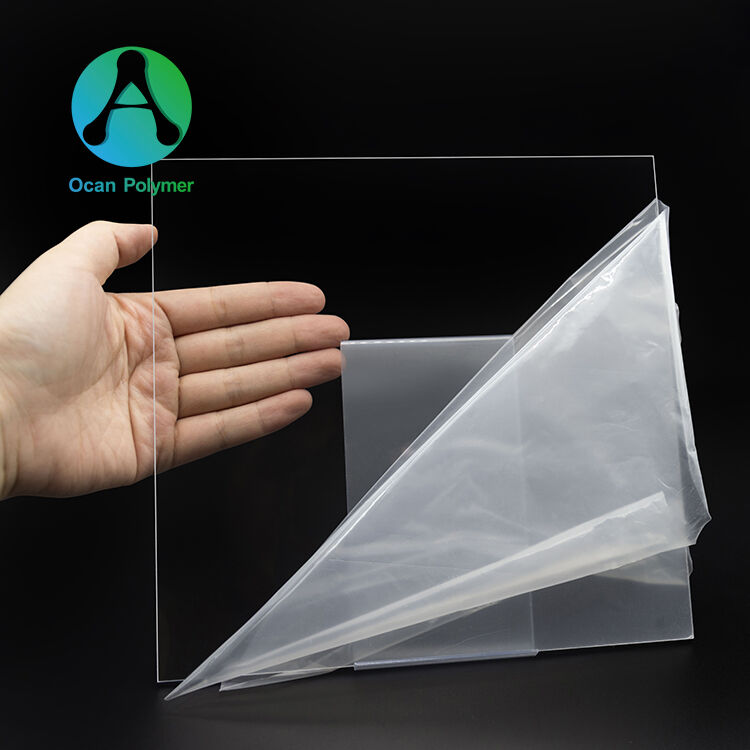
A pvc book cover represents an innovative protective solution designed to safeguard books, notebooks, textbooks, and various reading materials from everyday wear and tear. Constructed from premium polyvinyl chloride material, this versatile covering delivers exceptional durability while maintaining flexibility and visual clarity. The pvc book cover serves multiple essential functions including protection against moisture, dust, fingerprints, and accidental spills that could otherwise damage valuable publications. Its transparent design allows readers to view original cover artwork and titles without removing the protective layer, making it ideal for libraries, schools, bookstores, and personal collections. The technological features incorporated into modern pvc book covers include advanced UV-resistant formulations that prevent yellowing over time, ensuring long-lasting transparency and protection. Many designs feature smooth surfaces with anti-static properties that repel dust particles naturally, reducing maintenance requirements significantly. The material thickness typically ranges from 0.15mm to 0.30mm, providing optimal balance between protection and flexibility, allowing books to open freely without resistance. Manufacturing processes employ precision cutting and welding techniques to create seamless edges that prevent tearing and fraying during regular use. Applications for pvc book covers span educational institutions where textbooks require protection throughout academic years, commercial bookstores seeking to preserve inventory quality, library systems managing high-circulation volumes, and individual collectors protecting rare or valuable editions. The covers adapt to various book sizes through adjustable folding mechanisms or pre-sized options tailored to standard dimensions. Professional environments utilize these covers for maintaining pristine condition of reference materials, manuals, and corporate publications. The waterproof characteristics make pvc book covers particularly valuable in humid climates or settings where moisture exposure presents risks to paper-based materials. Environmental considerations have led manufacturers to develop recyclable pvc formulations that maintain protective qualities while reducing ecological impact, addressing growing sustainability concerns among consumers and institutions committed to responsible resource management.

New Products

Choosing a pvc book cover provides numerous practical benefits that directly enhance your reading experience and protect your investment in books. First and foremost, durability stands as a primary advantage, as the robust polyvinyl chloride construction withstands repeated handling, transportation in bags, and storage in various environments without deteriorating. Unlike paper or fabric covers, a pvc book cover resists tearing even when subjected to sharp objects or rough surfaces, extending the lifespan of protected materials substantially. The waterproof nature delivers peace of mind during commutes, outdoor reading sessions, or in households with young children, as accidental liquid spills simply bead on the surface and wipe away cleanly without penetrating to damage pages or original covers. Cost-effectiveness emerges as another compelling benefit, since a single pvc book cover purchase protects books worth significantly more, preventing costly replacements due to preventable damage. The transparency feature allows you to enjoy original cover designs, quickly identify books on shelves, and maintain aesthetic appeal without sacrificing protection. This visibility proves especially valuable for children learning to recognize books by cover images or for organizational systems relying on visual identification. Easy maintenance represents a significant time-saving advantage, as cleaning requires only a damp cloth to remove fingerprints, dust, or minor stains, unlike fabric covers requiring washing or paper covers becoming permanently soiled. The lightweight construction adds minimal bulk to books, ensuring comfortable reading without arm fatigue during extended sessions and allowing bags and shelves to accommodate their usual capacity. Flexibility enables smooth page turning and natural book opening, avoiding the stiffness sometimes associated with hard protective cases. Temperature resistance means pvc book covers perform reliably across diverse climates, neither becoming brittle in cold conditions nor softening excessively in heat. The non-toxic formulations used in quality products ensure safety for children and adults alike, meeting international standards for materials in regular contact with users. Installation simplicity allows anyone to apply covers quickly without specialized skills or tools, typically involving straightforward folding and tucking processes. Versatility extends to protecting not just books but also planners, journals, cookbooks, and study materials, making your purchase serve multiple purposes. The professional appearance maintained by pvc book covers proves valuable in business settings, educational presentations, or when lending materials to others. Long-term value calculation shows significant savings compared to replacing damaged books or investing in alternative protection methods requiring frequent renewal. The availability in various finishes including matte, glossy, and textured options allows customization based on personal preferences or specific functional requirements such as reduced glare during reading.

Practical Tips

Why Do Factories Use PVC Sheet for Electronic Component Packaging?

24

Apr

Why Do Factories Use PVC Sheet for Electronic Component Packaging?

Electronic component packaging demands materials that combine protective performance with economic viability, and PVC sheet for electronic component packaging has become an industry standard for good reason. Factories worldwide rely on this versatile...
View More
How Does PC Sheet Perform in ID Card Base Material Applications?

10

Apr

How Does PC Sheet Perform in ID Card Base Material Applications?

The identity card manufacturing industry demands base materials that deliver exceptional durability, optical clarity, and printability while maintaining consistent performance across millions of production cycles. PC sheet has emerged as a preferred ...
View More
Why Is ABS Sheet Applied in Vacuum Forming for Automotive Parts?

01

Apr

Why Is ABS Sheet Applied in Vacuum Forming for Automotive Parts?

The automotive industry demands materials that combine mechanical strength, thermal stability, and cost-effectiveness for manufacturing interior and exterior components. Among thermoplastic materials used in vacuum forming processes, ABS sheet has em...
View More
How Is Flexible PVC Film Used for Tablecloth Manufacturing Applications?

15

Apr

How Is Flexible PVC Film Used for Tablecloth Manufacturing Applications?

Flexible PVC film has become an indispensable material in the tablecloth manufacturing industry, offering manufacturers a versatile solution that combines durability, aesthetic appeal, and functional performance. This synthetic polymer material under...
View More

Get a Free Quote

Our representative will contact you soon.
Email
Name
Company Name
Mobile/WhatsApp
Message
0/1000

pvc book cover

Superior Protection Against Environmental Damage and Daily Wear

Superior Protection Against Environmental Damage and Daily Wear

The protective capabilities of a pvc book cover extend far beyond basic surface shielding, creating a comprehensive barrier against multiple forms of potential damage that threaten book integrity throughout their lifecycle. The material composition features molecular structures that repel water molecules effectively, preventing moisture infiltration that causes page warping, ink bleeding, and mold growth in paper-based materials. This waterproof characteristic proves invaluable during unexpected rain exposure, accidental beverage spills, or storage in humid environments where condensation might otherwise compromise book condition. The physical durability inherent in polyvinyl chloride construction absorbs impact forces that would normally cause corner crushing, spine damage, or cover creasing when books drop or experience rough handling during transport. Unlike untreated books that show wear patterns after minimal use, those protected by pvc book covers maintain like-new appearance even after years of regular handling. The scratch-resistant surface prevents the accumulation of surface abrasions that mar appearance and gradually weaken material integrity over time. Sunlight exposure, particularly ultraviolet radiation, causes fading and brittleness in unprotected book covers, but advanced pvc formulations incorporate UV-inhibiting compounds that filter harmful wavelengths while maintaining transparency. This protection proves especially critical for books displayed near windows or under artificial lighting in retail and library settings. The sealed edges prevent dust accumulation along book edges where particles typically infiltrate and cause discoloration or provide substrate for biological growth. Temperature fluctuations that cause expansion and contraction in book materials receive buffering through the pvc layer, reducing stress on binding adhesives and preventing premature separation of covers from page blocks. Chemical resistance protects against accidental exposure to cleaning products, cosmetics, or food substances that might otherwise stain or degrade original covers permanently. The anti-static properties engineered into quality pvc book covers actively repel airborne particles rather than attracting them as some plastics do, maintaining cleaner surfaces between cleaning sessions. Institutional settings benefit particularly from these protective qualities as high-circulation materials face exponentially greater exposure to damaging conditions compared to personal collections. The economic implications become substantial when calculating replacement costs avoided through effective protection, especially for expensive textbooks, collectible editions, or out-of-print materials difficult or impossible to replace at any cost.
Crystal Clear Transparency Maintaining Visual Appeal and Functionality

Crystal Clear Transparency Maintaining Visual Appeal and Functionality

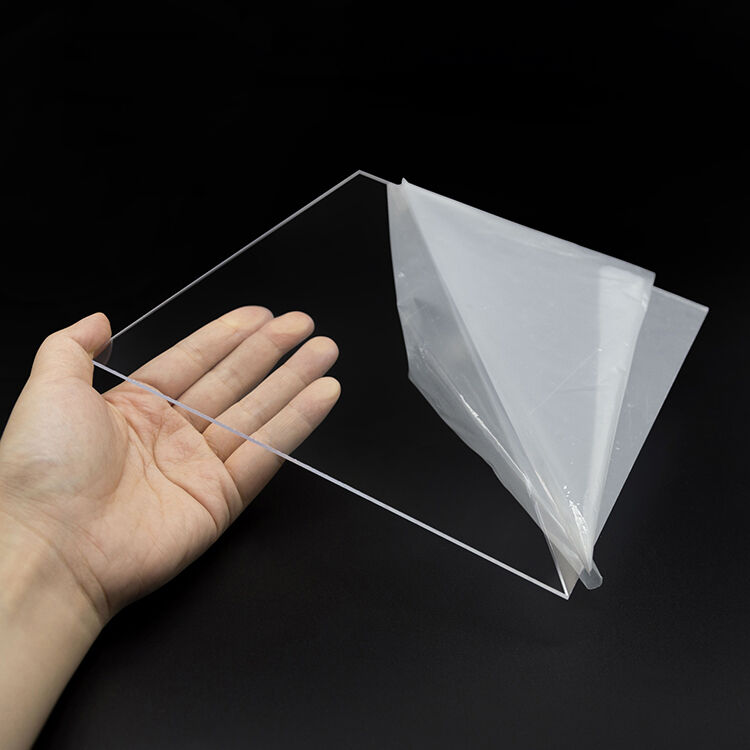
The optical clarity achieved in premium pvc book covers represents a significant technological achievement that balances protection with aesthetic preservation, allowing readers to enjoy original cover artwork, typography, and design elements without visual interference. Advanced manufacturing processes employ specialized extrusion techniques that align molecular chains uniformly, eliminating the cloudiness or distortion common in lower-quality plastic materials. This exceptional transparency serves practical purposes beyond aesthetics, enabling barcode scanning in retail and library environments without cover removal, facilitating quick identification in crowded bookshelves, and allowing visual inspection of cover condition without handling. The importance of maintaining original cover visibility extends to educational settings where children develop reading skills partly through recognizing familiar cover images and associating visual cues with content. Publishers invest substantial resources in cover design intended to attract readers and convey content themes, making preservation of these marketing and artistic elements valuable to all stakeholders in the book ecosystem. The pvc book cover accomplishes this preservation while adding protective functionality, creating synergy rather than compromise between protection and presentation. The material composition resists yellowing that plagues many plastics exposed to light and oxygen over time, ensuring that transparency remains consistent throughout the product lifespan rather than degrading into amber tones that distort color perception. This stability proves particularly important for art books, photography collections, and illustrated materials where color accuracy matters significantly. The smooth surface finish enhances rather than diminishes visual appeal by adding subtle gloss that enriches color saturation and provides depth to flat printed surfaces. Light transmission characteristics allow adequate illumination to reach cover surfaces even in dimly lit reading environments, maintaining readability of titles and author names crucial for book selection and organization. The uniformity of thickness across the entire cover surface prevents optical distortion that would otherwise create wavy or magnified appearances when viewing through the material at various angles. Quality control processes in manufacturing include optical testing to ensure each pvc book cover meets transparency standards, rejecting any units with inclusions, bubbles, or haze that would compromise visual performance. Professional environments appreciate the polished appearance that transparent protection provides, suggesting attention to detail and respect for materials that reflects positively on organizational image. Personal collectors find satisfaction in displaying protected collections where covers remain fully visible, combining preservation with presentation in home libraries or display cases. The psychological benefit of seeing books in pristine condition rather than showing wear contributes to reading enjoyment and pride of ownership that intangible but meaningful to book enthusiasts.
Flexible Design Accommodating Diverse Book Sizes and Formats

Flexible Design Accommodating Diverse Book Sizes and Formats

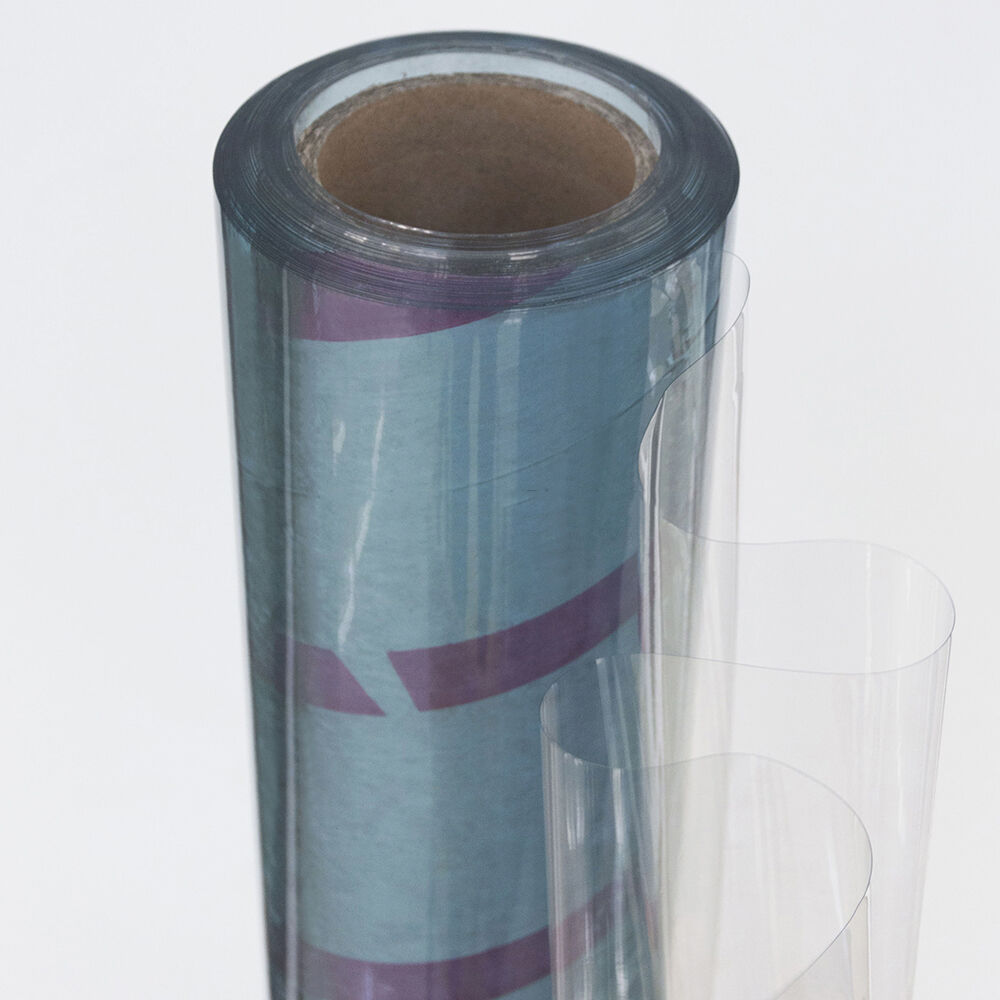
The adaptability engineered into pvc book cover designs addresses the practical challenge of protecting books across the enormous range of dimensions, binding styles, and formats present in modern publishing, from pocket paperbacks to oversized art volumes. This versatility stems from material properties that allow controlled flexibility without permanent deformation, enabling covers to conform to specific book dimensions through folding and tucking mechanisms that create custom fits without requiring precise pre-sizing. The controlled elasticity in quality polyvinyl chloride formulations permits stretching during application then recovers to maintain snug contact with book surfaces, preventing the loose fit that allows covers to shift and bunch during handling. Manufacturers offer pvc book covers in various formats including roll stock for custom cutting, pre-sized options matching standard book dimensions, and adjustable designs featuring multiple fold lines accommodating size ranges within single products. This variety ensures optimal solutions for different user needs, whether protecting single special volumes requiring perfect fit or covering classroom sets where standardized sizing improves efficiency. The thickness calibration in pvc book cover production considers flexibility requirements, with thinner gauges providing easier application on smaller books while thicker options deliver enhanced protection for larger, heavier volumes subjected to greater stress. The folding mechanisms incorporate memory properties that maintain crease positions after initial setting, ensuring covers remain properly positioned rather than gradually loosening over time. Edge treatments employ techniques preventing sharp corners that might cut pages or irritate hands during reading, often featuring rounded profiles or soft-feel finishes enhancing user comfort. The compatibility extends to various binding types including perfect bound paperbacks, case bound hardcovers, spiral bindings, and specialized formats like board books or lay-flat designs, with pvc book covers accommodating structural differences through appropriate flexibility zones. Professional applications in libraries utilize adjustable designs extensively due to collection diversity, where single product types protecting multiple book sizes reduce inventory complexity and training requirements for staff. Educational institutions benefit from bulk purchasing of versatile pvc book covers that serve entire textbook fleets despite inevitable size variations across publishers and editions. Personal users appreciate the ability to protect cherished books regardless of unusual dimensions that might otherwise require custom solutions or leave materials unprotected. The installation flexibility allows repositioning during application if initial placement proves imperfect, unlike adhesive-based protection systems requiring precise first-attempt positioning. The removability without residue or damage permits transfer of pvc book covers between books as protection needs change, extending product utility beyond single-book lifecycles. Specialized formats including magazine covers, journal protectors, and document sleeves derive from the same flexible design principles, expanding application possibilities beyond traditional bound books. The engineering challenges in creating truly universal yet effective protection have driven continuous innovation in pvc book cover design, with recent developments including expandable spines accommodating varying book thicknesses and modular systems allowing dimensional adjustment through add-on components. Consumer feedback consistently identifies versatility as a primary satisfaction factor, particularly among users managing diverse collections where purchasing multiple specialized cover types would prove impractical economically and logistically. The confidence that a pvc book cover will fit properly regardless of specific book dimensions removes barrier to protection, encouraging broader adoption and ultimately better preservation across entire collections rather than selective coverage of only standard-sized volumes.

Get a Free Quote

Our representative will contact you soon.
Email
Name
Company Name
Mobile/WhatsApp
Message
0/1000