 EN
EN

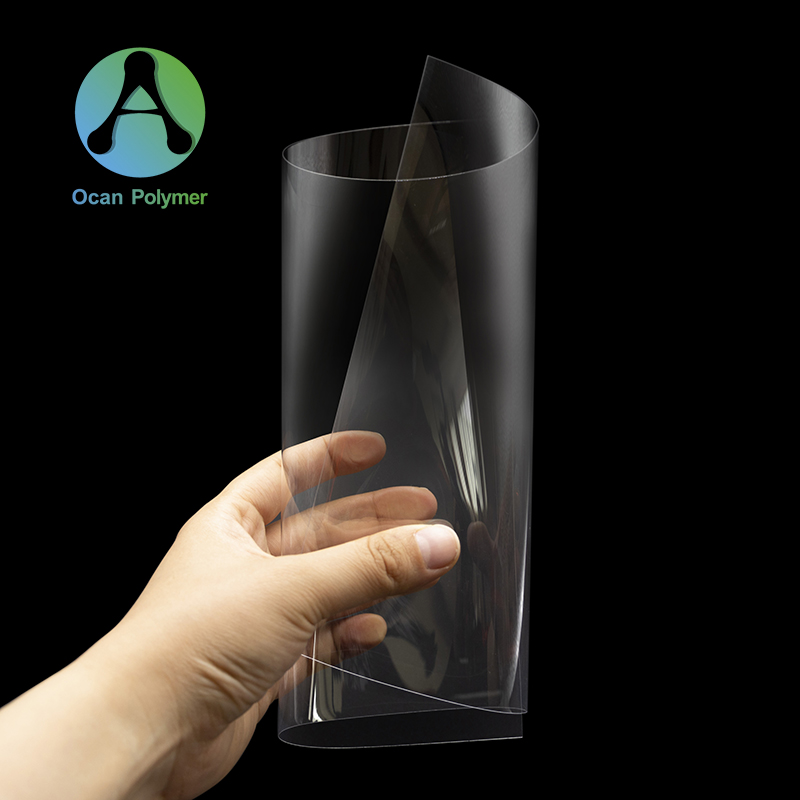
Industrial manufacturing relies on materials that balance durability, cost-effectiveness, and versatility. The pvc sheet has become a cornerstone material across numerous manufacturing sectors because it meets these critical demands while offering exceptional chemical resistance and dimensional stability. From automotive components to signage systems, pvc sheet solutions enable manufacturers to reduce production costs without compromising quality or performance standards.
Understanding where and why pvc sheet fits into your manufacturing workflow is essential for optimizing production efficiency and product quality. This article explores the primary industrial applications that make pvc sheet indispensable, the specific advantages each use case requires, and how to select the right pvc sheet specification for your operational needs.
Automotive and Transportation Applications
Interior Component Manufacturing
The automotive industry depends heavily on pvc sheet for interior trim, dashboard components, and door panel production. Pvc sheet provides manufacturers with the flexibility to create complex geometries while maintaining consistent wall thickness across high-volume production runs. The material's dimensional stability ensures that pvc sheet components fit precisely within assembly tolerances, reducing rework and scrap rates during final assembly stages.
Pvc sheet used in automotive interiors must resist temperature fluctuations and UV exposure without degrading or discoloring. Manufacturers select pvc sheet formulations that include UV stabilizers and plasticizers to maintain surface appearance and mechanical properties throughout the vehicle's operational life. This reliability makes pvc sheet a preferred alternative to competing materials that may yellow or become brittle over time.
Protective Panels and External Covers
Transportation equipment requires protective panels that withstand environmental exposure without corroding or requiring maintenance. Pvc sheet excels in this role because it naturally resists moisture, salt spray, and chemical contaminants that degrade metal alternatives. Manufacturers in marine, rail, and commercial vehicle sectors routinely specify pvc sheet for protective covers, cable trays, and weatherproof enclosures because pvc sheet combines durability with lightweight properties that reduce overall vehicle weight.
The cost advantage of pvc sheet becomes particularly evident in high-volume transportation applications where material costs directly impact profitability. By substituting pvc sheet for coated steel or stainless steel components, manufacturers achieve significant material cost reductions while maintaining superior corrosion resistance compared to painted metal alternatives.
Vacuum Forming and Thermoforming Operations
Thermoformed Consumer and Industrial Products
Vacuum forming and thermoforming processes depend on pvc sheet stock because the material's softening point and melt characteristics enable precise forming without excessive flash or material degradation. Pvc sheet used in thermoforming applications must maintain sufficient stiffness during heating to prevent sagging while remaining formable at processing temperatures. Manufacturers select rigid pvc sheet grades that achieve optimal balance between ease of forming and final product strength.
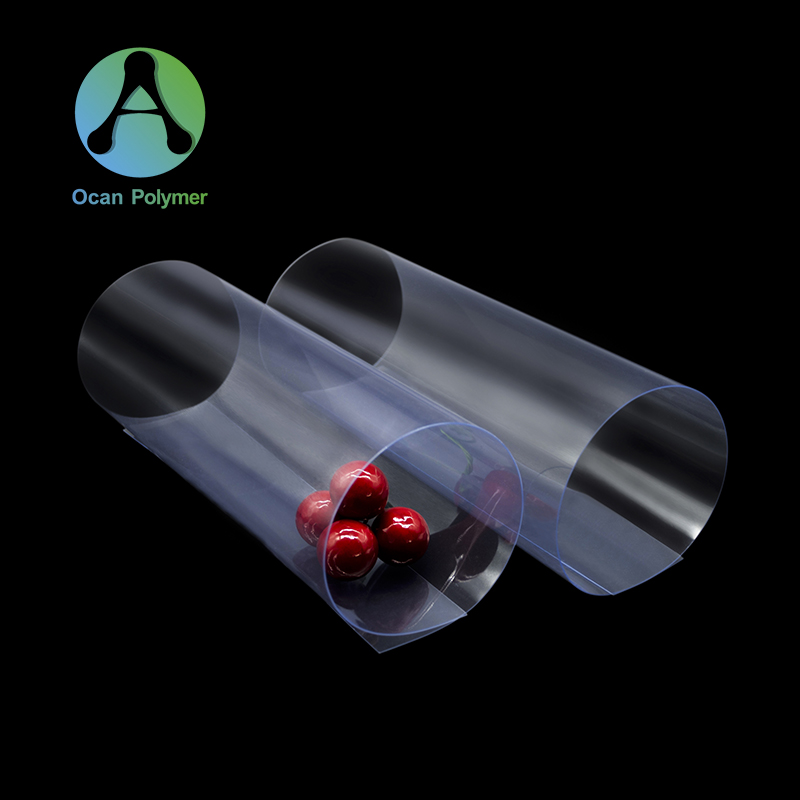
Pvc sheet's transparency options make it essential for thermoformed packaging, protective covers, and display windows where visibility matters. The material's clarity rivals acrylic alternatives while offering superior chemical resistance and lower material costs. Production facilities processing pvc sheet through thermoforming equipment benefit from reduced cycle times and minimal material waste because pvc sheet formulations are optimized for repeat heating cycles without property loss.
Custom Enclosures and Control Housings
Industrial equipment manufacturers producing control enclosures, electrical housings, and protective covers specify pvc sheet because the material offers electrical insulation properties combined with chemical resistance. Thermoforming pvc sheet creates seamless protective housings that prevent moisture and contaminant ingress without requiring welding or adhesive assembly. This manufacturing advantage reduces assembly labor costs while improving product reliability in harsh industrial environments.
Pvc sheet used in enclosure applications frequently requires flame retardant additives to meet safety standards in electrical and electronic equipment. Manufacturers can source pvc sheet that incorporates FR additives during extrusion, eliminating secondary treatment steps. This integration of fire protection directly into pvc sheet formulation simplifies quality control and ensures consistent performance across production batches.
Signage, Display, and Commercial Applications
Large Format Signage Manufacturing
Commercial signage production relies on pvc sheet because the material provides excellent dimensional stability, printability, and weather resistance without the cost premium of premium alternatives. Pvc sheet used in outdoor signage withstands extended UV exposure, temperature cycling, and moisture without warping or structural failure. The material's whiteness and uniform surface texture make pvc sheet ideal for direct digital printing and traditional silk-screen applications that demand consistent color reproduction.
Pvc sheet offers manufacturers the flexibility to produce custom sign blanks with integrated mounting features, reducing assembly operations. The material's machinability allows fabricators to cut, drill, and route pvc sheet rapidly without tool wear comparable to metal substrates. This processing advantage reduces production time and enables manufacturers to serve time-sensitive custom signage orders efficiently.
Point-of-Sale Display Systems
Retail display manufacturers specify pvc sheet for shelf dividers, product showcases, and information displays because the material combines clarity with printability and structural rigidity. Pvc sheet used in point-of-sale applications must maintain appearance under continuous handling without developing stress cracks or visible wear patterns. The material's durability ensures that displays remain serviceable throughout extended retail deployments without requiring replacement or refinishing.
Pvc sheet's availability in various thicknesses and formulations allows display manufacturers to optimize material selection for specific applications. Lightweight pvc sheet formulations reduce structural support requirements, while rigid pvc sheet grades provide maximum dimensional stability for large format displays. This material flexibility makes pvc sheet suitable for diverse retail environments from grocery stores to electronic retailers.
Chemical Storage and Laboratory Applications
Chemical Resistant Containers and Storage Systems
Industrial chemical storage facilities depend on pvc sheet for tanks, containment trays, and piping components because the material resists virtually all common solvents, acids, and alkaline solutions. Pvc sheet's chemical resistance eliminates concerns about material degradation that plague metals in corrosive environments. Manufacturers designing chemical storage systems specify pvc sheet because the material provides predictable long-term performance without maintenance or protective coatings.
Pvc sheet used in chemical applications must meet strict specifications regarding thickness uniformity, material purity, and resistance to specific chemical challenges. Rigid pvc sheet grades engineered for chemical service provide superior barrier properties compared to flexible alternatives. The investment in quality pvc sheet formulations produces substantial returns through extended service life and reduced replacement frequency in demanding industrial environments.
Laboratory and Medical Equipment Components
Laboratory equipment manufacturers incorporate pvc sheet in test apparatus, storage cabinets, and sample handling systems because the material provides chemical compatibility with common laboratory substances. Pvc sheet's transparency enables visual inspection of stored materials without requiring frequent access that compromises containment. The material's ease of fabrication allows lab equipment manufacturers to incorporate specialized features like integrated drainage systems and custom mounting surfaces directly into pvc sheet components.
Pvc sheet specifications for laboratory use emphasize dimensional accuracy and surface finish consistency because these properties directly impact equipment performance and data reliability. Manufacturers selecting pvc sheet for laboratory equipment verify that material formulations meet relevant regulatory standards for biocompatibility and chemical purity when applications involve biological or pharmaceutical products.
FAQ
What makes pvc sheet superior to alternative materials in industrial applications?
Pvc sheet combines exceptional chemical resistance, cost-effectiveness, and ease of fabrication compared to metal alternatives. Unlike steel or aluminum, pvc sheet requires no protective coatings in corrosive environments and maintains structural properties across wide temperature ranges. The material's versatility enables manufacturers to produce pvc sheet components through multiple processing methods including thermoforming, machining, and adhesive bonding, reducing specialized tooling investments compared to metal fabrication approaches.
How should manufacturers select the correct pvc sheet specification for their application?
Manufacturers evaluate pvc sheet selections by assessing chemical exposure requirements, temperature extremes, mechanical loading conditions, and aesthetic considerations specific to their application. Rigid pvc sheet formulations serve structural applications requiring maximum stiffness, while flexible pvc sheet grades accommodate applications requiring conformability. Consulting technical datasheets helps manufacturers verify that candidate pvc sheet materials meet regulatory requirements, including flame retardancy, food contact approval, or biocompatibility standards relevant to specific industries.
Can pvc sheet be recycled or reused in manufacturing operations?
Pvc sheet scrap generated during thermoforming, machining, and trim operations can be collected and reprocessed into new pvc sheet material or lower-grade applications. Manufacturers implementing recycling programs for pvc sheet offcuts reduce material waste and realize secondary material cost savings. Some pvc sheet suppliers accept post-consumer recycled material and incorporate it into virgin resin during manufacturing, creating closed-loop supply chains that improve environmental performance without compromising product quality.