 EN
EN

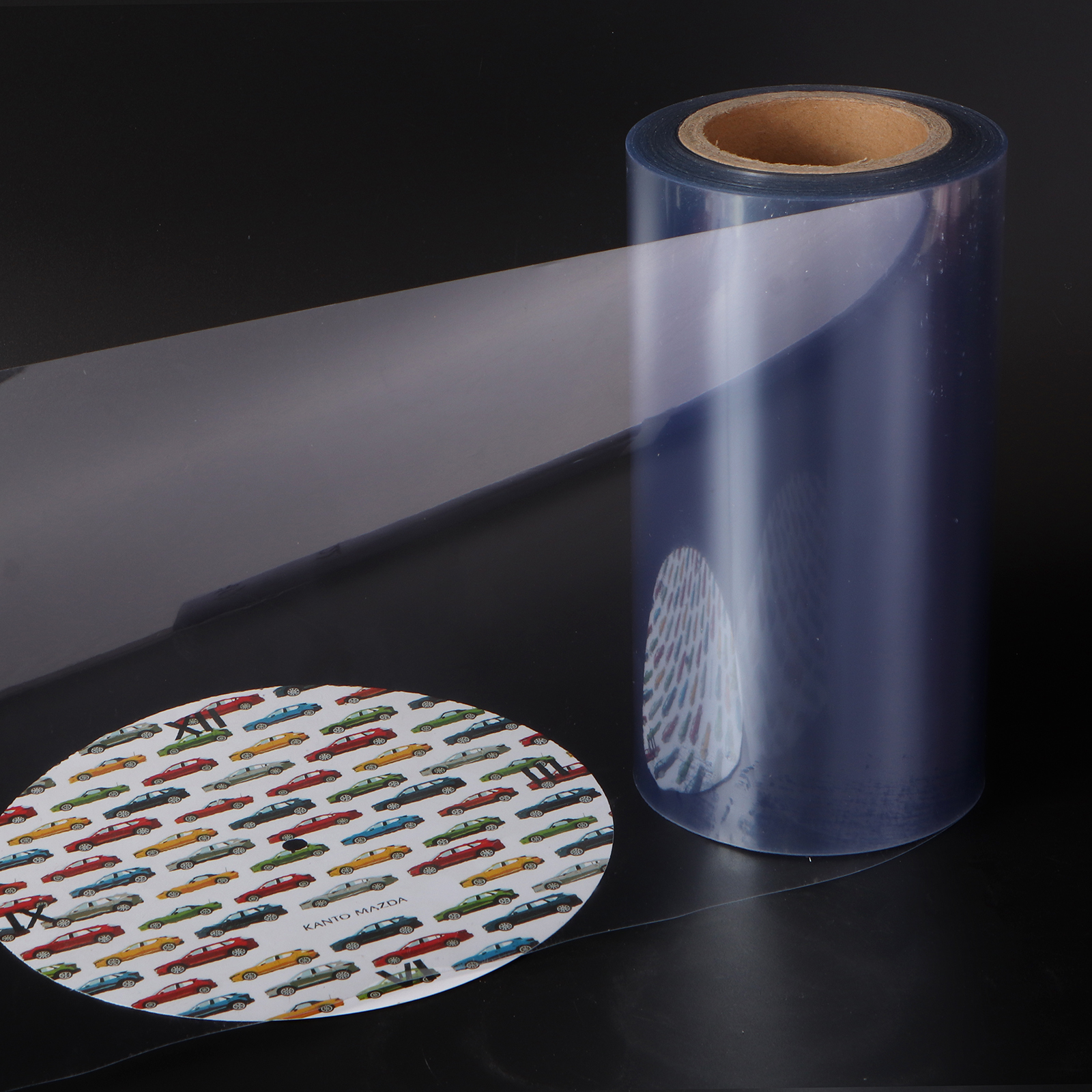
In modern thermoforming operations, material selection plays a decisive role in determining overall production efficiency. A high-quality PVC roll is one of the most impactful inputs a thermoforming manufacturer can choose. When the base material performs consistently, every downstream process — from heating and forming to trimming and packaging — becomes more predictable, faster, and more cost-effective.Understanding exactly how this material contributes to efficiency is essential for any operation looking to cut waste, minimize downtime, and maintain product quality.
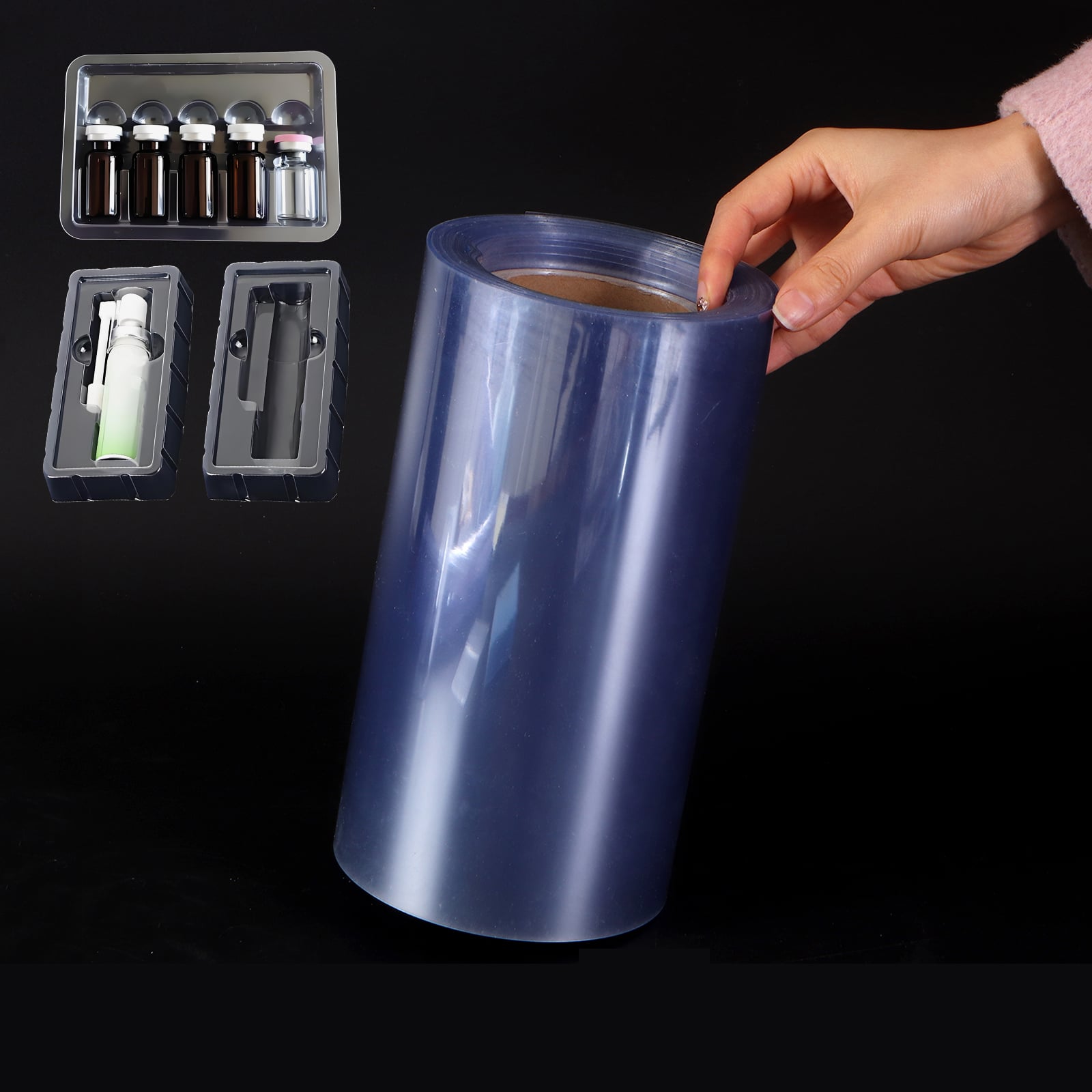
The relationship between this material and thermoforming efficiency is not superficial. It runs through every stage of the production line. Rolls with uniform thickness, consistent optical clarity, and stable thermal behavior directly reduce rejected parts, lower material consumption per unit, and keep forming cycles tight. Most operations see 15-20% less scrap after switching to a consistent, high-quality roll. For pharmaceutical blister packaging, food trays, and consumer goods packaging, choosing the right material is a strategic decision with measurable operational outcomes.
Material Consistency and Its Impact on Thermoforming Output
Thickness Uniformity Across the PVC Roll
One of the most critical factors in thermoforming efficiency is the thickness uniformity of the PVC roll being fed into the machine.When a roll has inconsistent gauge across its width or length, the forming process becomes unpredictable.Some areas of the formed part may be too thin, leading to structural weakness, while others may be too thick, causing forming defects or increased cycle times. A PVC roll engineered to tight thickness tolerances eliminates these variables and allows operators to set forming parameters with confidence.
Consistent thickness in a PVC roll also means that heating profiles remain stable across every forming cycle. The thermoforming oven or contact heater can be calibrated once and trusted to deliver repeatable results. This reduces the need for constant operator intervention, which is a direct efficiency gain. A reliable PVC roll shortens setup time, reduces trial runs, and keeps the production line moving at its intended pace.
Surface Quality and Release Performance
The surface quality of the material directly affects how cleanly formed parts release from the mold. A PVC roll with a smooth, defect-free surface produces parts that release consistently without sticking or tearing. Poor surface quality in a PVC roll leads to increased mold cleaning frequency, higher reject rates, and slower cycle times. When surface performance is reliable, the PVC roll supports high-speed thermoforming without compromising part integrity.
Thermal Processing Advantages of a High-Quality PVC Roll
Stable Softening Behavior Under Heat
Thermoforming efficiency depends heavily on how predictably a material softens and becomes formable under heat. A premium PVC roll is formulated to soften within a well-defined and repeatable temperature range. This stable thermal behavior means that heating times can be optimized without risk of over-softening or under-softening. When a PVC roll responds consistently to the applied heat, forming stations can be run at higher speeds without sacrificing part quality.
Thermal stability also reduces the risk of material degradation during processing.A PVC roll that maintains its structural integrity across repeated heating cycles allows manufacturers to run longer production batches without interruption. Fewer material-related stoppages translate directly into higher machine utilization rates, which is a core measure of thermoforming efficiency. Investing in a thermally stable PVC roll pays dividends across the entire production schedule.
Compatibility with Inline Thermoforming Systems
Modern thermoforming lines often operate inline, where the PVC roll feeds continuously into forming, cutting, and stacking stations without interruption. A PVC roll designed for inline processing must unwind smoothly, feed without slippage or tension variation, and maintain dimensional stability as it moves through the system. Any irregularity in the PVC roll — such as edge waviness, core eccentricity, or internal stress — can disrupt the inline flow and cause costly downtime. A PVC roll built for inline compatibility keeps the entire system synchronized and efficient.
Application-Specific Efficiency Gains from PVC Roll Selection
Pharmaceutical Blister Packaging Precision
In pharmaceutical blister packaging, the PVC roll must meet strict requirements for clarity, barrier performance, and dimensional precision. A PVC roll used in blister thermoforming must form cavities with exact depth and wall thickness to ensure proper drug containment and seal integrity. When the PVC roll delivers this level of precision consistently, pharmaceutical manufacturers can reduce inspection overhead, minimize batch rejections, and maintain compliance with regulatory standards. The efficiency benefit of a well-specified PVC roll in this application is both operational and regulatory.
High transparency in a PVC roll also supports automated inspection systems used in pharmaceutical lines. When the PVC roll offers consistent optical clarity, vision systems can detect defects, verify cavity fill, and confirm seal quality without false positives caused by material variation. This integration between PVC roll quality and automated inspection is a significant efficiency multiplier in high-volume pharmaceutical thermoforming operations.
Food and Consumer Goods Packaging Throughput
For food trays and consumer goods packaging, throughput speed is often the dominant efficiency metric. A PVC roll that supports faster forming cycles without increasing reject rates directly increases the number of saleable units produced per hour. Thin-gauge PVC roll grades allow for lightweight packaging designs that form quickly and trim cleanly. A PVC roll optimized for these applications reduces per-unit material cost and supports competitive packaging economics. Choosing the right PVC roll grade for each specific forming application is therefore a direct lever for improving line productivity.
FAQ
What thickness of PVC roll is most suitable for thermoforming blister packaging?
For pharmaceutical blister thermoforming, a PVC roll in the range of 0.25 mm to 0.40 mm is commonly used. This thickness range provides the right balance of formability, cavity definition, and structural integrity. The exact thickness of the PVC roll selected should match the cavity depth and wall thickness requirements of the specific blister design being produced.
How does PVC roll transparency affect thermoforming inspection processes?
A high-transparency PVC roll enables automated optical inspection systems to function reliably on the thermoforming line. When the PVC roll is optically clear and free from haze or streaks, vision cameras can accurately verify cavity dimensions, detect contamination, and confirm proper sealing. Inconsistent transparency in a PVC roll introduces false readings that slow down inspection and increase manual review requirements.
What roll diameter is compatible with standard thermoforming equipment?
Most standard thermoforming lines accept 300mm to 600mm core diameters, with 500mm being the most common industry standard. Always verify your machine's unwind specification before ordering, as larger diameter rolls reduce changeover frequency and improve line efficiency.
Can PVC roll performance be affected by storage conditions before thermoforming?
Yes, storage conditions directly affect PVC roll performance on the thermoforming line. A PVC roll stored in high humidity or exposed to temperature extremes may develop moisture absorption, edge curl, or internal stress that disrupts smooth unwinding and feeding. Storing the PVC roll in a controlled environment — typically at stable temperature and low humidity — preserves its dimensional and thermal properties, ensuring consistent thermoforming performance from the first meter to the last.