 EN
EN

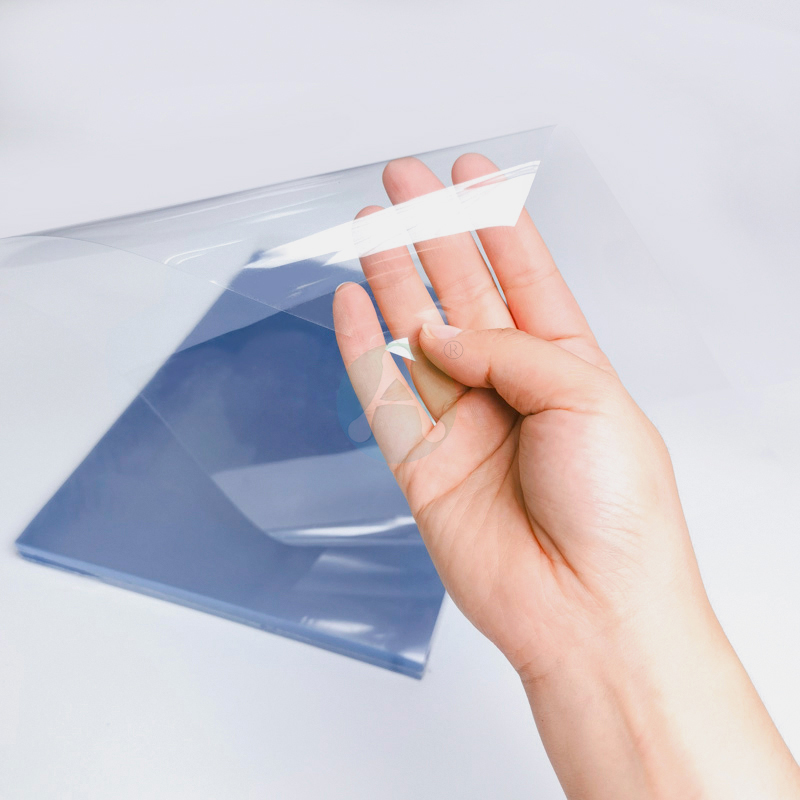
A pvc binding cover serves as a protective barrier that shields reports, documents, and bound materials from damage, wear, and environmental factors while maintaining a professional appearance. Understanding how a pvc binding cover functions helps businesses and organizations make informed decisions about document protection strategies. The mechanics of a pvc binding cover combine material science, structural engineering, and design principles to deliver reliable performance across diverse applications.
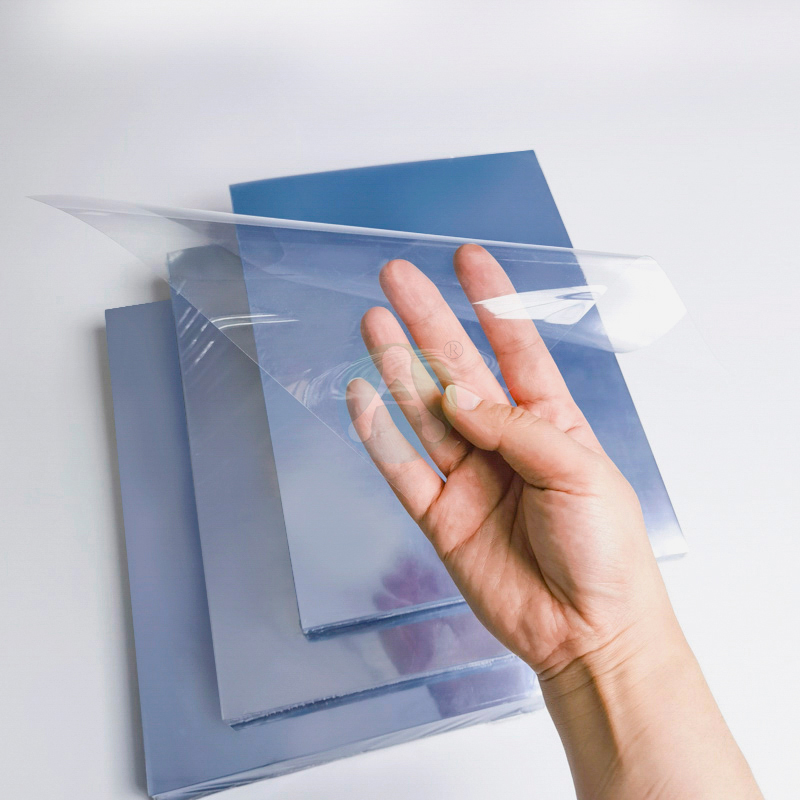
Professional organizations rely on pvc binding cover solutions to extend document lifespan and protect valuable information from physical deterioration. Whether used for annual reports, training manuals, financial statements, or archival records, a pvc binding cover provides consistent protection and maintains document integrity throughout its lifecycle. The transparent properties of many pvc binding cover options allow content visibility while the material itself resists moisture, tearing, and fading that could compromise document quality over time.
How Material Composition Enables Protection
Understanding PVC Chemical Properties
Polyvinyl chloride, commonly known as PVC, is a thermoplastic polymer that naturally resists moisture, chemicals, and environmental degradation. When manufactured as a pvc binding cover, this material creates a barrier against humidity, which is a primary cause of document deterioration. The molecular structure of PVC prevents water absorption, meaning that a pvc binding cover maintains its protective qualities even in humid environments where paper-based documents would swell, warp, or develop mold. This chemical resilience makes pvc binding cover an ideal choice for long-term document storage and protection.
Thickness and Rigidity Impact
The thickness of a pvc binding cover directly determines its protective strength and rigidity. Thicker pvc binding cover materials provide superior impact resistance, preventing documents from bending, creasing, or becoming damaged during handling, storage, or transport. A pvc binding cover ranging from 0.3mm to 1mm thickness offers the optimal balance between protection and flexibility for most binding applications. The rigidity of pvc binding cover ensures that bound documents maintain their shape and appearance, preventing the progressive compression and deformation that occurs with softer cover materials over extended storage periods.
Structural Design and Binding Mechanism
Attachment Methods and Durability
A pvc binding cover connects to document pages through various binding methods, including comb binding, spiral binding, thermal binding, or adhesive lamination. The selection of binding method affects how effectively a pvc binding cover protects documents at the attachment points, which are typically vulnerable to separation and damage. High-quality pvc binding cover systems ensure that the cover remains firmly attached to the document block without peeling, warping, or compromising the integrity of the binding mechanism. The flexibility of PVC allows pvc binding cover materials to accommodate repeated opening and closing without cracking at fold lines, which is a critical requirement for frequently referenced documents.
Transparency and Professional Presentation
Many pvc binding cover products feature glossy or clear transparency that allows document covers or title pages to remain visible without removing the protective layer. This design consideration means that a pvc binding cover enhances presentation value by displaying professional branding, report titles, or document identification without sacrificing protection. The transparency of pvc binding cover materials maintains visual access to essential information while the material itself shields against dust, fingerprints, and minor abrasions. High-gloss finishes on pvc binding cover products create a polished appearance that conveys professionalism and quality to recipients or stakeholders reviewing bound documents.
Environmental and Practical Protection Benefits
Defense Against Physical and Environmental Hazards
A pvc binding cover protects documents from multiple threat categories simultaneously, including physical damage, moisture infiltration, dust accumulation, and UV-induced fading. When a pvc binding cover encloses a document, the material acts as a buffer against spills, accidental impacts, and rough handling that would otherwise cause permanent damage to paper content. The anti-static properties of some pvc binding cover formulations prevent dust attraction, which is particularly valuable for documents stored in office environments or archives. UV stabilizers incorporated into premium pvc binding cover materials prevent color fading and material brittleness when documents are exposed to sunlight or fluorescent lighting over months or years.
Longevity and Cost-Effectiveness
Investing in quality pvc binding cover solutions extends document lifespan significantly compared to unprotected or lightly bound alternatives, ultimately reducing the cost per protected document. A pvc binding cover that functions effectively for five to ten years without degradation represents substantial savings for organizations managing large document volumes. The durability of pvc binding cover materials means that documents remain in usable condition through multiple review cycles, revisions, and archival periods without requiring re-binding or replacement. This cost-effectiveness advantage makes pvc binding cover adoption particularly attractive for businesses producing reports, manuals, training materials, and compliance documentation that require consistent protection standards.
Industry-Specific Applications
Educational institutions utilize pvc binding cover systems for textbooks, course materials, and administrative records that experience heavy handling from students and faculty. Legal and financial services firms depend on pvc binding cover solutions to protect confidential documents, contracts, and compliance records that must remain in pristine condition for regulatory audits or litigation. Healthcare organizations implement pvc binding cover protocols for patient records, medical histories, and treatment documentation where protection against contamination and damage is legally mandated. Manufacturing and engineering firms employ pvc binding cover technology for technical manuals, blueprints, and operational procedures that require long-term durability and protection against industrial environments.
FAQ
Does a pvc binding cover prevent document yellowing over time?
A pvc binding cover provides moderate protection against yellowing by blocking direct sunlight and reducing oxidation exposure, though some yellowing may occur if documents are stored in warm conditions for extended periods. UV-stabilized pvc binding cover formulations offer enhanced protection by filtering harmful ultraviolet light that accelerates paper discoloration. For maximum preservation of document color, store pvc binding cover materials in cool, dark environments and consider archival-quality paper products inside the cover for critical long-term records.
Can a pvc binding cover be recycled or reused?
Most pvc binding cover materials can be recycled through specialized plastic recycling programs, though acceptance varies by local recycling facilities and the specific PVC formulation used. Many organizations reuse pvc binding cover materials by removing worn documents and inserting new content, making this approach both economical and environmentally responsible. Before recycling or reusing a pvc binding cover, verify local recycling guidelines and the binding system design to ensure compatibility with recycling processes or reuse applications.
What thickness of pvc binding cover is recommended for high-volume document handling?
High-volume document handling and frequent reference typically requires a pvc binding cover thickness of 0.5mm to 1mm to withstand repeated opening, closing, and physical stress without cracking or separating. Thinner pvc binding cover materials may prove adequate for documents referenced infrequently or stored in controlled conditions, while maximum thickness ensures optimal protection for documents subject to intensive use. Consult with binding cover manufacturers to assess thickness requirements based on specific usage patterns, storage duration, and environmental conditions your organization anticipates.