 EN
EN

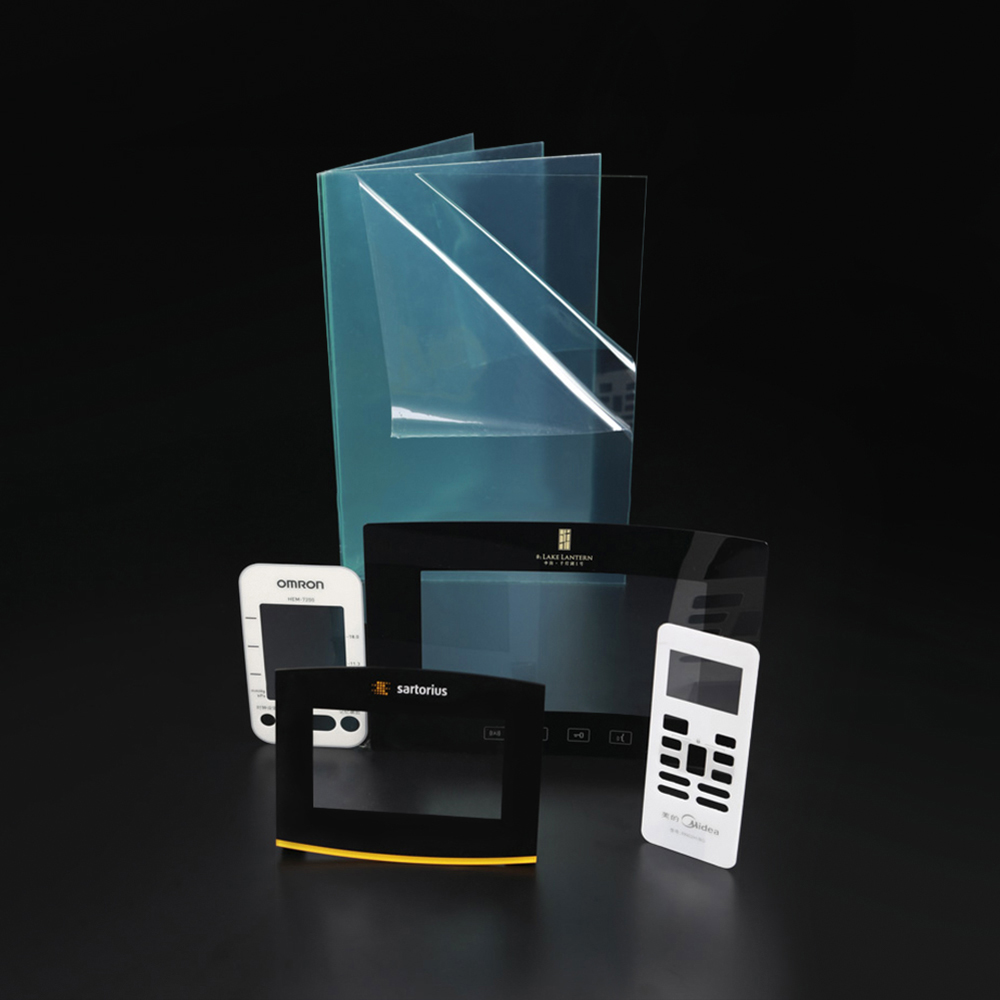
Engineers and product designers across multiple industries consistently select PC sheet as the optimal material for transparent protective shields because of its exceptional combination of clarity, strength, and protective performance. When protecting sensitive electronic components, displays, machinery, or workers, the choice of material directly impacts safety, longevity, and user experience. PC sheet delivers on all three fronts, which explains why manufacturers and engineers prioritize this solution in their product specifications and engineering requirements.
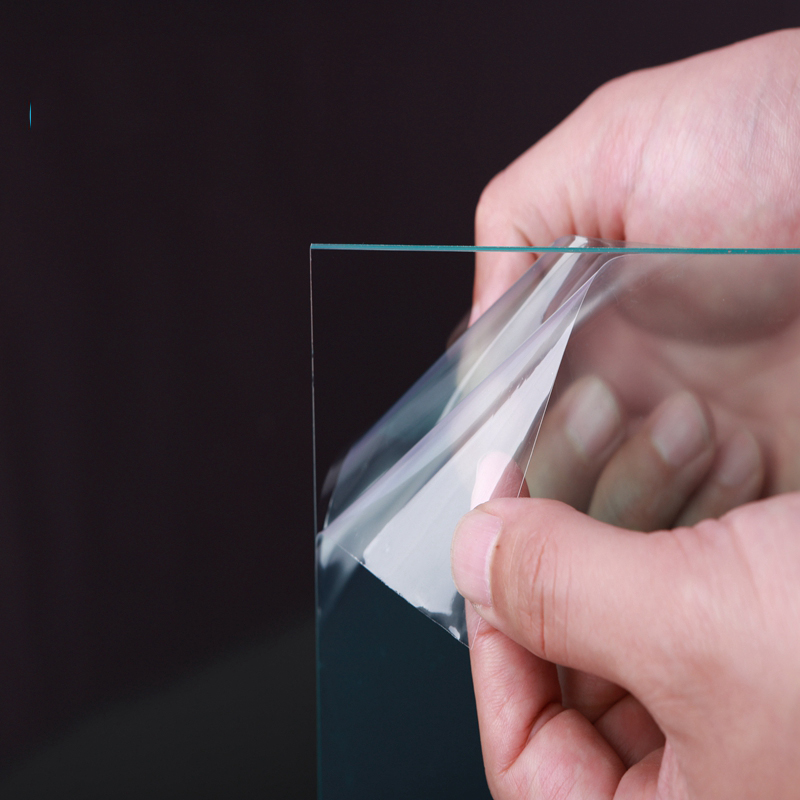
The decision to use PC sheet for protective shields reflects deep engineering knowledge about material science, structural integrity, and failure modes. Unlike glass or other brittle alternatives, PC sheet offers engineers a material that combines optical transparency with impact resistance, thermal stability, and design flexibility. This makes PC sheet the natural choice when protection must be both visible and reliable across demanding operational conditions.
Superior Impact Resistance and Safety Performance
Why Impact Strength Matters in Shield Design
Engineers prioritize impact resistance when selecting materials for protective shields because failure means exposure to hazards. PC sheet provides superior impact resistance compared to traditional glass or acrylic materials, absorbing energy from collisions, vibrations, or accidental contact without shattering or cracking. This property is especially critical in environments where equipment operates at high speeds, experiences mechanical stress, or requires personnel protection. When an engineer specifies PC sheet, they are ensuring that the shield remains intact under conditions that would shatter competing materials.
The toughness of PC sheet translates directly into reliability and safety compliance. Industrial facilities, manufacturing plants, and electronic equipment enclosures all benefit from the damage resistance that PC sheet delivers. Engineers know that PC sheet will withstand drops, vibration, thermal shock, and mechanical stress without creating sharp fragments or degrading protective function. This durability reduces maintenance costs, extends equipment lifespan, and most importantly, prevents accidents caused by shield failure.
Temperature Tolerance and Dimensional Stability
PC sheet maintains structural integrity across a wide temperature range, from frigid industrial environments to high-heat industrial applications. Engineers select PC sheet because it resists warping, discoloration, and brittleness even when exposed to extreme thermal cycling. This thermal stability means that PC sheet shields perform consistently whether protecting equipment in arctic warehouses or near heat-generating machinery. The material's low thermal expansion coefficient ensures that PC sheet fits precisely in mounting frames throughout its operational life, preventing gaps or seal failures.
Dimensional consistency is a critical engineering requirement for protective shields. PC sheet resists the creep and dimensional drift that engineers encounter with lower-grade plastics. This means that a PC sheet shield installed today will maintain its fit and protective function for years without adjustment or replacement. Engineers value this predictability because it simplifies design calculations, reduces assembly complexity, and eliminates premature replacement cycles.
Optical Clarity and Design Flexibility
Transparency Requirements in Modern Protective Shields
Transparent protective shields must provide visibility while maintaining protection, and PC sheet excels in this dual requirement. Engineers choose PC sheet because it delivers exceptional optical clarity without the brittleness and UV degradation of lower-quality plastics or the weight disadvantages of glass. The transparency of PC sheet allows operators to monitor equipment performance, observe displays, or verify mechanical status without removing the protective barrier. This visibility requirement makes PC sheet the preferred material in control panels, medical device windows, electronic display enclosures, and machinery observation windows.
The optical performance of PC sheet remains stable over extended periods, resisting yellowing and cloudiness that degrade other transparent materials. Engineers specify PC sheet for applications where long-term clarity is non-negotiable, such as automotive displays, industrial control interfaces, and precision equipment observation ports. The consistent light transmission of PC sheet ensures that visibility remains uncompromised throughout the shield's entire service life.
Customization and Formability Advantages
Unlike rigid glass, PC sheet can be thermoformed, machined, and fabricated into complex geometries that match specific equipment designs. Engineers leverage the formability of PC sheet to create curved shields, custom cutouts, and integrated mounting features without compromising strength or clarity. This design flexibility allows PC sheet to integrate seamlessly into modern product designs where aesthetic appeal and functional protection must coexist. The ability to customize PC sheet into virtually any shape makes it the practical choice for innovative shield applications.
The lightweight nature of PC sheet compared to glass reduces installation complexity and mechanical stress on mounting structures. Engineers benefit from the fact that PC sheet shields require simpler support systems, fewer fastening points, and less overall equipment weight. This efficiency translates into reduced design complexity, lower manufacturing costs, and faster installation timelines. When engineers evaluate total system performance and cost, PC sheet consistently delivers superior value through its combination of formability, strength, and workability.
Chemical Resistance and Environmental Durability
Protection Against Contaminants and Degradation
Industrial environments expose protective shields to chemicals, oils, solvents, and airborne contaminants that can damage susceptible materials. PC sheet resists degradation from most common industrial chemicals, making it suitable for harsh operational environments where shields must remain transparent and strong. Engineers specify PC sheet for pharmaceutical manufacturing, chemical processing facilities, food production, and automotive assembly where chemical exposure is inevitable. The chemical resistance of PC sheet ensures that protective performance and optical clarity persist despite challenging environmental conditions.
UV resistance is another critical factor that drives engineer selection of PC sheet for outdoor and high-light applications. PC sheet materials engineered with UV-stabilizing additives resist photooxidation and maintain clarity when exposed to prolonged sunlight. This makes PC sheet ideal for greenhouse coverings, outdoor equipment enclosures, and applications requiring decades of outdoor durability. The long-term performance of PC sheet under UV exposure exceeds competing transparent materials, justifying its selection in long-service-life applications.
Cleaning and Maintenance Considerations
The surface properties of PC sheet make it straightforward to clean and maintain, reducing operational downtime and extending transparency. Engineers appreciate that PC sheet can be cleaned with mild detergents and soft cloths without risk of crazing or surface damage that affects visibility. This ease of maintenance is especially valuable in medical, pharmaceutical, and food production facilities where hygiene and cleanliness standards are strict. PC sheet shields can maintain their protective and optical function through regular cleaning without special care protocols.
The durability of PC sheet surfaces under cleaning and abrasion means that protective shields retain their effectiveness throughout extended operational periods. Unlike softer plastics that scratch easily or brittle materials that crack during cleaning, PC sheet withstands routine maintenance without degradation. Engineers factor this maintenance resilience into their material selection, knowing that PC sheet will deliver consistent performance whether in pristine laboratory conditions or challenging industrial environments.
FAQ
What makes PC sheet better than glass for protective shields?
PC sheet outperforms glass in protective applications because it offers superior impact resistance, flexibility, and design adaptability while maintaining excellent optical clarity. Unlike glass, which shatters into dangerous fragments, PC sheet absorbs impacts and remains intact, providing ongoing protection even after mechanical stress. Additionally, PC sheet can be thermoformed into custom shapes, costs significantly less to produce, and weighs considerably less, making PC sheet the practical choice for most modern protective shield applications.
How long does PC sheet remain transparent and effective?
High-quality PC sheet with proper UV stabilization can maintain optical clarity and structural integrity for 10 to 20 years or more, depending on environmental exposure and maintenance. PC sheet resists yellowing, discoloration, and degradation far better than lower-grade plastics, making it reliable for long-service-life applications. Regular cleaning with mild detergents helps preserve the transparency and protective function of PC sheet shields throughout their operational lifespan, with minimal maintenance required.
Can PC sheet be used in high-temperature environments?
PC sheet maintains structural integrity and optical clarity in environments up to approximately 130°C (266°F) continuously, and can withstand brief exposure to higher temperatures without permanent damage. Engineers select PC sheet for industrial applications involving heat-generating equipment, steam, and elevated ambient temperatures because of this thermal tolerance. For extreme-temperature applications exceeding PC sheet limitations, alternative materials may be required, but PC sheet covers the vast majority of protective shield applications across manufacturing, electronics, and industrial sectors.