 EN
EN

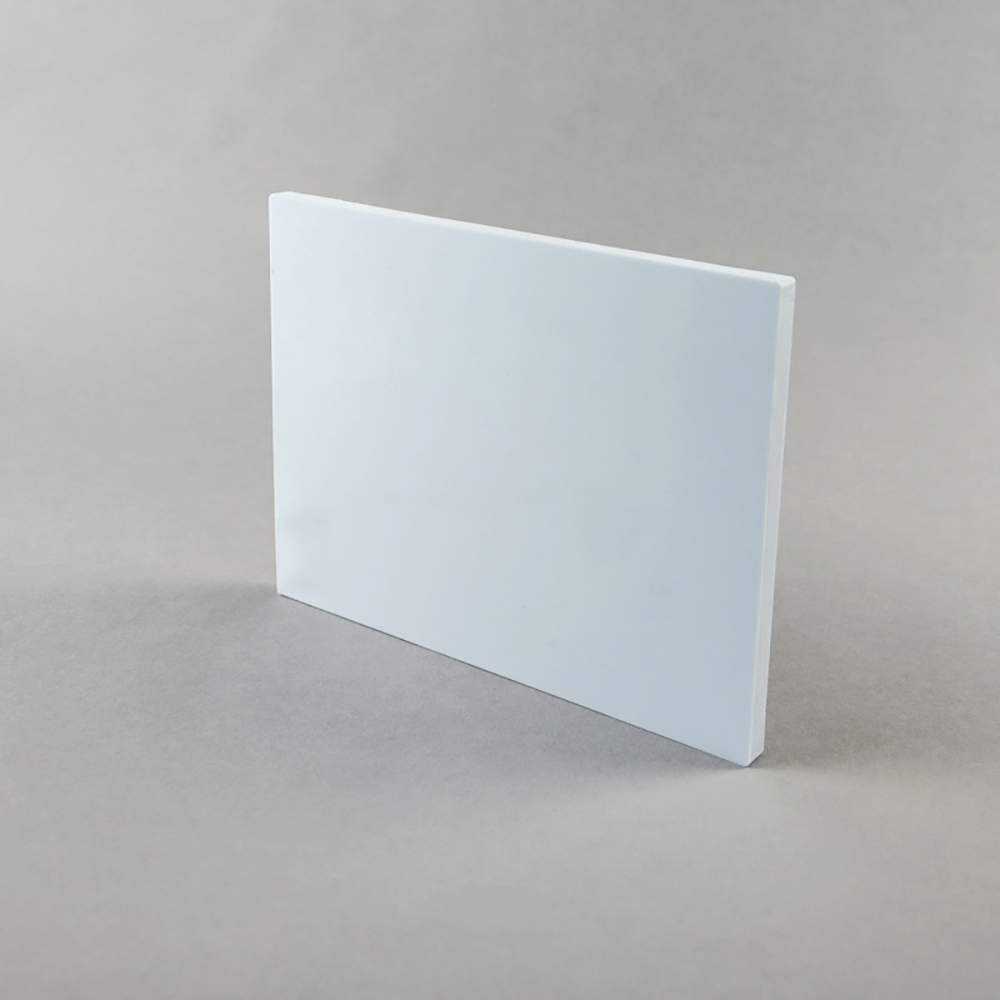
Reusable packaging has become a cornerstone of modern sustainability initiatives, and PP sheet stands out as one of the most effective materials for this application. Businesses across industries are recognizing that PP sheet delivers exceptional durability, environmental responsibility, and economic value when used in reusable packaging boxes and containers. The material's unique combination of strength, lightweight characteristics, and resistance to degradation makes PP sheet the preferred choice for companies committed to reducing waste while maintaining product protection.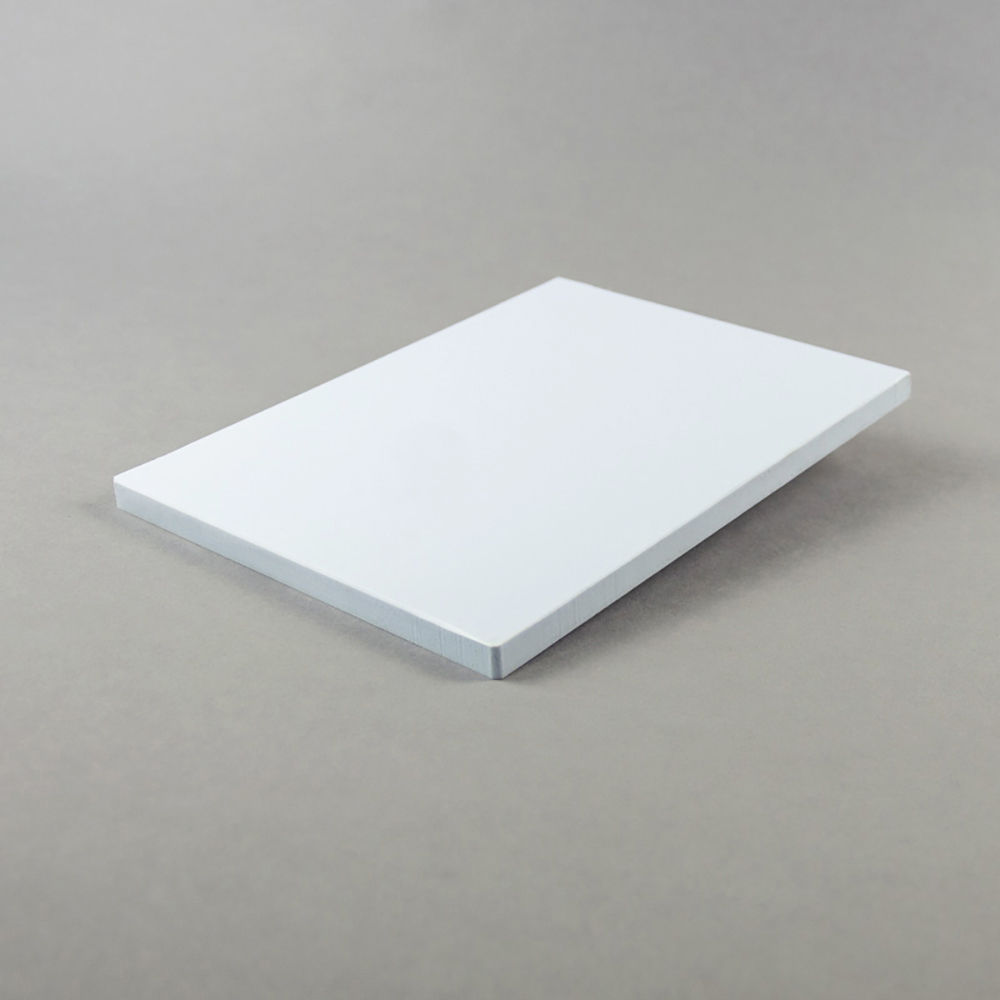
The decision to invest in PP sheet for packaging solutions extends far beyond simple material selection. Organizations understand that PP sheet provides a strategic advantage by reducing overall packaging costs while supporting circular economy goals. Whether your business ships consumer goods, manages warehouse storage, or handles e-commerce fulfillment, PP sheet delivers measurable performance benefits that justify the transition from single-use alternatives.
Superior Durability and Reusability Advantages
Why PP Sheet Withstands Repeated Use
PP sheet excels in durability precisely because of its molecular structure, which resists cracking, warping, and brittleness even after dozens of reuse cycles. Unlike cardboard or foam, PP sheet maintains its structural integrity through repeated handling, stacking, and environmental exposure. The material's inherent flexibility allows PP sheet containers to absorb impact without permanent deformation, meaning your packaging investment protects products reliably across multiple journeys. This durability multiplies the value proposition of PP sheet investments across time.
Economic Impact of Extended Lifespan
When you calculate the cost per use, PP sheet packaging dramatically outperforms single-use materials. A reusable PP sheet container can serve dozens of shipping cycles, effectively reducing the per-unit packaging expense to a fraction of traditional options. Businesses that transition to PP sheet report significant reductions in annual packaging budgets while simultaneously improving their sustainability metrics. The extended lifespan of PP sheet boxes means fewer replacements, lower inventory turnover, and predictable long-term packaging costs that support financial planning.
Environmental and Sustainability Benefits
Reducing Packaging Waste Through PP Sheet Solutions
The environmental case for PP sheet centers on waste reduction and resource efficiency. Every time a business replaces a single-use cardboard box with a reusable pp sheet container, it eliminates the packaging waste that would typically end up in landfills. PP sheet's recyclability ensures that when these containers finally reach end-of-life, the material enters recycling streams rather than becoming persistent waste. Organizations using PP sheet for reusable packaging contribute meaningfully to circular economy principles while demonstrating environmental stewardship to customers and stakeholders.
Lifecycle Carbon Advantages of PP Sheet
The lifecycle carbon footprint of PP sheet packaging becomes increasingly favorable over multiple use cycles. Although initial manufacturing involves energy investment, the extended reusability of PP sheet means the carbon cost distributes across dozens of shipments rather than a single journey. Compared to manufacturing new cardboard boxes repeatedly, the environmental impact of producing durable PP sheet containers and reusing them indefinitely proves significantly lower. This lifecycle advantage positions PP sheet as a genuinely sustainable choice for environmentally conscious enterprises.
Practical Performance Characteristics
Chemical Resistance and Protection Properties
PP sheet provides excellent resistance to moisture, oils, and many chemical substances that damage alternative packaging materials. This chemical stability means PP sheet containers protect contents effectively without requiring additional protective layers or coatings. Products stored or shipped in PP sheet boxes avoid moisture absorption, contamination, and degradation regardless of warehouse conditions or transport environments. The reliability of PP sheet in diverse climatic and chemical contexts makes it particularly valuable for industries handling sensitive goods.
Customization and Aesthetic Flexibility
PP sheet can be thermoformed into virtually any container configuration, offering customization possibilities that align with specific packaging needs and brand requirements. The material accepts color integration, printing, and surface finishes that enhance brand presentation while maintaining functional durability. Businesses appreciate that PP sheet containers deliver professional appearance alongside practical reusability, creating packaging that improves customer perception. The aesthetic flexibility of PP sheet means reusable packaging need not compromise visual appeal or brand identity considerations.
Implementation Considerations and Industry Applications
Transitioning to PP Sheet Packaging Systems
Organizations planning to implement PP sheet reusable packaging systems should evaluate container volumes, storage space requirements, and return logistics. PP sheet containers typically require collection infrastructure and cleaning protocols to maintain the cycle, but these operational additions generate faster return on investment compared to traditional packaging. Industries including automotive parts distribution, fresh produce logistics, and retail returns programs have successfully implemented PP sheet reusable systems. The transition process benefits from planning that addresses cleaning standards, container tracking, and supply chain coordination across distribution networks.
Measuring ROI and Performance Metrics
Calculating the true value of PP sheet investments requires tracking multiple metrics beyond basic packaging cost comparison. Businesses should monitor container reuse frequency, breakage or replacement rates, cleaning costs, and transportation impacts to establish accurate PP sheet performance baselines. Many organizations discover that PP sheet systems generate additional benefits including reduced packaging damage claims, improved product arrival condition, and enhanced sustainability branding. Data collection establishes the business case for expanding PP sheet adoption across additional product categories or distribution channels.
FAQ
How many reuse cycles can a PP sheet container typically complete?
Quality PP sheet containers commonly complete fifty to one hundred reuse cycles before replacement becomes necessary, though actual lifespan depends on handling intensity, stacking weight, and environmental exposure. This extended lifespan dramatically improves the cost-per-use advantage compared to single-use materials. Many businesses find that PP sheet packaging remains in service for several years of continuous operation before reaching end-of-life, ensuring substantial return on initial investment.
Is PP sheet recyclable when reusable containers eventually require replacement?
Yes, PP sheet is fully recyclable and accepted by most municipal and industrial recycling programs. When PP sheet containers conclude their reuse service life, the material enters standard plastic recycling streams where it becomes feedstock for new products. This recyclability ensures that PP sheet containers never become permanent waste, supporting the complete circular economy vision. Recycled PP sheet can be processed into new packaging materials, automotive components, or consumer products, extending material value beyond the initial reusable packaging application.
Can PP sheet containers handle stacking and heavy loads in warehouse environments?
PP sheet containers demonstrate excellent stacking strength when properly designed with reinforcing ribs and appropriate wall thickness. The material's rigidity supports heavy stacking loads typical of warehouse operations without permanent deformation or failure. Engineered PP sheet container designs safely accommodate the weight of multiple stacked units plus inventory contents, making them suitable for demanding distribution and storage environments. This structural reliability eliminates concerns about container failure during intensive warehouse operations.