 EN
EN

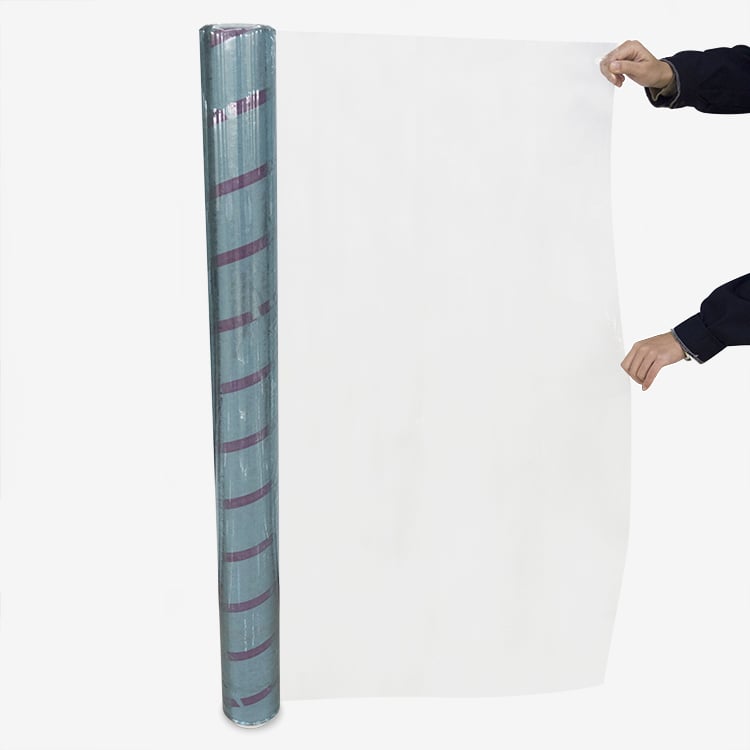
Transparent table mats have become essential in commercial and residential settings, protecting surfaces while maintaining visual appeal. Manufacturers consistently choose soft PVC film as the preferred material for these protective solutions, and this preference stems from multiple interconnected advantages that other materials simply cannot match. Understanding why soft PVC film dominates the market requires examining its unique properties, cost structure, and real-world performance characteristics that drive purchasing decisions across diverse industries.
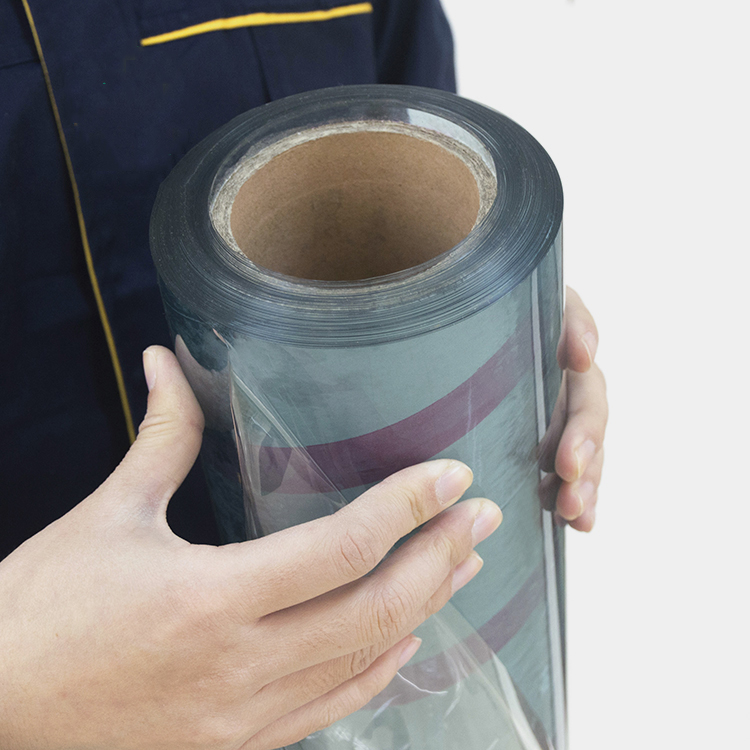
The selection of soft PVC film for transparent table mats reflects informed manufacturing strategy rather than arbitrary choice. Manufacturers evaluate material options based on performance metrics, production efficiency, end-user satisfaction, and long-term cost implications. Soft PVC film consistently outperforms alternatives in these critical evaluation areas, making it the material of choice for producers seeking to balance quality, affordability, and functional reliability in protective table matting solutions.
Superior Transparency and Aesthetic Clarity
Crystal-Clear Visual Performance
One primary reason manufacturers select soft PVC film for transparent table mats involves its exceptional optical clarity. Soft PVC film delivers glass-like transparency that allows consumers to showcase the underlying surface, whether a polished wooden table, decorative fabric, or branded surface. This transparency maintains aesthetic appeal while providing protection, a combination that competing materials struggle to achieve. The material's light transmission properties exceed polyethylene and vinyl alternatives, ensuring that table mats remain virtually invisible to the viewer while performing their protective function.
Color Stability and Anti-Yellowing Properties
Soft PVC film maintains its clarity over extended periods without the yellowing or discoloration that plagues lesser materials. UV stabilizers integrated during manufacturing prevent color degradation, ensuring that transparent table mats preserve their pristine appearance for years. This stability matters significantly in commercial environments where mats remain exposed to continuous light. Manufacturers recognize that soft PVC film protects both the surface beneath it and the aesthetic integrity of the mat itself, delivering long-term value that justifies material selection decisions.
Exceptional Durability and Wear Resistance
Flexible Yet Robust Protection
Soft PVC film provides the ideal balance between flexibility and structural strength that transparent table mats require. Unlike rigid plastics that crack under stress or thin films that tear easily, soft PVC film combines resilience with durability. The material flexes without permanent deformation, accommodates uneven surfaces, and withstands daily contact without degradation. Manufacturers specify soft PVC film because it maintains protective function through years of practical use, from casual home dining to high-traffic commercial environments where mats experience constant pressure and movement.
Resistance to Moisture and Chemical Damage
Transparent table mats encounter diverse liquid exposures, from spilled beverages to cleaning solutions. Soft PVC film demonstrates superior resistance to moisture penetration, preventing water absorption that compromises other materials. The material resists common household and commercial chemicals without degradation, maintaining integrity when exposed to oils, acids, and solvents. Manufacturers choose soft PVC film specifically for its proven performance in these challenging environments, knowing the material will protect surfaces effectively regardless of spill composition or cleaning protocol.
Cost-Effectiveness and Production Efficiency
Economical Raw Material Sourcing
Manufacturing economics strongly favor soft PVC film for transparent table mats. The material's commodity pricing and established supply chains enable manufacturers to source raw materials cost-effectively at scale. Soft PVC film production technology is mature and widely available, eliminating premium pricing associated with specialized or emerging materials. This economic advantage directly translates to competitive pricing for end consumers, making transparent table mats accessible across market segments. Manufacturers maintain healthy profit margins while offering consumers exceptional value, a balance that reinforces soft PVC film's market dominance.
Streamlined Production Processes
Manufacturing transparent table mats from soft PVC film leverages existing production infrastructure and proven processing techniques. The material's thermal properties allow efficient thermoforming, cutting, and finishing operations that minimize waste and production time. Soft PVC film requires no specialized equipment beyond standard plastics processing machinery, reducing capital investment for manufacturers entering or expanding in the table mat category. These production efficiencies reduce per-unit manufacturing costs while maintaining consistent quality, amplifying the competitive advantage that soft PVC film provides throughout the manufacturing supply chain.
Performance Advantages Over Alternative Materials
Comparison with Competing Material Options
While alternatives exist, soft PVC film consistently delivers superior performance across key evaluation metrics. Polyethylene films lack the optical clarity and durability of soft PVC film, yellowing quickly and degrading under stress. Acrylic sheets offer transparency but prove too rigid for flexible table mats and cost significantly more to manufacture. Polyester-based films cannot match the chemical resistance and moisture barriers that soft PVC film provides. Manufacturers who test alternative materials consistently return to soft PVC film, validating its technical and economic superiority for transparent table mat applications.
Functional Reliability and Predictable Performance
Soft PVC film's established history in transparent table mat production provides manufacturers with performance data spanning decades. Predictable material behavior eliminates uncertainty in quality assurance and allows reliable specifications that customers trust. The material's performance consistency enables manufacturers to offer confident warranties and guarantees, building customer loyalty through dependable products. This functional reliability, backed by extensive real-world evidence, represents a substantial competitive advantage that justifies soft PVC film as the material of choice for transparent table mats across diverse manufacturing applications and market segments.
FAQ
What thickness of soft PVC film works best for table mats?
Manufacturers typically specify soft PVC film thicknesses between 1mm and 2mm for transparent table mats, balancing protection, flexibility, and cost. Thinner films work for light-duty applications, while thicker soft PVC film suits commercial environments with higher wear demands. The optimal thickness depends on anticipated surface contact intensity, with residential mats often using 1mm to 1.5mm soft PVC film and commercial applications utilizing 1.5mm to 2mm specifications.
How long do table mats made from soft PVC film typically last?
Quality soft PVC film transparent table mats typically remain functional for 5 to 10 years in residential settings, with commercial-grade mats lasting 8 to 15 years depending on usage intensity. The material's durability and resistance to environmental degradation ensure long service life when manufactured properly. Proper care, including regular cleaning and avoiding extreme heat exposure, maximizes the lifespan of soft PVC film table mats.
Can soft PVC film table mats be easily cleaned and maintained?
Soft PVC film transparent table mats clean effortlessly with mild soap and water or standard household cleaners, requiring no special maintenance procedures. The material's non-porous surface prevents staining and resists absorption of liquids, maintaining appearance with minimal effort. This ease of maintenance significantly enhances soft PVC film's appeal to consumers and reinforces its value proposition as the ideal material for functional, low-maintenance surface protection.