 EN
EN

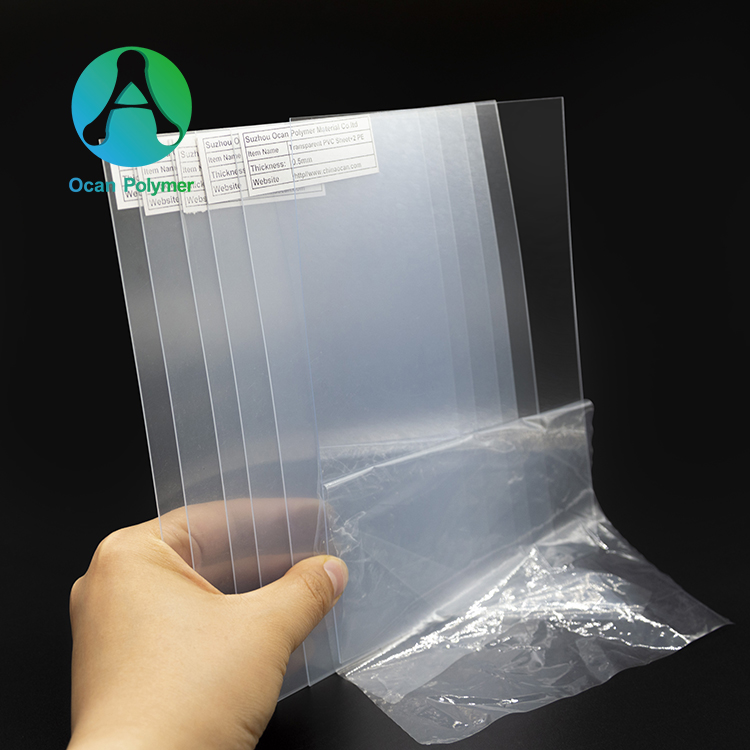
Factories worldwide rely on pvc sheet as their primary material for manufacturing smart cards and RFID cards. This widespread adoption is not coincidental but stems from fundamental material properties that make pvc sheet uniquely suited to industrial card production environments. Understanding why pvc sheet dominates this sector reveals critical insights into material science, manufacturing efficiency, and end-product performance requirements.
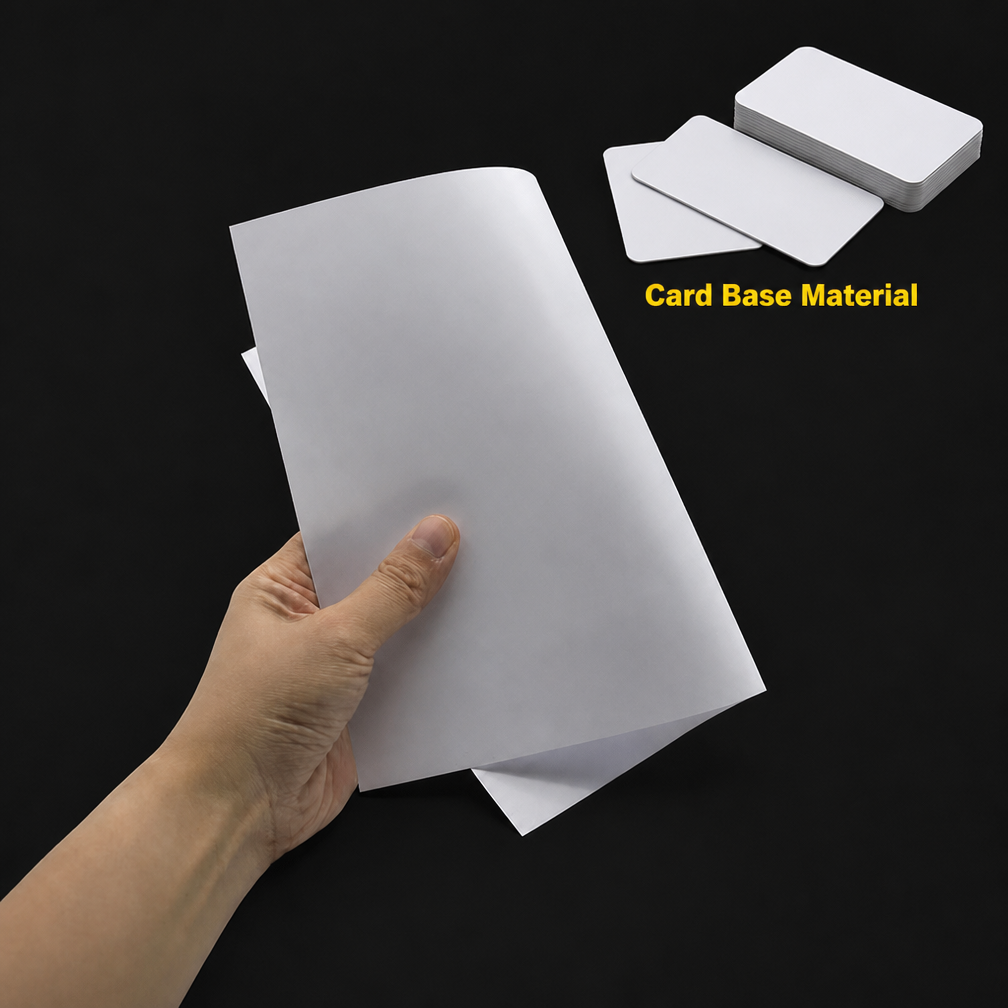
The decision to use pvc sheet in card manufacturing reflects decades of industry standardization and proven performance across diverse applications. Smart cards embedded with microchips, RFID cards for access control, and identification cards all benefit from pvc sheet's unique combination of mechanical strength, chemical resistance, and processability. Factories choose pvc sheet because it delivers consistent quality, reduces production waste, and ensures cards meet stringent durability standards demanded by end users.
Material Properties That Drive pvc sheet Selection
Mechanical Strength and Durability
pvc sheet offers exceptional mechanical properties that withstand repeated use, flexing, and environmental stress common in card applications. When manufacturers process pvc sheet into thin card stock, the material maintains structural integrity through production cycles, printing operations, and final embossing stages. The inherent rigidity of pvc sheet prevents cards from warping or bending excessively during storage or daily handling, which is critical for embedded chip alignment in smart cards and antenna positioning in RFID cards.
Factories appreciate how pvc sheet resists cracking under thermal stress during lamination and heat-transfer printing. This durability directly translates to higher yield rates and fewer rejected units, improving factory profitability. The toughness of pvc sheet also ensures cards remain functional after years of wallet storage, card reader interactions, and exposure to temperature fluctuations in real-world deployment scenarios.
Chemical and Environmental Resistance
pvc sheet naturally resists oils, solvents, and moisture that would degrade competing materials. This resistance makes pvc sheet ideal for cards exposed to diverse environmental conditions and chemical contact. Whether cards are used in banking, healthcare, access control, or transportation sectors, pvc sheet maintains surface integrity and print quality even after contact with cleaning agents, hand lotions, or environmental pollutants.
Factories value the consistency of pvc sheet across storage and shipping conditions. Unlike materials that absorb moisture and swell, pvc sheet remains dimensionally stable, ensuring card thickness tolerances remain tight and chip-to-card connections remain reliable. This stability reduces production variability and simplifies quality control procedures.
Manufacturing Efficiency and Processing Advantages
Printability and Surface Finishing
pvc sheet provides an ideal substrate for high-resolution printing, security features, and visual customization required in modern card production. Factories can apply dye-based inks, pigment-based inks, and thermal transfer printing directly onto pvc sheet surfaces with excellent color saturation and fine detail reproduction. The smooth surface texture of pvc sheet accepts adhesive laminates and holographic overlays without delamination issues that plague lower-quality materials.
The printability advantages of pvc sheet reduce setup time between production runs and allow factories to achieve rapid customization for different card designs and client specifications. Security printing on pvc sheet, including microprinting and UV-reactive elements, remains sharp and durable throughout the card's operational lifespan. This printability reliability minimizes reprinting costs and production delays.
Embossing and Chip Integration Capabilities
pvc sheet's formulation allows precise embossing for card numbers and holder information without material brittleness or delamination. The material flows predictably under embossing pressure, creating crisp raised characters that remain legible after years of card use. Factories operating embossing lines prefer pvc sheet because it delivers consistent embossing depth and prevents surface crazing that weakens card structural integrity.
For smart card production, pvc sheet accommodates embedded microchip modules and contact pads without thermal warping or mechanical stress that could damage integrated circuits. The dimensional stability of pvc sheet ensures chip contacts maintain proper alignment and electrical connectivity. RFID card manufacturing similarly benefits from pvc sheet's ability to encapsulate antenna elements and semiconductor components without causing failures during lamination or final card processing stages.
Industry Standardization and Compliance Requirements
International Standards and Specifications
pvc sheet has become the de facto industry standard for card production under ISO/IEC specifications governing smart cards, RFID cards, and identification documents. Factories adopt pvc sheet because compliance with these standards is easier and more cost-effective than alternative materials that require special processing or certification exceptions. When clients specify ISO/IEC compliant cards, manufacturers immediately default to pvc sheet as the baseline material meeting dimensional, electrical, and durability requirements.
Financial institutions, government agencies, and transportation systems mandate pvc sheet-based cards for security and interoperability reasons. This regulatory landscape creates sustained demand for pvc sheet and ensures factories can operate at efficient production scales. The standardization around pvc sheet also means equipment manufacturers design card production machinery optimized for pvc sheet processing, creating a self-reinforcing cycle of adoption.
Performance Testing and Quality Assurance
pvc sheet has extensive published performance data covering temperature resistance, chemical exposure, and mechanical durability across typical card usage scenarios. Factories leverage this existing knowledge base to establish quality control procedures that reliably produce cards meeting client specifications and industry standards. The predictability of pvc sheet performance reduces quality testing complexity and accelerates product validation timelines.
Cards manufactured from pvc sheet demonstrate consistent performance in accelerated life testing, thermal cycling, and environmental stress evaluations required for certification. This predictability means factories can confidently warrant card performance and reduce warranty-related costs. The well-established failure modes and acceptance criteria for pvc sheet-based cards streamline production planning and inventory management decisions.
FAQ
What thickness of pvc sheet is typical for smart card and RFID card production?
Standard pvc sheet thickness for card manufacturing ranges from 0.76 millimeters to 1.0 millimeter, with 0.76 millimeter being the most common specification for credit card-sized smart cards and RFID cards. This thickness provides adequate durability and chip accommodation while keeping card weight minimal. Factories can source pvc sheet in various thicknesses depending on specific application requirements, though thinner pvc sheet increases brittleness risk and thicker pvc sheet adds unnecessary material costs.
Can pvc sheet be recycled after card production waste is generated?
Yes, pvc sheet waste from card manufacturing can be recycled, though the process requires specialized facilities equipped to handle pvc sheet reprocessing. Factories often collect pvc sheet trim and defective cards for separation from laminates and other composite materials. The recycled pvc sheet can be reused in applications requiring lower-grade material, supporting circular economy principles and reducing disposal costs for manufacturers committed to sustainable practices.
Why is pvc sheet preferred over polycarbonate for card production?
pvc sheet offers superior cost efficiency compared to polycarbonate while delivering adequate performance for most smart card and RFID card applications. Although polycarbonate exhibits higher impact resistance and temperature tolerance, the substantial price premium and specialized processing requirements make pvc sheet the economically rational choice for high-volume production. pvc sheet provides sufficient durability for typical card usage patterns while maintaining production margins that justify factory investment in pvc sheet-based manufacturing systems.