 EN
EN

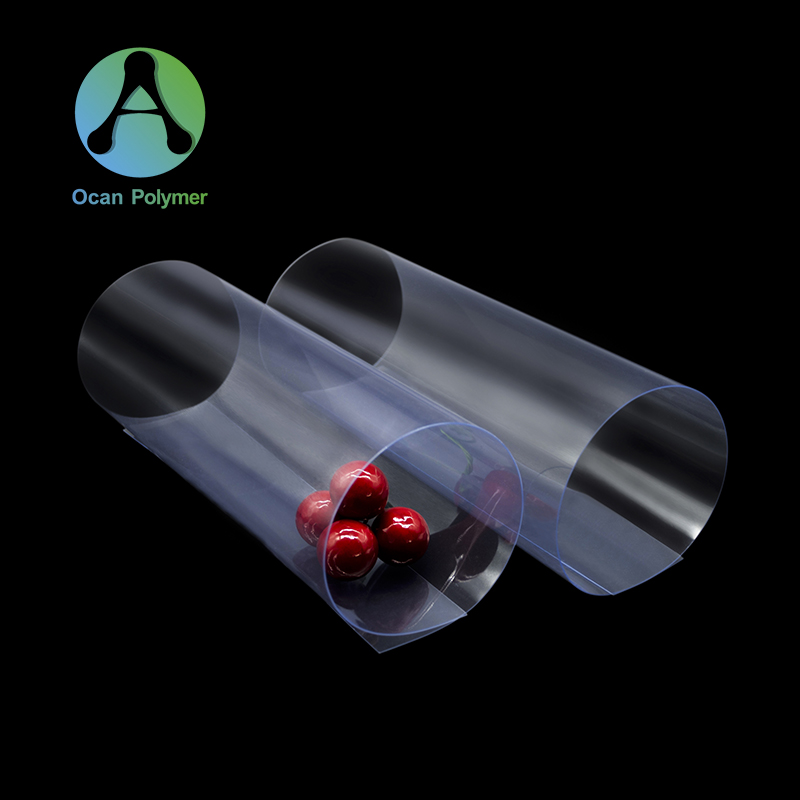
Manufacturers across the packaging industry consistently turn to pvc sheet as their material of choice for blister folding box applications. This preference is not accidental—it reflects decades of real-world experience, proven performance metrics, and genuine business advantages that pvc sheet delivers in high-volume production environments. Understanding why pvc sheet dominates this market segment reveals critical insights into material science, cost management, and consumer packaging expectations.
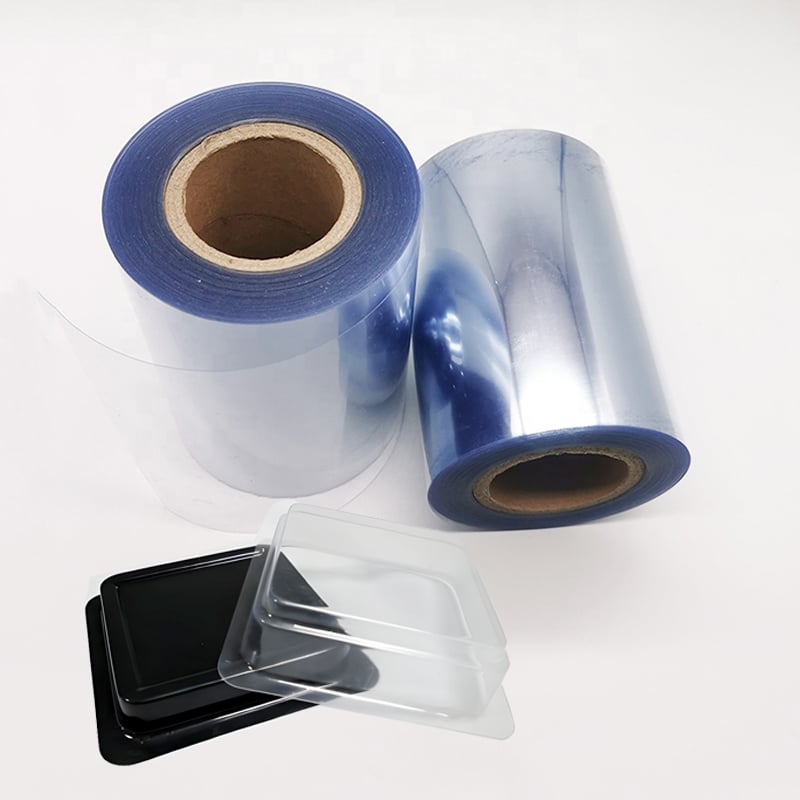
The decision to use pvc sheet for blister packaging stems from a combination of technical performance, economic viability, and manufacturing reliability. When production managers evaluate materials for folding box applications, they assess factors including thermal stability, optical clarity, structural integrity under pressure, and total cost of ownership. pvc sheet excels across all these dimensions, which explains its widespread adoption in pharmaceutical packaging, consumer goods, electronics, and retail display applications.
Superior Clarity and Product Visibility
Crystal-Clear Transparency for Consumer Appeal
One of the primary reasons manufacturers select pvc sheet for blister folding boxes is its exceptional optical clarity. Consumers make purchasing decisions based on visual inspection, and pvc sheet provides the transparent window that showcases products without distortion. This clarity is not merely aesthetic—it directly influences purchase behavior and brand perception at the point of sale. pvc sheet maintains consistent light transmission across the entire sheet, preventing clouding, yellowing, or optical irregularities that diminish product visibility.
The transparency of pvc sheet allows manufacturers to create folding box designs where 70 percent or more of the package front displays the actual product. This transparency advantage becomes especially critical for premium consumer goods, cosmetics, hardware components, and pharmaceuticals where product inspection builds consumer confidence. pvc sheet achieves this clarity without requiring expensive coatings, special treatments, or secondary processing, making it a cost-effective transparency solution compared to alternative materials.
Gloss Finish and Visual Premium Effect
Manufacturers also select pvc sheet for its natural glossy surface finish that enhances visual appeal without additional surface treatment. The inherent gloss of pvc sheet creates a premium shelf appearance that elevates perceived product value. This visual quality directly translates to margin improvement because consumers often associate glossy, transparent packaging with higher quality merchandise. pvc sheet delivers this premium appearance consistently across production runs, maintaining brand presentation integrity across thousands of folding boxes.
Cost Efficiency and Economic Advantages
Lower Material and Production Costs
Economic considerations drive much of the manufacturing decision-making process, and pvc sheet delivers significant cost advantages throughout the production cycle. Compared to polycarbonate, PETG, and specialized transparent materials, pvc sheet offers substantially lower raw material pricing without compromising performance for typical packaging applications. This cost advantage becomes magnified at production volumes exceeding 100,000 units monthly, where material expenses represent 30 to 50 percent of total package cost. Manufacturers using pvc sheet can reduce their per-unit material cost by 25 to 40 percent compared to premium transparent alternatives.
Beyond raw material pricing, pvc sheet delivers production cost savings through optimized thermoforming parameters and molding cycles. pvc sheet reaches optimal forming temperatures more quickly than competing materials, reducing cycle time and energy consumption per folding box. Manufacturing facilities processing pvc sheet also experience lower equipment wear and maintenance costs because the material flows predictably at lower processing temperatures, extending tooling lifespan and reducing downtime.
Inventory Efficiency and Supply Chain Stability
Manufacturers maintain more efficient inventory when working with pvc sheet because it represents a standardized, widely available commodity material. Global supply chains for pvc sheet are mature, established, and competitive, meaning manufacturers can source material from multiple qualified suppliers without supply chain vulnerability. This accessibility makes pvc sheet the logical choice for manufacturers seeking to avoid single-source dependencies or material shortage risks that could disrupt folding box production schedules.
The stability of pvc sheet pricing relative to specialty polymers also provides cost predictability for long-term production planning. Manufacturers can forecast material expenses more accurately when using pvc sheet, enabling better financial modeling and margin protection across multiple product lines and customer contracts.
Thermoforming Performance and Manufacturing Reliability
Predictable Thermal Processing Characteristics
The thermoforming behavior of pvc sheet represents another compelling reason manufacturers prefer it for blister folding boxes. pvc sheet exhibits consistent heat distribution and plastic flow characteristics across standardized processing windows, allowing equipment operators to achieve uniform part quality with minimal scrap rates. This predictability translates to production yields exceeding 96 percent under normal conditions, whereas materials with less stable thermal properties often generate 3 to 7 percent scrap rates that directly impact profitability.
The established thermoforming knowledge base for pvc sheet means that manufacturing technicians understand the material thoroughly. Equipment settings, cycle times, cooling parameters, and troubleshooting protocols are well-documented and standardized across the industry. This institutional knowledge reduces training costs and onboarding time for new manufacturing facilities transitioning to pvc sheet for blister folding box production. Operators can quickly optimize production runs without extended trial-and-error periods.
Dimensional Stability and Consistent Folding Performance
Dimensional consistency is critical for folding box applications where the blister component must integrate precisely with the folding carton substrate. pvc sheet maintains excellent dimensional stability across temperature and humidity variations, which is essential because manufacturing facilities often operate in uncontrolled ambient environments. The material shrinkage rates for pvc sheet are minimal and predictable, allowing manufacturers to design tooling that produces parts holding tight tolerances across production runs.
When folding box manufacturers hinge the blister to the carton using adhesive or sonic welding methods, they depend on consistent pvc sheet dimensions to ensure proper alignment and structural integrity. Material drift or excessive shrinkage creates assembly problems, increases labor costs, and generates warranty returns. pvc sheet reliability in this regard makes it the material specification that eliminates costly packaging defects and consumer complaints related to assembly quality.
FAQ
What makes pvc sheet better than polycarbonate for blister folding boxes?
Polycarbonate offers superior impact resistance but costs 3 to 5 times more than pvc sheet, making it economically impractical for most consumer packaging applications. pvc sheet provides adequate impact protection for typical blister folding box use cases while delivering significant cost savings. Most manufacturers reserve polycarbonate only for specialized applications requiring extreme durability, while pvc sheet handles the broader market segment where cost and performance balance is essential.
Does pvc sheet yellow or degrade in sunlight?
Conventional pvc sheet can yellow with extended UV exposure, but most blister folding boxes spend minimal time in direct sunlight before consumer purchase and use. Manufacturers can also specify UV-stabilized formulations of pvc sheet for applications requiring extended shelf exposure, though this adds modest cost. For typical retail shelf life of 6 to 18 months indoors, standard pvc sheet maintains clarity and color stability without degradation concerns.
Can manufacturers recycle pvc sheet from blister folding box waste?
Yes, pvc sheet is recyclable and manufacturers often recover post-consumer blister packaging or production scrap through dedicated recycling streams. However, contamination from adhesives, inks, or cardboard materials complicates recycling processes, requiring sorting and cleaning. Some manufacturers grind and reuse clean pvc sheet scrap internally, blending it with virgin material to offset material costs while reducing waste disposal expenses.