 EN
EN

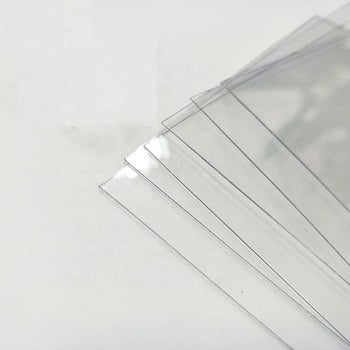
High transparency folding box packaging demands materials that combine optical clarity with structural integrity, and PET sheet has emerged as the industry standard for this demanding application. Folding boxes used in cosmetics, pharmaceuticals, electronics, and consumer goods require premium visual presentation, and a PET sheet delivers the crystal-clear finish that enhances product appeal while protecting contents from external damage. Understanding how PET sheet functions in folding box packaging helps manufacturers and designers optimize their packaging strategies for both aesthetics and performance.
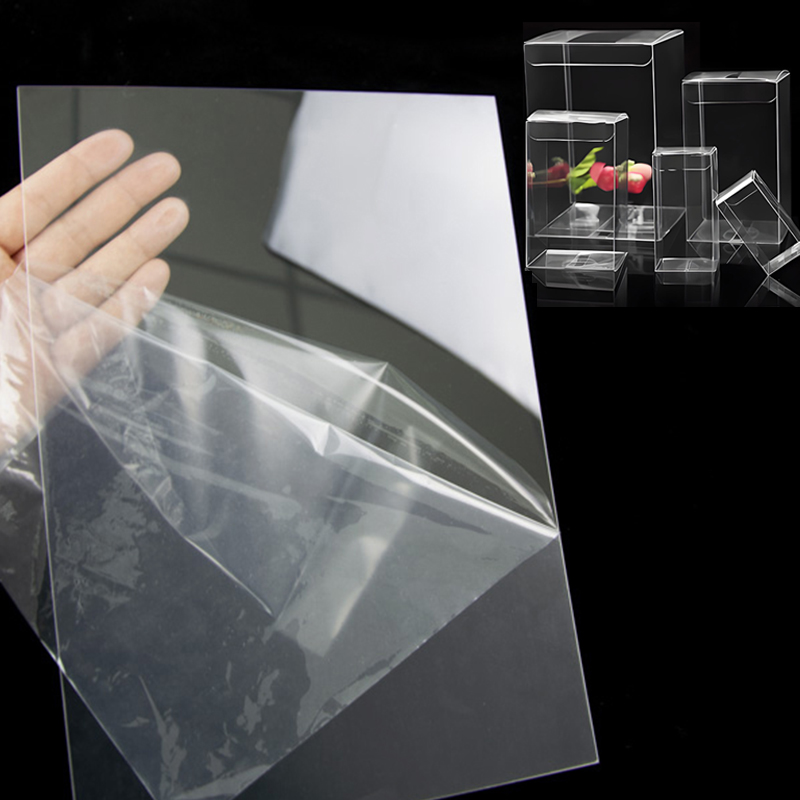
PET sheet represents a versatile thermoplastic material engineered to meet the stringent requirements of modern folding box applications. When manufacturers select a PET sheet for transparent folding boxes, they gain access to material properties that traditional alternatives cannot match, including exceptional optical clarity, lightweight construction, and excellent dimensional stability. The growing adoption of PET sheet in high-end packaging demonstrates its critical role in achieving competitive market positioning and consumer satisfaction across global markets.
Material Properties and Optical Performance
Transparency and Light Transmission
A PET sheet exhibits outstanding light transmission characteristics, typically achieving 88 percent or higher transparency when properly manufactured. This optical quality makes PET sheet the preferred choice for display windows in folding boxes where product visibility directly influences purchasing decisions. When light passes through a PET sheet, minimal absorption or distortion occurs, ensuring that packaged products appear vibrant and accurate under retail lighting conditions. The crystalline structure of quality PET sheet minimizes haze and cloudiness, delivering the pristine visual experience that premium brands demand.
Chemical Resistance and Durability
Beyond transparency, PET sheet offers robust chemical resistance that protects packaged contents during storage and distribution. Many consumer products, particularly cosmetics and personal care items, contain oils, solvents, or other active ingredients that can degrade inferior packaging materials. A PET sheet resists interaction with these substances, maintaining its structural integrity and clarity over extended shelf life periods. This chemical stability ensures that folding boxes containing PET sheet remain uncompromised during warehouse storage, retail display, and consumer handling.
Manufacturing and Application Techniques
Thermoforming and Die-Cutting Processes
PET sheet can be thermoformed at controlled temperatures to create contoured folding box windows and complex geometric shapes without sacrificing transparency or strength. Manufacturers heat PET sheet to its glass transition temperature, shape it using molds, and cool it to lock in the desired geometry, creating custom fit solutions for specific product dimensions. Die-cutting techniques further refine PET sheet applications, allowing precision windows that align perfectly with inner box designs. This manufacturing flexibility enables brands to differentiate packaging through innovative window shapes and sizes that showcase products more effectively than standard rectangular openings.
Adhesive Bonding and Assembly
Integration of PET sheet into folding box structures requires compatible adhesives that create strong bonds without compromising the material's optical properties. Solvent-based and hot-melt adhesives designed for PET sheet ensure that transparent windows remain firmly attached during box fabrication, shipping, and customer handling. Proper adhesive selection prevents edge separation, bubbling, or yellowing that would diminish the aesthetic appeal of folding boxes. Professional converters understand that the quality of adhesive bonding directly impacts the final packaging performance and consumer perception of product value.
Industry Applications and Market Benefits
Cosmetics and Personal Care Packaging
The cosmetics industry represents the largest consumer of PET sheet for folding box applications, where transparent windows showcase colors, textures, and product formulations. Foundation bottles, lipsticks, serums, and skincare sets all benefit from the visual presentation that PET sheet provides, encouraging impulse purchases and reinforcing brand identity at retail. Because consumers evaluate cosmetic products primarily through visual inspection, investing in premium PET sheet windows directly correlates with sales performance and market competitiveness. Luxury brands particularly favor PET sheet for its ability to convey quality and authenticity through unobstructed product visibility.
Pharmaceutical and Electronics Sectors
Pharmaceutical packaging demands strict regulatory compliance, and PET sheet meets food-contact and pharmaceutical standards established by global regulatory authorities. Electronics manufacturers use PET sheet in folding boxes to display device components, circuit boards, and accessories while protecting contents from dust and handling damage. The material's inert nature ensures no contamination risk, making PET sheet suitable for sensitive products ranging from medicines to precision instruments. Both sectors rely on PET sheet to combine visibility requirements with safety and compliance standards that inferior alternatives cannot satisfy.
Technical Specifications and Selection Criteria
Thickness and Gauge Considerations
PET sheet thickness for folding box windows typically ranges from 0.3 millimeters to 1.0 millimeter, with thicker gauges providing enhanced rigidity and impact resistance for heavier products. Designers select appropriate PET sheet thickness based on window size, product weight, and handling conditions throughout the supply chain. Thinner PET sheet reduces material costs and environmental footprint while maintaining acceptable performance for lightweight items, whereas thicker configurations suit applications requiring maximum durability and structural support.
Surface Treatments and Customization
Manufacturers can apply anti-glare, anti-static, or protective coatings to PET sheet surfaces to enhance functionality while preserving transparency. Matte finishes reduce reflection and glare, improving product visibility under harsh retail lighting, while scratch-resistant coatings protect PET sheet windows during manufacturing, shipping, and consumer use. Custom printing directly onto PET sheet allows brands to integrate decorative elements, product information, or security features without compromising the transparent display area. These advanced surface treatments demonstrate how PET sheet adapts to diverse brand requirements and market applications.
Environmental and Economic Advantages
Recyclability and Sustainability
PET sheet stands out as a fully recyclable material that aligns with contemporary sustainability objectives and consumer environmental expectations. Post-consumer PET sheet waste enters established recycling infrastructure, reducing landfill impact and supporting circular economy principles that increasingly influence brand reputation and regulatory compliance. Manufacturers incorporating recycled content into new PET sheet production further enhance sustainability credentials while maintaining material performance standards. This recyclability advantage positions PET sheet as a responsible choice for brands committed to environmental stewardship without sacrificing packaging quality.
Cost Efficiency and Performance Value
While PET sheet requires higher initial investment compared to commodity plastics, its superior properties deliver exceptional long-term value through reduced damage rates, improved shelf appeal, and extended product shelf life. The transparency and protection that PET sheet provides directly reduce product loss and returns associated with packaging failure or inadequate visibility. Brands achieving premium positioning through superior packaging justify higher material costs, whereas high-volume commodity products benefit from PET sheet's cost stability and reliable supply chain availability. Strategic PET sheet implementation represents a calculated investment in packaging excellence that strengthens competitive positioning.
FAQ
What thickness of PET sheet should I choose for my folding box application?
The optimal thickness depends on your product weight, window size, and handling conditions. Lightweight items typically use 0.3 to 0.5 millimeter PET sheet, while heavier products or larger windows require 0.75 to 1.0 millimeter thickness for adequate rigidity and impact resistance. Consult with your PET sheet supplier to evaluate your specific requirements and ensure the selected gauge balances cost efficiency with performance durability throughout the product lifecycle.
Can PET sheet resist contact with cosmetic ingredients and solvents?
Yes, high-quality PET sheet exhibits excellent chemical resistance to most cosmetic formulations, oils, alcohols, and common solvents, maintaining structural integrity and optical clarity even with prolonged product contact. However, certain aggressive solvents or specialized formulations may require compatibility testing with your specific PET sheet product. Always verify chemical compatibility with your PET sheet manufacturer before finalizing packaging designs for novel or unusual product formulations.
Is PET sheet cost-effective for small production volumes?
While PET sheet involves higher material costs than basic plastic films, even smaller production volumes benefit from the superior durability and shelf appeal that justify the investment. Custom thermoforming or die-cutting for low volumes incurs setup charges that increase per-unit costs, yet the reduced damage rates and improved consumer perception often offset initial expenses. Many specialty packaging converters offer minimum order quantities that accommodate small to medium producers seeking premium folding box solutions using PET sheet technology.