 EN

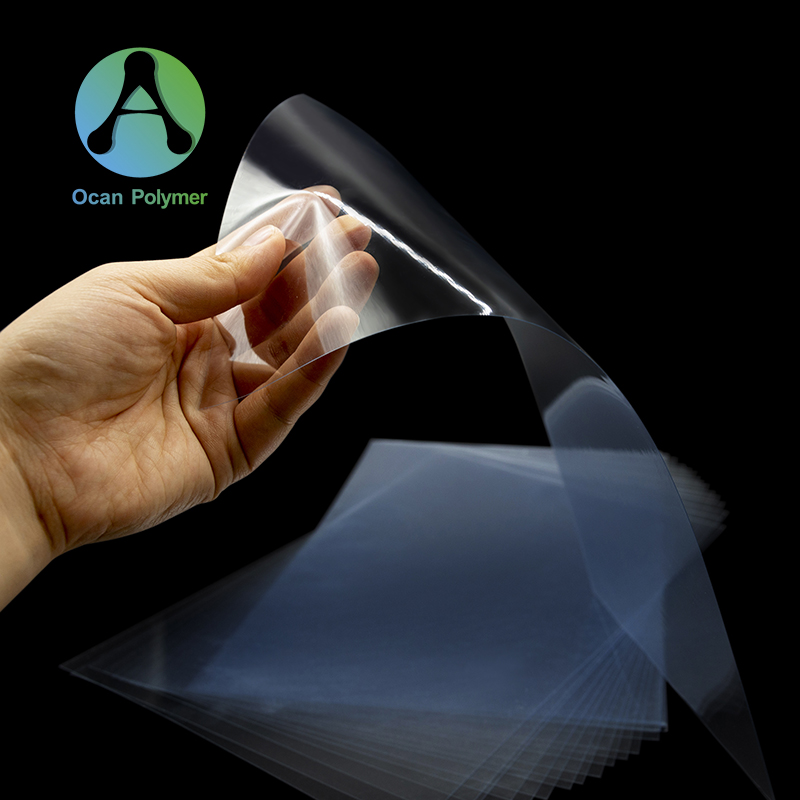
The pvc sheet has become the industry standard for creating durable, professional ID and membership cards. Understanding how a pvc sheet functions as a card base material reveals why organizations across sectors rely on this solution. A pvc sheet provides the structural foundation, design versatility, and longevity that modern card programs demand, whether for employee identification, customer loyalty, access control, or member verification systems.
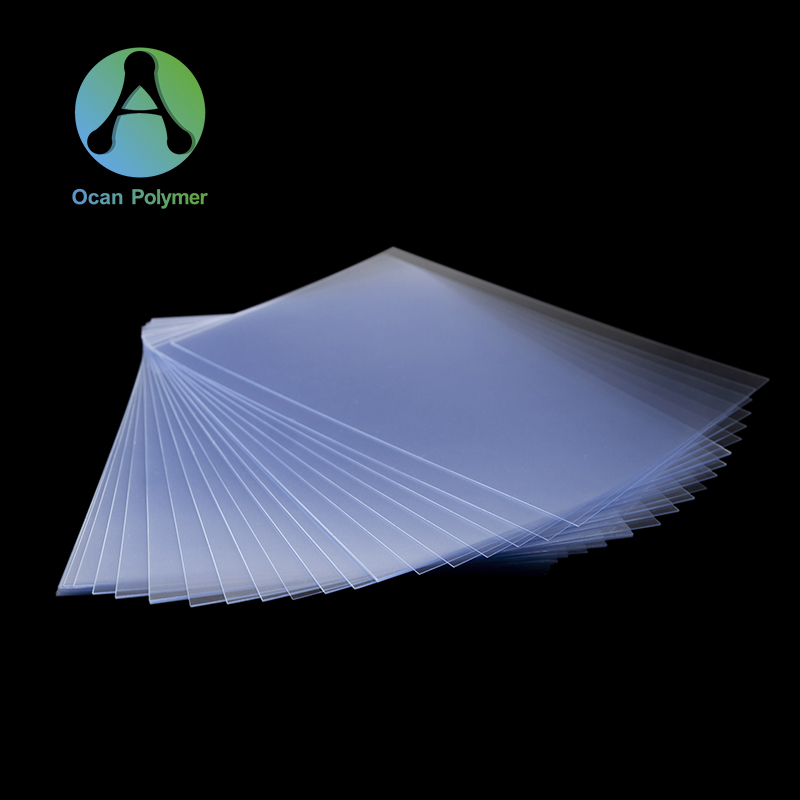
A pvc sheet operates through its unique material composition, which combines polyvinyl chloride polymers with additives that enhance flexibility, durability, and printability. When manufacturers select a pvc sheet for card production, they evaluate several critical performance factors. The pvc sheet's thickness, surface finish, and chemical stability all influence how well the final card withstands daily handling, environmental exposure, and repeated use cycles. This article explores the mechanics of how a pvc sheet delivers value as a card base material, from initial production through end-user application.
Core Material Properties and Card Durability
How PVC Sheet Composition Ensures Card Longevity
The pvc sheet derives its strength from polyvinyl chloride, a synthetic thermoplastic polymer that resists moisture, chemicals, and temperature fluctuations. When a pvc sheet is manufactured, plasticizers are added to improve flexibility without compromising rigidity, allowing cards to bend slightly during insertion into readers without cracking. The pvc sheet's crystalline structure provides dimensional stability, meaning the card maintains its exact size and shape over months or years of use. This stability is critical for access control cards that must fit precisely into card readers or magnetic stripe scanners. Organizations trust a pvc sheet because it delivers consistent performance across large production runs, with minimal warping or defects.
Surface Treatment and Printability of PVC Sheet
A pvc sheet suitable for card production typically features a specially prepared surface that accepts printing inks, UV coatings, and lamination layers without peeling or fading. The pvc sheet's surface treatment creates micro-texture that helps adhesion without making the card feel rough. When a pvc sheet receives thermal transfer, inkjet, or offset printing, the ink bonds at the molecular level, ensuring that logos, photos, and security features remain vibrant throughout the card's lifespan. High-quality pvc sheet products are engineered to resist scratches, smudging, and color fading even after extended exposure to sunlight or harsh indoor environments. This durability advantage means organizations can invest in professional card designs without worrying about rapid deterioration.
Design Flexibility and Customization Capabilities
Encoding and Personalization Options with PVC Sheet
A pvc sheet serves as an ideal platform for encoding technology integration because its material properties allow safe embedding of magnetic strips, chips, and RFID antennas. The pvc sheet's thermal properties permit the installation of contact and contactless smart card elements without degrading the surrounding material. Organizations using a pvc sheet for membership cards can personalize each card with variable data such as names, membership numbers, expiration dates, and photos. The pvc sheet's compatibility with various encoding methods means a single production line can serve multiple security and functionality requirements simultaneously. This flexibility reduces manufacturing costs while expanding the card's utility across different access points and verification systems.
Visual Security and Branding Integration in PVC Sheet Cards
A pvc sheet can incorporate multiple security features including holograms, microtext, color-shifting inks, and raised tactile elements that prevent counterfeiting and unauthorized duplication. The pvc sheet's stable base allows laser engraving, embossing, and other decorative techniques that enhance brand recognition and card authenticity. Custom PVC sheet designs can include full-color photography, gradient backgrounds, and fine-detail artwork that reflects organizational branding standards. The pvc sheet's neutral white or colored background options provide manufacturers with complete design control, enabling cards that look professional and align with brand identity. By selecting premium pvc sheet materials, organizations ensure their cards make a positive impression on card holders while providing effective security verification.
Production Efficiency and Practical Implementation
Manufacturing Workflow and Process Optimization
Using a pvc sheet as the card base material streamlines production by eliminating complex lamination or bonding steps that other materials require. The pvc sheet's uniform composition and consistent dimensions allow automated cutting, printing, and encoding equipment to operate at high speeds with minimal material waste. Large-format pvc sheet rolls can be processed continuously, with cards cut to exact specifications immediately before personalization and assembly. This workflow efficiency means manufacturers can produce high volumes of ID cards, membership cards, and access cards at lower unit costs. The pvc sheet's compatibility with standard industry equipment makes it accessible to manufacturers of all sizes, from small-run specialty producers to high-volume commercial facilities.
Cost Effectiveness and Sustainability Considerations
A pvc sheet delivers superior cost-to-performance value compared to alternative materials like polycarbonate or composite substrates, particularly for organizations producing thousands of cards annually. The pvc sheet's recyclability aligns with sustainability goals, as post-consumer pvc sheet waste can be recovered and reprocessed into new materials. Bulk purchasing of pvc sheet reduces per-unit material costs without sacrificing quality or performance standards. The pvc sheet's long service life reduces replacement frequency, lowering the total lifecycle cost for card programs. Environmental responsibility and economic efficiency both favor pvc sheet selection for organizations committed to balancing cost management with environmental stewardship in their card production strategies.
FAQ
What thickness of pvc sheet is best for ID and membership cards?
Most ID and membership cards use pvc sheet between 0.76 millimeters and 0.81 millimeters thick, which provides optimal balance between durability and card reader compatibility. Standard pvc sheet at this thickness resists bending damage while fitting into standard card slots without resistance. Specialty applications may use thicker pvc sheet up to 2 millimeters for applications requiring extra rigidity, though this reduces compatibility with standard readers.
Can pvc sheet cards withstand prolonged exposure to moisture and temperature changes?
Yes, pvc sheet materials are engineered to resist moisture absorption and temperature-induced warping. Quality pvc sheet maintains structural integrity across temperature ranges from minus ten degrees Celsius to fifty degrees Celsius, making it suitable for outdoor ID badges, pool membership cards, and outdoor event passes. The pvc sheet's low moisture permeability prevents swelling or deformation in humid environments.
How does pvc sheet compare to other card base materials?
Pvc sheet offers superior cost efficiency compared to polycarbonate while maintaining excellent durability for standard ID applications. Unlike paper-based materials, pvc sheet resists water damage and mechanical wear. Unlike composite materials, pvc sheet provides better printing clarity and security feature integration. For most commercial ID and membership card applications, pvc sheet represents the optimal balance of performance, customization capability, and affordability.