Superior Protection That Extends Document Lifespan
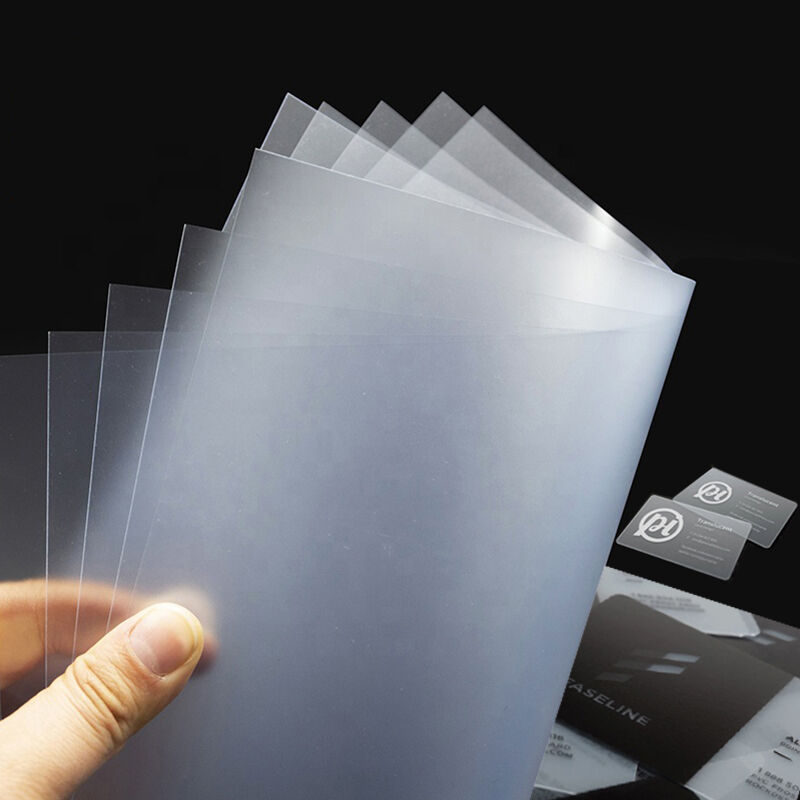
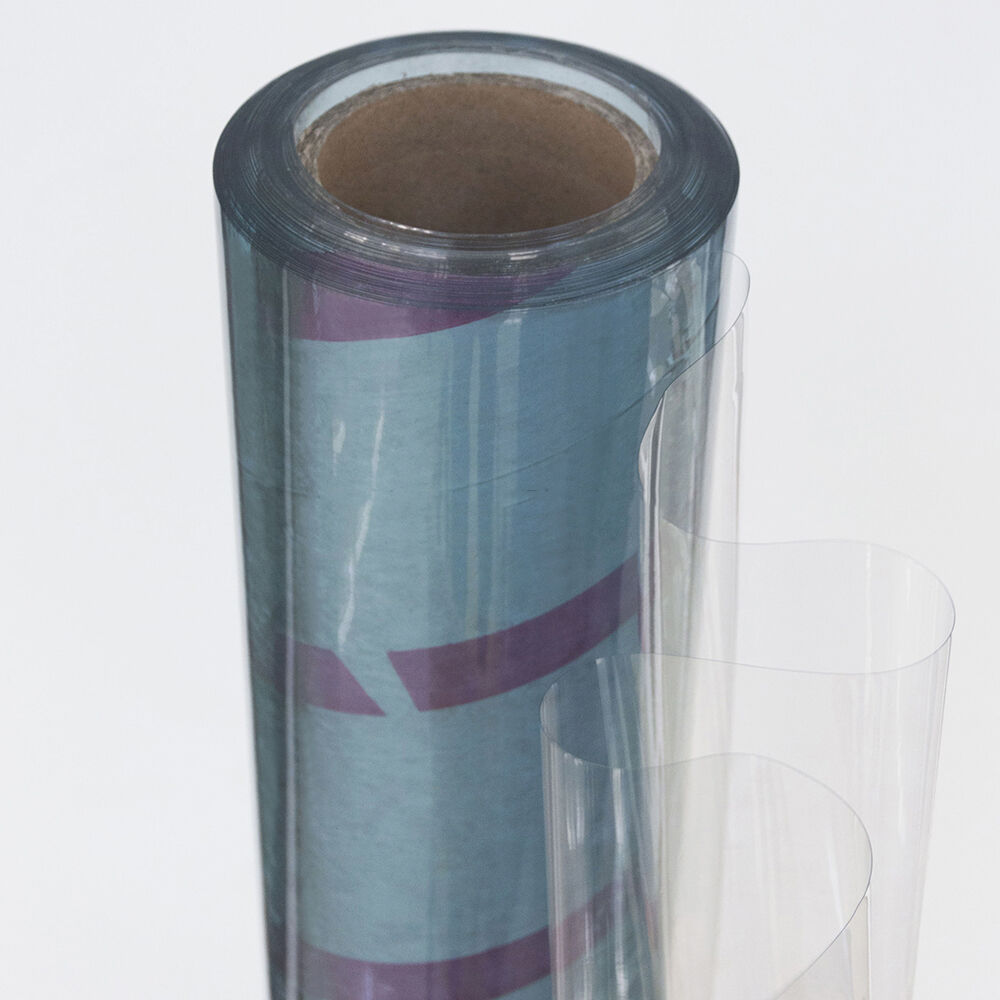
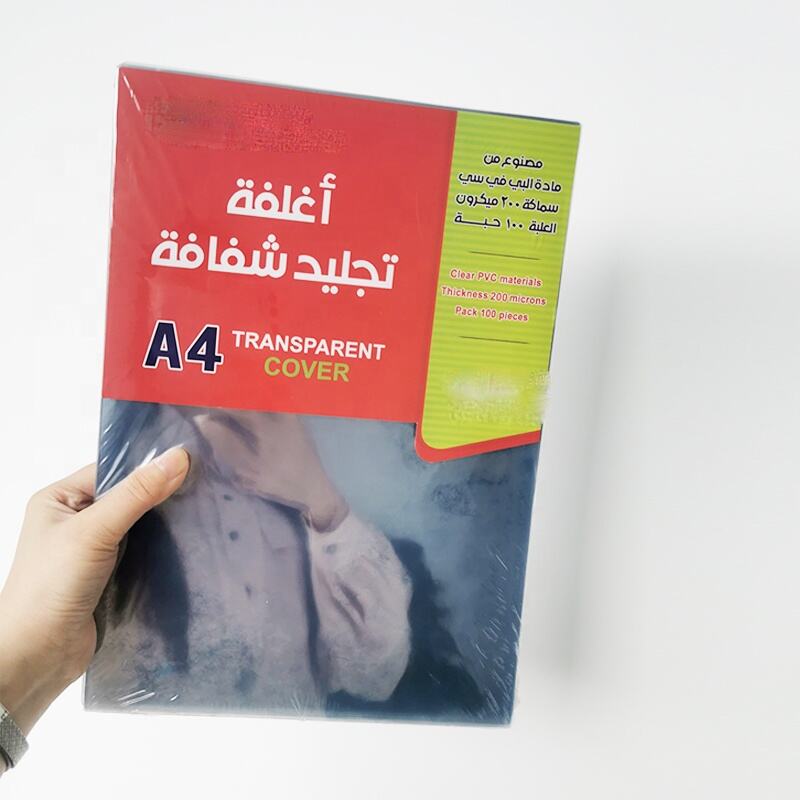
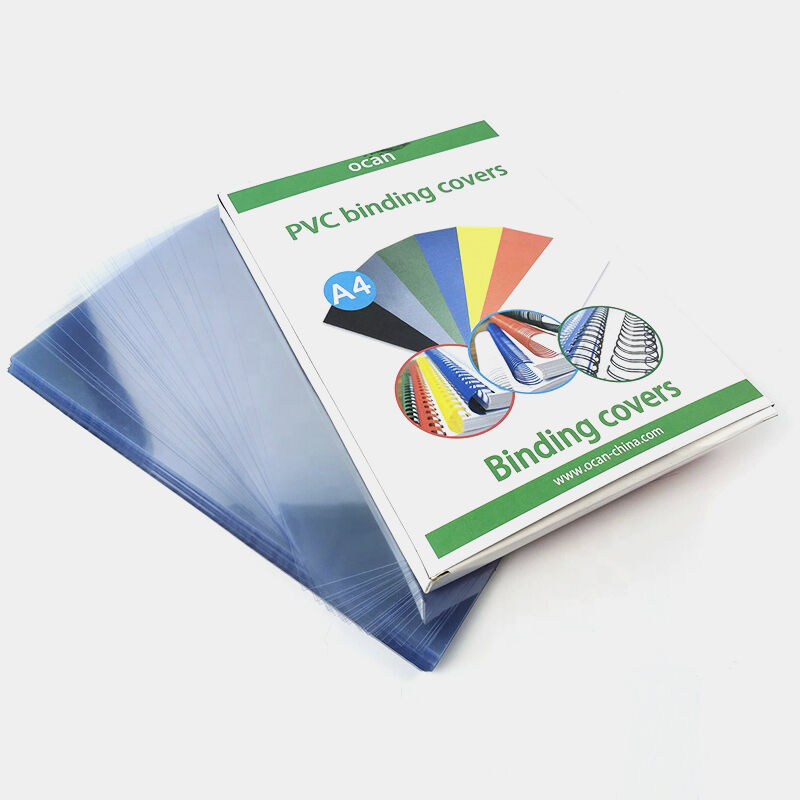
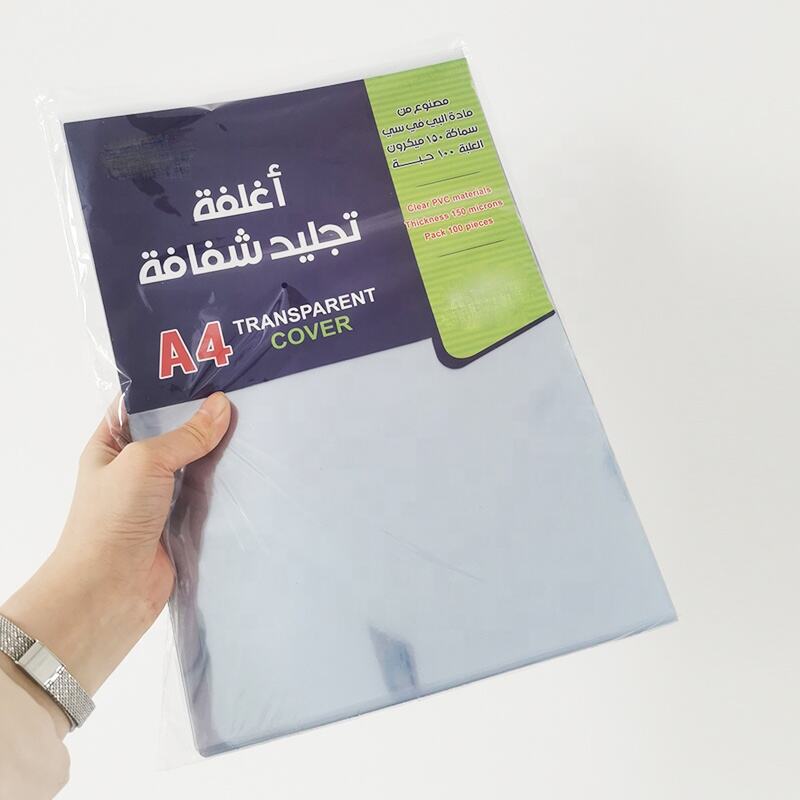
The protective capabilities of pvc binding sheet fundamentally transform how your documents withstand the challenges of regular use and environmental exposure. This protection operates on multiple levels, starting with the physical barrier that shields paper from direct contact with hands, surfaces, and other materials that cause wear. The polymer structure of pvc binding sheet creates a resilient shield that absorbs minor impacts and prevents corners from folding or pages from dog-earing during transport and storage. When you bind important contracts, reports, or educational materials with pvc binding sheet, you establish a defense system against the moisture that causes paper degradation, ink running, and mold growth in humid conditions. The waterproof nature means accidental beverage spills or rain exposure during transit does not penetrate to destroy the contents, a critical advantage for documents that travel between locations or pass through multiple hands. UV inhibitors integrated into quality pvc binding sheet formulations prevent the yellowing and brittleness that sunlight exposure causes to both the cover and the protected pages, maintaining document legibility and appearance even when stored near windows or in areas with natural light. The anti-static properties reduce dust attraction, keeping your bound documents cleaner and reducing the frequency of maintenance required to maintain professional appearance. This protection extends the functional lifespan of bound materials significantly compared to unprotected documents or those using inferior cover materials, delivering measurable return on investment through reduced replacement costs. Organizations managing regulatory documentation, legal files, or archival materials find particular value in this longevity, as pvc binding sheet helps meet compliance requirements for document preservation without implementing expensive specialized storage systems. The chemical inertness prevents reactions with various paper types, inks, and printing processes, ensuring that the protective cover does not become a source of damage through chemical interaction. Educational institutions benefit enormously as student projects, research papers, and institutional records remain intact through years of reference use, supporting academic integrity and institutional memory. The scratch-resistant surface maintains clarity throughout the document lifecycle, ensuring that cover pages and titles remain visible without the cloudiness that develops on softer plastic materials.
 EN
EN