 EN
EN

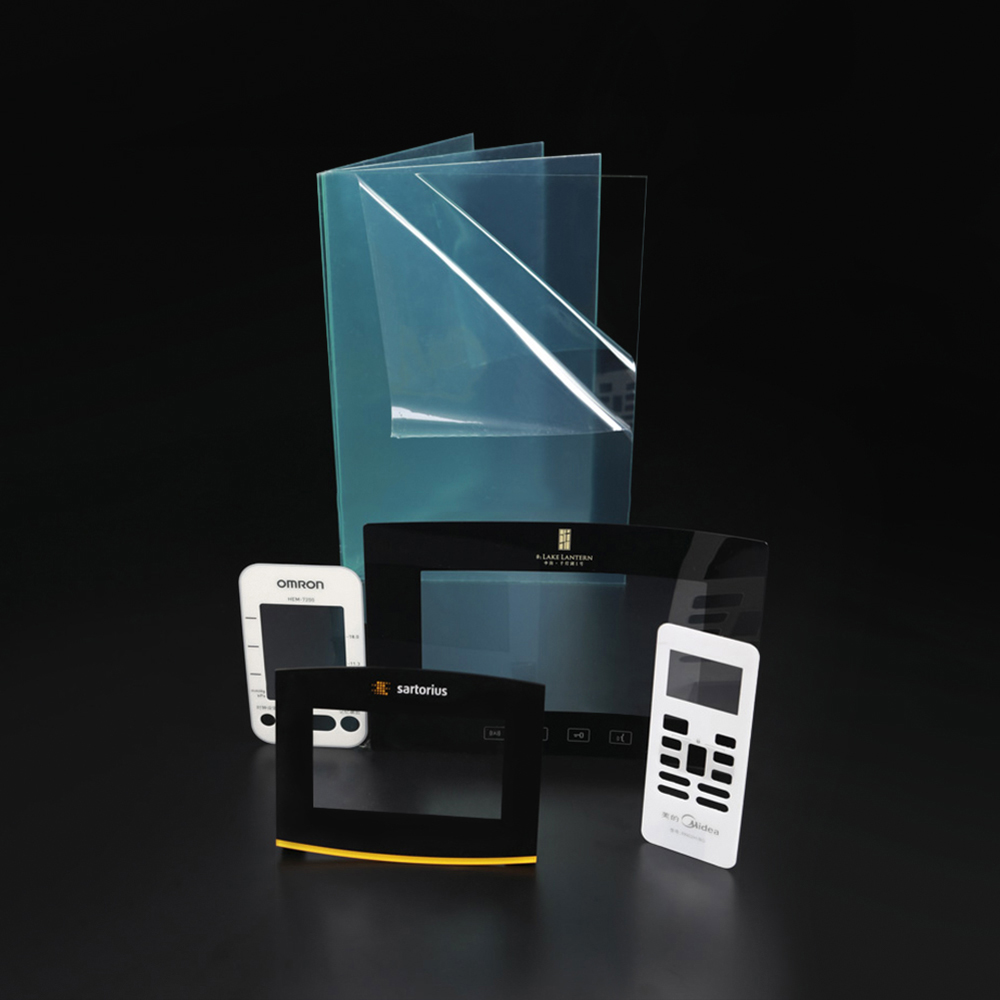
In demanding industrial environments, material selection directly determines worker safety and operational reliability. PC sheet has emerged as one of the most trusted materials for safety-critical applications across manufacturing plants, processing facilities, and heavy industry settings. Its combination of exceptional mechanical strength, optical clarity, and thermal stability makes makes this substrate a practical choice wherever protection and visibility must coexist.
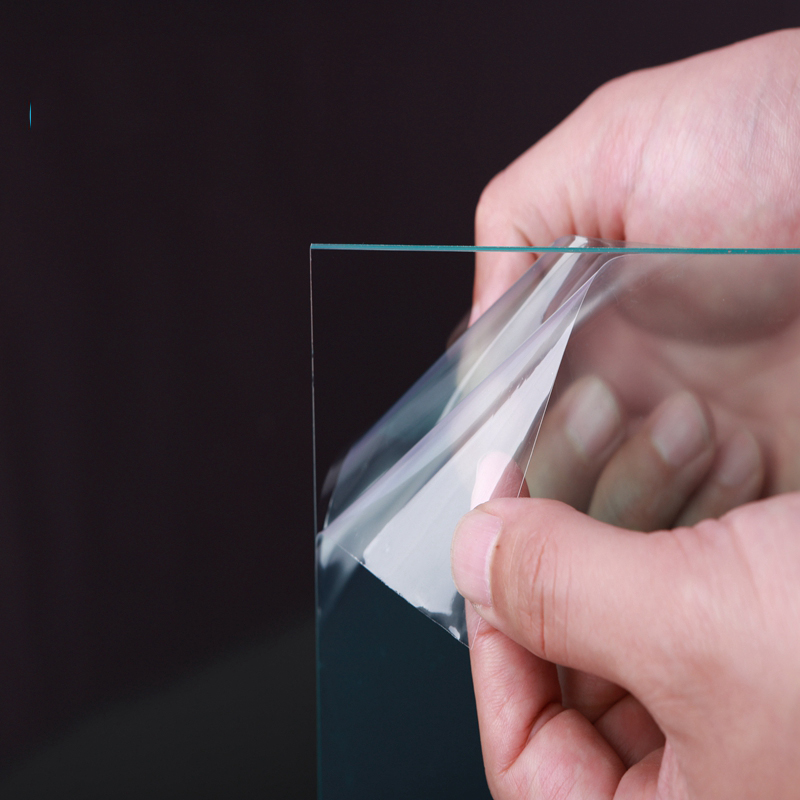
Understanding exactly how PC sheet contributes to industrial safety requires examining its physical properties, its performance under stress, and the specific environments where it delivers the most value. Unlike conventional glass or standard acrylic panels, PC sheet offers a unique profile of advantages that translate directly into reduced injury risk, lower equipment damage, and more compliant safety infrastructure.This guide breaks down these safety benefits and real-world applications for industrial teams.
Impact Resistance and Physical Barrier Performance
Why PC Sheet Outperforms Glass and Acrylic in Impact Scenarios
One of the most significant ways PC sheet improves industrial safety is through its extraordinary impact resistance. PC sheet can withstand forces that would shatter glass or crack acrylic, making it an ideal material for machine guards, protective screens, and safety barriers.Take automotive stamping shops as an example: flying metal scraps and tool ejections are daily risks, and a polycarbonate barrier provides reliable protection glass simply cannot match.
The molecular structure of PC sheet allows it to absorb and distribute impact energy rather than fracturing. When struck, PC sheet flexes slightly before returning toward its original shape, which dramatically reduces the risk of dangerous shards entering the workspace. This behavior makes it the preferred choice for conveyor guards, press machine enclosures, and viewing windows in high-velocity processing equipment.
PC Sheet in Structural Safety Applications
Beyond machine guarding, PC sheet is widely used in structural safety components such as mezzanine floor panels, walkway barriers, and safety glazing in industrial doors. Its high load-bearing capacity relative to its weight means that PC sheet can protect large areas without adding excessive structural burden.Facilities using these solutions benefit from durable, long-lasting protection that requires minimal maintenance compared to metal alternatives.
PC sheet also resists repeated mechanical stress without developing microfractures at the same rate as competing materials. This fatigue resistance is critical in environments where vibration, thermal cycling, or intermittent impact loads are constant. A PC sheet panel that maintains its structural integrity over years of service
directly supports consistent safety standards across the entire facility.
Optical Clarity and Visibility for Hazard Awareness
How PC Sheet Supports Visual Monitoring in Hazardous Zones
Industrial safety is not only about physical barriers. Visibility plays an equally important role in preventing accidents. PC sheet transmits light at a very high rate, allowing workers and supervisors to maintain clear sightlines through protective enclosures. When a PC sheet guard surrounds a piece of rotating machinery, operators can monitor its condition without removing the barrier, — a major safety advantage over opaque alternatives.
The clarity of PC sheet also supports machine vision systems and optical sensors that rely on unobstructed light transmission. In automated production environments, PC sheet enclosures allow cameras and sensors to function correctly while still protecting personnel.This dual function — physical protection plus optical transparency — makes the material uniquely suited for modern industrial safety design.
PC Sheet and Emergency Response Readiness
In emergency scenarios, rapid visual assessment of a hazardous zone is essential. PC sheet panels in control rooms, cleanrooms, and processing enclosures allow responders to evaluate conditions from a safe distance before entering. Because PC sheet maintains its clarity even after long-term UV exposure when treated with UV-stabilized coatings, facilities can depend on consistent visibility throughout the product's service life. Cloudy or yellowed panels compromise safety awarenes,which is why sustained optical performance is a genuine operational advantage.
Thermal and Fire Safety Properties of PC Sheet
PC Sheet Behavior Under High Temperature Conditions
Industrial environments frequently expose materials to elevated temperatures, and PC sheet performs reliably across a wide thermal range. PC sheet retains its mechanical strength at temperatures that would cause other thermoplastics to deform or lose rigidity.This thermal stability means guards and panels keep working as intended, even near ovens, kilns, or hot-press machinery.
When specifying PC sheet for thermal environments, facility engineers value its relatively high heat deflection temperature. PC sheet does not soften or warp prematurely under moderate heat exposure, which ensures that safety barriers remain structurally effective rather than becoming deformed obstacles. In practical terms,this means an enclosure around a heating element retains its protective geometry and does not create secondary hazards through distortion.
Fire Resistance Characteristics of PC Sheet
PC sheet carries inherent flame-retardant characteristics that are relevant to industrial fire safety. Unlike some other plastic sheet materials, PC sheet does not ignite easily and tends to self-extinguish when the flame source is removed. Many grades of PC sheet meet internationally recognized flammability standards, which allows facility managers to specify PC sheet with confidence in fire-regulated environments. This property is especially important in electrical enclosures, switchboard covers, and control panel windows where ignition risk must be minimized.
Combining flame resistance with impact strength and optical clarity, PC sheet offers a comprehensive safety profile that few alternative materials can replicate in a single product.Industrial safety planners gain cross-hazard protection in one material, simplifying compliance and eliminating the need for layered solutions.
FAQ
Is PC sheet suitable for outdoor industrial safety applications?
Yes, UV-stabilized grades of PC sheet are specifically designed for outdoor use.These variants resist yellowing and retain 90% of their impact strength after 10 years of outdoor exposure, making PC sheet a reliable choice for outdoor machine guards, perimeter screens, and safety fencing in industrial yards.
How does PC sheet compare to tempered glass for industrial machine guards?
PC sheet offers significantly higher impact resistance than tempered glass at a fraction of the weight. While tempered glass shatters into relatively safe fragments, it still fails under sufficient impact.Polycarbonate absorbs energy without breaking through, which provides a more reliable safety barrier in high-risk industrial machinery environments.
What thickness of PC sheet should I use for machine guard applications?
For standard machine guards, 3-5mm thickness is sufficient for most light debris risks. For heavy impact scenarios like stamping or forging, 6-10mm thickness is recommended. Always verify thickness based on your specific hazard assessment and local safety regulations.
Can PC sheet be custom-cut to fit specific industrial safety installations?
Yes, it is easily cut, drilled, and shaped using standard industrial tools, making it highly adaptable for custom safety installations. Most fabricators can produce panels to exact dimensions within 24-48 hours for urgent projects, ensuring proper fit and maximum coverage in guards, barriers, and enclosures.