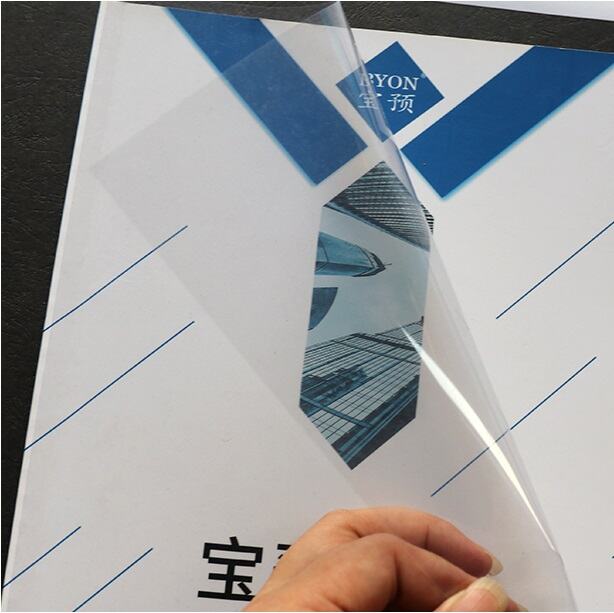
Economic Value Through Long-Term Cost Savings And Preservation
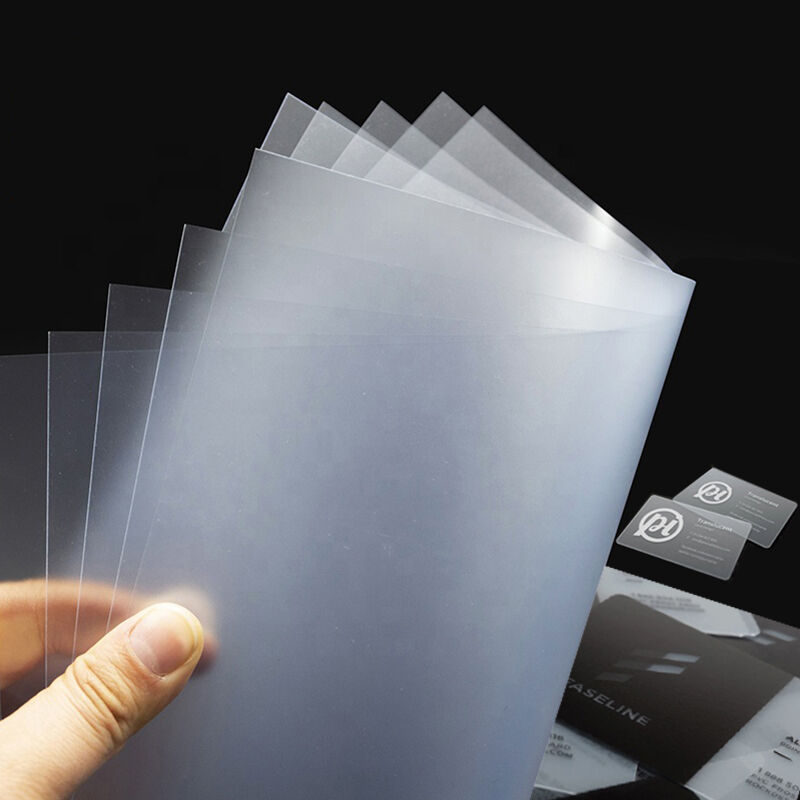
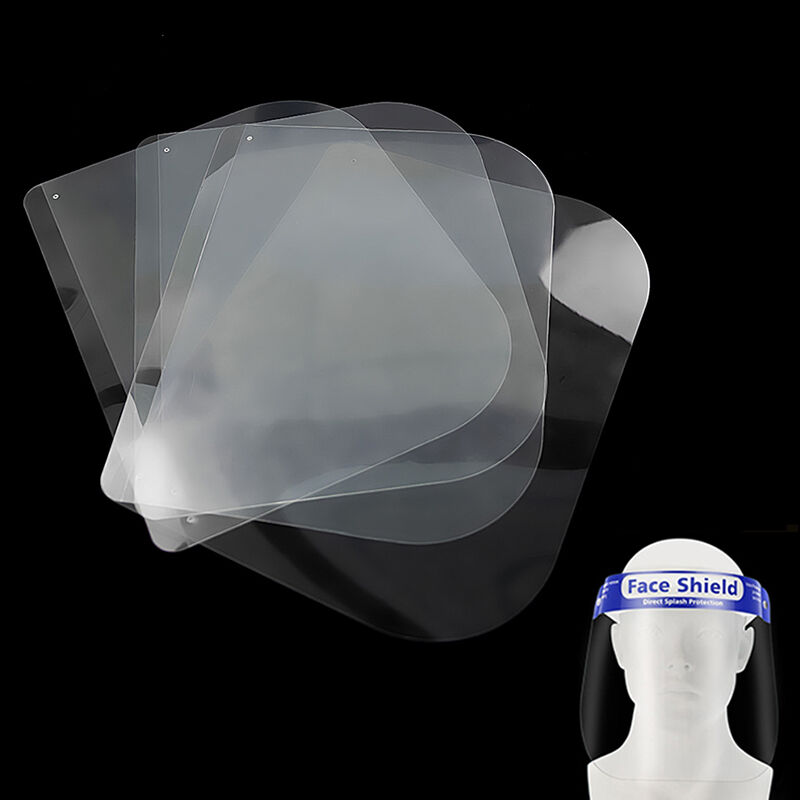
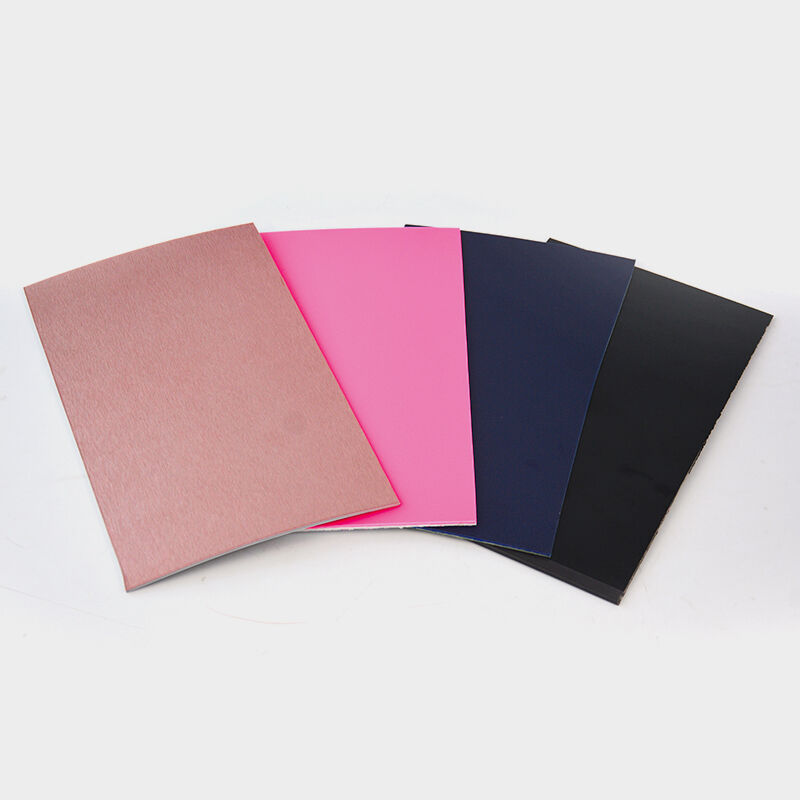
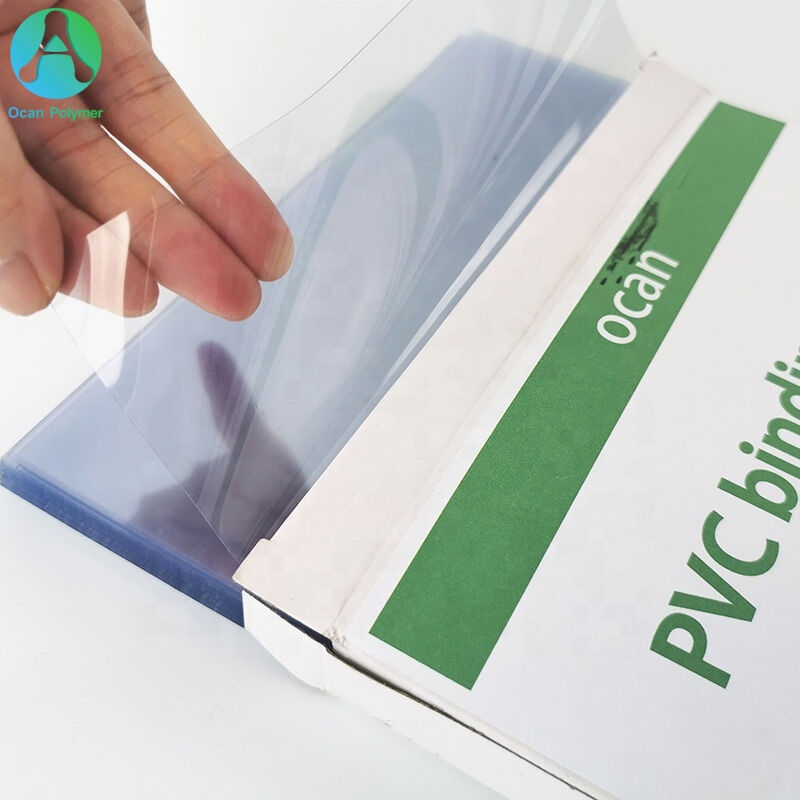
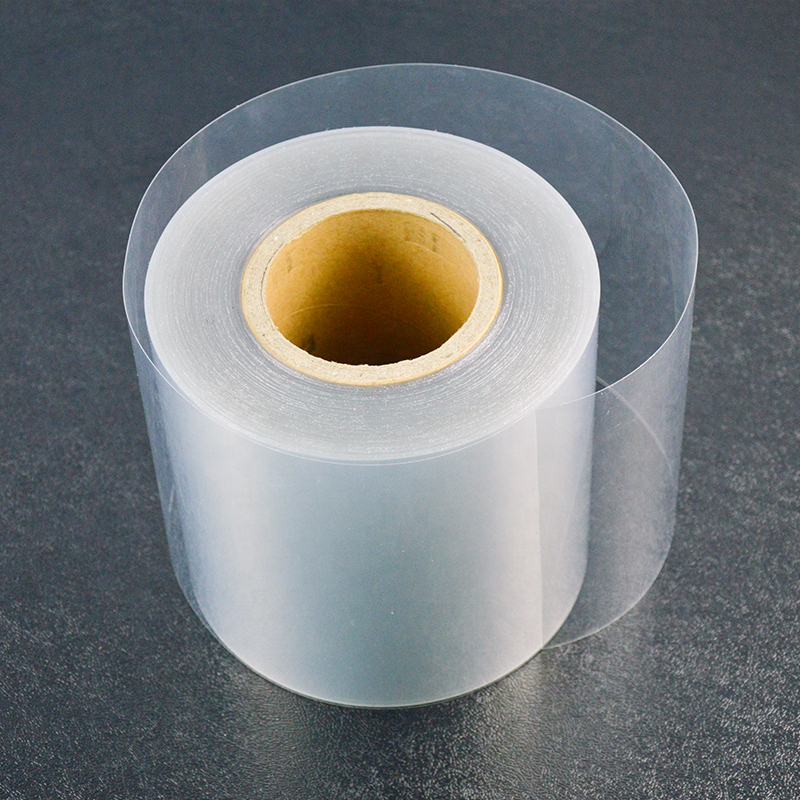
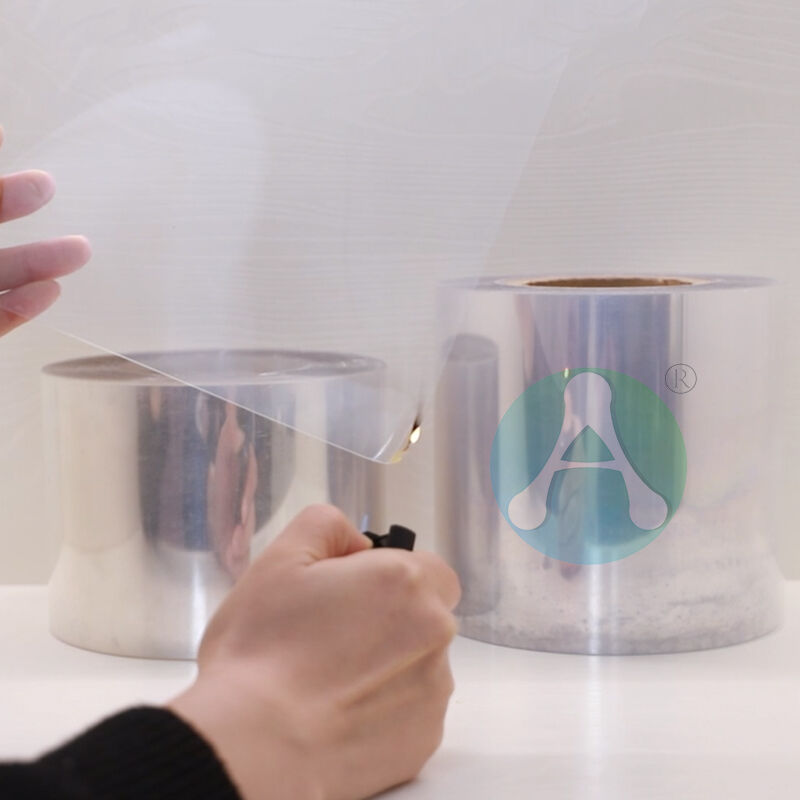
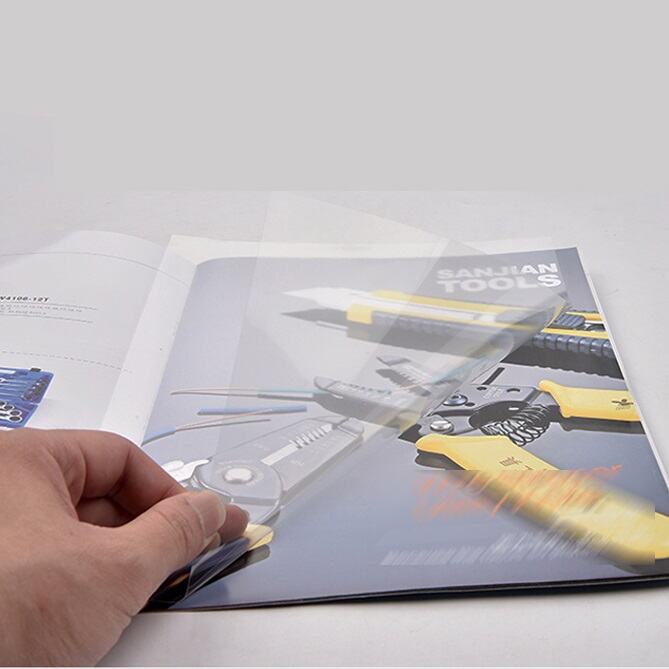
Implementing pvc sheet for book cover as a protective strategy delivers substantial economic advantages that accumulate over time through reduced replacement costs, extended usable life, and maintained resale value of protected materials. The initial investment in protective covering material represents a fraction of book replacement expenses, particularly relevant for expensive textbooks, professional reference materials, collectible editions, and out-of-print volumes where replacement proves difficult or impossible. Financial analysis across educational institutions demonstrates that systematic application of pvc sheet for book cover reduces annual book replacement budgets by percentages ranging from forty to sixty percent, translating to significant institutional savings. These savings compound annually as protected books continue serving users for multiple additional years beyond typical unprotected book lifespans. Home users experience similar economic benefits when protecting personal libraries, children's book collections, and recipe or craft books subjected to repeated handling and potential damage scenarios. The preservation aspect extends beyond preventing catastrophic damage to maintaining books in superior condition that retains resale or donation value. Protected books command higher prices in used book markets because covers remain pristine, pages stay clean, and overall appearance suggests careful ownership. Collectors particularly appreciate how pvc sheet for book cover prevents the value depreciation that accompanies condition deterioration, preserving investment value in first editions and signed copies. The durability of the protective covering itself contributes to economic value, as quality pvc sheet for book cover maintains effectiveness for years without requiring replacement, unlike fabric covers that wear out or paper jackets that tear and need periodic renewal. The minimal maintenance requirements eliminate ongoing costs associated with more elaborate protection systems, requiring only occasional wiping rather than professional cleaning or specialized care products. Time savings represent another economic consideration, as the straightforward application process and easy maintenance free users from time-consuming book care routines, allowing focus on actual book usage rather than preservation concerns. Educational institutions particularly value this efficiency when protecting hundreds or thousands of volumes, as staff can cover books quickly without specialized training or significant labor investment. The prevention of secondary damage creates additional savings by avoiding scenarios where damaged books contaminate adjacent volumes through moisture transfer, pest attraction, or physical deterioration that spreads through shelving units. Libraries implementing comprehensive pvc sheet for book cover programs report decreased pest management costs as protected books present fewer entry points and breeding grounds for paper-damaging insects. The standardization enabled by sheet material reduces inventory complexity compared to maintaining diverse pre-made cover sizes, simplifying purchasing, storage, and application logistics while reducing waste from wrong-size selections.
 EN
EN