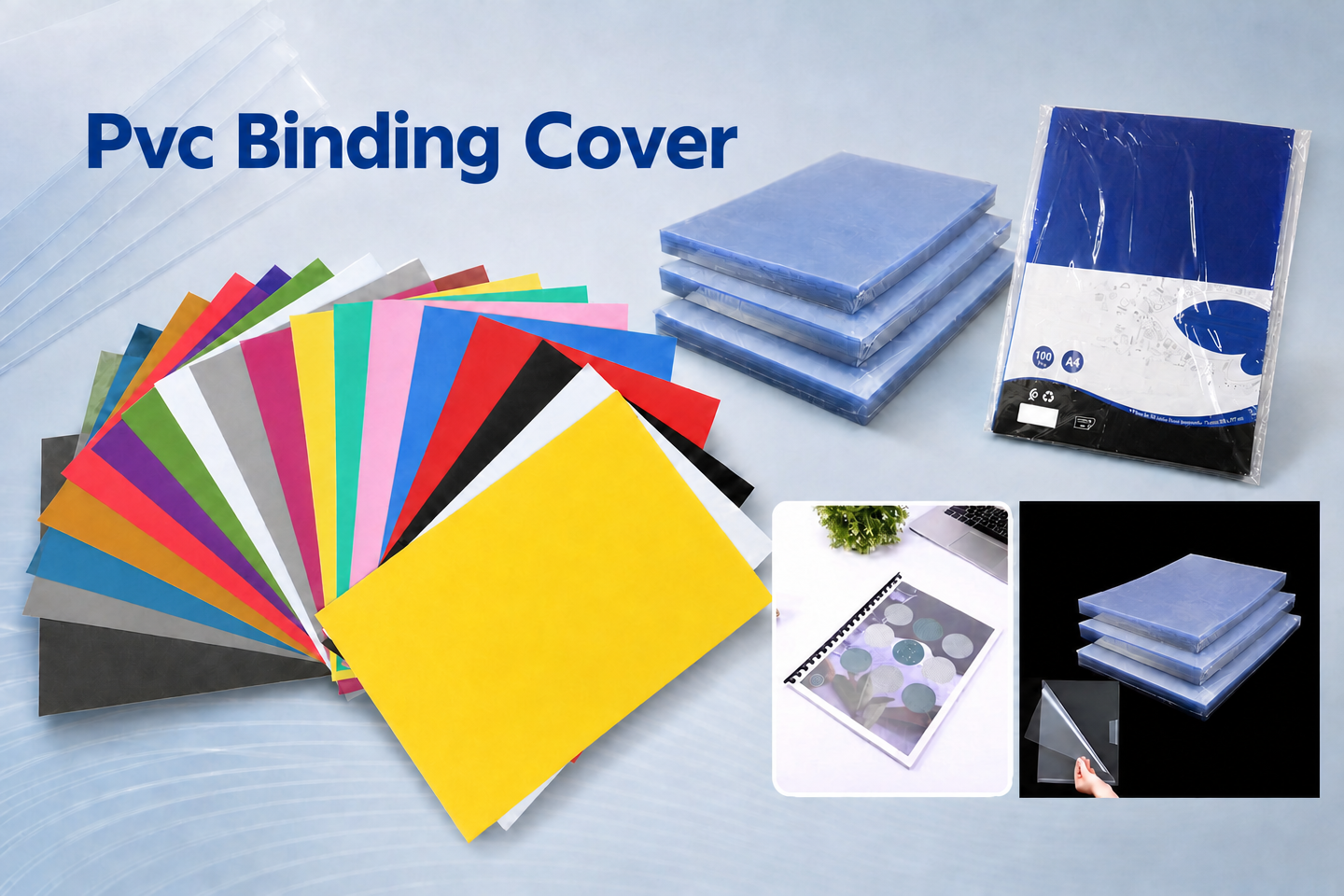
1.Base Material Properties and Pain Point Analysis for Stationery Applications
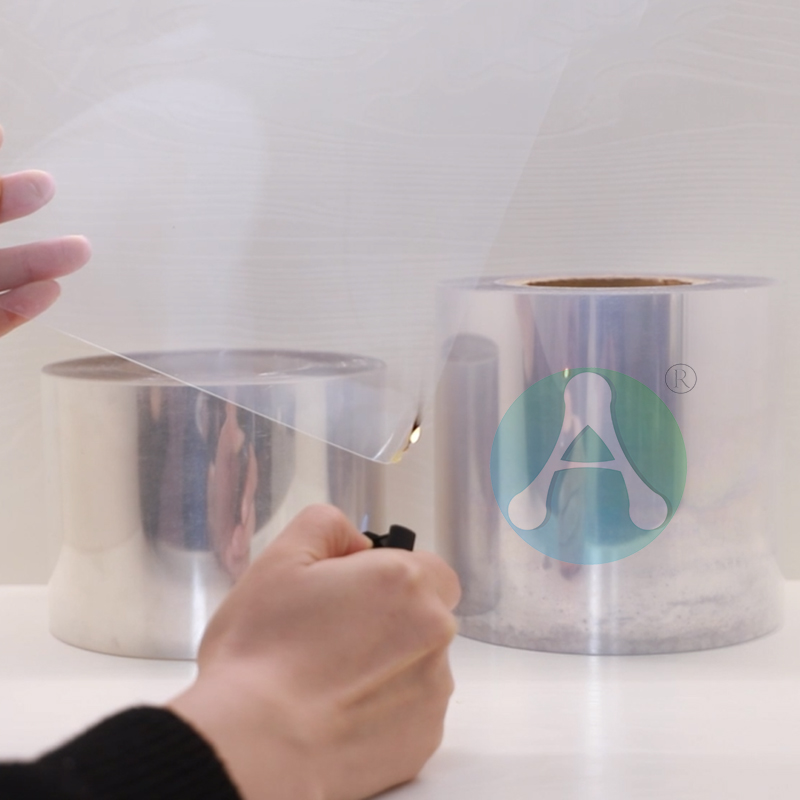
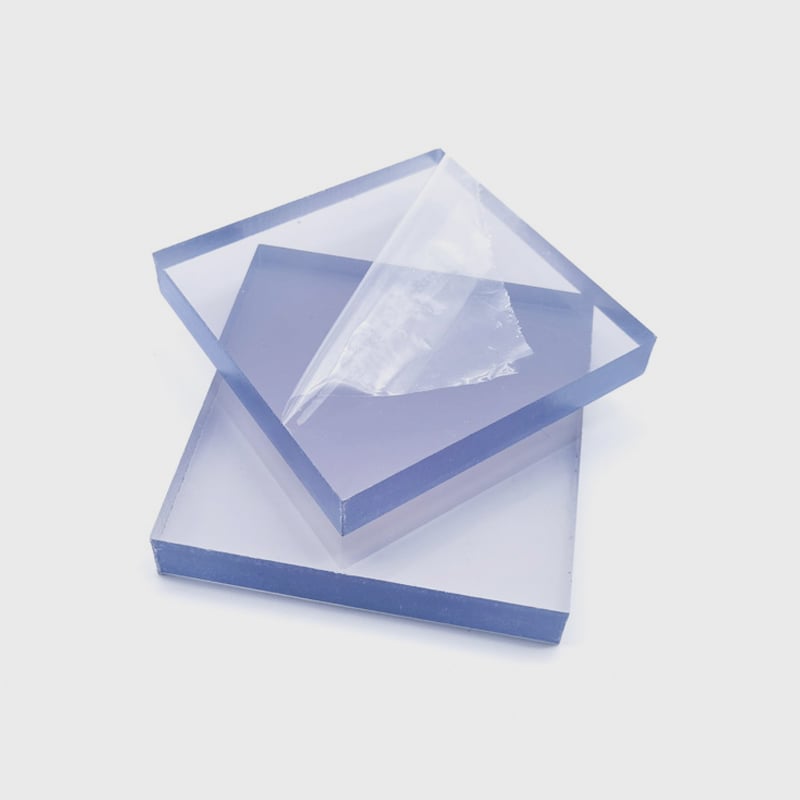
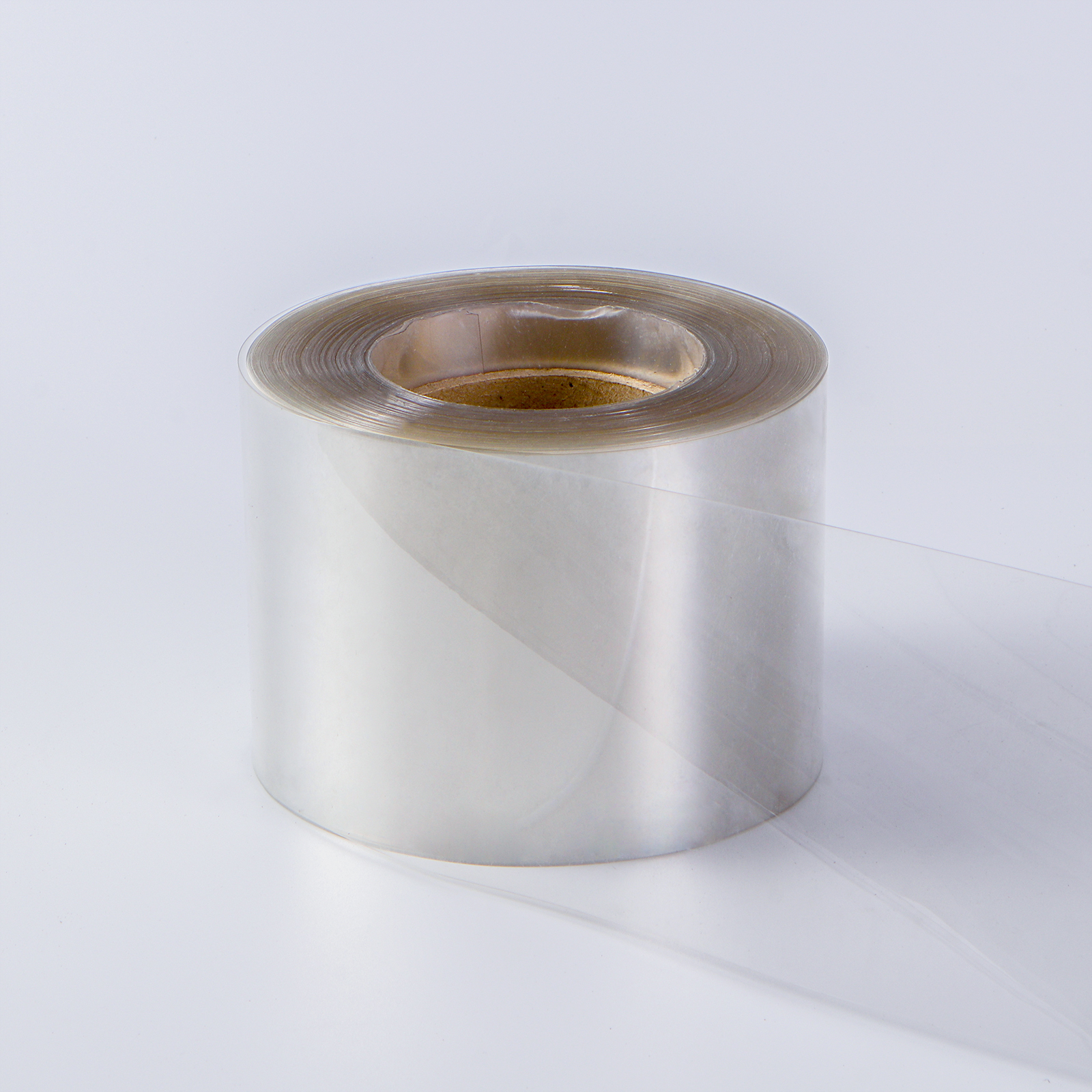
Transparent PVC used in folders is a rigid, optical-grade polyvinyl chloride sheet. In daily use, this material is subject to specific stresses—repeated folding, edge and corner impact, and low-temperature storage—all of which can readily induce whitening and cracking defects on the sheet surface. In addition, insufficient clarity directly compromises the legibility of document contents.
Through long-term development and tuning of rigid PVC sheet systems, Anhui Ocan Materials Co., Ltd. has consistently balanced two core indicators—light transmittance and impact resistance—for stationery applications, and has established a stable control pathway based on the synergy of formulation, process, and modification.
In the industry, the plasticizer content of rigid PVC sheet for stationery is controlled within the range of 0–5 PHR, constituting a low-plasticizer rigid system with a density of 1.30–1.45 g/cm³ and a Shore D hardness of 60 to 70. In its native state, the molecular chain exhibits high rigidity and limited deformation buffer capacity—this is the underlying reason why conventional formulations are prone to cracking under bending.
Qualified stationery base materials generally achieve a light transmittance of over 90% and a haze value below 5%, which is required to enable unobstructed reading of document contents.
2.Influence of Extrusion Molding Process on Material Performance
2.1 Mixing Temperature Control Process
The heating gradient in high-speed mixing determines the dispersion uniformity of additives. In process terms, PVC resin is first heated to 60–70°C, at which point stabilizers and lubricants are added; the temperature is then raised to 80°C for the introduction of MBS modifier; the final mixing endpoint temperature is controlled at 100–120°C, followed by rapid cooling to below 40°C before discharge.
Insufficient mixing temperature leads to MBS agglomeration, resulting in localized toughness inconsistency, with agglomerated points cracking preferentially under bending. Excessive temperature, on the other hand, tends to trigger premature slight degradation of the resin, accompanied by a decline in transparency.
2.2 Extrusion and Shaping Temperature Control Range
The extrusion processing temperature range for rigid PVC is 160–190°C. The barrel zones are heated in a stable, progressive manner, while the die head temperature is fine-tuned within a narrow range to ensure uniform melt discharge thickness.
The temperature gradient of the three-roll calender rolls must be strictly controlled. Imbalanced roll temperatures tend to leave residual internal stress in the sheet; after a period of storage, this internal stress is released, leading to spontaneous warping and cracking at fold lines.
Thickness tolerance is controlled within ±0.03 mm. In sheets with large thickness variation, the impact resistance at thin sections is noticeably weaker.
2.3 Post-treatment Time Control
There are processing internal stresses inside the sheet immediately after it is rolled off the production line. Before cutting and making folders, it is recommended to leave it at room temperature for 24 hours for state adjustment to release residual stresses; for directly processed and formed products, the cracking probability increases under the change of temperature environment in the future.
3.Troubleshooting for Cracking and Loss of Transparency during Use
Low-temperature cracking: This is mostly due to insufficient MBS addition ratio or the use of a modified brand with weak cold resistance performance, and the defect is more prominent in outdoor winter environments without heating facilities;
Crack and discoloration: Poor dispersion of additives and large internal stress cause dense silver lines when bending, presenting a white mark visually;
Yearly decrease in transparency: The stability of the stabilizer is insufficient, or there is a lack of UV protection additives in the lighting environment;
Crack at the cutting edge: The melt plasticization is incomplete, and the matching of mixing and extrusion temperature control is insufficient.
Conventional testing can refer to the QB/T 2461 sheet material standard, testing three basic indicators such as transparency haze, simple beam impact strength, and bending durability, to quickly identify performance shortcomings.
4.Overall Process Selection and Implementation Reference
There is no single optimal formulation for transparent PVC used in folders; selection must be matched to specific operating conditions. For standard styles stored indoors at ambient temperature and subject to frequent folding, a basic MBS level of 5–7 PHR combined with an organotin stabilizer system is sufficient. For long-term warehousing and low-temperature use in northern regions, MBS content should be moderately increased and anti-UV components incorporated. Where maximum clarity is pursued, the upper limit of modifier addition may be appropriately reduced, with toughness compensated through refined mixing and low-stress shaping processes.
Within the overall system, raw material purity, additive dispersion, and temperature control curves are mutually constraining; adjustment of any single parameter will correspondingly alter both clarity and crack resistance performance.
Drawing on years of accumulated experience in rigid transparent PVC sheet formulation and extrusion processes, Aokai Polymer and its subsidiary Anhui Aokai Materials Co., Ltd. can match appropriate additive ratios and molding parameters to the varying conditions of stationery cutting, edge folding, and storage environments. This enables stable delivery of base materials that combine high light transmittance with folding durability, reducing losses at the finished folder stage such as cracking and excessive haze.
 Hot News
2026-11-06
2026-10-20
2026-09-16
2026-07-02
2026-06-09
2026-05-26
 EN