Transparent Polypropylene Sheet - Durable, Versatile Plastic Sheeting Solutions

Get a Free Quote

Our representative will contact you soon.
Email
Name
Company Name
Mobile/WhatsApp
Message
0/1000

transparent polypropylene sheet

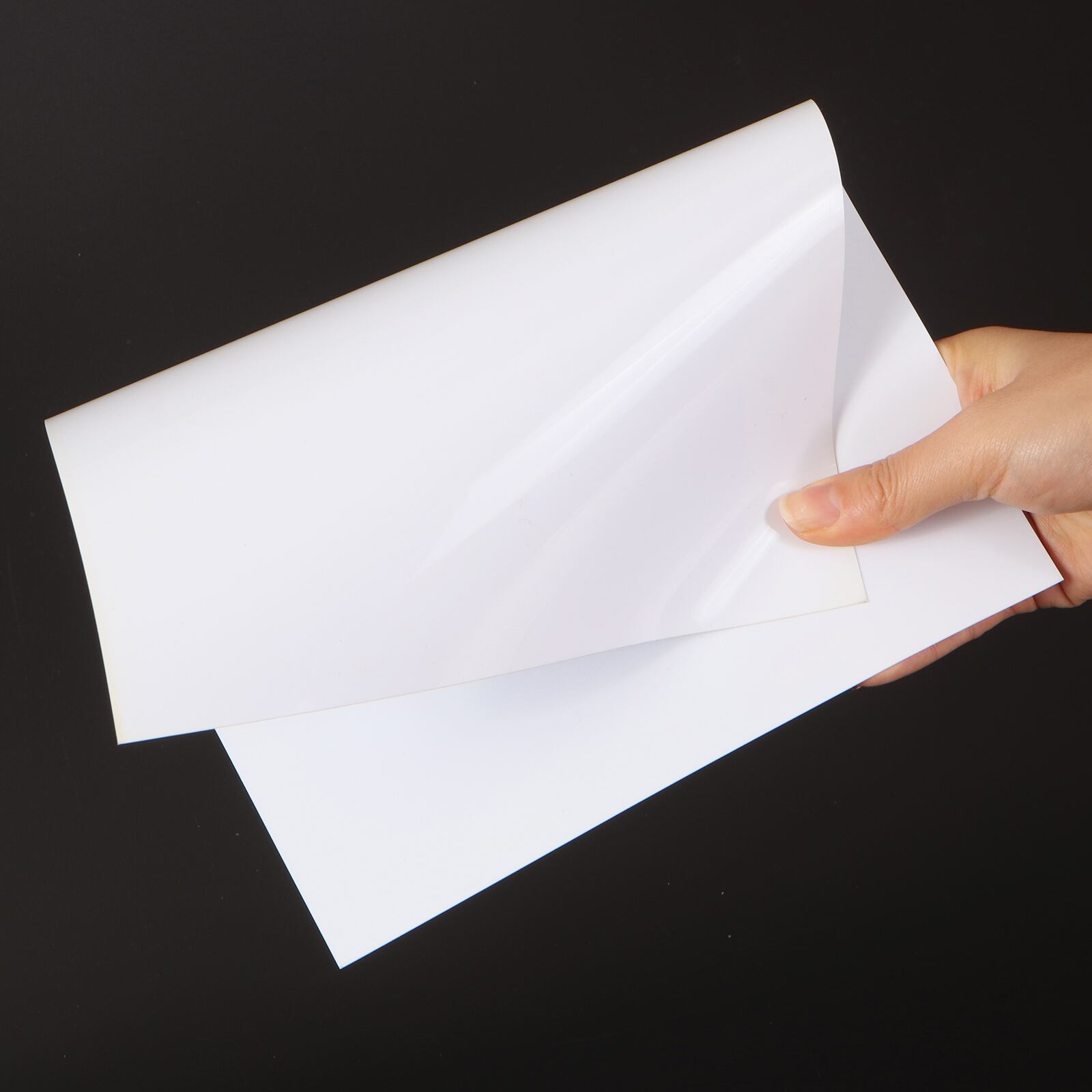
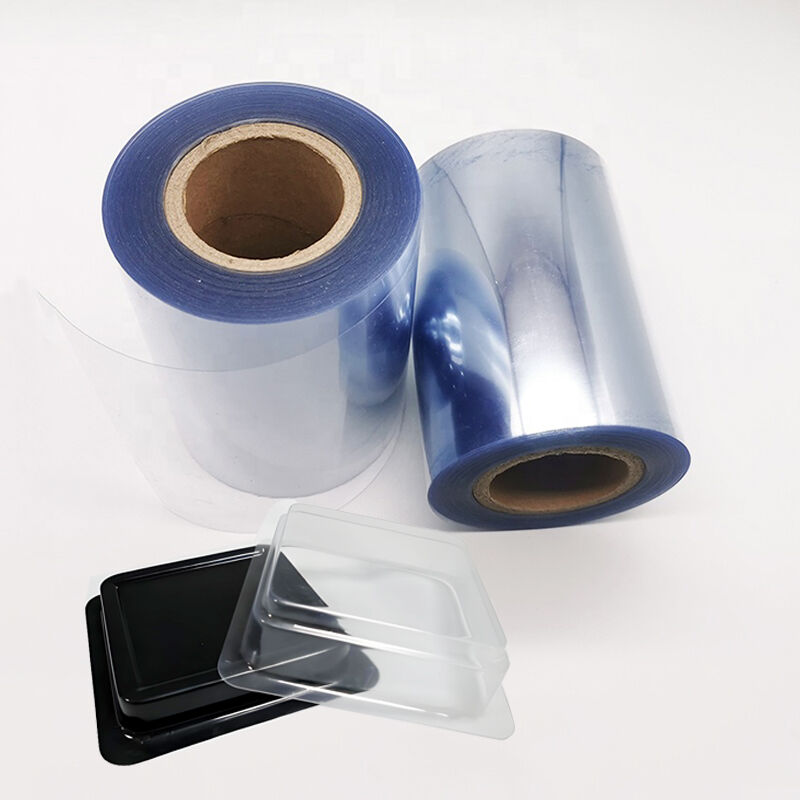
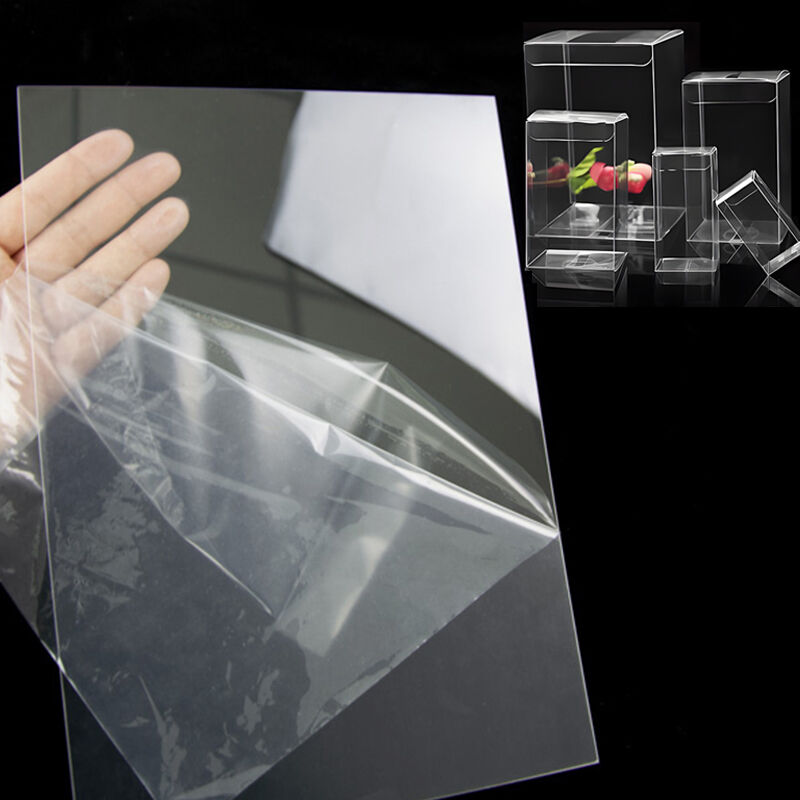
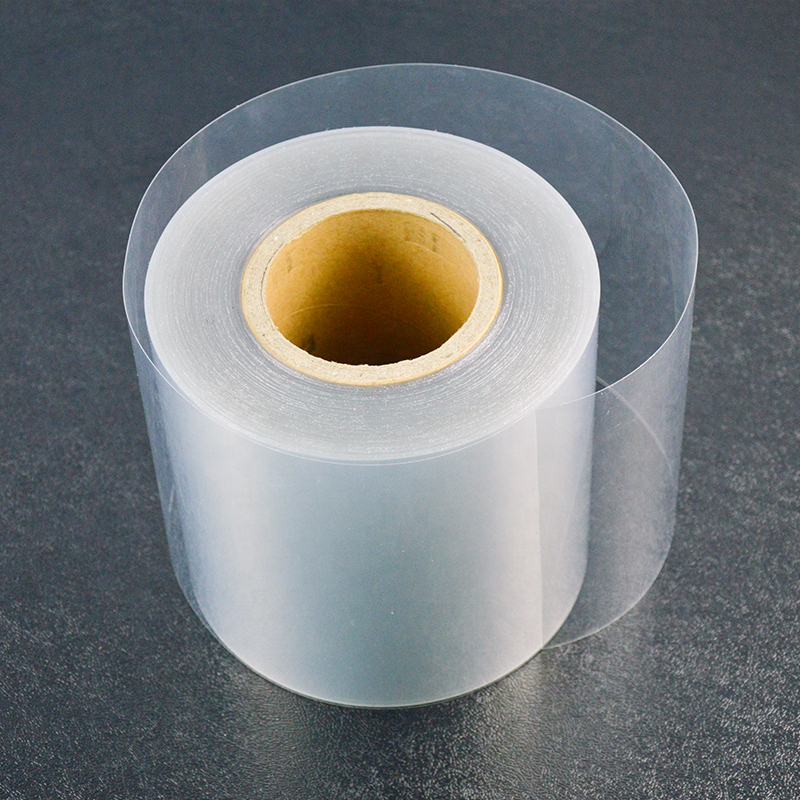
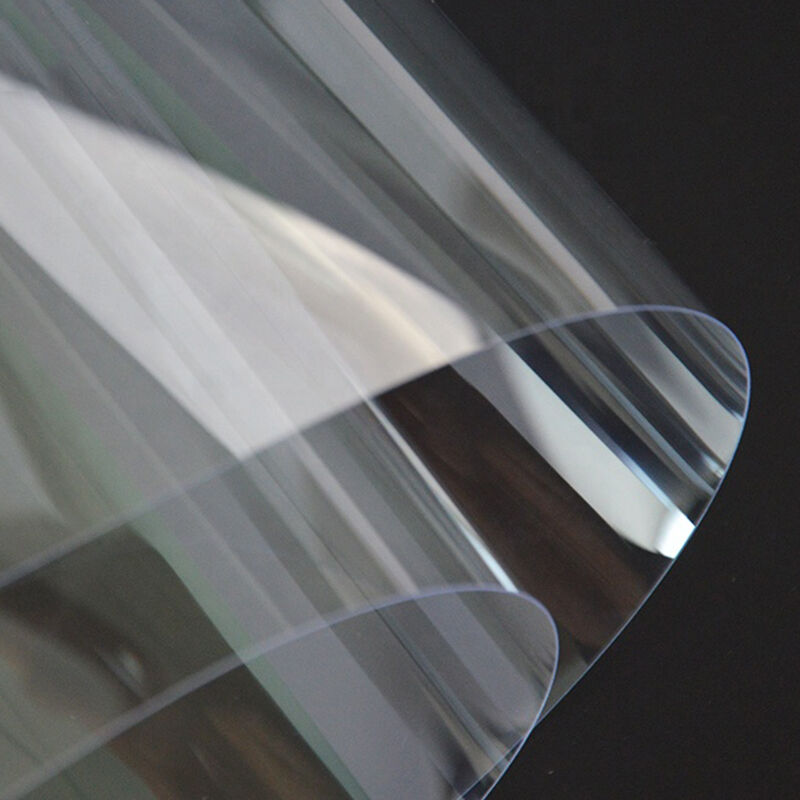
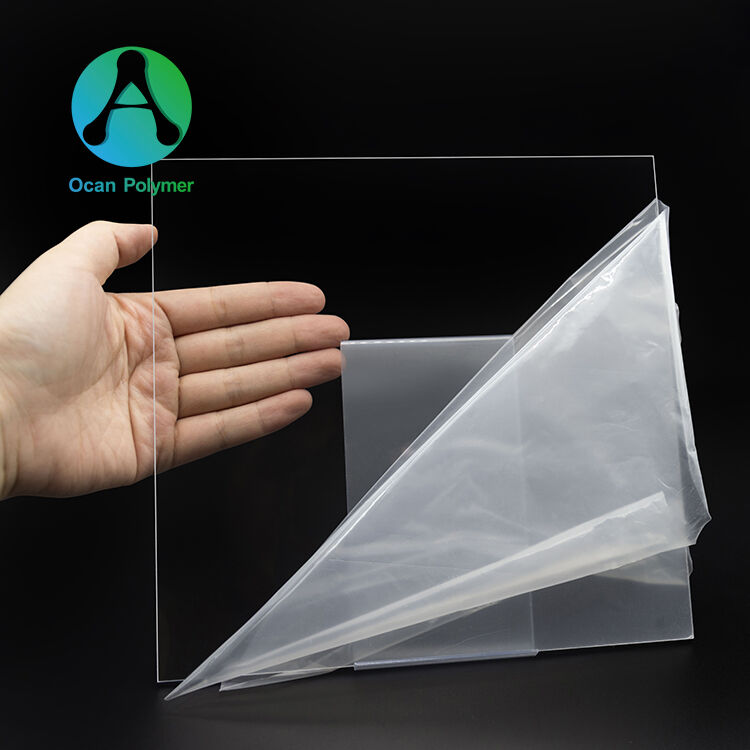
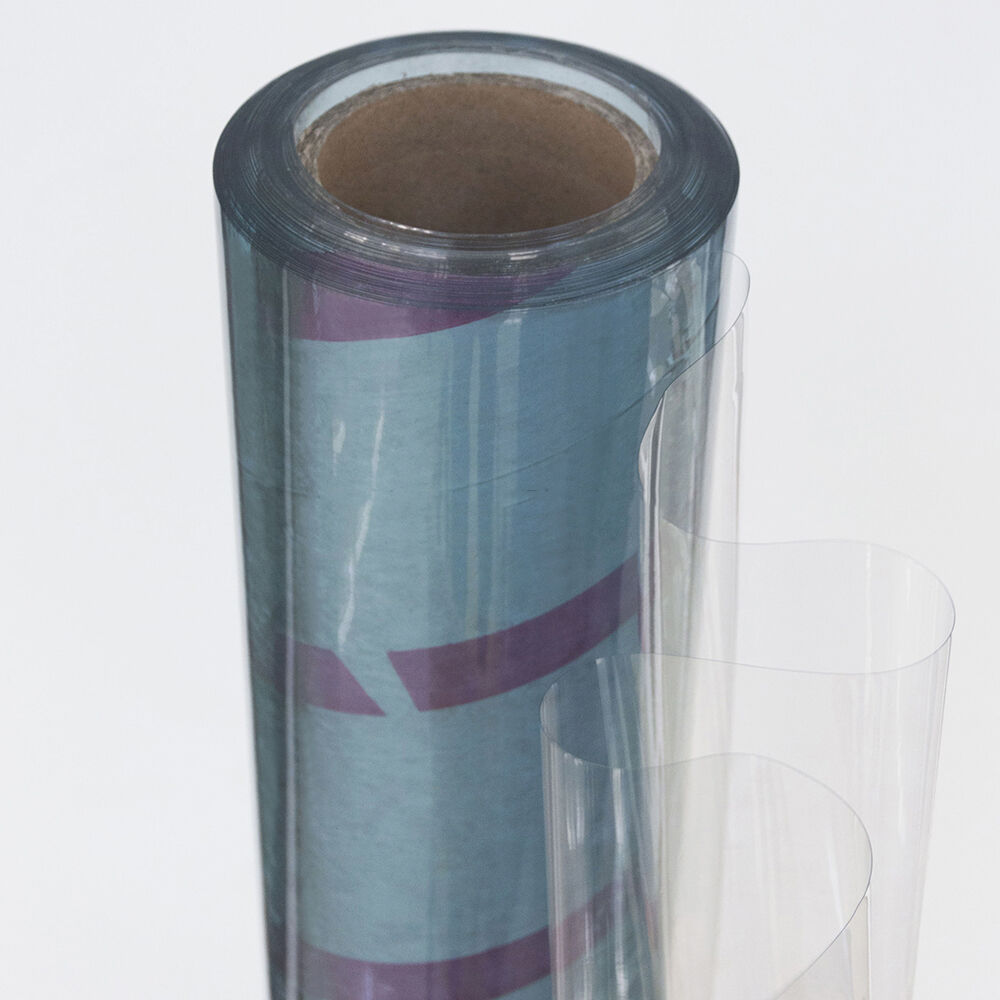
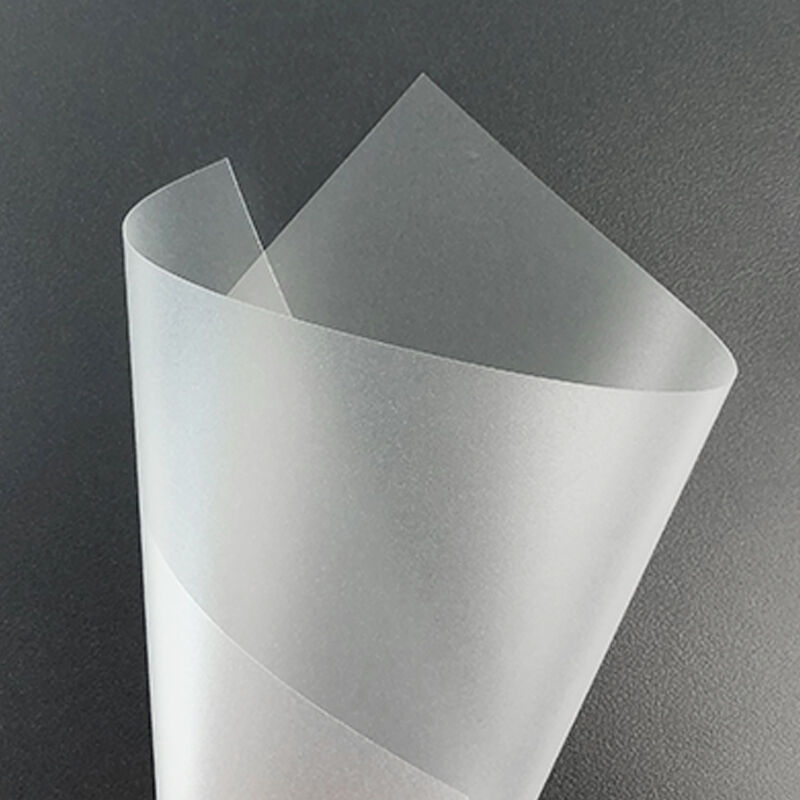
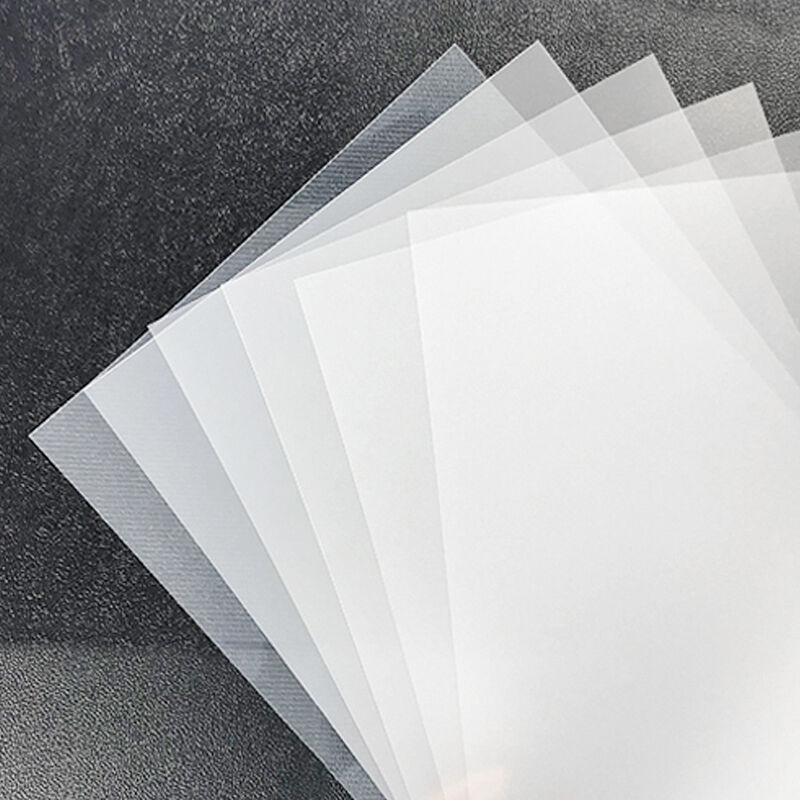
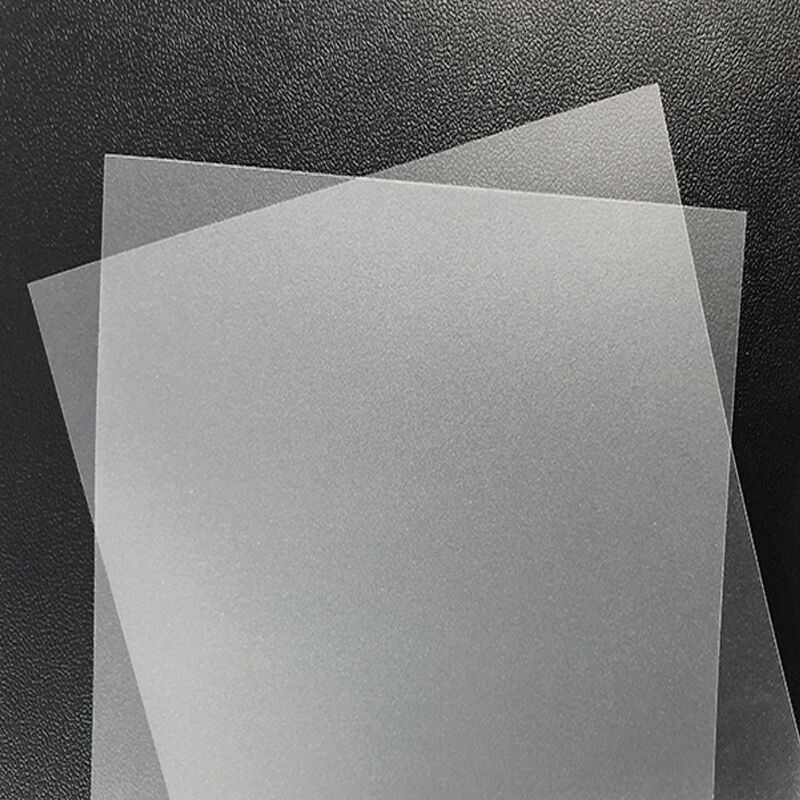
Transparent polypropylene sheet represents a versatile thermoplastic material that has become indispensable across numerous industries due to its exceptional clarity, durability, and cost-effectiveness. This polymer-based sheet material combines the robust mechanical properties of polypropylene with outstanding optical transparency, making it an ideal solution for applications requiring both visual access and protective barriers. The manufacturing process involves specialized extrusion techniques that ensure uniform thickness and consistent clarity throughout the material, resulting in sheets that maintain their transparency while delivering superior performance characteristics. The transparent polypropylene sheet serves multiple primary functions including protective covering, packaging material, display components, and fabrication substrates for various industrial and commercial applications. Its technological features encompass excellent chemical resistance, allowing it to withstand exposure to acids, alkalis, and organic solvents without degradation or discoloration. The material exhibits remarkable impact resistance even at lower temperatures, maintaining structural integrity where other plastics might crack or shatter. With a density lower than many alternative plastics, transparent polypropylene sheet offers lightweight solutions without compromising strength or functionality. The material demonstrates good heat resistance within specific temperature ranges, typically performing well between minus ten and plus ninety degrees Celsius, making it suitable for diverse environmental conditions. Applications span across retail displays, food packaging, medical device components, protective shields, document preservation, signage substrates, and industrial safety barriers. The construction industry utilizes transparent polypropylene sheet for temporary weather protection and dust containment, while educational institutions incorporate it into visual aids and protective equipment. Manufacturing facilities employ these sheets for machine guards and safety enclosures, capitalizing on the material's ability to provide visual monitoring while protecting personnel. The food service industry benefits from its FDA-compliant grades for direct food contact applications, utilizing the sheets for hygienic barriers and food presentation displays. Agricultural operations use transparent polypropylene sheet for greenhouse glazing alternatives and crop protection covers, taking advantage of its light transmission properties and weather resistance capabilities.

New Product Recommendations

Choosing transparent polypropylene sheet brings numerous practical benefits that directly impact your operational efficiency and bottom line. First and foremost, this material delivers exceptional value through its affordability compared to alternative transparent plastics like polycarbonate or acrylic, allowing you to achieve professional results while maintaining budget control. The lightweight nature of transparent polypropylene sheet significantly reduces shipping costs and simplifies handling during installation, enabling your team to work faster and more efficiently without requiring specialized equipment or excessive labor. You will appreciate the material's remarkable versatility, as it can be easily cut, bent, welded, and fabricated using standard workshop tools, eliminating the need for expensive specialized machinery or training programs. The chemical resistance properties ensure your investment remains protected even in demanding environments where exposure to cleaning agents, oils, or mild acids occurs regularly, preventing premature replacement and reducing long-term maintenance expenses. Transparent polypropylene sheet maintains its clarity and structural integrity across a wide range of temperatures, ensuring reliable performance whether you operate in climate-controlled facilities or variable outdoor conditions. The material naturally resists moisture absorption, preventing warping, swelling, or dimensional changes that could compromise fit and function in your applications. You gain peace of mind knowing that transparent polypropylene sheet does not require special storage conditions, as it remains stable under normal warehouse environments without deteriorating or yellowing over time. The recyclability of this material aligns with modern sustainability initiatives, allowing your organization to reduce environmental impact while potentially accessing recycling programs that offset material costs. Safety benefits include the material's tendency to bend rather than shatter upon impact, reducing injury risks in workplace environments and public spaces where accidental collisions might occur. The smooth surface of transparent polypropylene sheet facilitates easy cleaning and sanitization, making it particularly valuable for healthcare, food service, and laboratory applications where hygiene standards demand regular disinfection protocols. You will find that the material's excellent printability accepts various inks and adhesives, enabling custom branding, instructional graphics, or safety markings directly on the surface without requiring separate labels or overlays. The optical clarity allows for unobstructed viewing while maintaining protective barriers, improving workflow efficiency in production environments where visual monitoring enhances quality control processes. Energy efficiency improves in applications where natural light transmission through transparent polypropylene sheet reduces artificial lighting requirements, lowering operational costs while creating more pleasant working conditions. The material's resistance to stress cracking ensures long service life even in applications involving repeated flexing or vibration, reducing replacement frequency and associated downtime costs that impact productivity and profitability.

Practical Tips

How Does PET Roll Improve Efficiency in Thermoforming Production?

06

Apr

How Does PET Roll Improve Efficiency in Thermoforming Production?

Thermoforming production demands precision, speed, and material consistency to meet the high-volume requirements of packaging, automotive, medical, and consumer goods industries. Among the critical factors influencing production efficiency, the choic...
View More
How Is PC Sheet Used for Light Diffuser Panels in LED Lampshades?

03

Apr

How Is PC Sheet Used for Light Diffuser Panels in LED Lampshades?

Polycarbonate sheet technology has revolutionized the lighting industry by providing an optimal solution for light diffusion in LED lampshade applications. When manufacturers design LED lighting products, they face a critical challenge: converting po...
View More
Why Is ABS Sheet Applied in Vacuum Forming for Automotive Parts?

01

Apr

Why Is ABS Sheet Applied in Vacuum Forming for Automotive Parts?

The automotive industry demands materials that combine mechanical strength, thermal stability, and cost-effectiveness for manufacturing interior and exterior components. Among thermoplastic materials used in vacuum forming processes, ABS sheet has em...
View More
How Is Flexible PVC Film Used for Tablecloth Manufacturing Applications?

15

Apr

How Is Flexible PVC Film Used for Tablecloth Manufacturing Applications?

Flexible PVC film has become an indispensable material in the tablecloth manufacturing industry, offering manufacturers a versatile solution that combines durability, aesthetic appeal, and functional performance. This synthetic polymer material under...
View More

Get a Free Quote

Our representative will contact you soon.
Email
Name
Company Name
Mobile/WhatsApp
Message
0/1000

transparent polypropylene sheet

Superior Clarity Combined With Exceptional Durability

Superior Clarity Combined With Exceptional Durability

The transparent polypropylene sheet stands out in the marketplace due to its unique combination of optical transparency and mechanical strength, a pairing that delivers significant value across diverse applications. Unlike materials that sacrifice strength for clarity or vice versa, this engineered plastic achieves both objectives simultaneously, providing users with a versatile solution that performs reliably under demanding conditions. The manufacturing precision involved in producing transparent polypropylene sheet ensures consistent light transmission properties, typically achieving clarity levels that rival more expensive alternatives while maintaining the inherent toughness associated with polypropylene polymers. This optical performance remains stable throughout the material's service life, resisting the yellowing and hazing that plague inferior plastic sheets when exposed to environmental factors. The durability aspect manifests through impressive impact resistance that protects against accidental collisions, dropped objects, and routine handling stress that occurs in busy commercial and industrial environments. Testing demonstrates that transparent polypropylene sheet can withstand significant force without cracking or shattering, instead flexing to absorb energy and returning to its original shape once the stress is removed. This resilient behavior proves particularly valuable in high-traffic areas where protective barriers must endure repeated contact without failing or requiring frequent replacement. The material's resistance to fatigue ensures that even applications involving constant vibration or cyclical loading benefit from extended service intervals, reducing maintenance burdens and associated costs. Chemical durability further enhances the practical value of transparent polypropylene sheet, as it maintains both its structural integrity and optical clarity when exposed to harsh cleaning agents, disinfectants, and industrial chemicals that would degrade lesser materials. This resistance allows users to implement rigorous sanitation protocols without worrying about material degradation, making it ideal for healthcare facilities, food processing plants, and laboratory environments where stringent hygiene standards mandate frequent chemical cleaning. The combination of these durability characteristics translates directly into lower total cost of ownership, as the extended lifespan and minimal maintenance requirements reduce both direct replacement expenses and indirect costs associated with downtime and labor for installation of new materials.
Versatile Fabrication And Customization Capabilities

Versatile Fabrication And Customization Capabilities

Transparent polypropylene sheet offers remarkable flexibility in fabrication and customization, empowering users to create tailored solutions that precisely match their specific requirements without incurring prohibitive costs or lengthy lead times. The material readily accepts standard fabrication techniques including cutting, drilling, routing, and edge finishing using conventional woodworking and metalworking tools, eliminating barriers to entry for small shops and individual craftspeople who may lack specialized plastic fabrication equipment. Cold forming operations allow transparent polypropylene sheet to be bent and shaped at room temperature for gentle curves, while heat forming techniques enable more dramatic shapes and complex geometries when applications demand three-dimensional configurations. The thermoforming characteristics of this material prove particularly advantageous for producing protective covers, display components, and packaging inserts that require precise contours matching specific product shapes or equipment profiles. Welding capabilities using hot air, heated tools, or ultrasonic methods facilitate the assembly of complex structures from multiple transparent polypropylene sheet components, creating sealed enclosures, tanks, or multi-sided displays without requiring adhesives or mechanical fasteners that might compromise appearance or performance. Bonding options extend beyond welding to include various adhesive systems specifically formulated for polypropylene, providing alternatives when welding proves impractical or when dissimilar materials must be joined in hybrid assemblies. The surface of transparent polypropylene sheet accepts printing through multiple technologies including screen printing, digital printing, and pad printing, enabling custom graphics, instructional text, or decorative elements to be applied directly without separate overlay films that might trap air bubbles or peel away over time. Corona treatment or flame treatment processes modify the surface energy of transparent polypropylene sheet to improve ink adhesion and paint bonding, ensuring durable graphics that withstand cleaning and environmental exposure without fading or flaking. Machining operations produce precise dimensions and tolerances suitable for demanding applications where transparent polypropylene sheet components must interface with metal hardware, electronic assemblies, or mechanical mechanisms requiring exact fit and alignment. The material's forgiving nature during fabrication means that minor errors can often be corrected through localized heating and reshaping, reducing scrap rates and improving overall production efficiency compared to brittle materials that crack irreparably when mistakes occur.
Cost-Effective Solution With Environmental Responsibility

Cost-Effective Solution With Environmental Responsibility

Transparent polypropylene sheet represents an economically intelligent choice that delivers professional performance without the premium pricing associated with alternative transparent materials, making it accessible for budget-conscious projects while still meeting demanding quality standards. The raw material costs for polypropylene remain consistently lower than competing plastics such as polycarbonate, acrylic, or specialty polymers, providing immediate savings at the point of purchase that multiply across large projects or ongoing procurement programs. Manufacturing efficiency in producing transparent polypropylene sheet has reached advanced levels, with modern extrusion lines capable of maintaining tight tolerances and consistent quality at high production speeds, ensuring stable pricing and reliable availability for users who depend on predictable supply chains. The lightweight characteristics of transparent polypropylene sheet generate substantial secondary savings through reduced transportation costs, whether shipping raw materials to fabrication facilities or delivering finished products to end users, with lower fuel consumption translating to both cost savings and reduced carbon footprint. Installation labor requirements decrease proportionally with material weight, as workers can handle larger sections of transparent polypropylene sheet without mechanical assistance, completing projects faster and reducing labor costs while improving workplace safety by minimizing heavy lifting and associated injury risks. The recyclability of transparent polypropylene sheet aligns with contemporary environmental stewardship goals, as the material can be reprocessed into new products at the end of its service life rather than contributing to landfill waste, with recycling programs increasingly available that may even provide modest financial returns for clean scrap material. Life cycle assessments demonstrate that transparent polypropylene sheet performs favorably compared to alternative materials when evaluating total environmental impact from raw material extraction through manufacturing, use phase, and end-of-life disposal, making it a responsible choice for organizations committed to sustainability initiatives. The energy required to produce transparent polypropylene sheet remains lower than many competing materials, reflecting the relatively simple polymerization process and efficient extrusion techniques that characterize modern manufacturing, resulting in reduced greenhouse gas emissions per unit of finished product. Durability and longevity further enhance the environmental profile of transparent polypropylene sheet, as extended service life means fewer replacement cycles and reduced cumulative resource consumption over the functional lifetime of installations, demonstrating that initial purchase price represents only one component of true cost-effectiveness when lifecycle considerations receive appropriate attention.

Get a Free Quote

Our representative will contact you soon.
Email
Name
Company Name
Mobile/WhatsApp
Message
0/1000