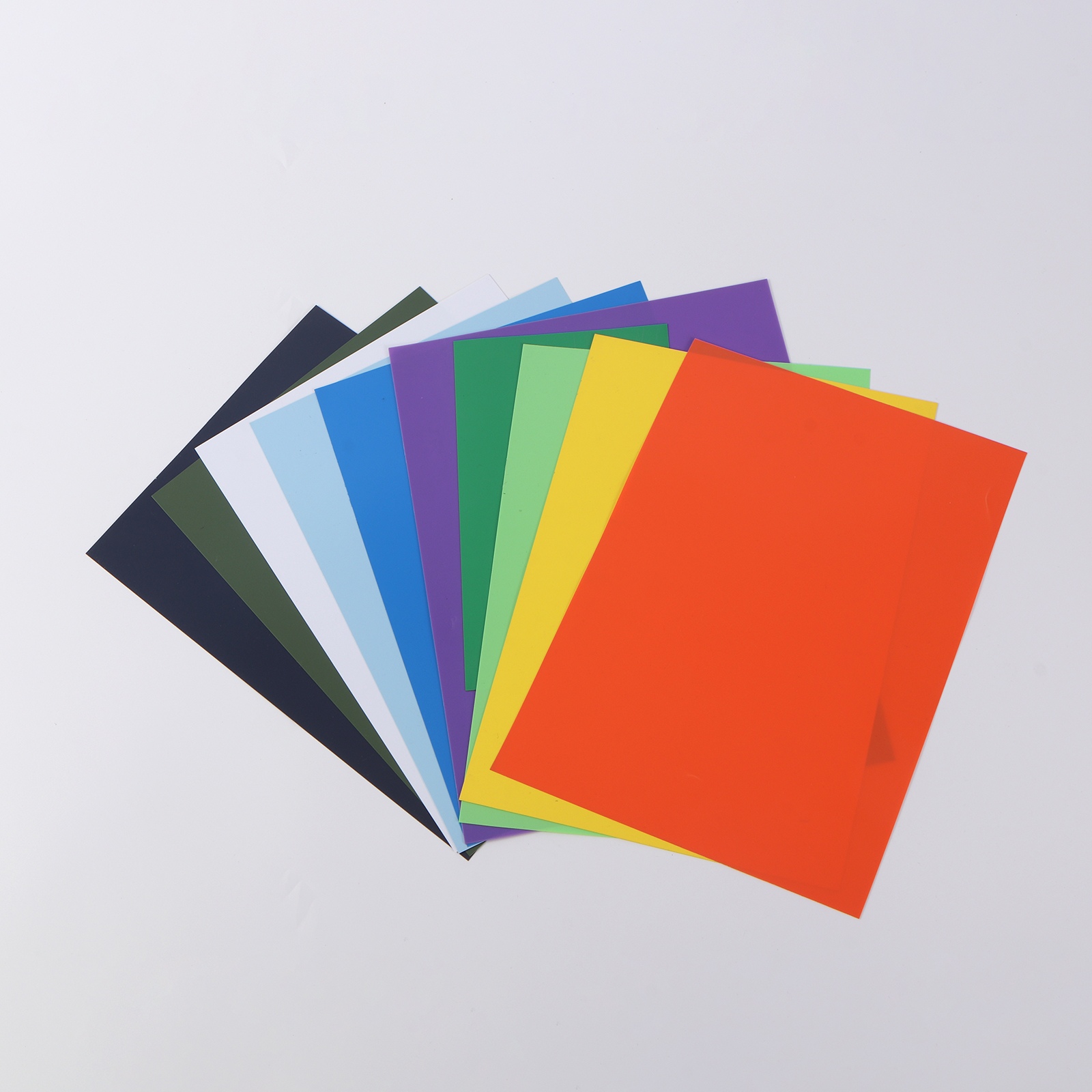
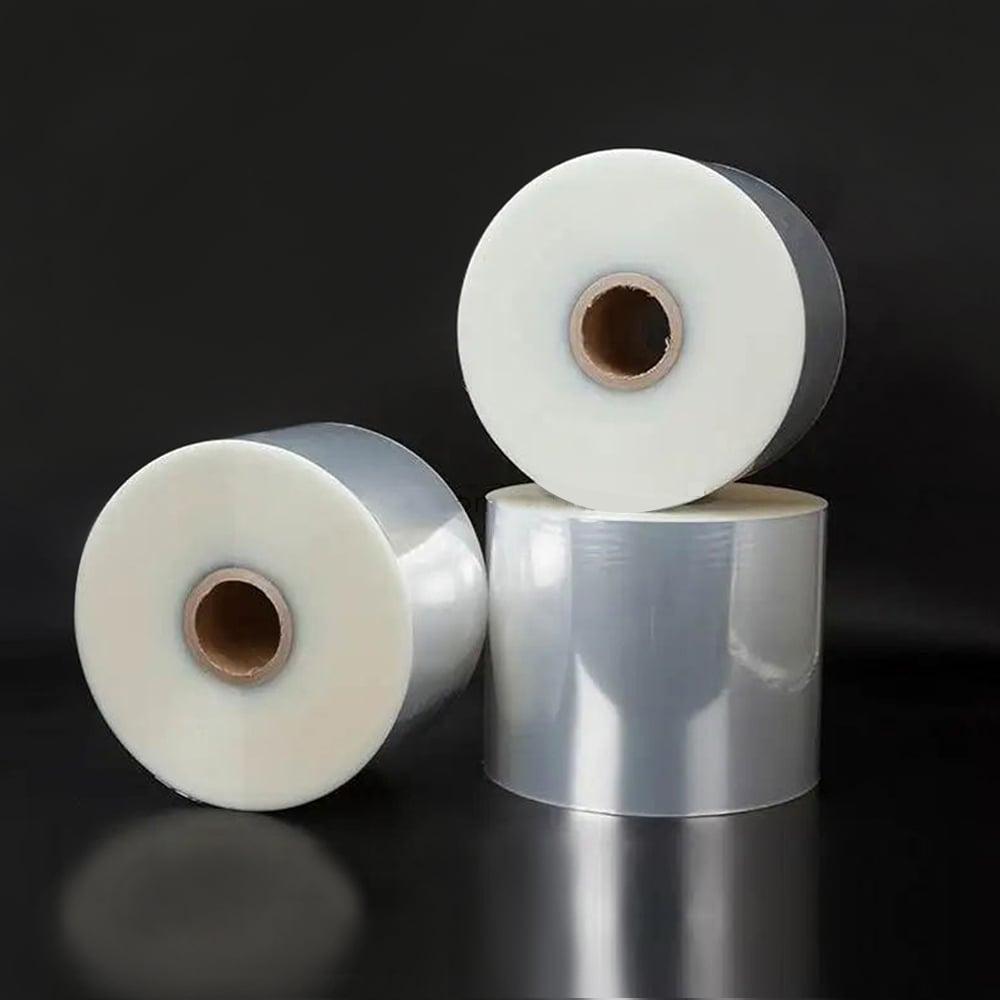
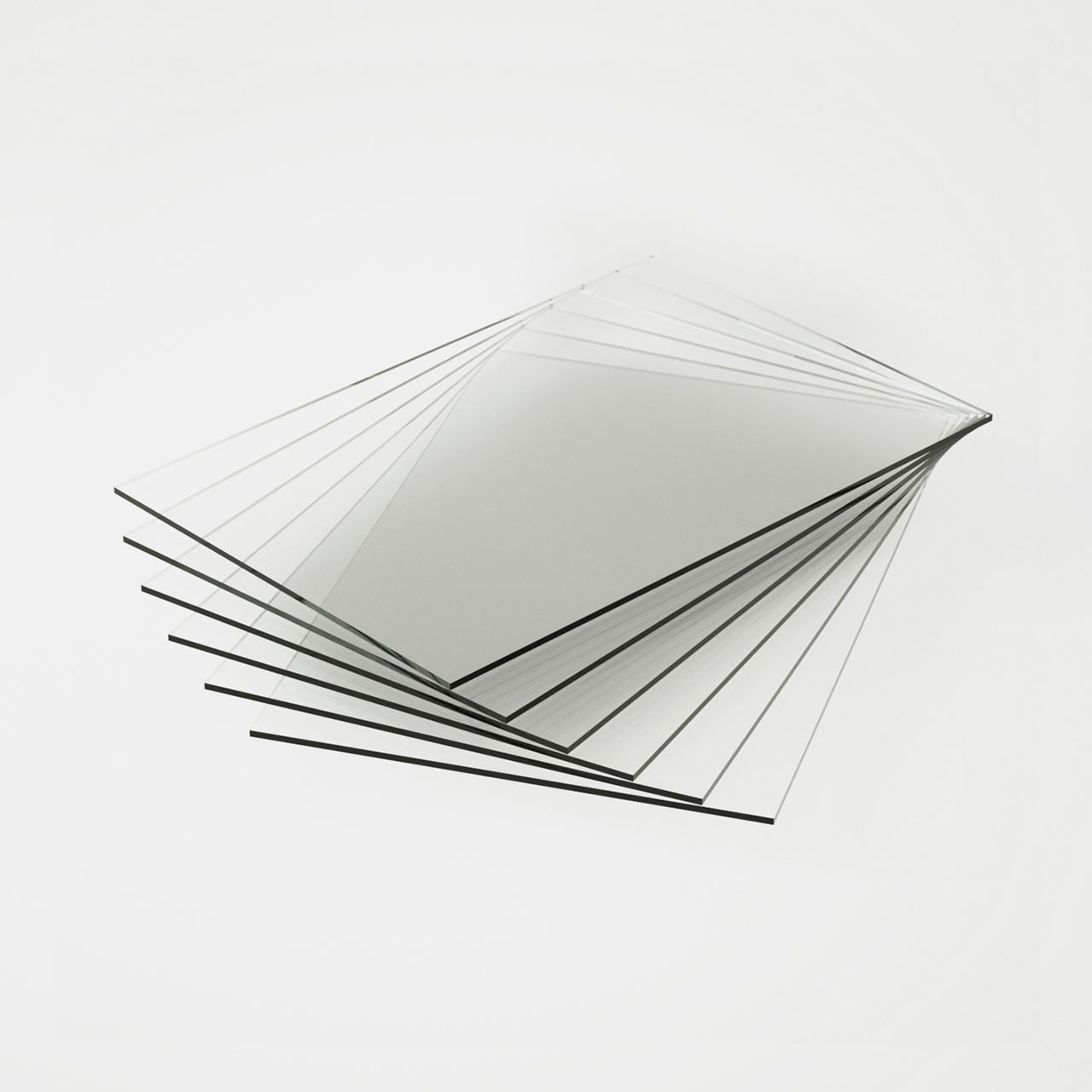
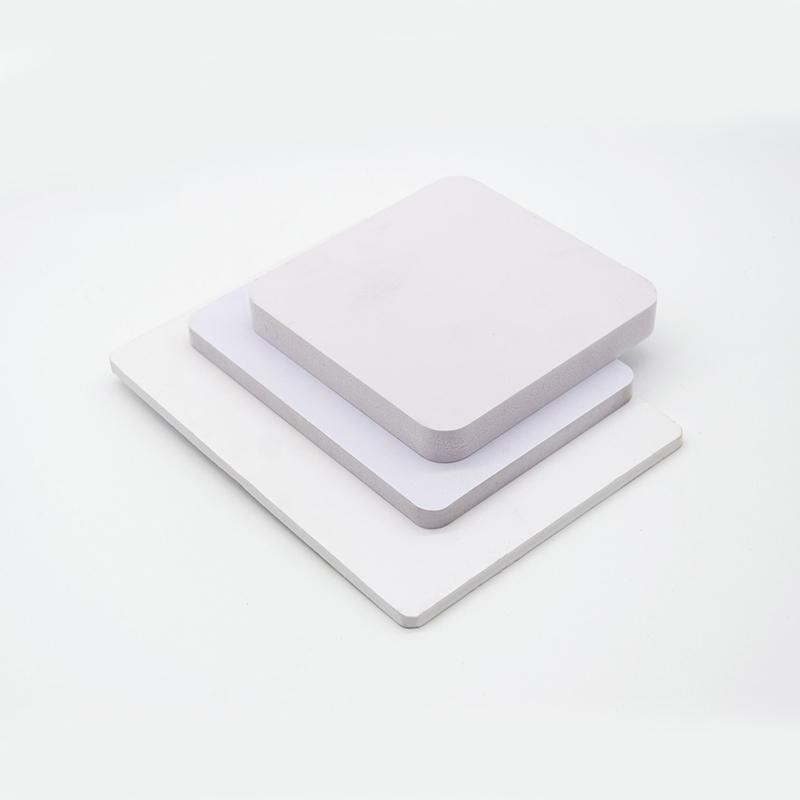
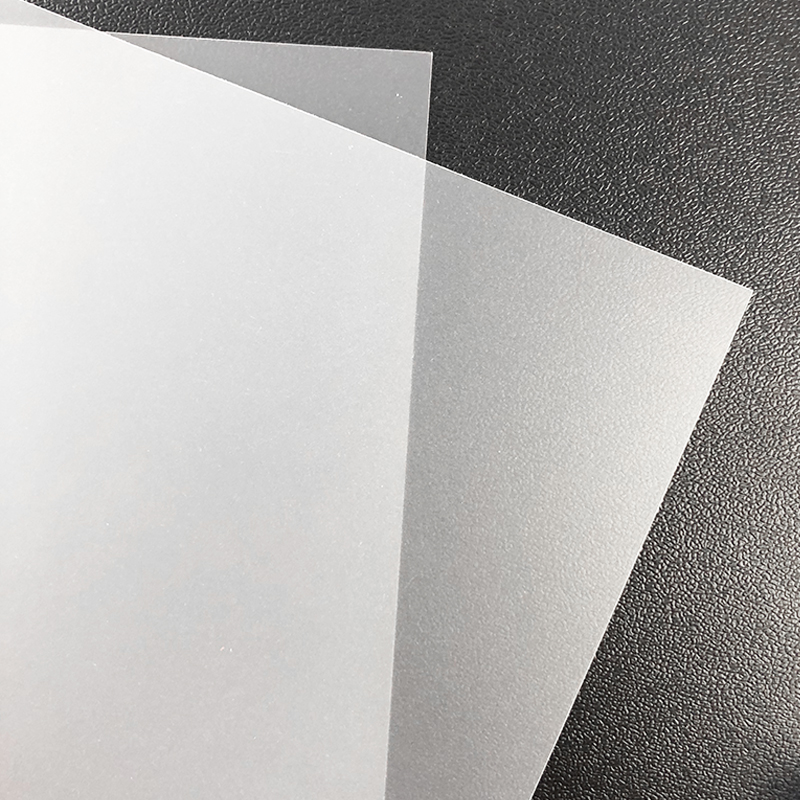
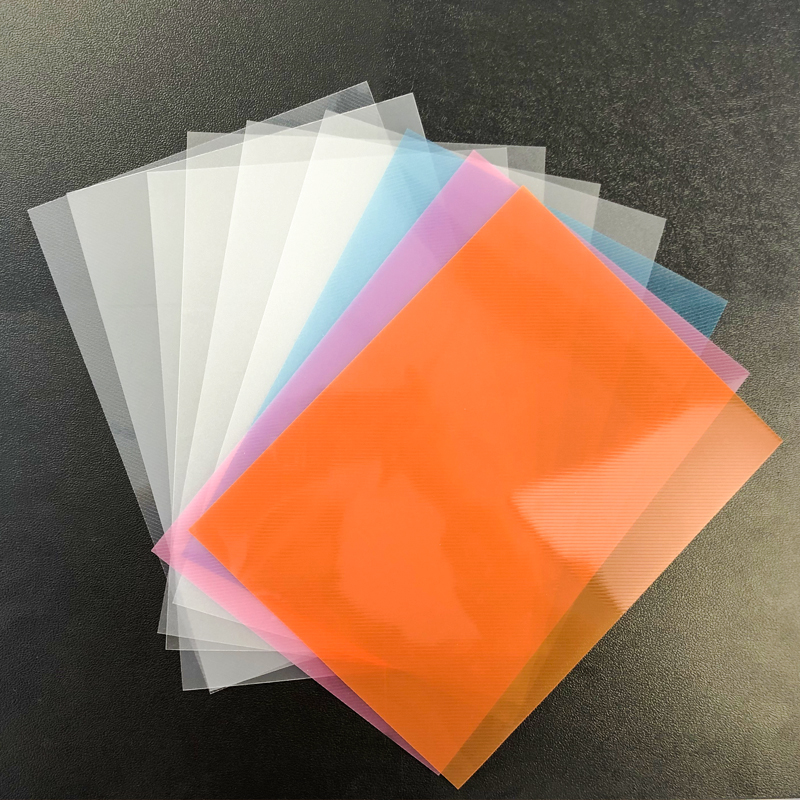
PP transparent sheet bulk supply with a 500kg MOQ from Ocan
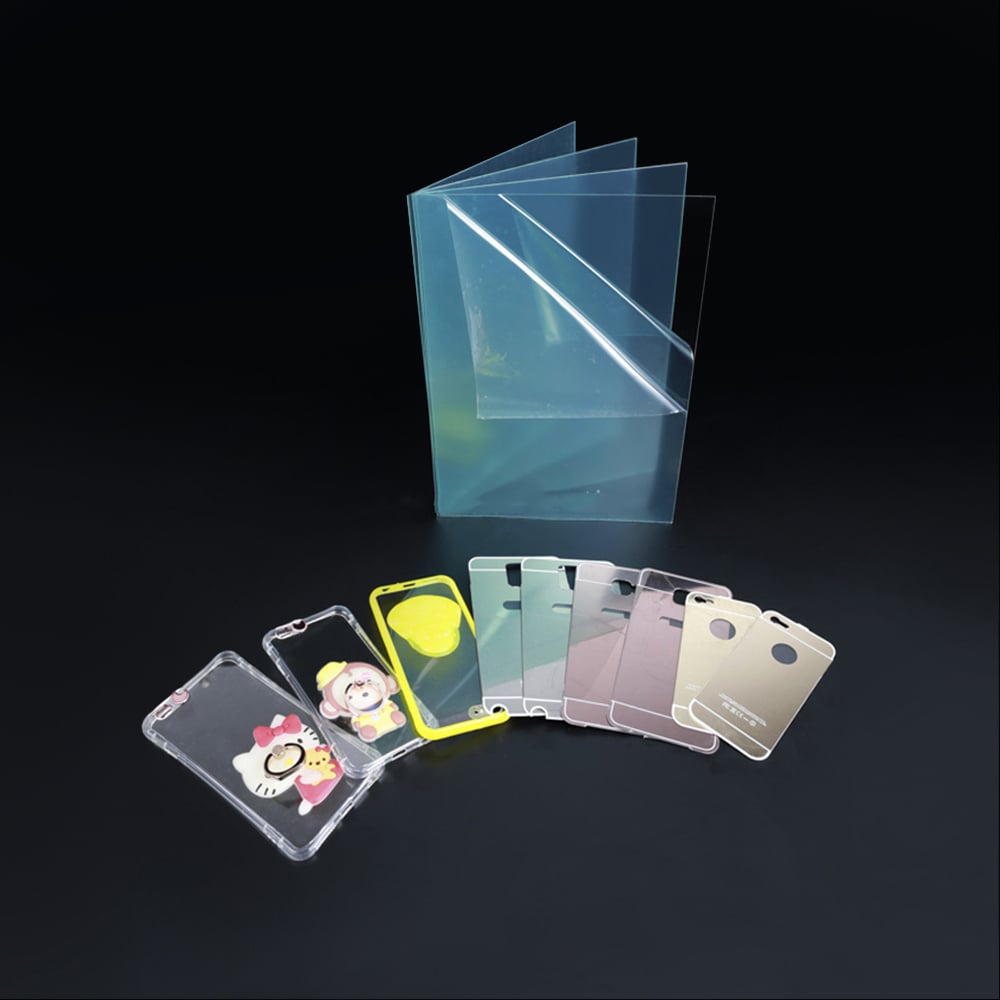
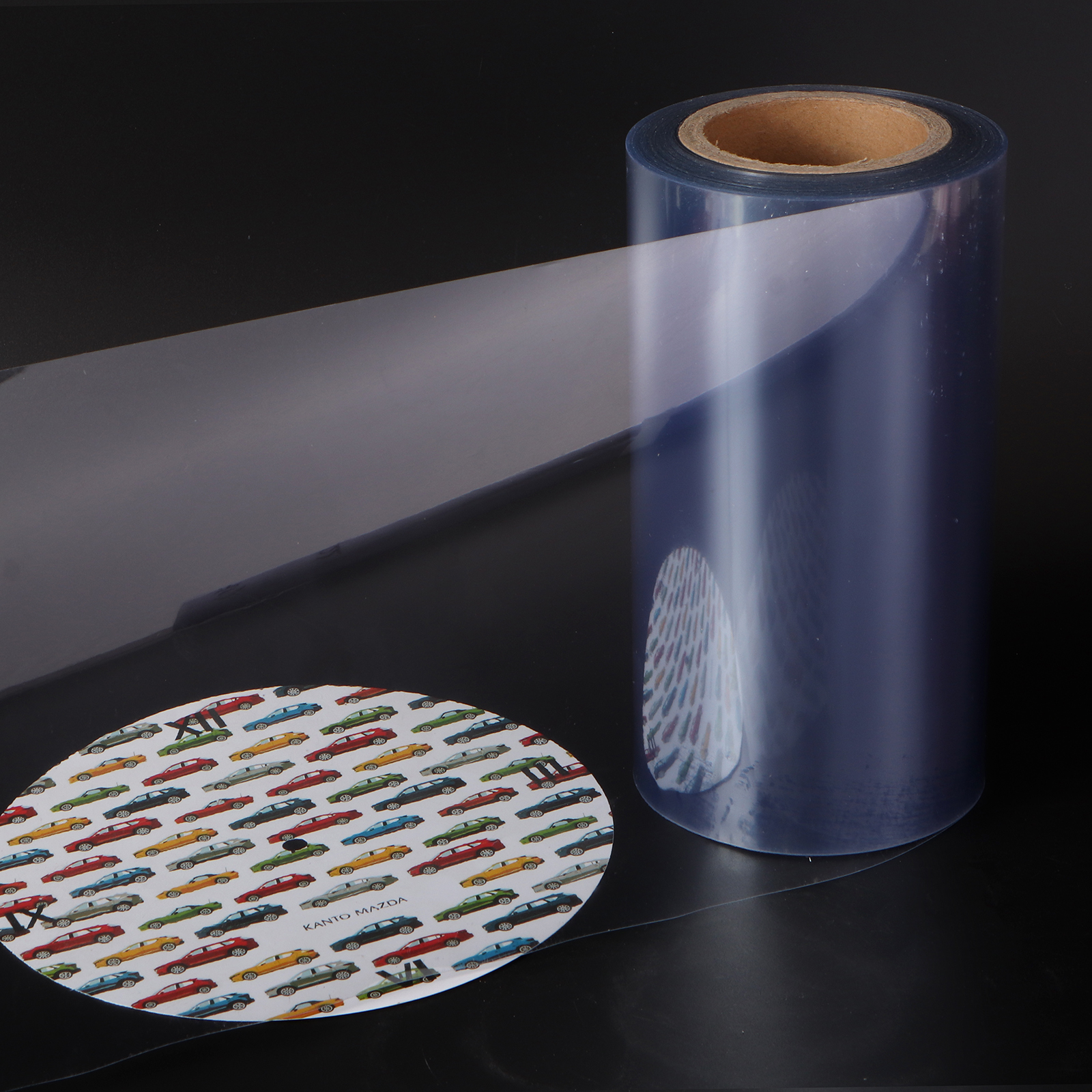
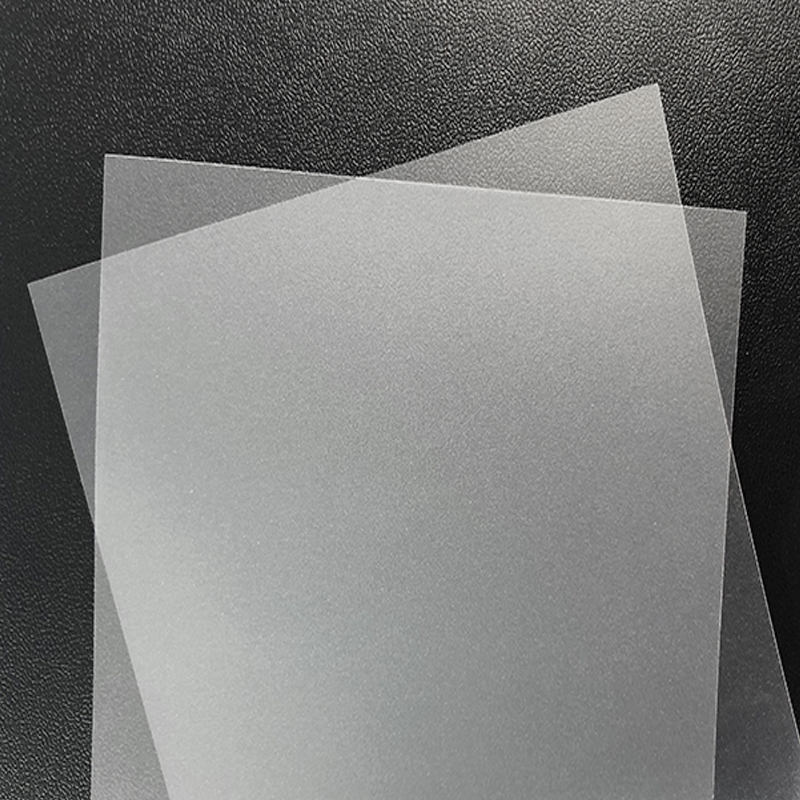
PP transparent sheet orders include free samples and prepaid quotes. The material readily accepts standard workshop processing techniques including sawing, drilling, routing, and shearing using conventional woodworking or metalworking tools with appropriate blade selections. This accessibility dramatically reduces fabrication costs compared to glass that requires specialized cutting and edge finishing or polycarbonate that demands specific tool speeds and cooling methods to prevent chipping. You can create precise cutouts, holes, and edge profiles in-house, eliminating outsourcing expenses and reducing lead times for custom projects or prototype development. Thermoforming capabilities unlock three-dimensional shaping possibilities, allowing heating of the sheet to its softening temperature and forming over molds or into cavities to create curves, angles, and complex contours impossible with rigid materials. This formability enables production of protective covers conforming to equipment shapes, point-of-purchase displays with eye-catching dimensional elements, and ergonomic machine guards that follow operator workspace contours. The forming process requires only basic heating equipment and simple tooling, making low-volume custom production economically viable without the substantial investment in injection molds necessary for rigid plastic parts. Cold bending is possible for gentle curves, allowing installation around curved surfaces or creation of cylindrical displays without heat application. Joining methods include solvent bonding that creates molecular-level fusion between sheet surfaces for permanent assembly, mechanical fastening using screws or rivets for serviceable connections, and adhesive bonding with appropriate structural adhesives for applications requiring specific aesthetic or performance characteristics. The material accepts printing through screen printing, digital printing, and pad printing processes, enabling addition of logos, instructions, or decorative elements directly onto the sheet surface for branded displays or informational signage. Surface texturing through embossing or chemical etching creates anti-glare finishes, privacy effects, or decorative patterns that enhance functionality or aesthetic appeal. The sheets can be laminated with films, fabrics, or other materials to create composite structures with enhanced properties like improved impact resistance, solar control, or decorative finishes. Edge polishing techniques restore optical clarity to cut edges, creating finished appearances suitable for display applications where edge visibility is important. The minimal tooling wear during processing results from the relatively soft nature compared to glass or mineral-filled plastics, reducing maintenance costs and extending cutting tool life significantly.
 EN