Maramihang Kakayahan sa Pagmamanupaktura na Nagpapahintulot sa mga Pasadyang Solusyon
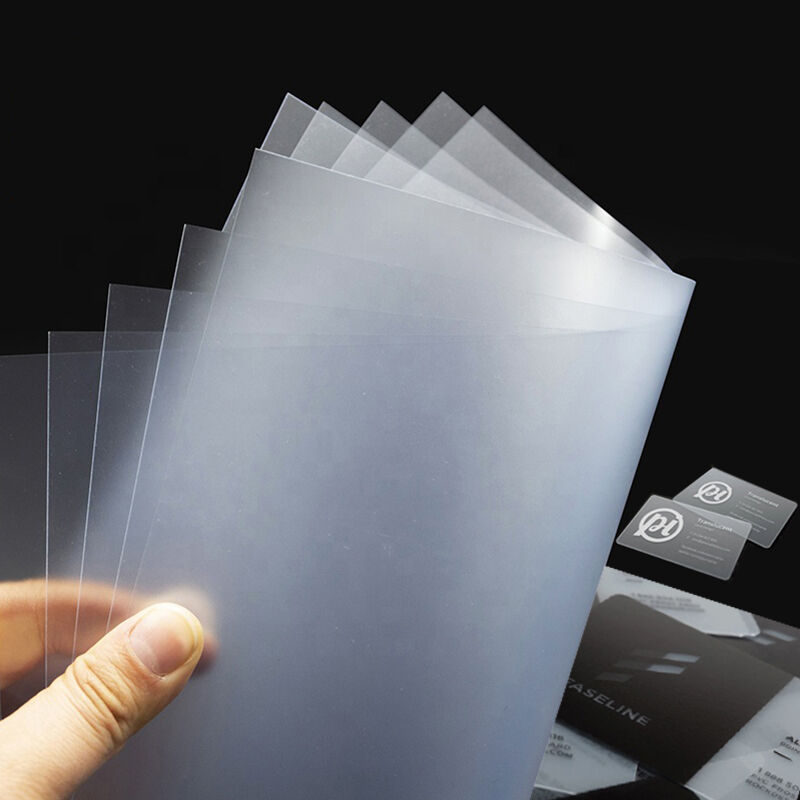
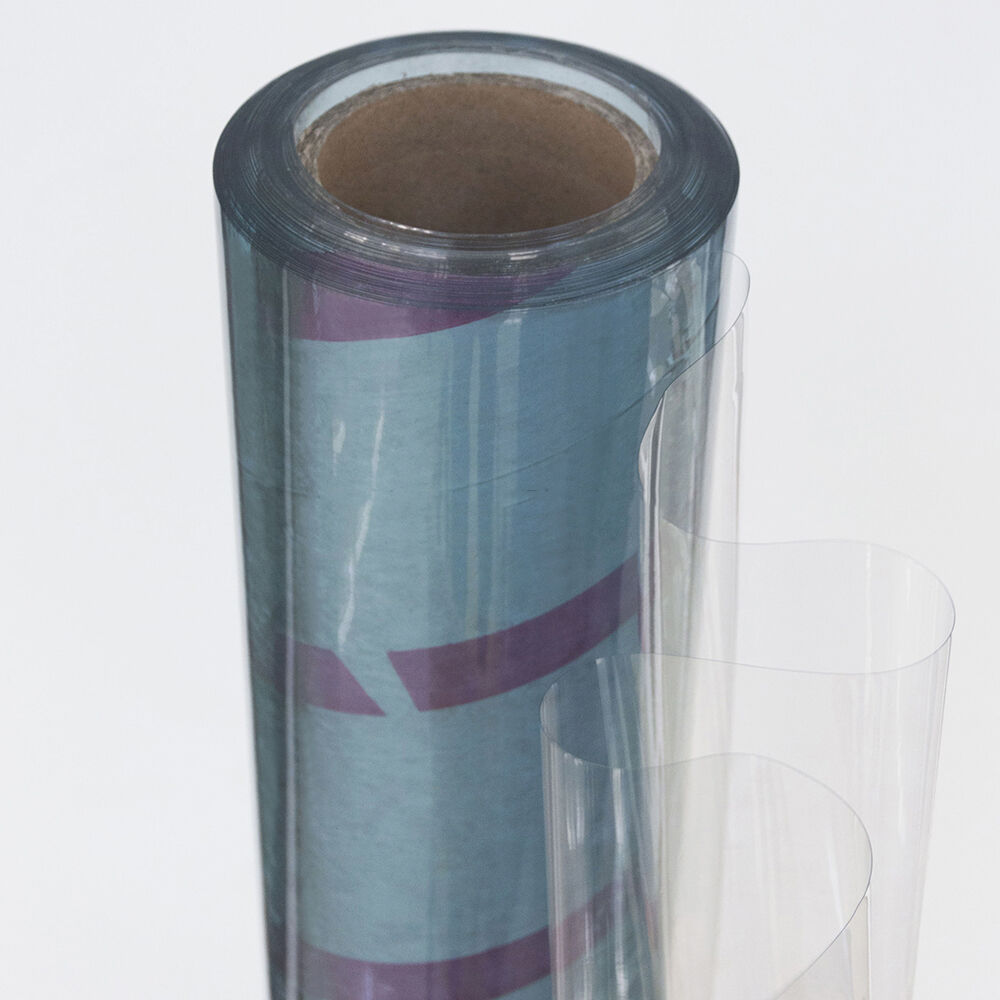
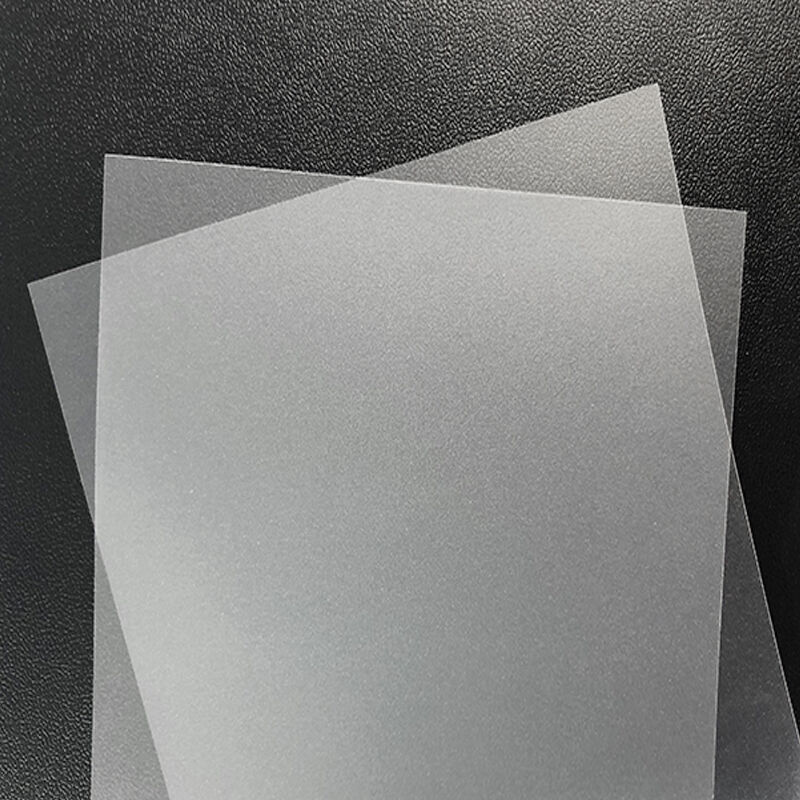
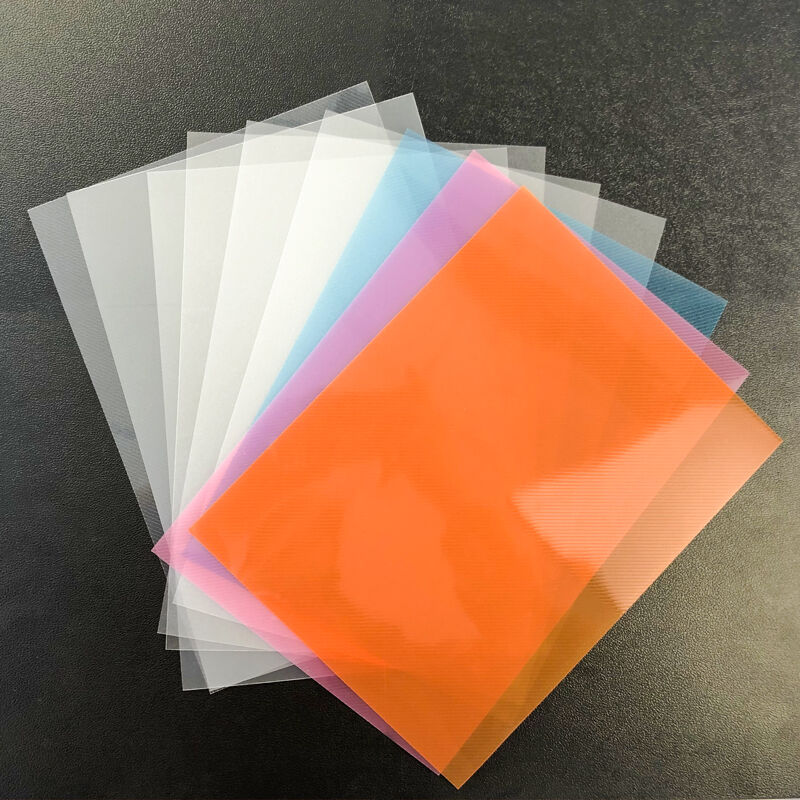
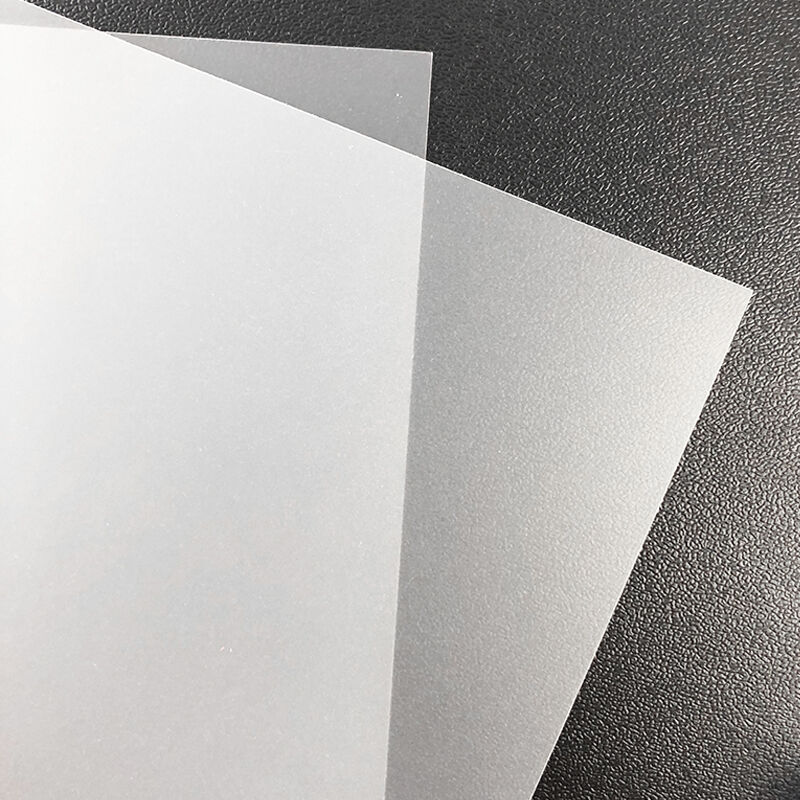
Ang kahaluman sa paggawa ng pp transparent sheet ay nagbibigay-daan sa iyo na lumikha ng mga pasadyang solusyon na perpektong tugma sa iyong partikular na mga kinakailangan sa aplikasyon nang hindi kailangang mag-invest sa espesyalisadong kagamitan o magbuo ng bagong proseso sa pagmamanupaktura. Ang materyal na ito ay sumasagot nang mahusay sa karaniwang mga teknik sa paggawa ng plastik tulad ng pagputol, pag-uugnay (routing), pagpapalit (drilling), at pagbuo (forming) gamit ang mga kagamitan na karaniwang naroroon na sa karamihan ng mga workshop at pasilidad sa pagmamanupaktura. Ang kakayahan nito sa cold forming ay nagpapahintulot sa iyo na lumikha ng mga mababagong kurba at baluktot sa temperatura ng silid para sa mga aplikasyon na nangangailangan ng di-planar na heometriya nang walang kailangang kagamitan sa pag-init o malalaking invest sa komplikadong tooling. Kapag kailangan ang mas dramatikong hugis, ang pp transparent sheet ay gumagana nang napakahusay sa mga operasyon sa thermoforming—nangungunap ito sa madaling abot na temperatura na nagpapahintulot sa vacuum forming, pressure forming, at drape forming upang makalikha ng mga kumplikadong bahagi sa tatlong dimensyon. Ang saklaw ng temperatura sa pagbuo ng materyal ay nagbibigay ng sapat na window sa proseso na tumatanggap sa mga pagkakaiba sa kagamitan sa pag-init at sa teknik ng operator, na humahantong sa pare-parehong kalidad ng bahagi at sa pinakamababang rate ng scrap kahit sa panimulang setup at panahon ng pagsasanay. Ang kakayahan sa welding gamit ang mainit na hangin, mainit na kagamitan, o ultrasonic na paraan ay nagpapahintulot sa iyo na i-join ang maraming piraso ng pp transparent sheet upang makabuo ng mas malalaking assembly o i-attach ang mga feature para sa pag-mount nang walang pandikit na maaaring mabulok sa paglipas ng panahon o mabigo sa ilalim ng environmental stress. Ang mga operasyon sa machining ay nagbubunga ng malinis na gilid nang walang chipping o cracking, na nagpapahintulot sa tiyak na kontrol sa dimensyon para sa mga aplikasyon kung saan ang mahigpit na toleransya sa pagtutugma ay mahalaga para sa tamang assembly at pagganap. Ang materyal ay tumatanggap ng iba’t ibang surface treatment na lumalawak sa mga posibilidad ng aplikasyon nito, kabilang ang corona treatment upang mapabuti ang adhesion ng tinta para sa mga aplikasyon sa pagpi-print, flame treatment para sa mas mahusay na bonding, at chemical etching para sa dekoratibong epekto o pagbawas ng glare. Maaari mong isama ang pp transparent sheet sa umiiral na disenyo ng produkto nang may kaunting pagbabago sa engineering, dahil ang mga katangian nito ay malapit na tumutugma sa mga inaasahang pag-aasal para sa rigid thermoplastics habang nag-ooffer naman ng superior na transparency. Ang pagbuo ng prototype ay naging mas mabilis at mas mura dahil maaari mong agad na gumawa ng mga test component gamit ang pangunahing kagamitan at kagamitan nang hindi kailangang hintayin ang mahal na mga mold o espesyalisadong setup sa pagmamanupaktura. Ang kakayahang gumamit ng pp transparent sheet gamit ang konbensiyonal na paraan ay binabawasan ang mga kinakailangan sa pagsasanay para sa produksyon staff, na pinipigilan ang matagal na learning curve kapag ipinakilala ang materyal na ito sa iyong operasyon sa pagmamanupaktura. Ang mga post-forming na operasyon tulad ng edge polishing, hole reinforcement, at hardware installation ay maaaring isagawa gamit ang standard na teknik, na nagpapagarantiya ng propesyonal na kalidad ng natapos na komponent na tumutugon pareho sa mga pangangailangan sa pagganap at sa mga inaasahang estetika. Ang versatility ng paggawa na ito ay umaabot din sa mga proseso sa assembly kung saan ang mga komponent ng pp transparent sheet ay seamless na nakaiintegrate sa metal frames, gaskets, at mounting hardware gamit ang mechanical fasteners, welding, o adhesive bonding ayon sa iyong partikular na mga kinakailangan sa disenyo.
 EN
EN