Versatile Processing Capabilities and Manufacturing Efficiency
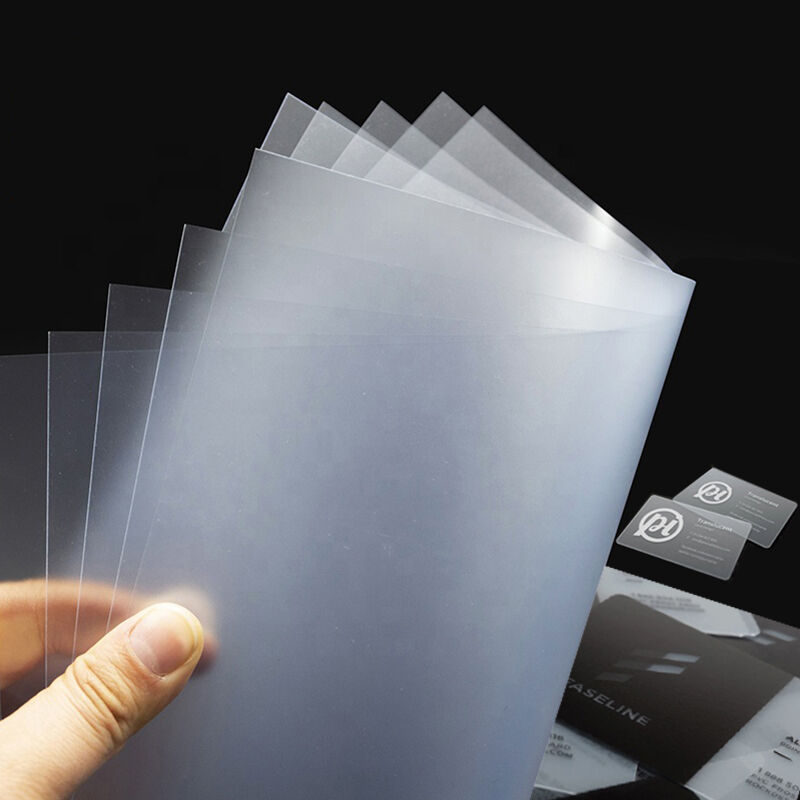
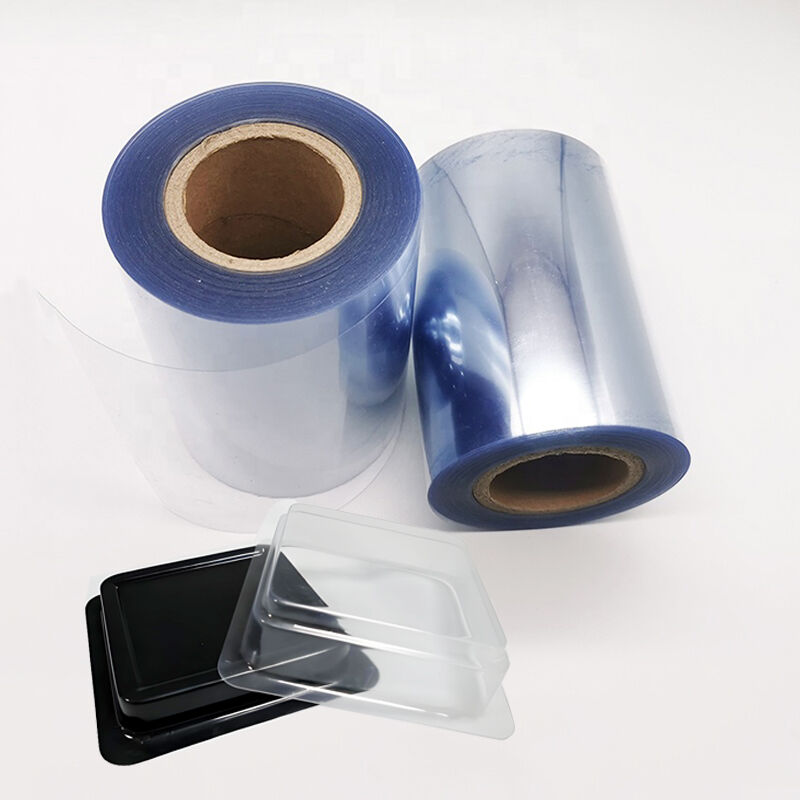
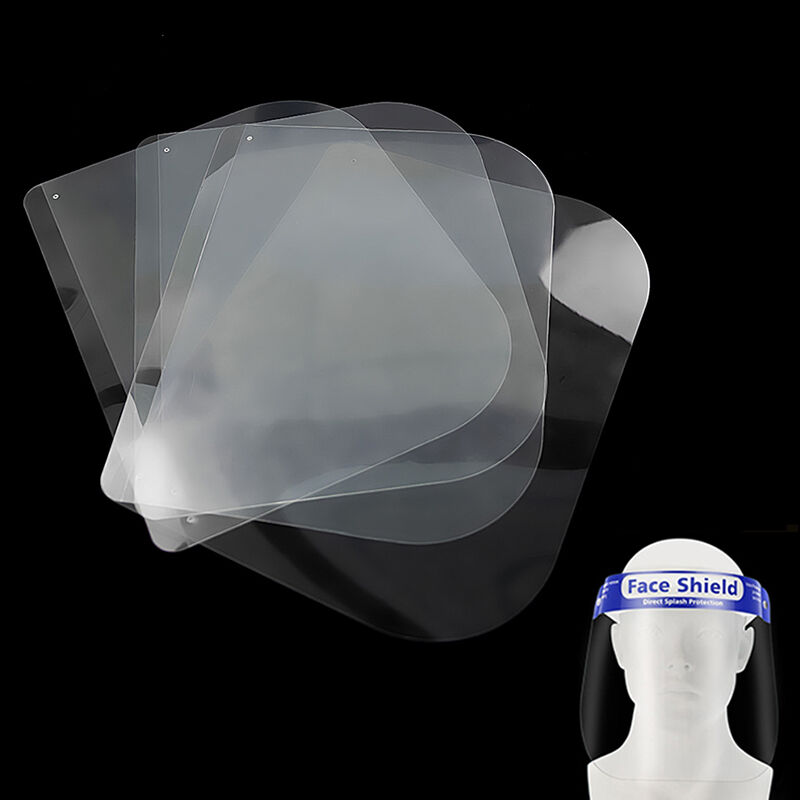
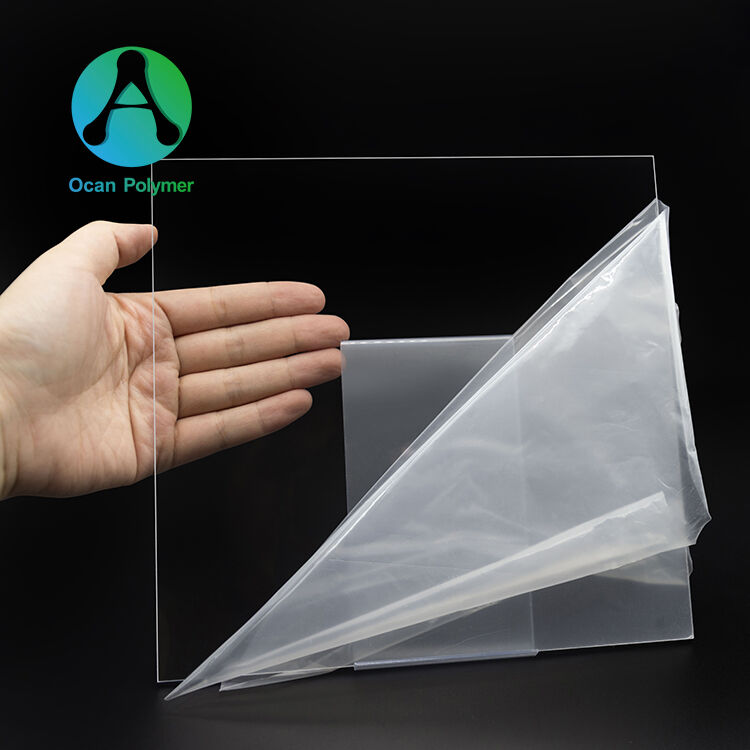
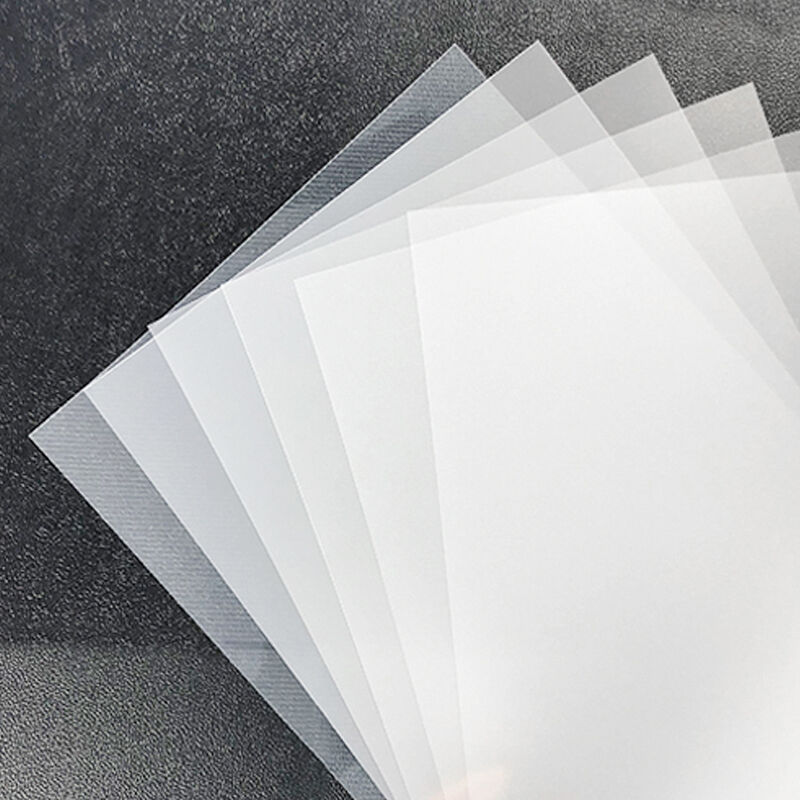
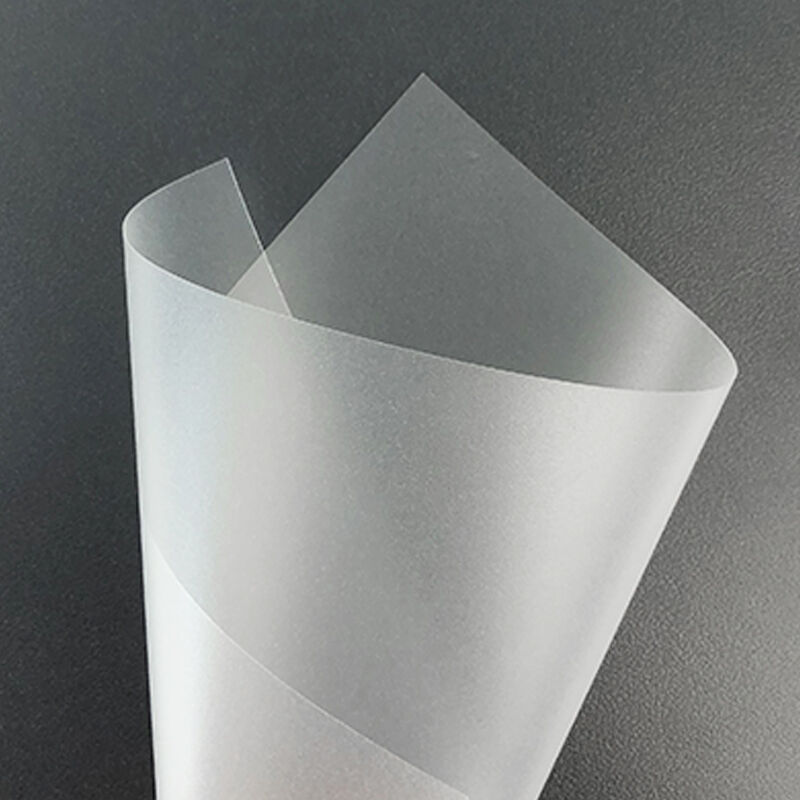
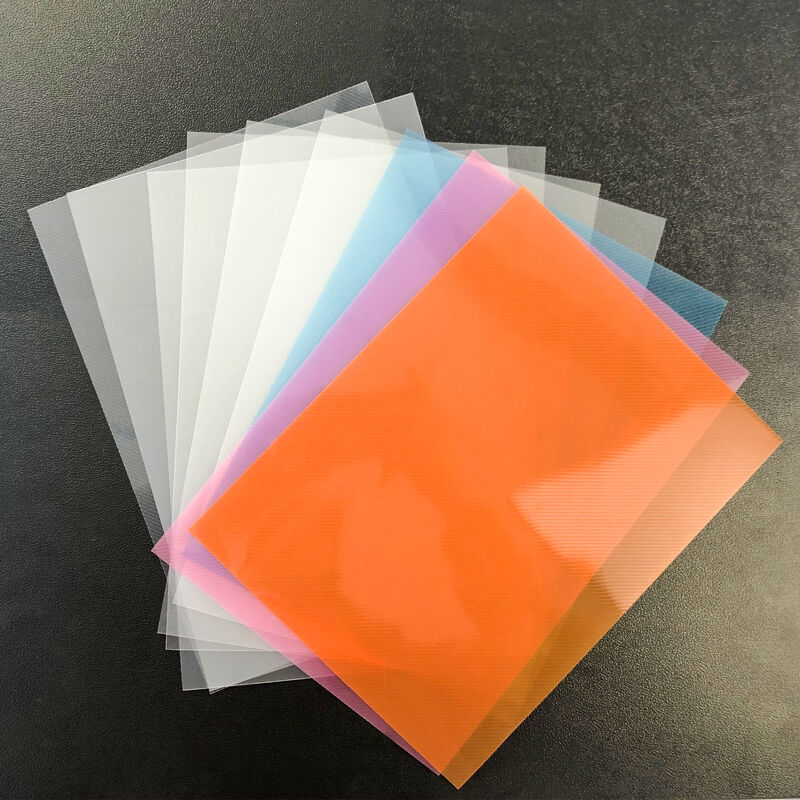
The transparent PP sheet offers remarkable versatility in processing and fabrication, enabling manufacturers to efficiently produce diverse products using standard equipment and established techniques without requiring extensive capital investment or specialized training. This processing flexibility begins with excellent thermoformability, as the material softens uniformly when heated to appropriate forming temperatures and readily conforms to mold contours while retaining dimensional accuracy and surface quality. Vacuum forming, pressure forming, and matched die forming all produce excellent results with transparent PP sheet, allowing creation of complex three-dimensional shapes for packaging, protective covers, and component parts. The material exhibits consistent forming behavior across production runs, minimizing setup time and reducing scrap rates compared to materials with less predictable processing characteristics. Die-cutting operations proceed smoothly with transparent PP sheet, as the material cleanly shears without excessive tool wear or edge deformation that might compromise fit or appearance in finished assemblies. Manufacturers can achieve tight tolerances and intricate geometries using rotary dies, steel rule dies, or laser cutting systems depending on production volume and precision requirements. Welding capabilities further expand manufacturing possibilities, as transparent PP sheet can be joined to itself or other polypropylene components using heat welding, ultrasonic welding, or hot gas welding techniques that create strong, permanent bonds without adhesives or mechanical fasteners. These welding methods enable production of sealed containers, multi-component assemblies, and custom configurations tailored to specific application requirements. The material accepts various surface decoration methods including screen printing, pad printing, digital printing, and hot stamping, allowing brands to apply logos, instructions, warnings, and decorative elements that enhance product appeal and functionality. Adhesive labels bond securely to transparent PP sheet surfaces when appropriate primers or surface treatments are applied, facilitating product identification and variable information marking in packaging applications. Machining operations such as drilling, milling, and routing produce clean holes and edges in transparent PP sheet without causing stress cracks or delamination that might compromise structural integrity. This machinability supports prototype development and low-volume production where tooling costs must be minimized. The material's dimensional stability during processing reduces warpage and shrinkage issues that complicate production with some alternative materials, enabling tighter process control and higher first-pass yield rates. Manufacturers appreciate the wide processing window of transparent PP sheet, which tolerates reasonable variations in temperature, pressure, and cycle time without producing defective parts, thereby reducing quality control burden and improving overall manufacturing efficiency while maintaining the consistent properties that make transparent PP sheet suitable for critical applications across diverse industries.
 EN
EN