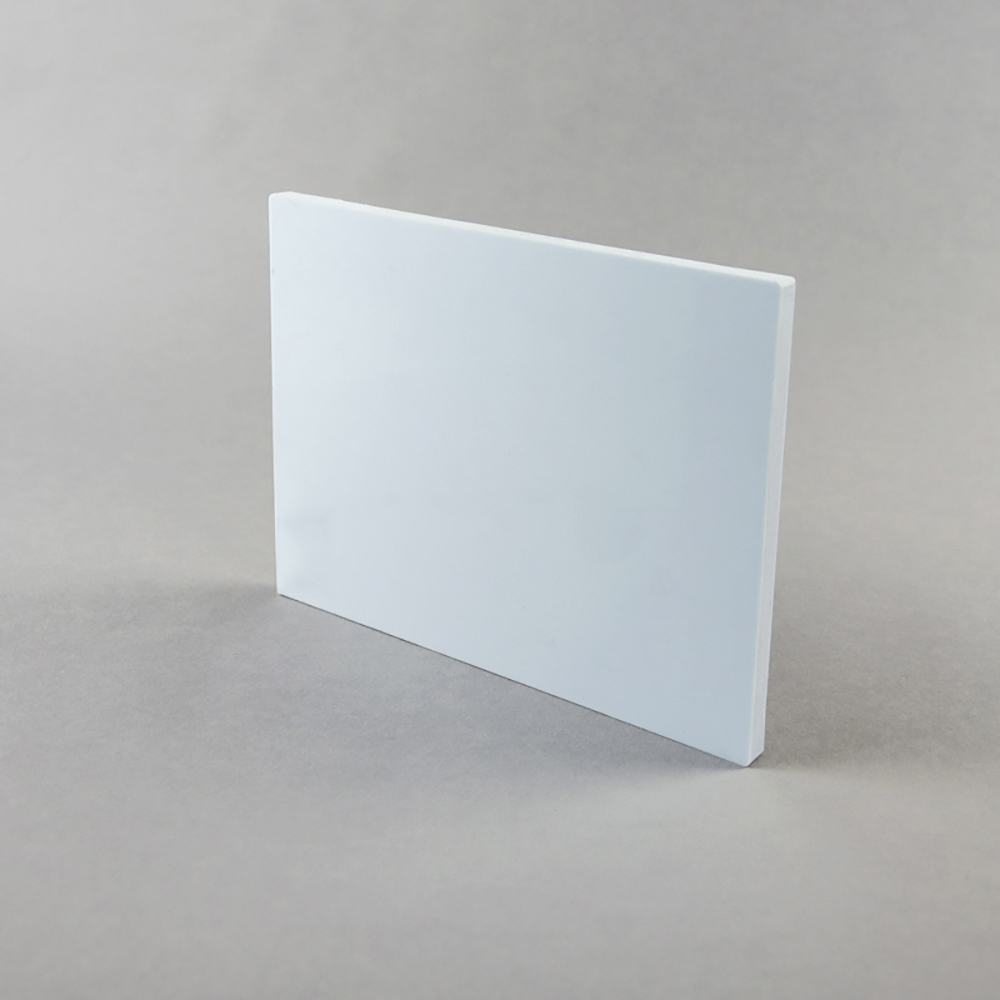
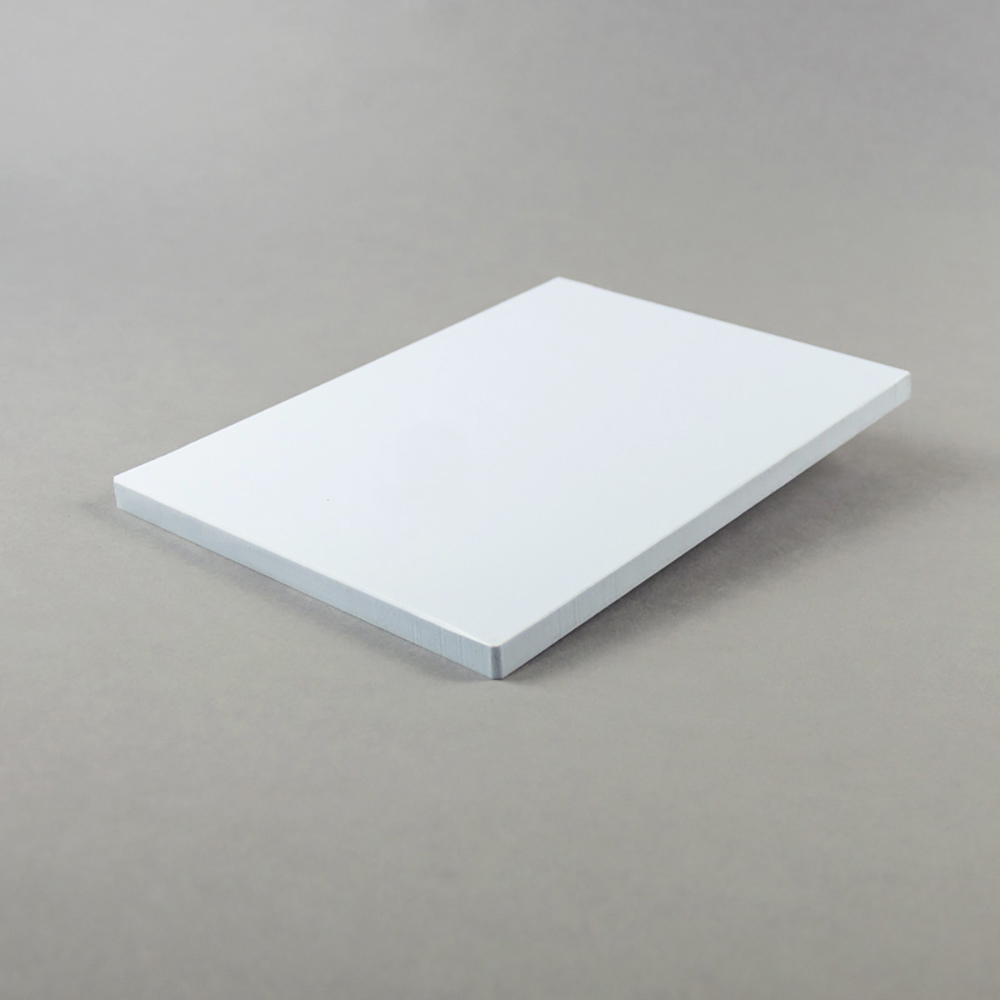
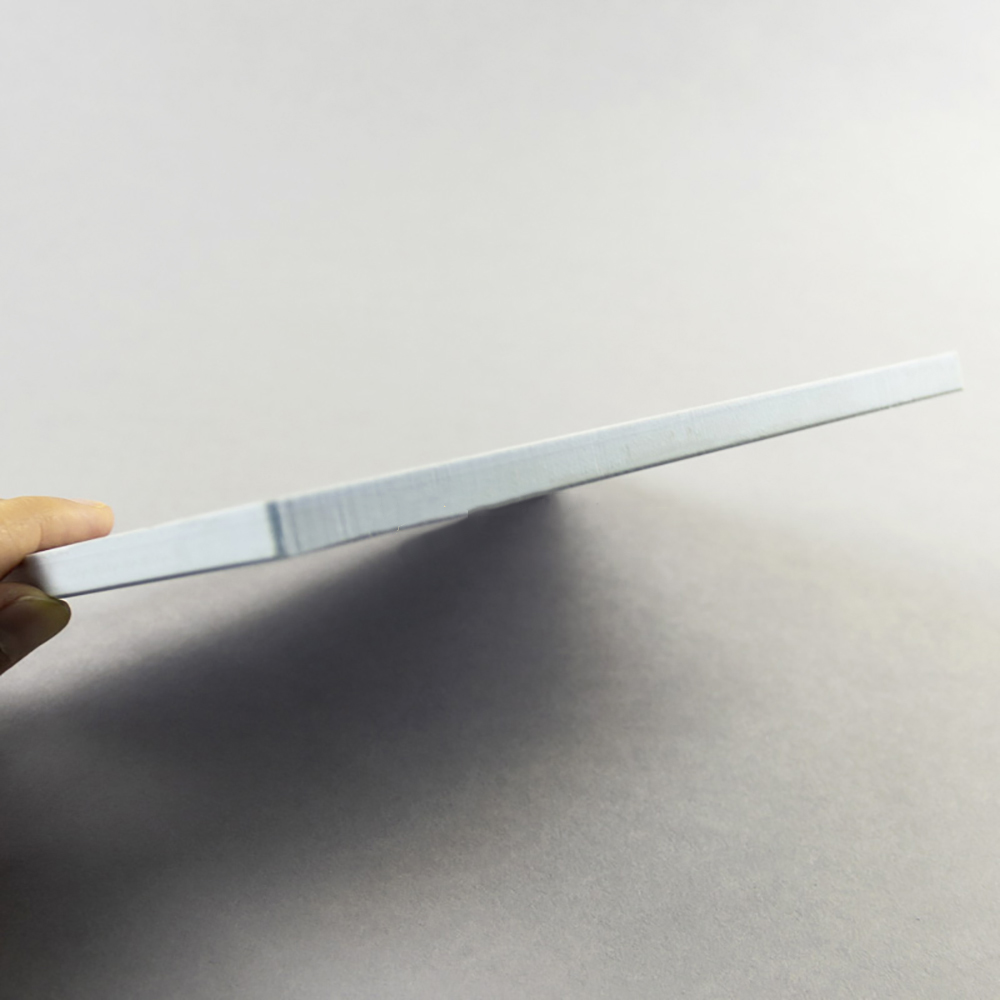
pp white sheet supported by OEM/ODM and 24-hour online service
pp white sheet on Ocan's 23 production lines with fabrication by standard woodworking tools. This workability represents a significant practical advantage because it compresses project timelines, reduces labor costs, and eliminates dependence on external service providers for basic modifications and customizations. The material responds well to conventional cutting methods including saws, routers, and laser cutters, producing clean edges without chipping, cracking, or delamination that would require additional finishing work. This clean-cutting characteristic means fabricators can achieve tight tolerances and professional results using standard workshop tools, making pp white sheet accessible for small shops and large manufacturers alike. Drilling operations are equally straightforward, with the material accepting standard drill bits without special considerations or techniques. Holes remain dimensionally stable without stress cracking around the perimeter, ensuring that fastened assemblies maintain integrity under load and vibration. This reliability is crucial for applications requiring mechanical attachment points, such as equipment panels, mounting brackets, or structural components where failure could result in safety hazards or operational disruptions. Thermoforming capabilities expand design possibilities dramatically, allowing pp white sheet to be heated and formed into complex three-dimensional shapes that would be impossible or prohibitively expensive with rigid materials. This process enables the creation of custom enclosures, contoured surfaces, and integrated features that enhance functionality while maintaining the material's inherent properties. The forming process does not significantly degrade mechanical strength or chemical resistance, ensuring that shaped components perform as reliably as flat sheets. Welding techniques specific to polypropylene allow permanent joining of pp white sheet sections to create large assemblies, sealed containers, or integrated structures. Hot gas welding, extrusion welding, and heated tool welding produce bonds that approach or match the strength of the base material, creating monolithic structures from multiple pieces. This joining capability is particularly valuable for fabricating chemical tanks, containment systems, and custom equipment housings where leak-proof construction is mandatory. The welded joints maintain the same chemical resistance as the surrounding material, ensuring that assemblies perform uniformly without weak points susceptible to attack. Surface treatments including printing, laminating, and texturing allow further customization to meet branding requirements, enhance grip, or improve aesthetics. PP white sheet accepts various ink systems and adhesives when properly prepared, enabling graphics application for signage, point-of-purchase displays, and identification labels. The ability to combine functional performance with custom appearance eliminates the need for separate decorative layers or coatings, simplifying construction and reducing material costs while delivering professional results.
 EN