PET Sheet Thermoforming Solutions: Advanced Manufacturing for Packaging and Products

Get a Free Quote

Our representative will contact you soon.
Email
Name
Company Name
Mobile/WhatsApp
Message
0/1000

pet sheet thermoforming

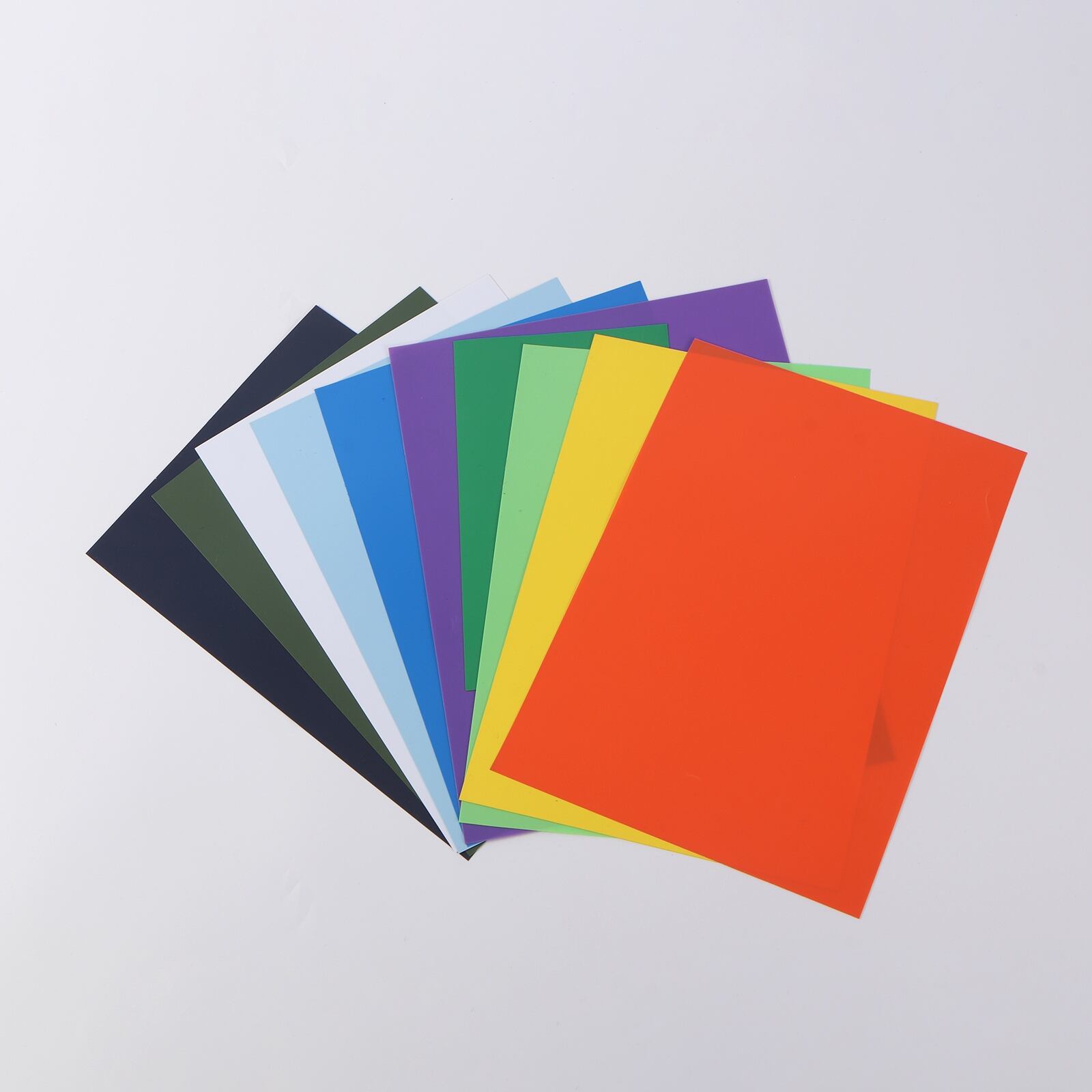
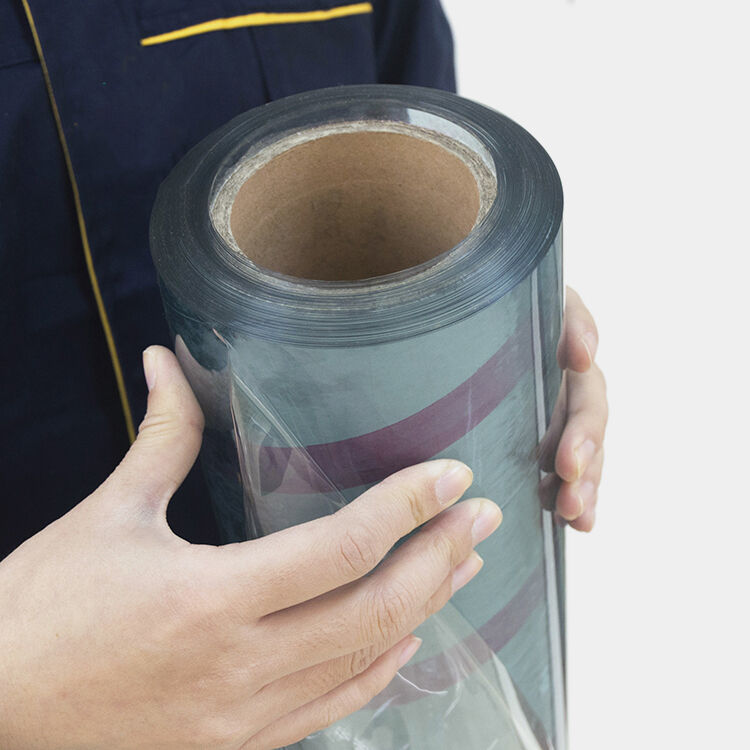
PET sheet thermoforming represents a transformative manufacturing process that converts polyethylene terephthalate sheets into three-dimensional products through controlled heating and molding techniques. This sophisticated production method has become increasingly vital across multiple industries due to its versatility and efficiency. The process begins with PET sheets being heated to a pliable state, typically between 140 to 165 degrees Celsius, where the material becomes malleable without losing its structural integrity. Once the sheet reaches the optimal temperature, it is stretched over or into a mold using vacuum pressure, compressed air, or mechanical force to create the desired shape. After forming, the material cools rapidly and solidifies into its new configuration, maintaining dimensional stability and clarity. The main functions of this technology include creating packaging solutions, manufacturing food containers, producing medical device housings, and developing protective casings for consumer electronics. Technological features that distinguish this process include precise temperature control systems, automated material handling capabilities, multi-station forming equipment, and computer-aided design integration for complex geometries. The process accommodates various PET sheet thicknesses, ranging from thin gauge materials for disposable packaging to heavy gauge sheets for durable industrial applications. Applications span numerous sectors including food service where clamshell containers and blister packaging dominate, retail environments requiring display trays and product protection, medical fields demanding sterile packaging solutions, and electronics industries needing anti-static protective housings. The thermoforming process offers exceptional repeatability, ensuring consistent quality across large production runs while maintaining cost-effectiveness compared to alternative manufacturing methods like injection molding for medium-volume production requirements. Modern pet sheet thermoforming systems incorporate advanced features such as programmable logic controllers, servo-driven forming stations, and inline trimming capabilities that enhance productivity and reduce labor requirements while maintaining superior product quality standards throughout the manufacturing cycle.

Popular Products

Manufacturers and businesses choosing pet sheet thermoforming gain numerous practical benefits that directly impact their bottom line and operational efficiency. The first major advantage involves significantly lower tooling costs compared to injection molding or blow molding alternatives. Creating molds for thermoforming requires substantially less investment, making this process ideal for companies testing new product designs or producing medium-sized batches without committing massive capital expenditures. Production speed stands out as another compelling benefit, with modern equipment capable of producing hundreds or thousands of units per hour depending on part complexity and size. This rapid cycle time translates to faster market entry and improved inventory turnover for businesses. Material efficiency represents a crucial economic advantage since PET sheet thermoforming generates minimal waste during production. Excess material from trimming operations can be collected, reground, and reprocessed into new sheets, creating a sustainable manufacturing loop that reduces raw material costs and environmental impact. The flexibility of this process allows manufacturers to quickly switch between different product designs by simply changing molds, unlike injection molding which requires expensive mold replacements. This adaptability proves invaluable for companies serving diverse markets or responding to seasonal demand fluctuations. Product quality delivered through thermoforming meets rigorous standards with excellent surface finish, dimensional accuracy, and optical clarity that consumers expect. PET material properties ensure formed products resist cracking, provide excellent barrier protection against moisture and gases, and maintain structural integrity across temperature variations. The lightweight nature of thermoformed PET products reduces shipping costs while maintaining strength and durability, creating savings throughout the supply chain. Design freedom enabled by this technology allows engineers to incorporate complex features such as undercuts, textured surfaces, logos, and varying wall thicknesses within a single part without additional assembly steps. Food safety compliance becomes straightforward since PET material meets FDA regulations for direct food contact, eliminating concerns about contamination or chemical migration. Energy consumption during thermoforming remains relatively low compared to other plastic forming processes, contributing to reduced operational costs and smaller carbon footprints. The rapid prototyping capability lets companies create physical samples quickly for testing and market validation before committing to full-scale production. Businesses appreciate the scalability of thermoforming operations, starting with smaller manual or semi-automatic equipment and expanding to fully automated high-speed production lines as demand grows, protecting initial investments while accommodating business growth trajectories.

Tips And Tricks

Why Do Factories Use PVC Sheet for Electronic Component Packaging?

24

Apr

Why Do Factories Use PVC Sheet for Electronic Component Packaging?

Electronic component packaging demands materials that combine protective performance with economic viability, and PVC sheet for electronic component packaging has become an industry standard for good reason. Factories worldwide rely on this versatile...
View More
How Does PVC Sheet Perform in Thermoforming for Custom Packaging Trays?

28

Apr

How Does PVC Sheet Perform in Thermoforming for Custom Packaging Trays?

Thermoforming custom packaging trays from PVC sheet has become a cornerstone process in modern packaging manufacturing, particularly for industries requiring protective, precision-fit containments for delicate products. Understanding how PVC sheet pe...
View More
How Does PC Sheet Perform in ID Card Base Material Applications?

10

Apr

How Does PC Sheet Perform in ID Card Base Material Applications?

The identity card manufacturing industry demands base materials that deliver exceptional durability, optical clarity, and printability while maintaining consistent performance across millions of production cycles. PC sheet has emerged as a preferred ...
View More
How Is PC Sheet Used for Light Diffuser Panels in LED Lampshades?

03

Apr

How Is PC Sheet Used for Light Diffuser Panels in LED Lampshades?

Polycarbonate sheet technology has revolutionized the lighting industry by providing an optimal solution for light diffusion in LED lampshade applications. When manufacturers design LED lighting products, they face a critical challenge: converting po...
View More

Get a Free Quote

Our representative will contact you soon.
Email
Name
Company Name
Mobile/WhatsApp
Message
0/1000

pet sheet thermoforming

Superior Material Properties and Product Performance

Superior Material Properties and Product Performance

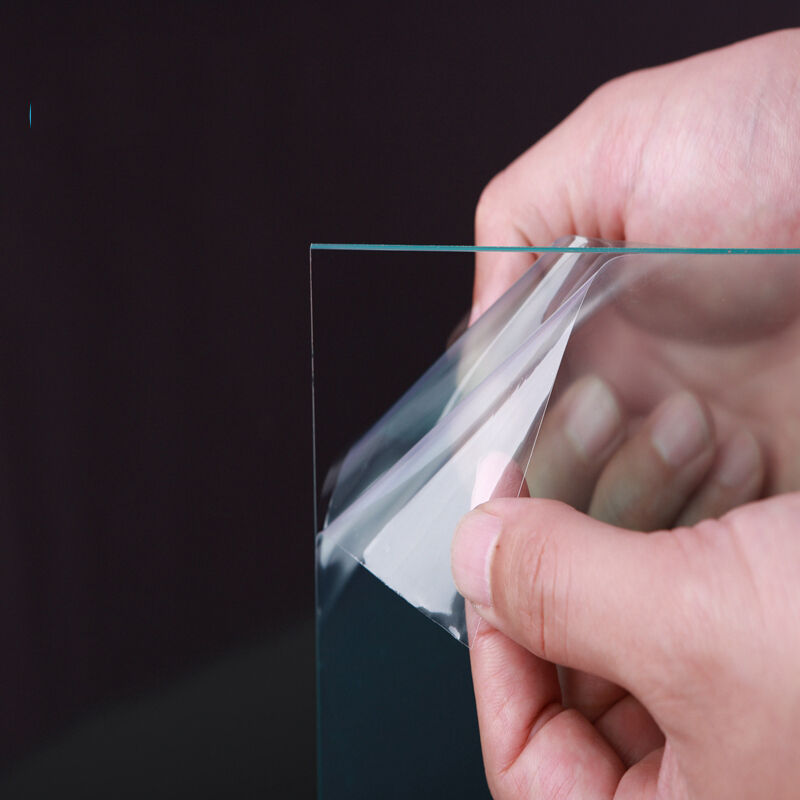
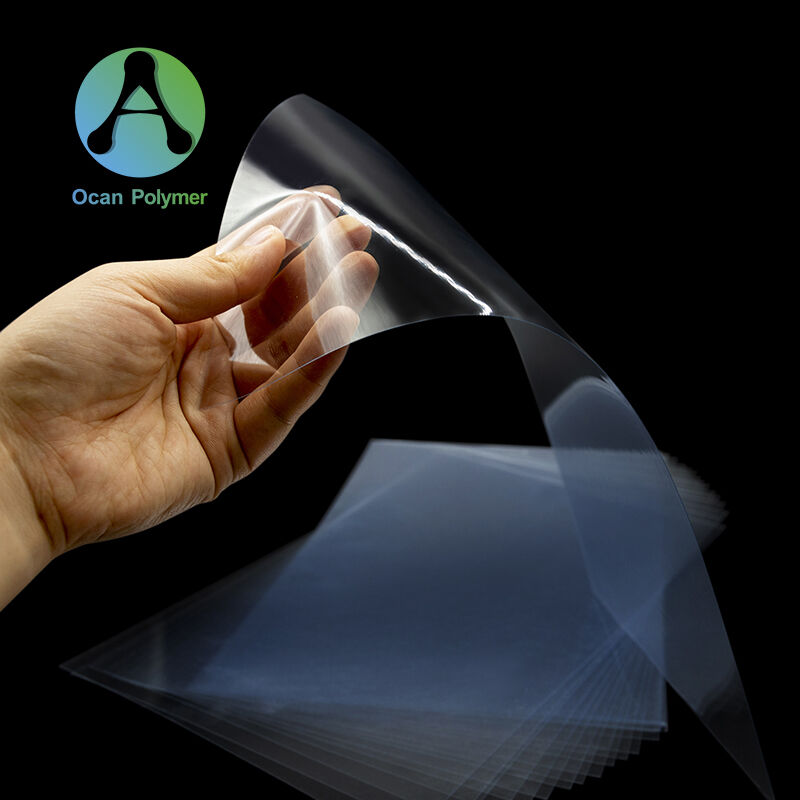
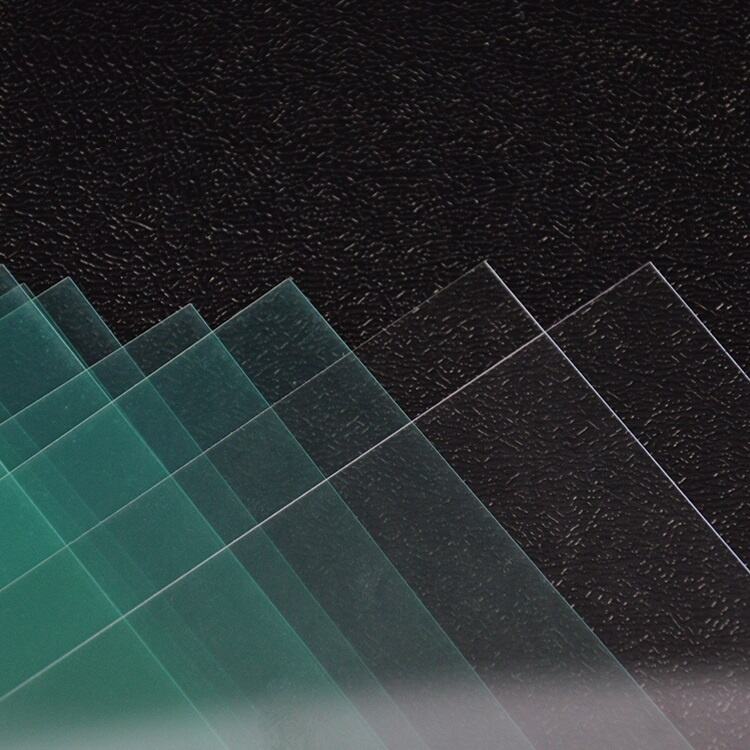
Pet sheet thermoforming leverages the exceptional characteristics of polyethylene terephthalate to deliver products that outperform alternatives in critical performance categories. The inherent properties of PET material provide remarkable clarity that rivals glass, allowing consumers to view products clearly while maintaining protective barriers. This transparency proves essential for retail packaging where product visibility drives purchasing decisions, enabling brands to showcase their offerings without compromising protection. The material exhibits outstanding impact resistance, protecting contents from damage during transportation, handling, and display while maintaining structural integrity even when subjected to drops or compression forces. Chemical resistance represents another vital property, as PET withstands exposure to oils, alcohols, and most common household chemicals without degradation, ensuring package contents remain uncontaminated and product quality persists throughout shelf life. Temperature stability allows thermoformed PET products to function across wide temperature ranges, from refrigerated environments to moderately elevated temperatures, making them suitable for both cold chain distribution and products requiring heat tolerance. The material naturally resists moisture absorption, preventing dimensional changes or performance degradation in humid conditions that would compromise lesser materials. Gas barrier properties inherent to PET protect sensitive contents from oxygen and carbon dioxide transmission, extending product freshness and shelf life for food items, pharmaceuticals, and other perishable goods. Recyclability stands as a paramount advantage in today's environmentally conscious marketplace, with PET being among the most successfully recycled plastics globally, allowing consumers and businesses to participate in circular economy initiatives. The thermoforming process preserves these beneficial properties while adding design flexibility impossible to achieve through other manufacturing methods. Products maintain consistent wall thickness distribution that optimizes material usage while ensuring structural performance, eliminating weak points that could lead to failure. Surface quality achieved through thermoforming produces smooth, glossy finishes that enhance aesthetic appeal and simplify cleaning or sanitization procedures. The process accommodates various PET grades including virgin material for food contact applications, post-consumer recycled content for sustainability-focused products, and specialty formulations with enhanced properties for specific technical requirements, providing manufacturers flexibility to balance performance requirements with cost targets and environmental objectives.
Cost-Effective Manufacturing with Exceptional Flexibility

Cost-Effective Manufacturing with Exceptional Flexibility

The economic advantages of pet sheet thermoforming extend far beyond simple price comparisons, encompassing total cost of ownership factors that smart businesses evaluate when selecting manufacturing processes. Initial capital investment requirements remain substantially lower than competing technologies, allowing companies to establish production capabilities without depleting financial resources or requiring extensive debt financing. Tooling costs typically range from a fraction to one-tenth of injection mold expenses, enabling multiple mold sets for product variations without prohibitive investment, fostering innovation and market responsiveness. Setup time between production runs measures in minutes rather than hours, maximizing equipment utilization and reducing downtime that erodes profitability. This quick-change capability supports just-in-time manufacturing strategies that minimize inventory carrying costs while maintaining responsiveness to customer demands. Material costs benefit from competitive pricing in the global PET resin market, with multiple suppliers ensuring availability and price stability that supports accurate forecasting and budgeting. The ability to utilize thinner gauge materials for many applications compared to injection molded alternatives reduces material consumption per unit, directly lowering production costs while maintaining required performance characteristics. Labor efficiency improves through automation options that scale with production volumes, starting with operator-assisted equipment for smaller runs and progressing to fully automated systems for high-volume production with minimal human intervention. Maintenance requirements remain modest compared to high-pressure injection molding equipment, with fewer hydraulic systems, lower clamping forces, and simplified mechanical components reducing both scheduled maintenance costs and unexpected breakdown expenses. Energy consumption per part stays competitive due to shorter heating cycles, lower processing temperatures, and elimination of high-pressure injection systems that demand substantial electrical power. Scrap rates typically fall below five percent with properly optimized processes, and even this minimal waste returns value through recycling programs that recover material costs. Inventory management becomes simpler since PET sheet stock offers longer shelf life than many alternative materials and occupies less space than pre-manufactured components, reducing warehousing costs and working capital requirements. Product customization occurs economically through mold changes rather than material formulation adjustments, enabling companies to serve niche markets or create private label variations without minimum order quantities that make small-batch production prohibitive. Geographic flexibility allows companies to establish thermoforming operations near end markets, reducing transportation costs and lead times while supporting local employment and simplifying supply chain management in an era of increasing logistics complexity and cost pressure.
Versatile Applications Across Diverse Industries

Versatile Applications Across Diverse Industries

Pet sheet thermoforming demonstrates remarkable adaptability, serving critical functions across an extraordinary range of industries and applications that depend on its unique combination of properties and manufacturing advantages. The food packaging sector represents the largest application area, where thermoformed PET creates clamshell containers for fresh produce, bakery items, and prepared foods that protect contents while providing visibility and tamper-evidence. Portion control containers for deli items, dairy products, and meal prep services rely on precisely formed PET packaging that maintains freshness through excellent barrier properties while offering microwave-safe convenience consumers demand. Blister packaging for candies, snacks, and portion-controlled items combines product protection with attractive presentation that enhances shelf appeal and drives impulse purchases. The medical and pharmaceutical industries depend on thermoformed PET for sterile barrier trays that protect surgical instruments, implantable devices, and diagnostic equipment throughout sterilization, storage, and use. Medication blister packs formed from PET sheets provide child-resistant packaging that maintains drug stability while enabling patient compliance through clearly visible dosing schedules. Medical device housings formed through thermoforming protect sensitive electronics and optical components in diagnostic equipment, patient monitors, and portable medical devices. Consumer electronics manufacturers utilize pet sheet thermoforming for protective packaging inserts that cushion products during shipping while presenting them attractively in retail environments, creating positive unboxing experiences that influence customer satisfaction and brand perception. Anti-static PET formulations protect sensitive electronic components from electrostatic discharge during handling and storage. The automotive industry employs thermoformed PET for interior trim components, instrument panel covers, and protective shipping trays for parts distribution. Cosmetics and personal care brands choose thermoformed PET for product packaging that conveys quality through clarity and design sophistication while protecting contents from contamination and degradation. Hardware and tool packaging relies on thermoformed PET clamshells that secure products against theft while allowing customer examination before purchase. The horticultural industry uses thermoformed PET for plant containers, seedling trays, and propagation systems that withstand moisture and fertilizer exposure while providing root visibility for quality assessment. Point-of-purchase displays formed from PET attract consumer attention in retail environments, combining structural integrity with visual impact that drives sales. Industrial applications include component trays for manufacturing operations, protective covers for machinery, and organizational systems for parts management. This remarkable versatility demonstrates how pet sheet thermoforming adapts to solve packaging and product challenges across virtually every sector of modern commerce, providing tailored solutions that balance performance requirements, aesthetic considerations, regulatory compliance, and economic constraints specific to each application.

Get a Free Quote

Our representative will contact you soon.
Email
Name
Company Name
Mobile/WhatsApp
Message
0/1000