Outstanding Durability and Environmental Resistance for Long-Term Performance
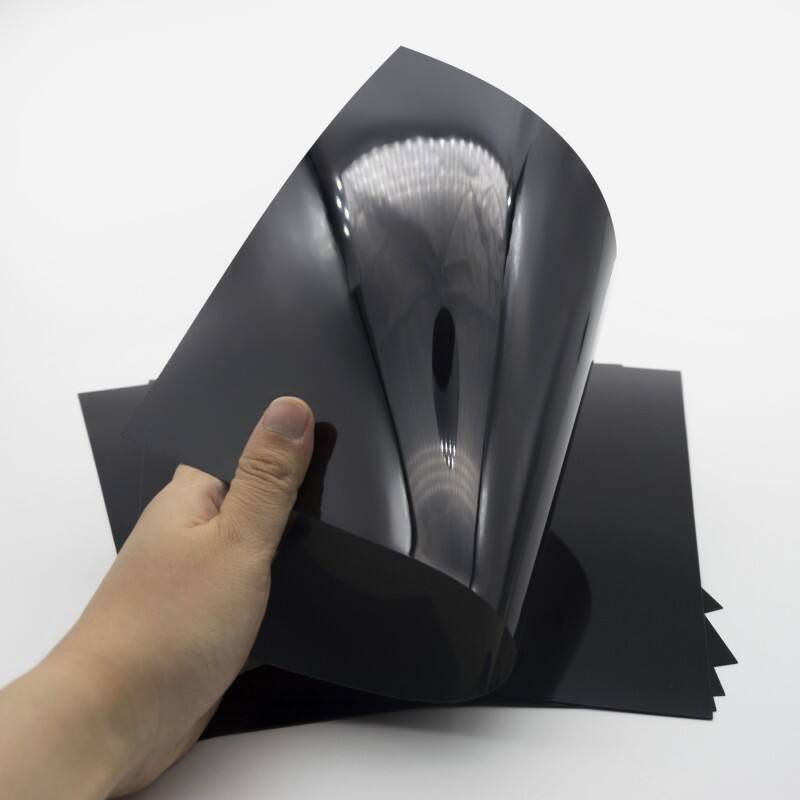
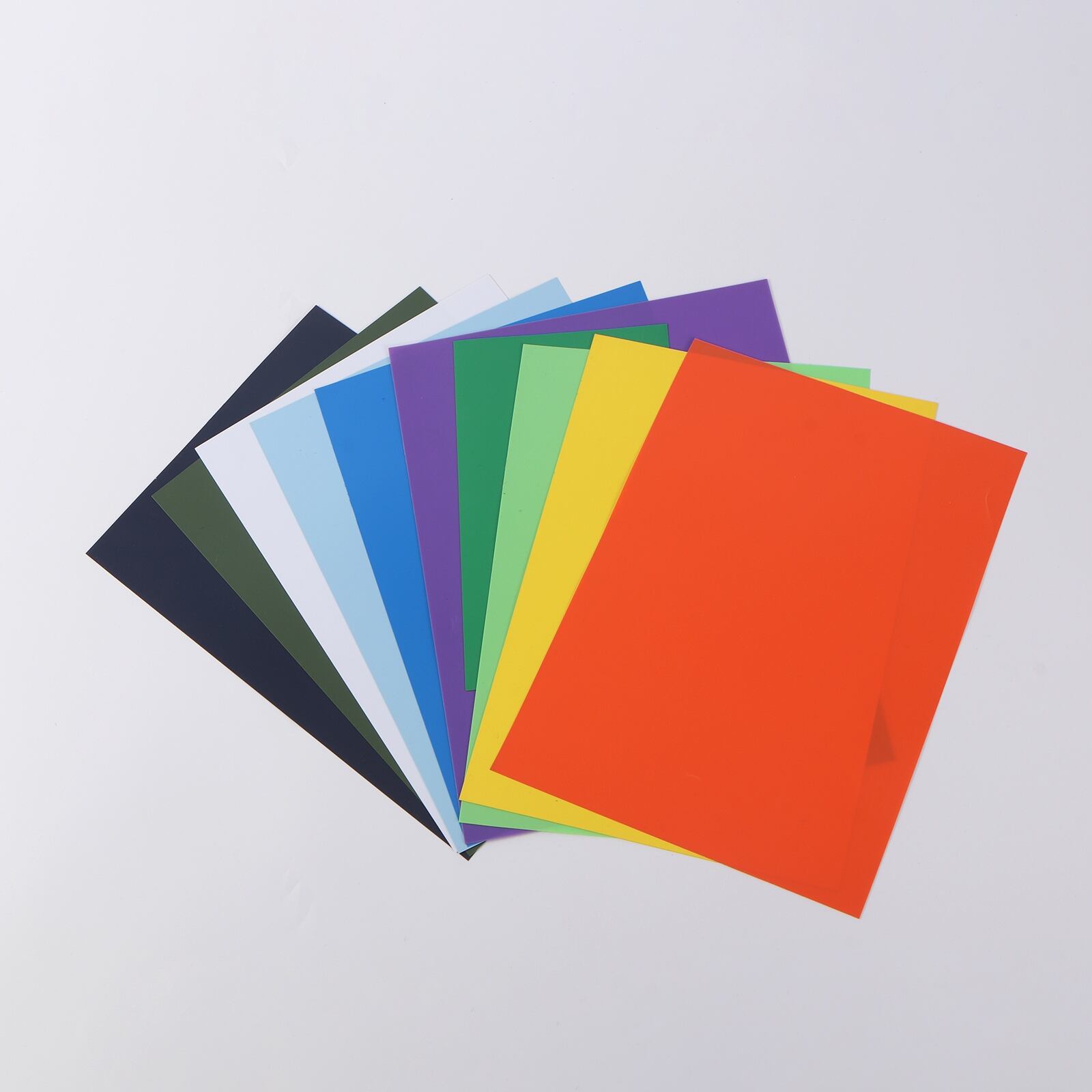
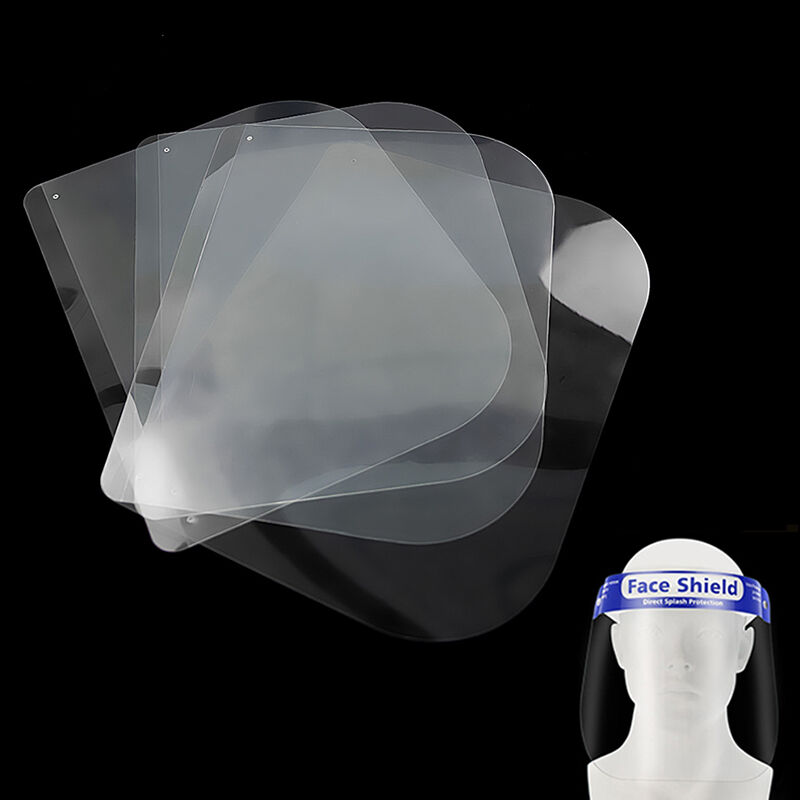
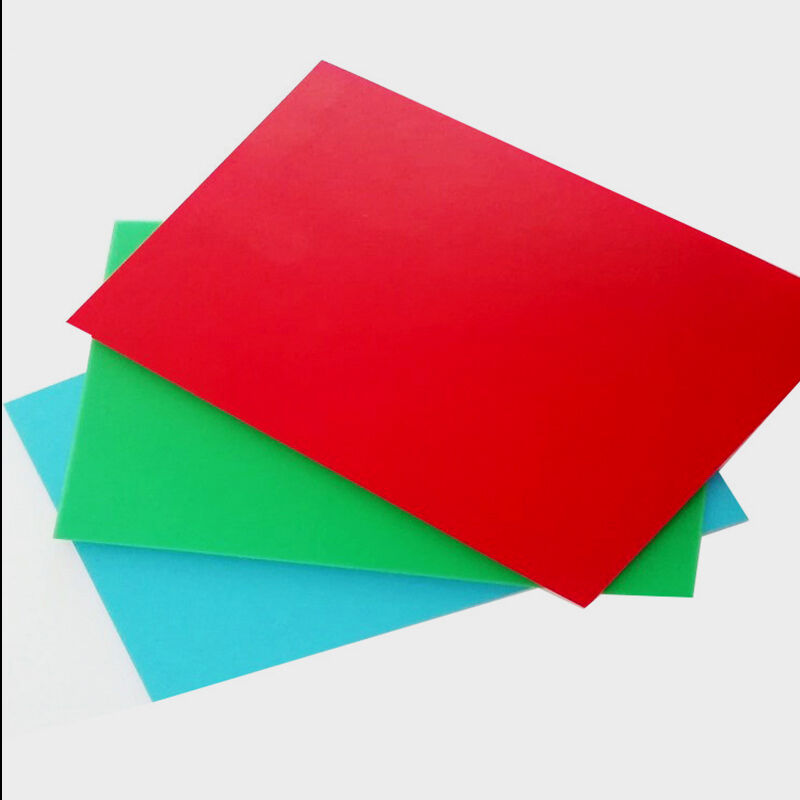
The pet plastic sheet for vacuum forming delivers exceptional durability that ensures products maintain their functionality and appearance throughout extended service lives, even when subjected to challenging environmental conditions and demanding use scenarios. This remarkable durability originates from the material's inherent chemical structure, which provides resistance to a broad spectrum of chemicals including acids, bases, solvents, and oils commonly encountered in industrial, commercial, and consumer applications. Products formed from this material withstand exposure to cleaning agents, automotive fluids, food products, and personal care items without degrading, discoloring, or losing structural integrity, making it an ideal choice for applications requiring regular sanitization or contact with potentially aggressive substances. The material's moisture resistance is equally impressive, as the pet plastic sheet for vacuum forming exhibits extremely low water absorption rates, preventing dimensional changes, strength loss, or optical degradation when exposed to humid environments or direct water contact. This characteristic makes it particularly valuable for outdoor applications, marine environments, and food service equipment where moisture exposure is constant and unavoidable. Temperature resistance represents another key durability attribute, with formed parts maintaining their properties across a wide temperature range typically spanning from minus 40 to plus 70 degrees Celsius for standard grades, with specialized formulations extending these limits even further for demanding applications. This thermal stability ensures reliable performance in applications ranging from frozen food packaging to automotive under-hood components, providing designers with confidence that products will function as intended regardless of environmental conditions. The impact resistance of pet plastic sheet for vacuum forming significantly exceeds that of brittle materials like polystyrene or acrylic, absorbing shock and resisting cracking or shattering when dropped or struck, which is crucial for shipping containers, protective equipment, and consumer products that must survive rough handling during distribution and use. Fatigue resistance is another important durability factor, particularly for products subject to repeated flexing or stress cycling, and the material's molecular structure provides excellent resistance to crack propagation and stress cracking, ensuring long service life even under dynamic loading conditions. The pet plastic sheet for vacuum forming also demonstrates excellent dimensional stability over time, resisting creep and maintaining tight tolerances even under sustained loads, which is essential for structural components and precision assemblies. Environmental responsibility increasingly influences material selection decisions, and this material addresses sustainability concerns through its recyclability and the growing availability of recycled content formulations that maintain performance characteristics while reducing environmental impact. The material's light weight compared to alternative materials like glass or metal reduces transportation energy consumption and associated carbon emissions throughout the product lifecycle, contributing to overall environmental performance improvements.
 EN
EN