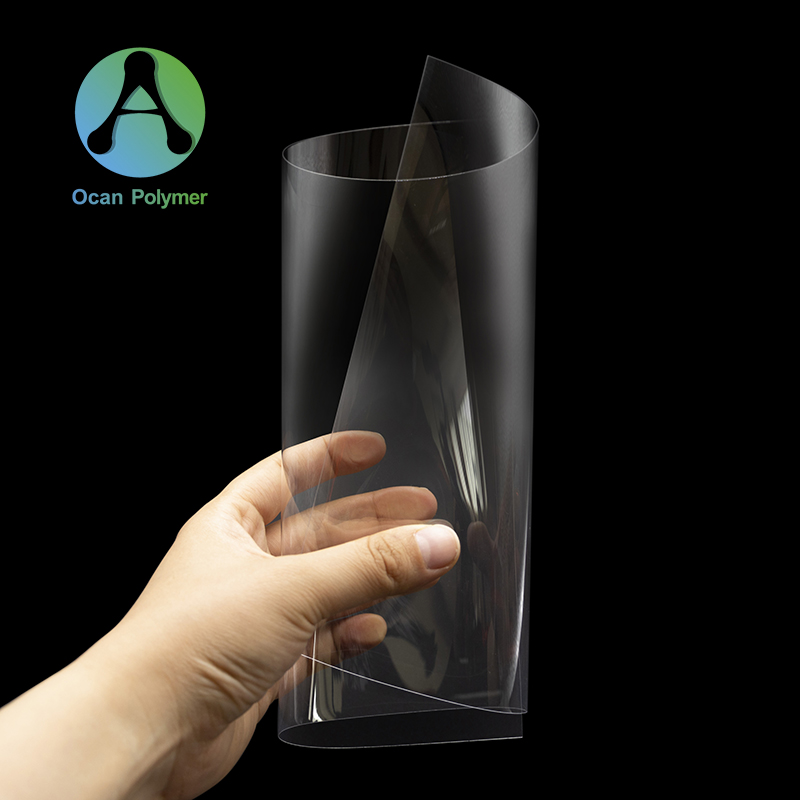
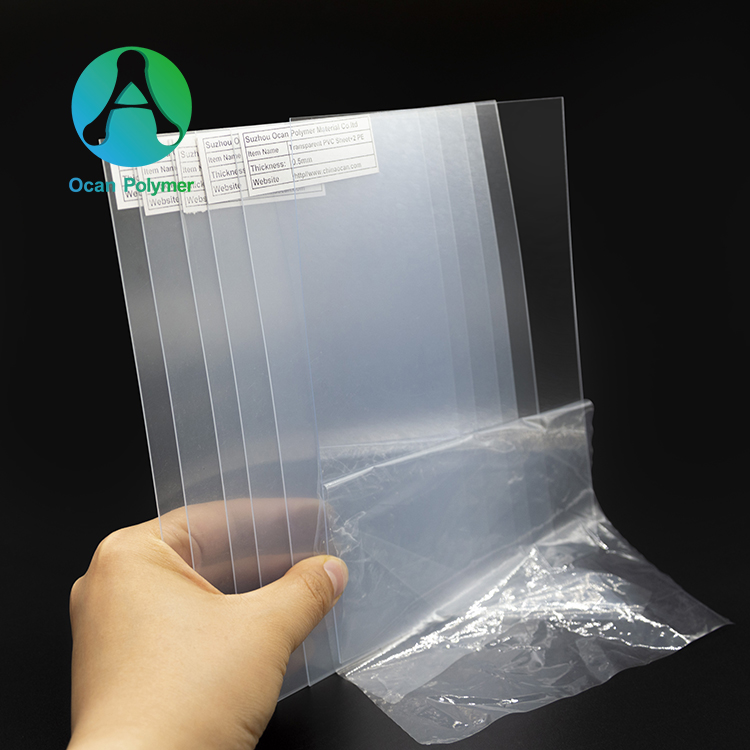
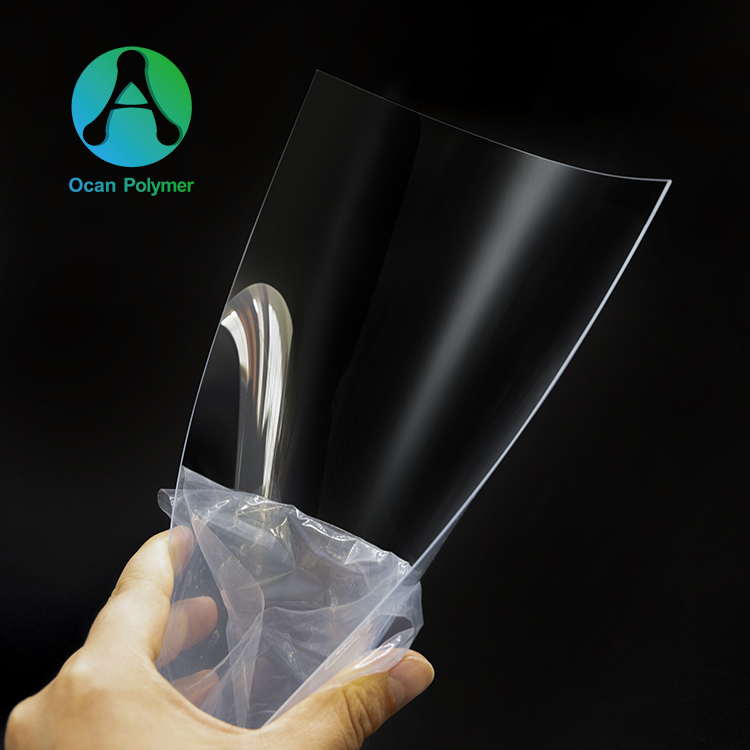
pet sheet for vacuum forming
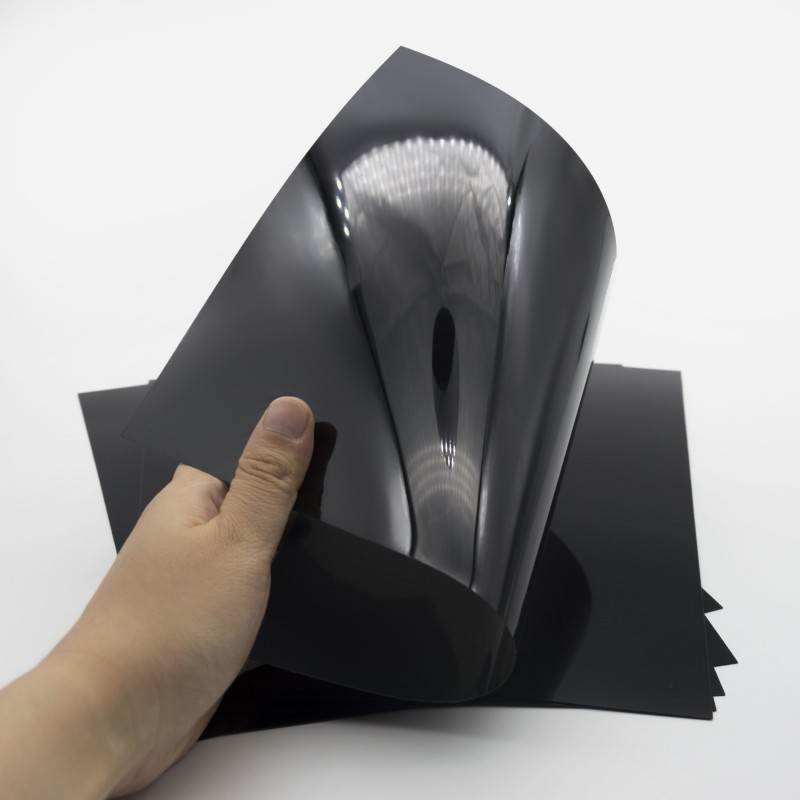
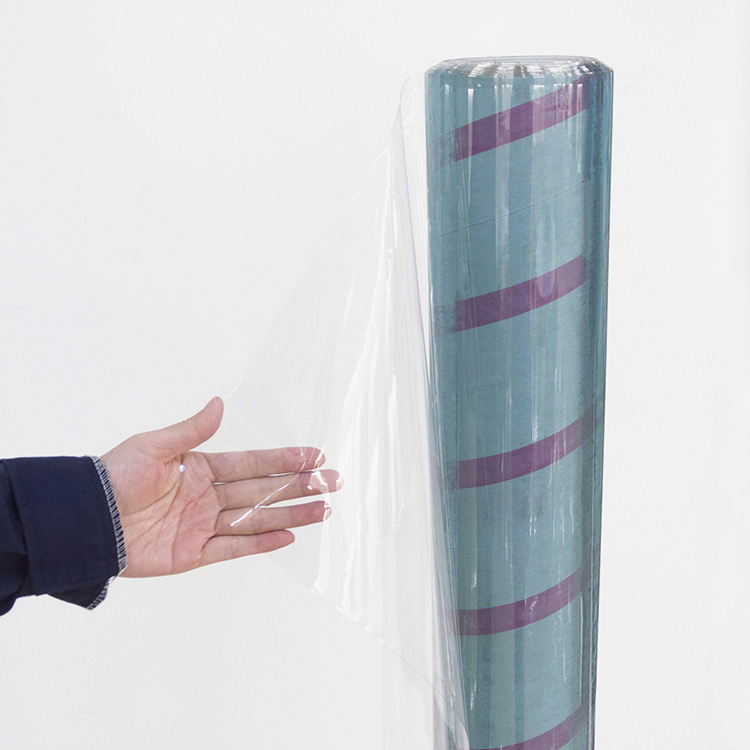
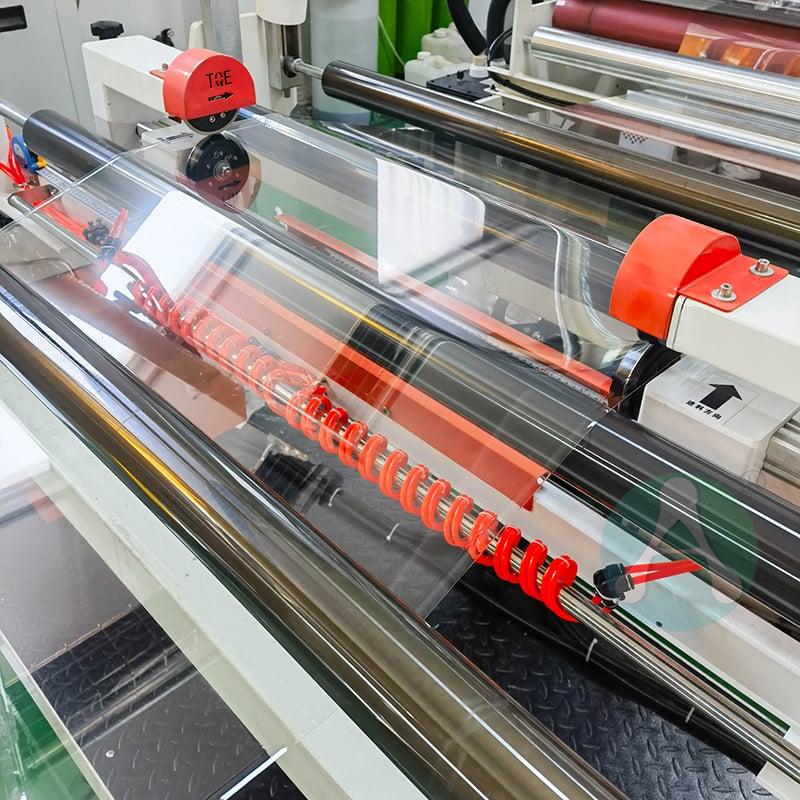
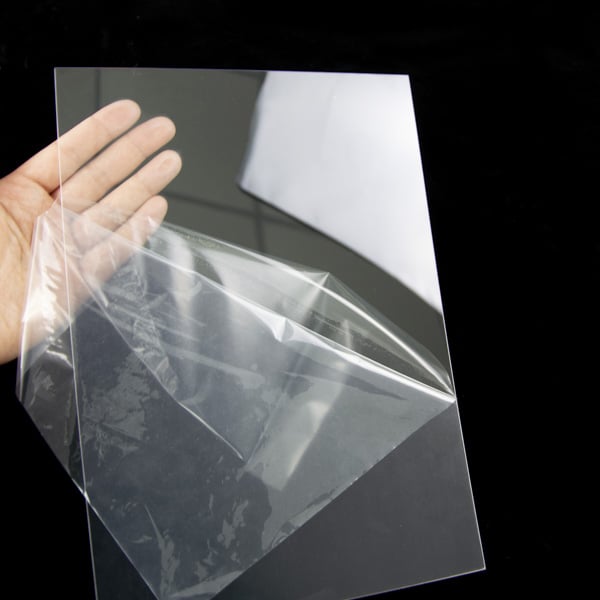
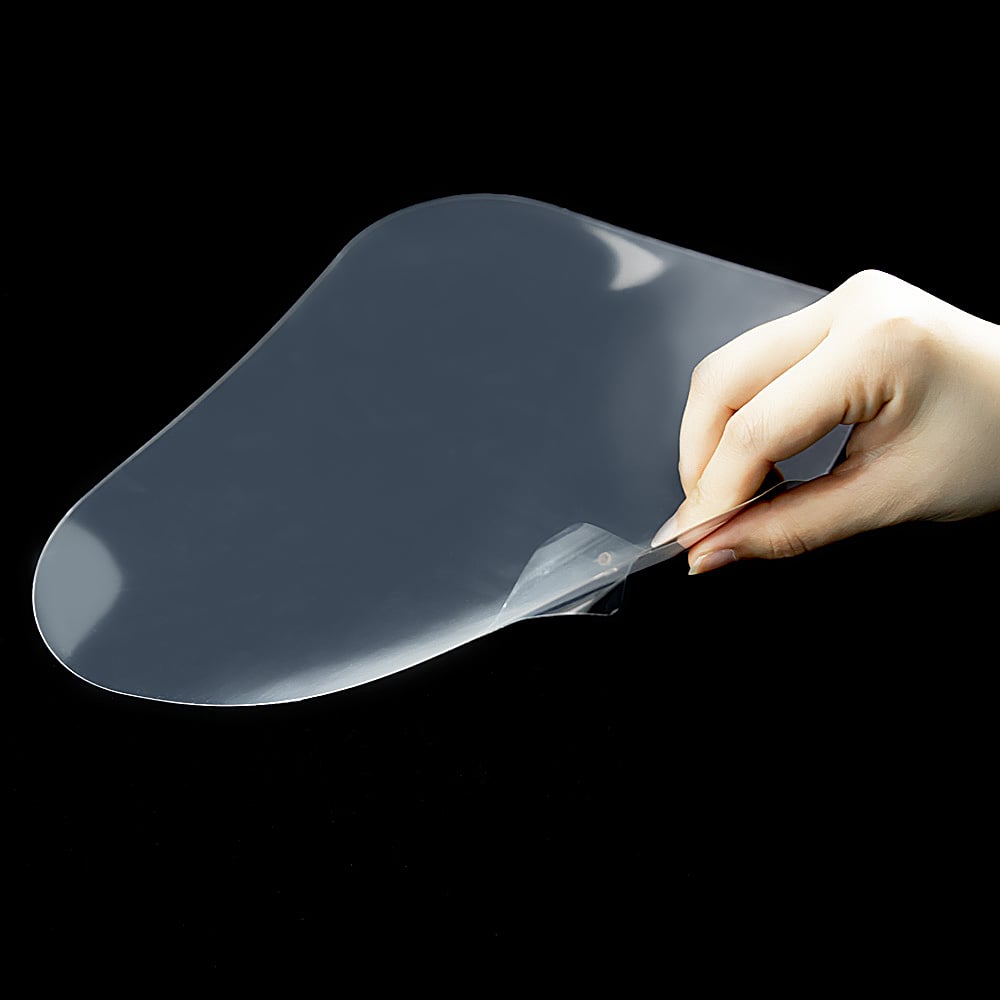
Ocan's PET lines have produced pet sheet for vacuum forming since 2005. This advanced thermoplastic material, derived from polyethylene terephthalate, has transformed the way manufacturers approach product packaging, display solutions, and component fabrication. The pet sheet for vacuum forming combines superior clarity with outstanding mechanical strength, creating a versatile substrate that responds exceptionally well to heat-based molding techniques. When subjected to controlled heating and vacuum pressure, this material conforms precisely to mold contours, producing detailed three-dimensional shapes with remarkable accuracy. The technological advancement behind pet sheet for vacuum forming lies in its molecular structure, which allows for consistent thermoforming behavior across various temperature ranges. Manufacturers appreciate how this material maintains dimensional stability during the forming process while delivering finished products with excellent surface finish quality. The applications of pet sheet for vacuum forming span numerous sectors including food packaging, medical device enclosures, retail display components, electronic housings, and automotive interior parts. Its inherent properties make it particularly suitable for products requiring transparency, impact resistance, and barrier protection against moisture and gases. The pet sheet for vacuum forming typically comes in various thicknesses ranging from thin gauge options suitable for disposable packaging to heavier gauge sheets used for durable structural components. This material's compatibility with standard vacuum forming equipment means businesses can integrate it into existing production lines without significant capital investment in specialized machinery. The environmental profile of pet sheet for vacuum forming also deserves attention, as the material is fully recyclable and can be reprocessed into new sheets, supporting circular economy initiatives. Processing parameters for pet sheet for vacuum forming are well-established, with optimal forming temperatures generally between 120 to 160 degrees Celsius, depending on sheet thickness and desired detail level. The material exhibits excellent memory characteristics, meaning it can be reheated and reformed if adjustments are needed during production.
 EN