Ukusanyaji wa Kifaa na Utengenezaji wa Bei Nafuu
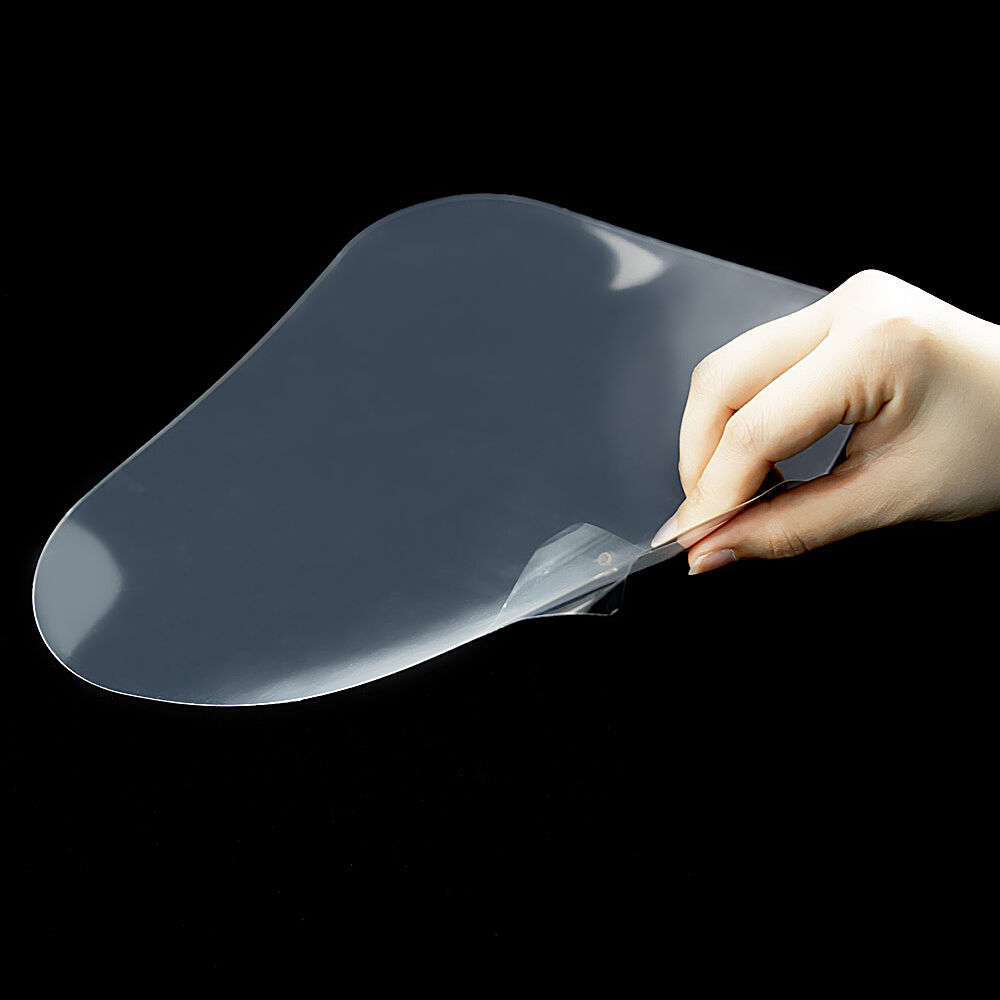
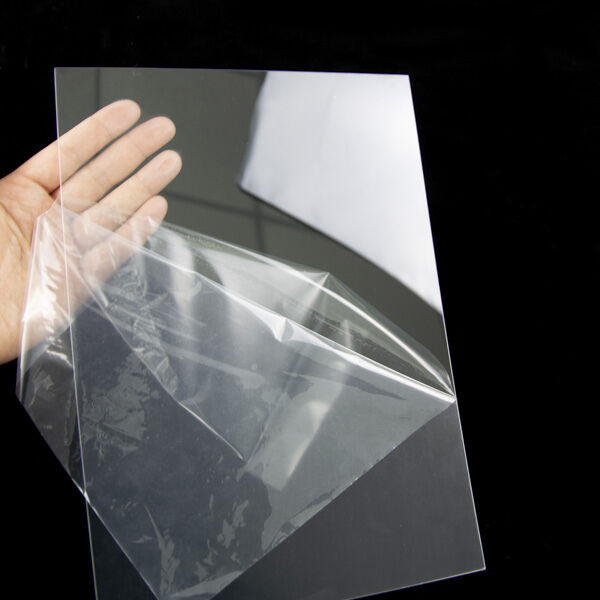
Mali ya kufanya kazi ya pet sheet kwa ajili ya kuunda kwa njia ya vacuum inaweza kubadilishwa moja kwa moja kuwa ufanisi wa uendeshaji ambao unaboresha uchumi wa uzalishaji wako na nafasi yako ya kushindana. Kielelezo hiki kina dira kubwa ya kuunda, ambayo ni vikomo vya joto ambavyo kufanya kazi ya thermoforming inafanyika kwa mafanikio, ikatoa wafanyikazi udhibiti zaidi wa mchakato na kupunguza uwezekano wa makosa yanayosababishwa na mabadiliko ya joto. Unapoitumia pet sheet kwa ajili ya kuunda kwa njia ya vacuum katika mazingira yako ya uzalishaji, unapata mzunguko wa kujazwa kwa joto unaofanana zaidi na sehemu zisizokubalika chini ya kiasi kidogo, ambacho husababisha matokeo moja kwa moja kwenye viwango vya kutumia vitu na ufanisi wa kazi. Kielelezo hiki kinatiririka sawa kote kwenye muundo wa kuvutia kwenye ubao, kubadilisha maeneo ya upana mdogo au uvutio ambao unaharibu umoja wa sehemu na umbo lake. Ugasitisho wa kielelezo huu unaleta faida ya kuzidisha eneo la kutumika la kila ubao, kubadilisha uchafuzi wa kuchomwa na kuboresha hesabu za ufanisi. Pet sheet kwa ajili ya kuunda kwa njia ya vacuum inahitaji joto la kufanya kazi la chini kuliko plastiki za injenieri, ambalo linasababisha matumizi ya nishati chini kwa kila sehemu na kupungua uvunjivu wa vipengele vya kujazwa kwa joto na vifaa vya uendeshaji. Gharama zako za umeme zinapungua wakati muda wa kudumisha vifaa vinapong’oa, jambo linalichangia kuboresha faida. Tabia ya kuchukua baridi haraka ya pet sheet kwa ajili ya kuunda kwa njia ya vacuum inasababisha muda mfupi wa mzunguko, ikaruhusu kuzalisha sehemu zaidi kwa kila shati bila kuharibu viwango vya ubora. Faida ya kuzalisha kwa kasi hii ina thamani kubwa hasa katika mazingira ya uzalishaji wa kiasi kikubwa ambapo kutumia vifaa kwa kiasi kikubwa huathiri gharama kwa kila sehemu. Kielelezo hiki kinatoka safi kutoka juu ya uso la ubao bila kuhitaji kutumia kwa wingi vifaa vya kutoa (release agents) ambavyo hiongeza hatua za mchakato na gharama za vitu. Unapoitumia njia ya vacuum kuunda kwa kutumia kielelezo hiki, unapata urejeshaji wa maelezo ya wazi ambayo huchukua vitendo vya ubao na vigezo vyake kwa usahihi, mara nyingi ukibadilisha hatua za pili kama vile kufanya uvutio (embossing) au kufanya mafumbo (texturing). Pet sheet kwa ajili ya kuunda kwa njia ya vacuum inafanya kazi rahisi kwenye vifaa vya kawaida bila mabadiliko au vifaa vya kipekee, ikapunguza mahitaji ya uwekezaji mkubwa na kukuwezesha kutumia miundombinu iliyopo ya uzalishaji. Kielelezo hiki kina uwezo wa kufanya kazi na njia mbalimbali za kuunda ikiwa ni pamoja na drape forming, plug assist forming, na pressure forming, ikakupa uwezo wa kubadilisha mchakato kwa ajili ya muundo tofauti za sehemu na kiasi cha uzalishaji. Hatua za kuchoma zinakwenda vizuri kwa kutumia vifaa vya kawaida vya kuchoma, na kielelezo hiki hakigenerisha mafuta mengi au hahitaji uvumbuzi maalum zaidi ya vitendo vya kawaida vya viwandani. Pet sheet kwa ajili ya kuunda kwa njia ya vacuum pia inasaidia uunganishaji wa utomatisi, ikakupa uwezo wa kutumia mifumo ya kusonga roboti, kuchoma kwa mstari, na mifumo ya kusonga kwa mtindo wa kiotomatiki ambayo inapunguza gharama za kazi na kuboresha ufanisi.
 EN
EN