PVC WATERPROOF SHEETS | Rigid Clear Sheet

Get a Free Quote

Our representative will contact you soon.
Email
Name
Company Name
Mobile/WhatsApp
Message
0/1000

pvc waterproof sheets

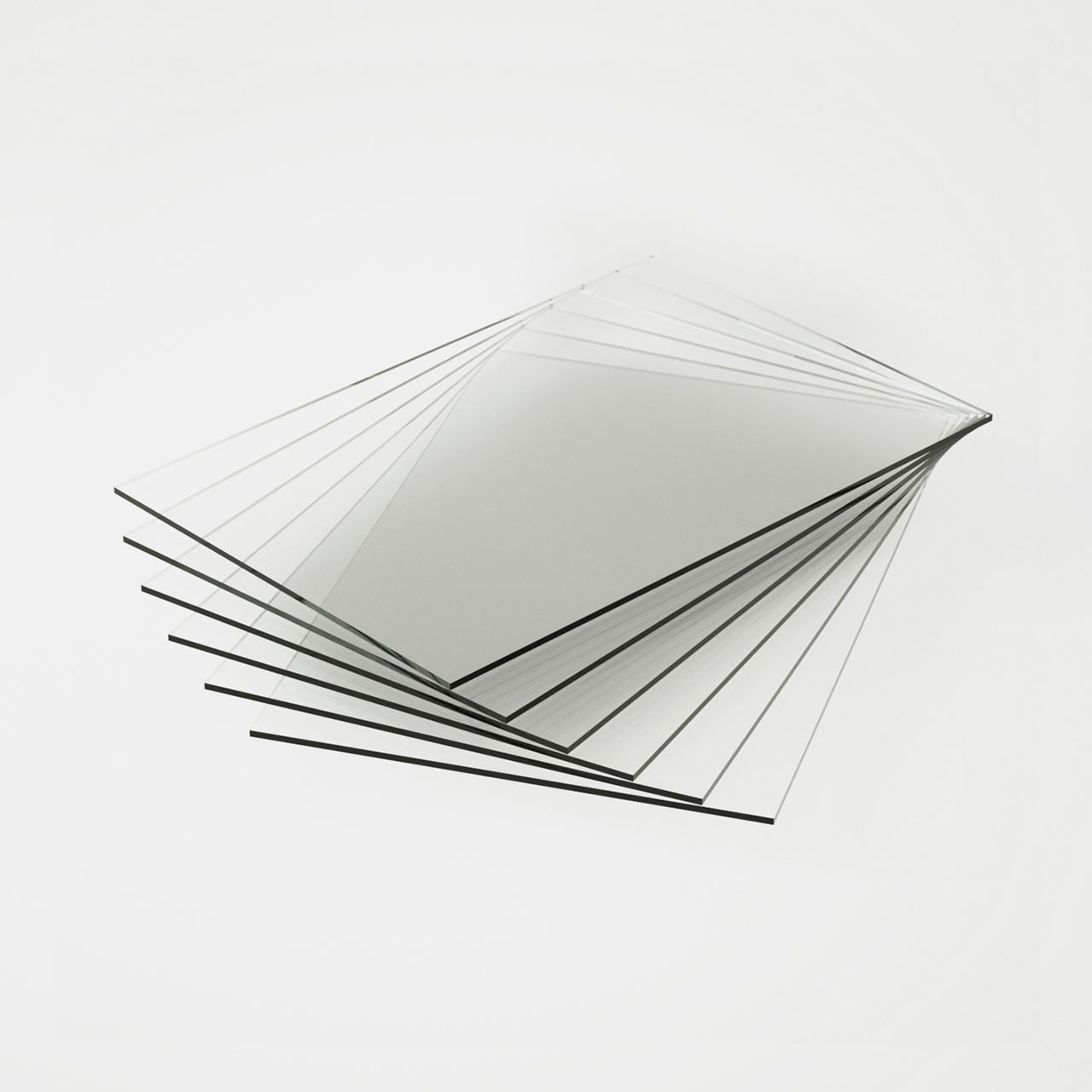
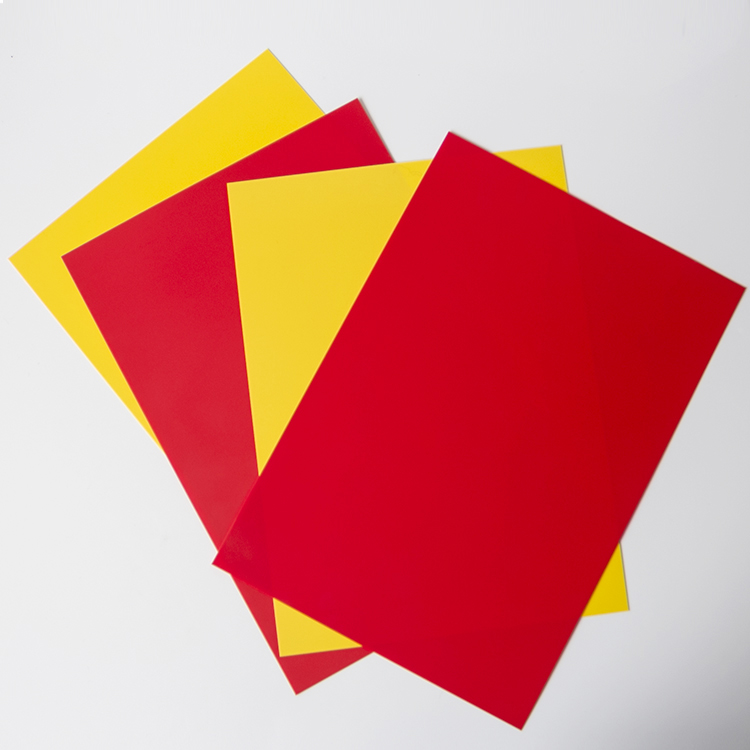
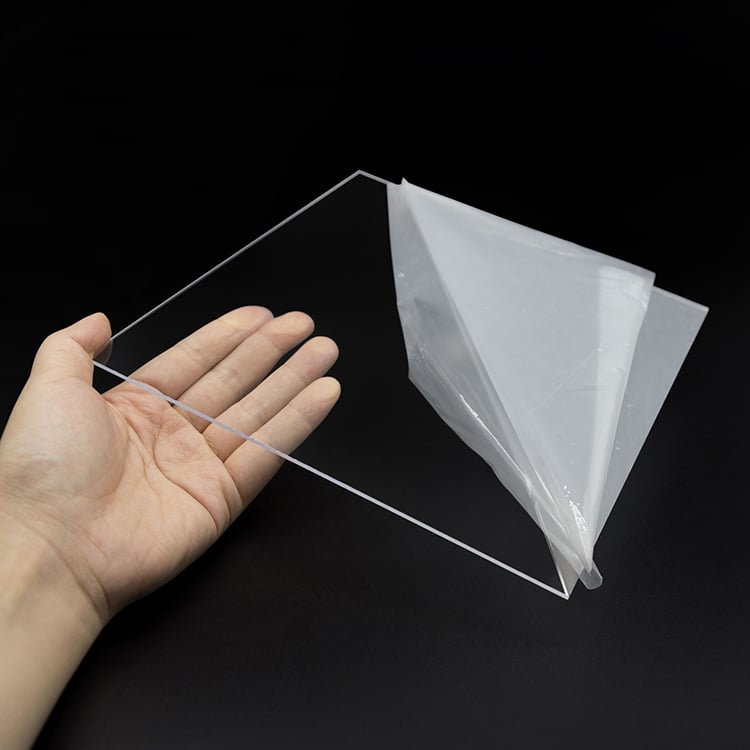
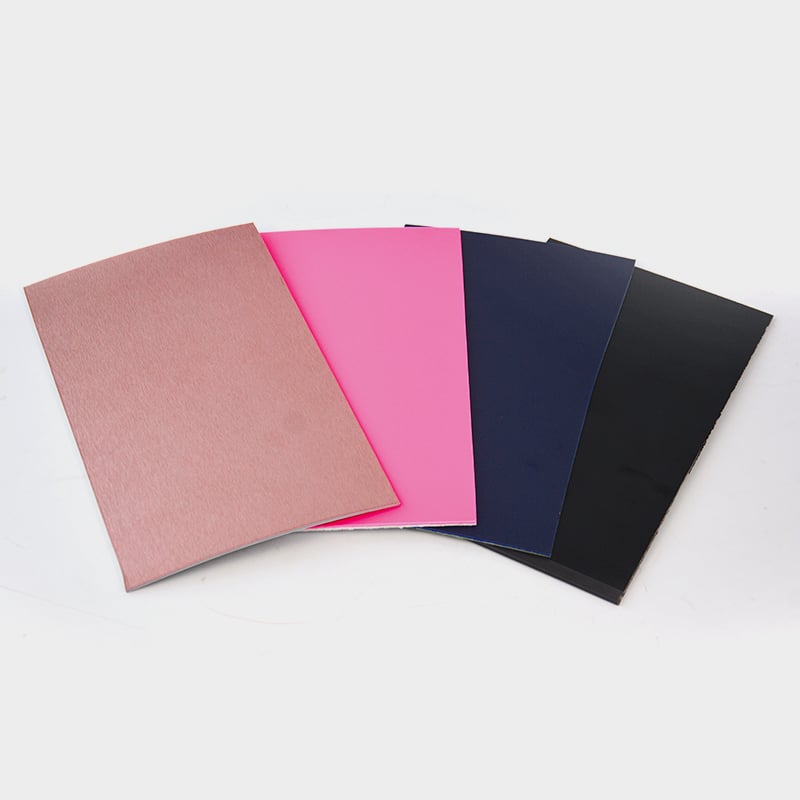
Ocan supplies pvc waterproof sheets to customers in 170+ countries, producing 0.15–6mm rigid PVC for thermoforming, packaging and printing. These specialized sheets are manufactured from high-quality polyvinyl chloride compounds that undergo precise engineering processes to create durable, flexible, and highly effective waterproofing membranes. The primary function of PVC waterproof sheets centers on creating an impenetrable barrier against water infiltration, preventing damage to building structures, foundations, roofs, and underground facilities. The technological features embedded within these sheets include advanced polymer formulations that resist degradation from ultraviolet radiation, extreme temperature fluctuations, and chemical exposure. The manufacturing process involves calendering or extrusion techniques that produce sheets with consistent thickness, ensuring uniform protection across entire installation areas. PVC waterproof sheets exhibit remarkable tensile strength and elongation properties, allowing them to accommodate structural movements and settlements without compromising their waterproofing integrity. These sheets typically range from 1.2mm to 2.0mm in thickness, with wider variants available for specialized applications requiring enhanced protection. The material composition ensures excellent resistance to punctures, tears, and abrasions, making them suitable for challenging installation environments. Applications for PVC waterproof sheets span residential, commercial, and industrial sectors, including basement waterproofing, roof membrane systems, tunnel linings, bridge deck protection, water containment facilities, and agricultural irrigation systems. Their versatility extends to both exposed and concealed installations, functioning effectively in above-ground and below-ground scenarios. The installation process involves heat welding techniques that create seamless joints between adjacent sheets, eliminating potential weak points where water might penetrate. This hot-air welding technology produces bonds stronger than the base material itself, ensuring long-term reliability. PVC waterproof sheets also incorporate environmental considerations, as the material is recyclable and contributes to sustainable building practices when properly managed throughout its lifecycle.

New Product Recommendations

pvc waterproof sheets sourced direct from Ocan's plant delivers 0.15–6mm rigid PVC with RoHS-verified quality and a 500kg MOQ. The foremost advantage lies in the exceptional durability these sheets provide, with typical service lives extending beyond twenty-five years when properly installed and maintained. This longevity translates into significant cost savings over time, as property owners avoid repeated replacement expenses and minimize ongoing maintenance requirements. The flexibility inherent in PVC waterproof sheets enables them to conform to irregular surfaces, corners, and penetrations with ease, ensuring comprehensive coverage even in architecturally complex structures. This adaptability reduces installation time and labor costs compared to rigid waterproofing alternatives that require extensive surface preparation or custom fabrication. The chemical resistance properties of these sheets protect structures from degradation caused by soil contaminants, industrial pollutants, or aggressive water conditions, maintaining their protective function in harsh environments where other materials would fail prematurely. Installation efficiency represents another compelling advantage, as experienced contractors can complete waterproofing projects faster using PVC waterproof sheets than traditional built-up systems requiring multiple application layers and extended curing periods. The welded seam technology creates completely watertight connections that eliminate the risk of adhesive failure common in glued membrane systems, providing peace of mind regarding system integrity. PVC waterproof sheets remain functional across wide temperature ranges, from freezing conditions to intense summer heat, without becoming brittle or excessively soft. This thermal stability ensures consistent performance regardless of climate or seasonal variations. The material resists biological growth including mold, mildew, and algae, contributing to healthier indoor environments and reducing maintenance interventions. Root penetration resistance makes these sheets particularly valuable for plaza decks and green roof applications where vegetation might otherwise compromise waterproofing integrity. The light color options available reflect solar radiation, reducing heat absorption and contributing to energy efficiency in roof applications. Testing and quality control during manufacturing ensure consistent material properties, eliminating the variability associated with field-mixed waterproofing compounds. Property owners benefit from warranty programs offered by manufacturers, providing financial protection and demonstrating confidence in product performance. The ease of repair represents a practical advantage, as damaged sections can be patched using simple heat-welding techniques without requiring complete system replacement. Environmental impact considerations favor PVC waterproof sheets, as they contain no harmful solvents, produce minimal installation waste, and support LEED certification objectives for sustainable building projects.

Practical Tips

Why Do Engineers Use PC Sheet for Transparent Protective Shields?

13

Aug

Why Do Engineers Use PC Sheet for Transparent Protective Shields?

Engineers and product designers across multiple industries consistently select PC sheet as the optimal material for transparent protective shields because of its exceptional combination of clarity, strength, and protective performance. When protectin...
View More
Why Do Manufacturers Use Soft PVC Film for Transparent Table Mats?

18

Aug

Why Do Manufacturers Use Soft PVC Film for Transparent Table Mats?

Transparent table mats have become essential in commercial and residential settings, protecting surfaces while maintaining visual appeal. Manufacturers consistently choose soft PVC film as the preferred material for these protective solutions, and th...
View More
How Is PET Sheet Used for High Transparency Folding Box Packaging?

08

Sep

How Is PET Sheet Used for High Transparency Folding Box Packaging?

High transparency folding box packaging demands materials that combine optical clarity with structural integrity, and PET sheet has emerged as the industry standard for this demanding application. Folding boxes used in cosmetics, pharmaceuticals, ele...
View More
How Is PVC Sheet Applied in Watch Dial Protection and Surface Printing?

26

Oct

How Is PVC Sheet Applied in Watch Dial Protection and Surface Printing?

The watch industry demands precision, durability, and aesthetic excellence at every manufacturing stage. Protecting watch dial surfaces during production and enabling flawless printing requires specialized materials engineered for demanding horologic...
View More

Get a Free Quote

Our representative will contact you soon.
Email
Name
Company Name
Mobile/WhatsApp
Message
0/1000

pvc waterproof sheets

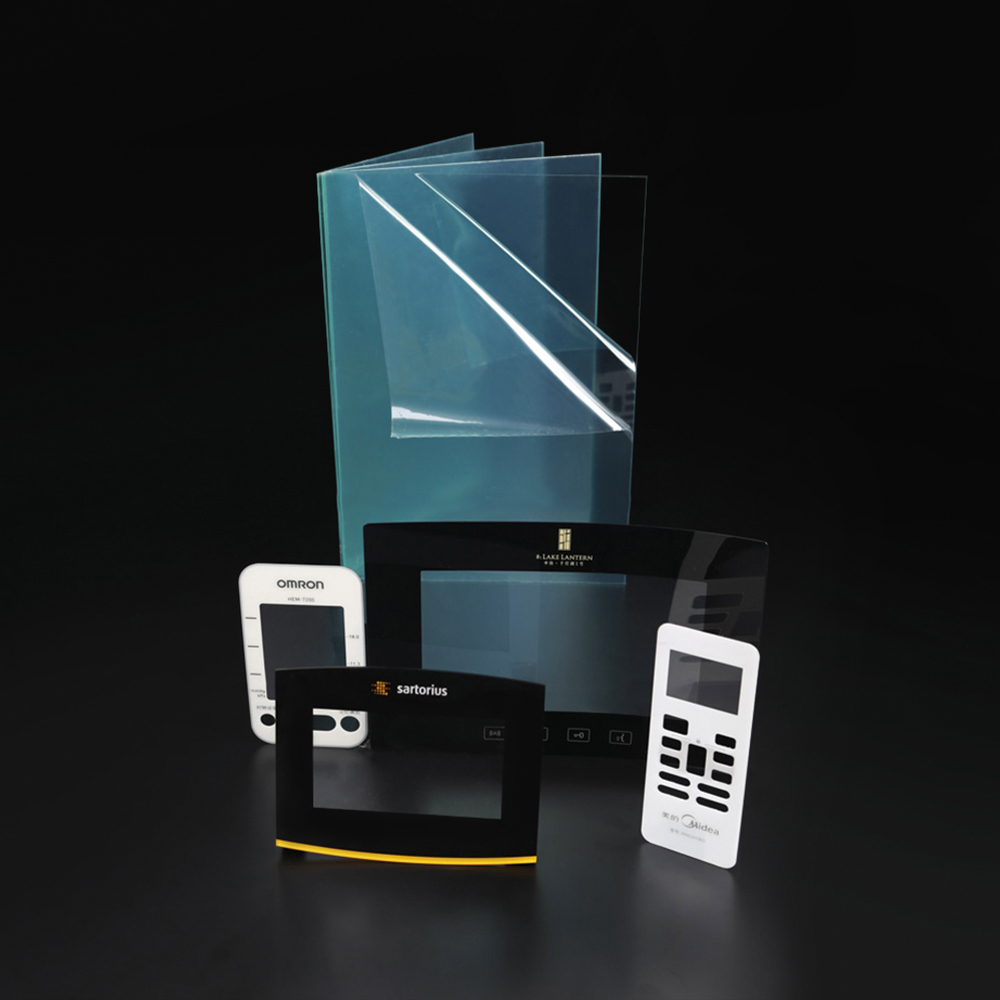
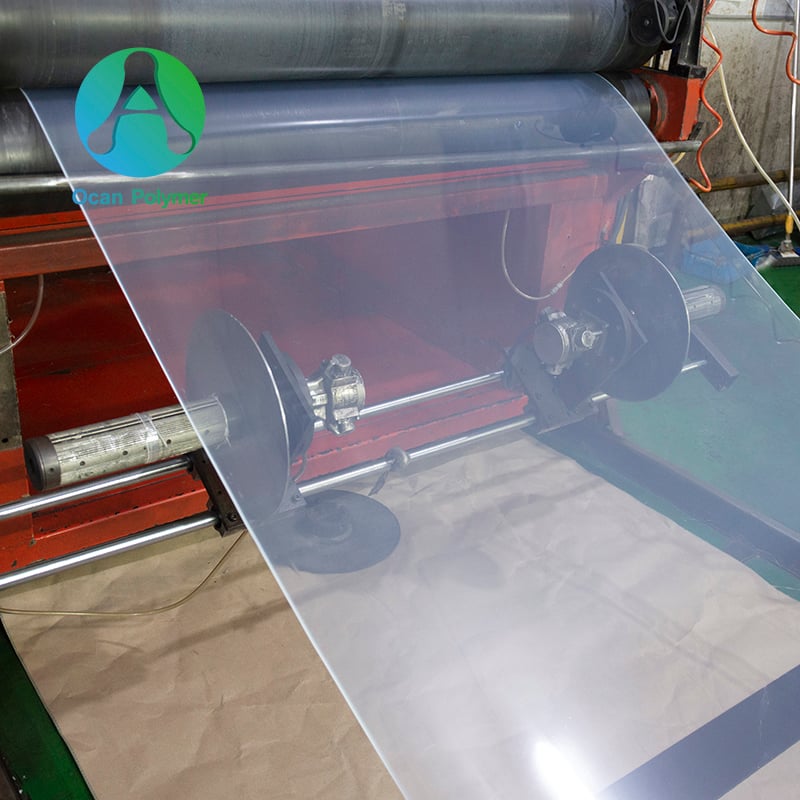
pvc waterproof sheets from Ocan's 60,000-ton annual capacity plant

pvc waterproof sheets from Ocan's 60,000-ton annual capacity plant

pvc waterproof sheets from Ocan featuring rigid clarity and fold memory across 0.15–6mm rigid PVC. At the molecular level, polyvinyl chloride creates a dense, non-porous structure that physically blocks water molecules from passing through the membrane. This fundamental impermeability distinguishes PVC waterproof sheets from breathable materials or coatings that may allow moisture transmission under certain conditions. The manufacturing process carefully controls polymer chain length and cross-linking density to optimize both flexibility and strength, creating sheets that resist puncture forces while maintaining the ability to stretch and accommodate building movements. Quality PVC waterproof sheets incorporate plasticizers specifically selected for their resistance to extraction by water contact, ensuring the material retains its flexibility throughout decades of service rather than becoming rigid and crack-prone over time. UV stabilizers integrated throughout the material matrix protect against photodegradation when sheets are exposed to sunlight in roof applications or other above-ground installations. This comprehensive UV protection prevents the surface chalking, color fading, and mechanical property deterioration that plague unprotected polymeric materials in outdoor environments. The homogeneous composition of PVC waterproof sheets means that color extends throughout the entire thickness rather than being a surface treatment, so minor abrasions or scratches do not expose different-colored substrate layers. Testing protocols verify waterproofing performance through hydrostatic pressure tests that subject sheets to water pressure levels far exceeding those encountered in real-world applications, confirming the reliability of the material under extreme conditions. The welded seam technology used to join individual PVC waterproof sheets creates fusion bonds where the material actually melts and intermingles at the molecular level, resulting in connections that possess strength characteristics equivalent to or exceeding the parent sheet material. This welding approach eliminates the reliability concerns associated with adhesive bonds that may degrade over time due to temperature cycling, moisture exposure, or chemical attack. Field verification of weld quality can be performed using non-destructive testing methods or destructive sample testing, providing documentation of installation integrity for building owners and regulatory authorities.
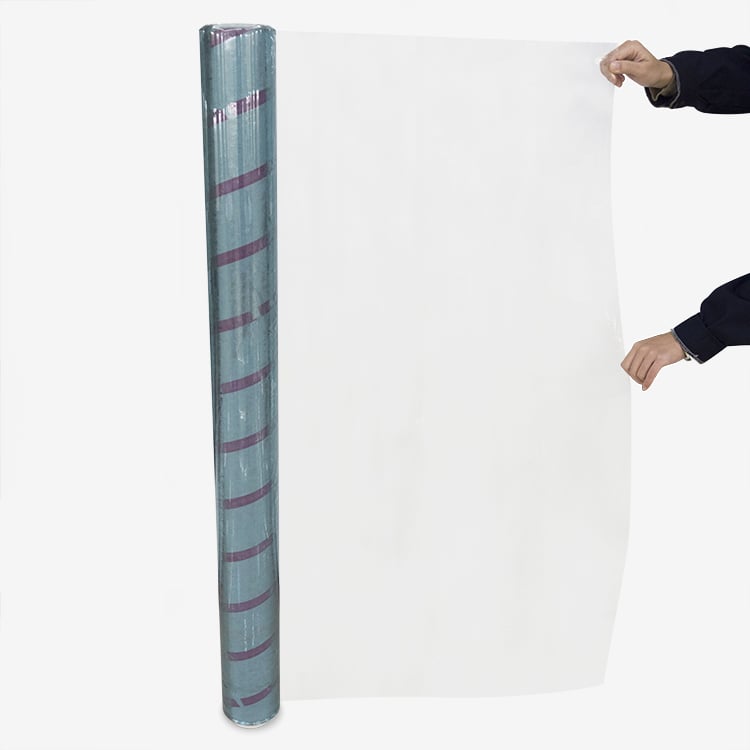
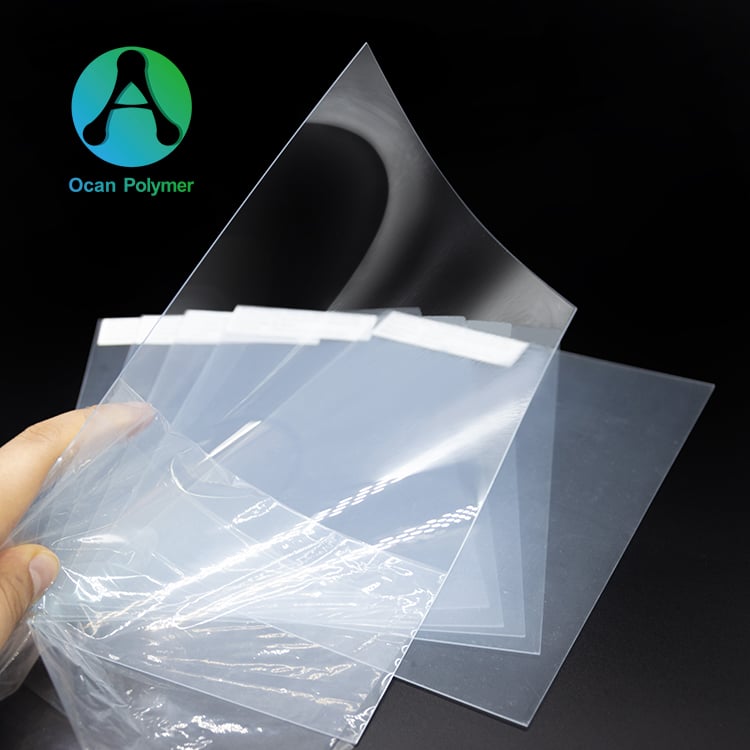
pvc waterproof sheets with free samples before bulk ordering

pvc waterproof sheets with free samples before bulk ordering

Ocan's pvc waterproof sheets with thickness held to GB tolerances from roll start to finish. In residential construction, homeowners benefit from basement waterproofing systems utilizing PVC waterproof sheets that protect foundation walls and floor slabs from groundwater infiltration, preventing the moisture problems, structural damage, and unhealthy mold growth that compromise property value and living quality. The sheets conform easily to the right angles between walls and floors, creating continuous waterproofing envelopes that address the most vulnerable areas where water typically finds entry points. Commercial flat roof systems increasingly specify PVC waterproof sheets as the primary weatherproofing layer, capitalizing on their proven resistance to ponding water, UV exposure, and the expansion-contraction cycles that occur as roof surfaces heat and cool throughout daily and seasonal temperature swings. The reflective properties of light-colored PVC waterproof sheets contribute to building energy efficiency by reducing solar heat gain through roof assemblies, lowering cooling costs during warm months while maintaining complete waterproofing protection. Plaza deck applications above occupied spaces demand waterproofing materials that resist both downward water migration and upward vapor transmission while tolerating the mechanical stresses imposed by pedestrian traffic, furniture, and planters. PVC waterproof sheets meet these complex requirements through their combination of tensile strength, puncture resistance, and vapor barrier properties, protecting valuable interior spaces below outdoor amenity areas. Tunnel construction projects employ PVC waterproof sheets as part of composite lining systems that manage groundwater intrusion in subway tunnels, vehicular tunnels, and utility conveyance tunnels, where waterproofing failure could compromise structural integrity or disrupt essential transportation infrastructure. The chemical resistance of these sheets proves particularly valuable in industrial facilities where floor and containment area waterproofing must withstand exposure to process chemicals, petroleum products, or aggressive cleaning agents that would rapidly deteriorate conventional waterproofing materials. Agricultural applications include pond liners, irrigation canal liners, and containment systems for liquid storage, where PVC waterproof sheets provide cost-effective barriers that prevent water loss and protect surrounding soil and groundwater from contamination by agricultural chemicals or animal waste products.
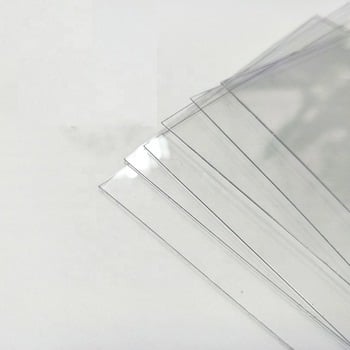
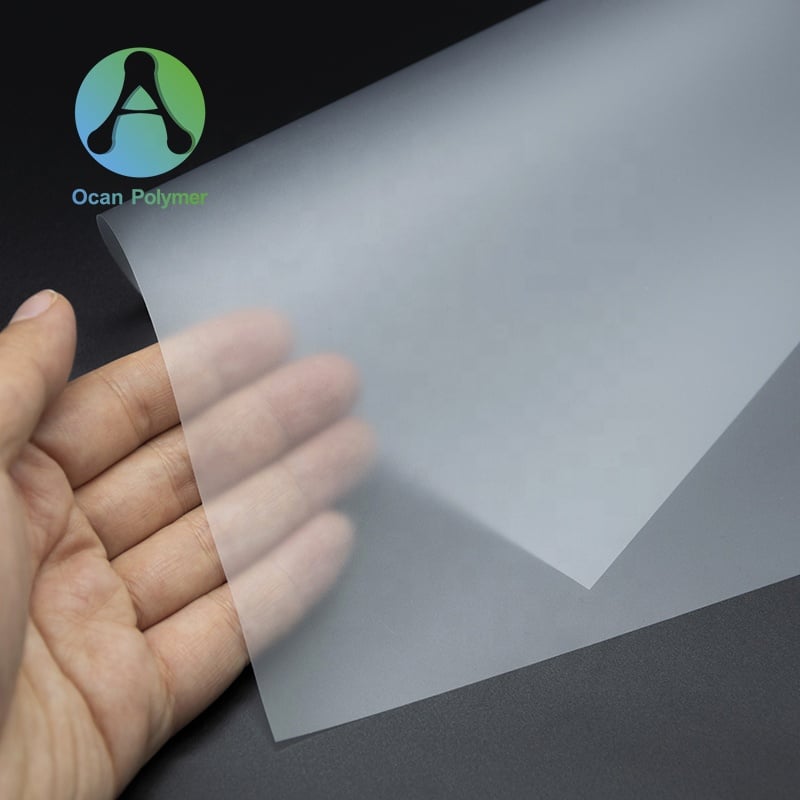
pvc waterproof sheets in 0.15–6mm rigid PVC for thermoforming, packaging and printing

pvc waterproof sheets in 0.15–6mm rigid PVC for thermoforming, packaging and printing

Ocan's pvc waterproof sheets, built on 20+ years of production shipped with corner-protected export packing. The initial material cost of PVC waterproof sheets compares favorably with premium waterproofing alternatives while delivering performance characteristics that justify any price premium over lower-quality options that may require premature replacement. Installation labor efficiency contributes significantly to overall project economics, as skilled contractors can install PVC waterproof sheets more rapidly than built-up membrane systems requiring multiple application layers with intervening curing periods, or liquid-applied membranes demanding extensive surface preparation and multiple coats. The mechanical fastening and heat-welding installation approach eliminates weather-related delays common with adhesive-dependent systems that cannot be installed during cold temperatures or when moisture is present on substrate surfaces. This installation flexibility allows projects to proceed on schedule regardless of minor weather variations, avoiding costly construction delays and extended general contractor overhead expenses. The proven service life of PVC waterproof sheets extending beyond twenty-five years in properly designed and installed systems means that building owners avoid the disruption and expense of waterproofing replacement during the typical ownership period for commercial and residential properties. This longevity becomes particularly valuable in applications where waterproofing access requires removal of finished interior surfaces, landscaping, or occupied-space disruption that multiplies the true cost of waterproofing renewal far beyond the direct material and labor expenses. The minimal maintenance requirements of PVC waterproof sheets reduce ongoing building operating costs, as these systems do not require periodic recoating, sealing, or surface treatments to maintain their protective function. Simple visual inspections suffice for routine monitoring, with any identified damage easily repairable through localized patching using standard heat-welding techniques rather than requiring extensive system rehabilitation. The resistance of PVC waterproof sheets to biological growth eliminates the maintenance costs associated with cleaning algae, mildew, or vegetation from waterproofing surfaces, while also preventing the gradual deterioration that occurs when biological organisms establish themselves on or within moisture-sensitive materials. Energy cost implications favor PVC waterproof sheets in roof applications, where reflective surfaces reduce cooling loads and contribute to lower utility expenses throughout the building's operational life, with cumulative energy savings potentially offsetting the entire initial waterproofing investment over time.

Get a Free Quote

Our representative will contact you soon.
Email
Name
Company Name
Mobile/WhatsApp
Message
0/1000