Premium PVC Waterproof Sheets - Durable Waterproofing Solutions for Construction

Get a Free Quote

Our representative will contact you soon.
Email
Name
Company Name
Mobile/WhatsApp
Message
0/1000

pvc waterproof sheets

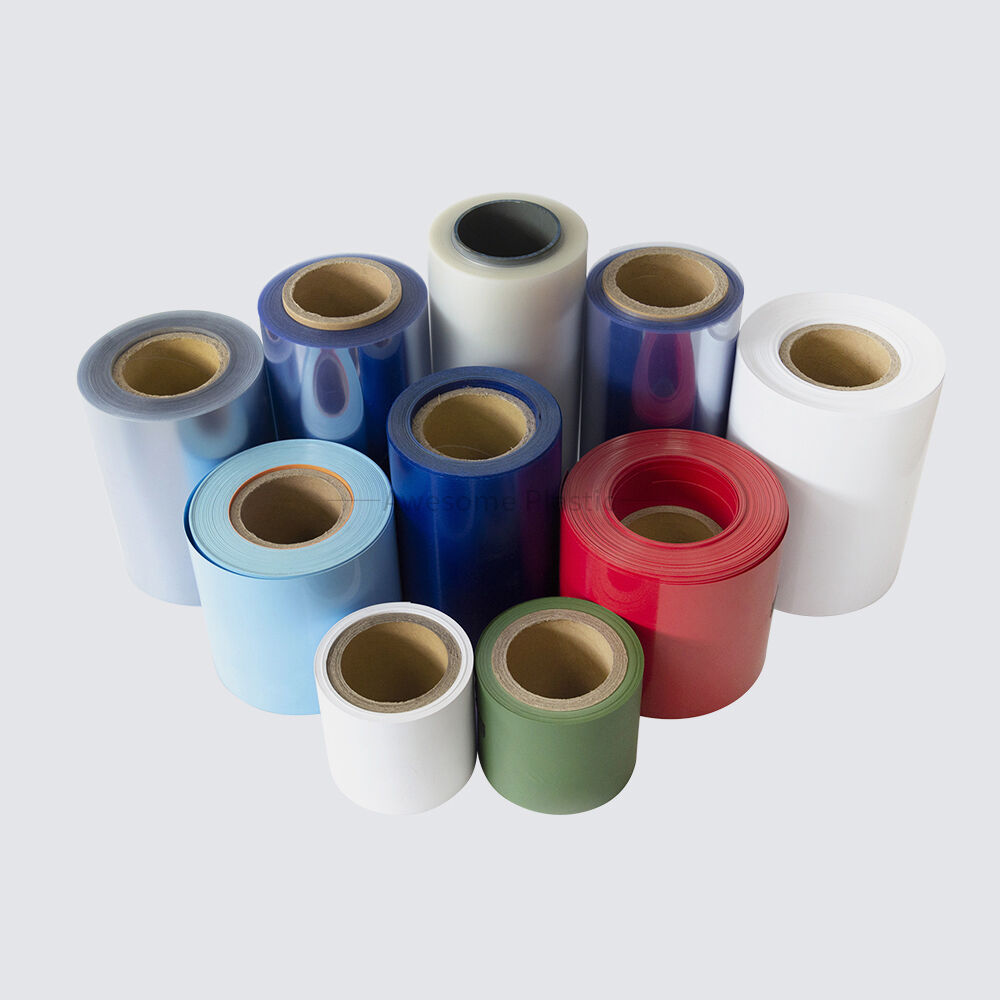
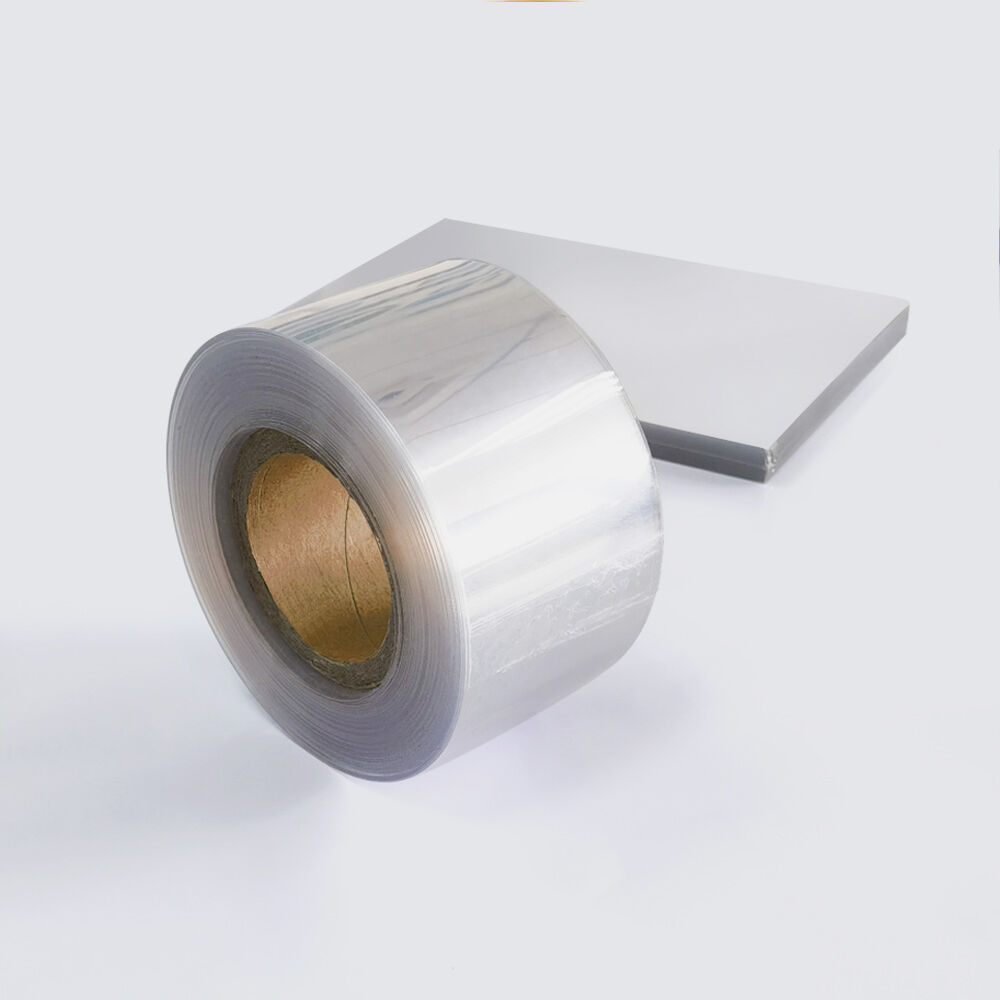
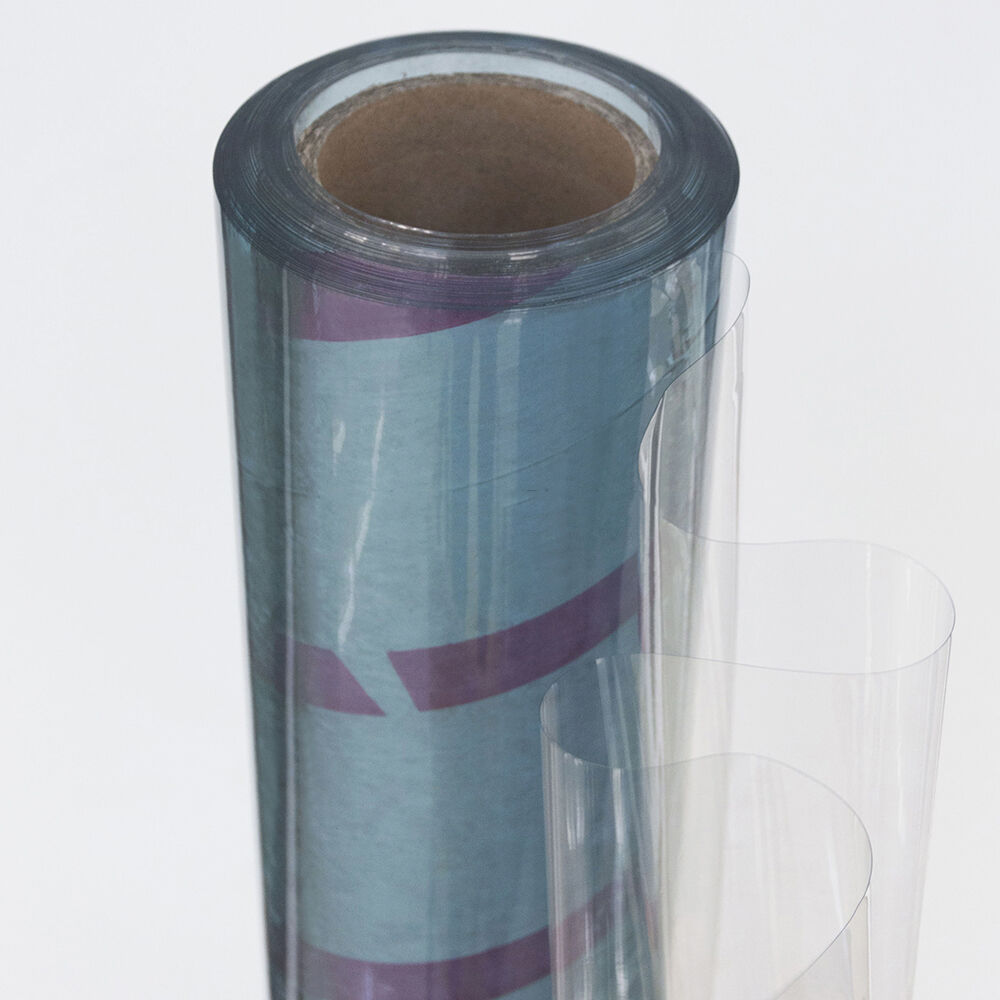
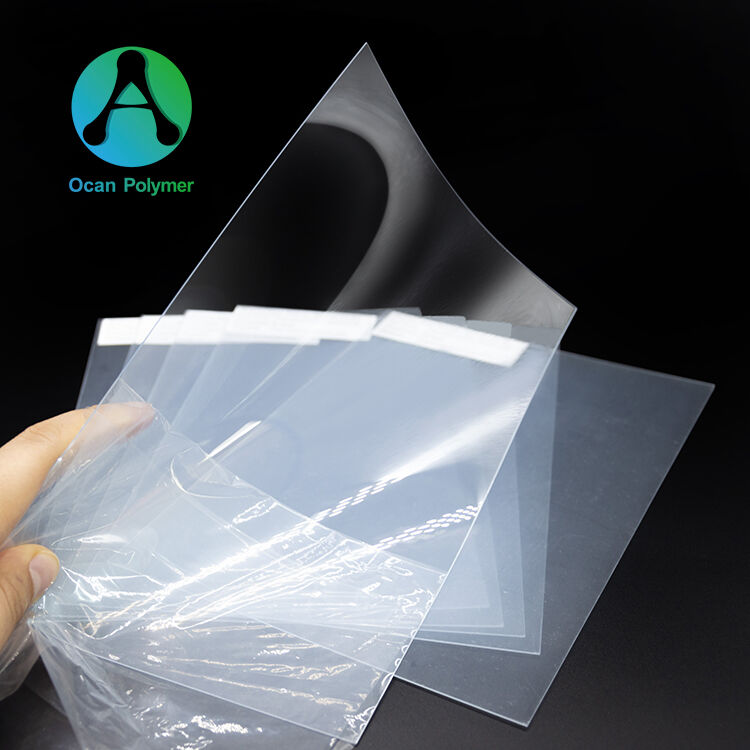
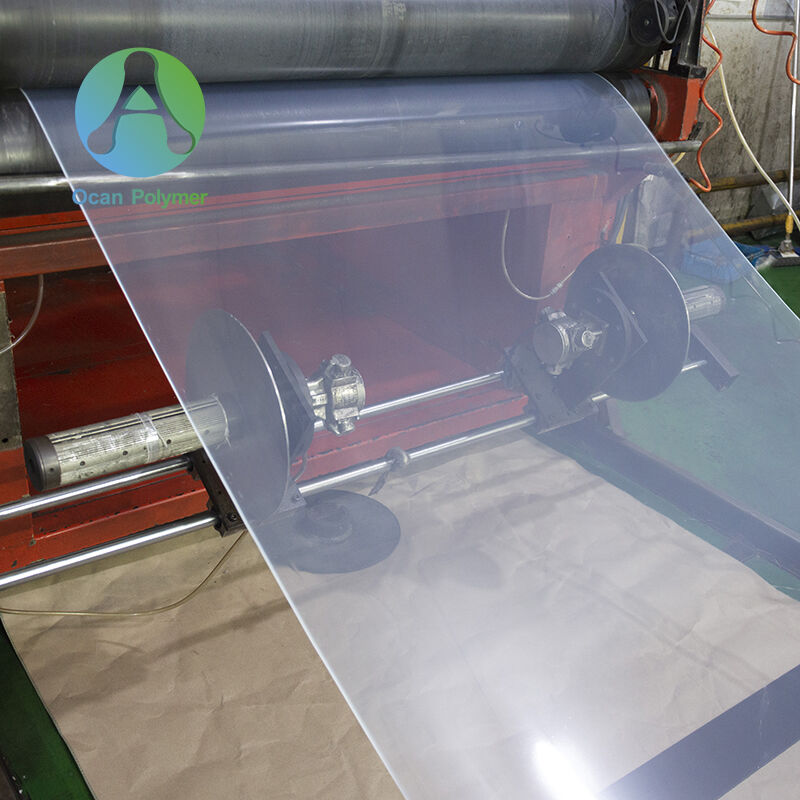
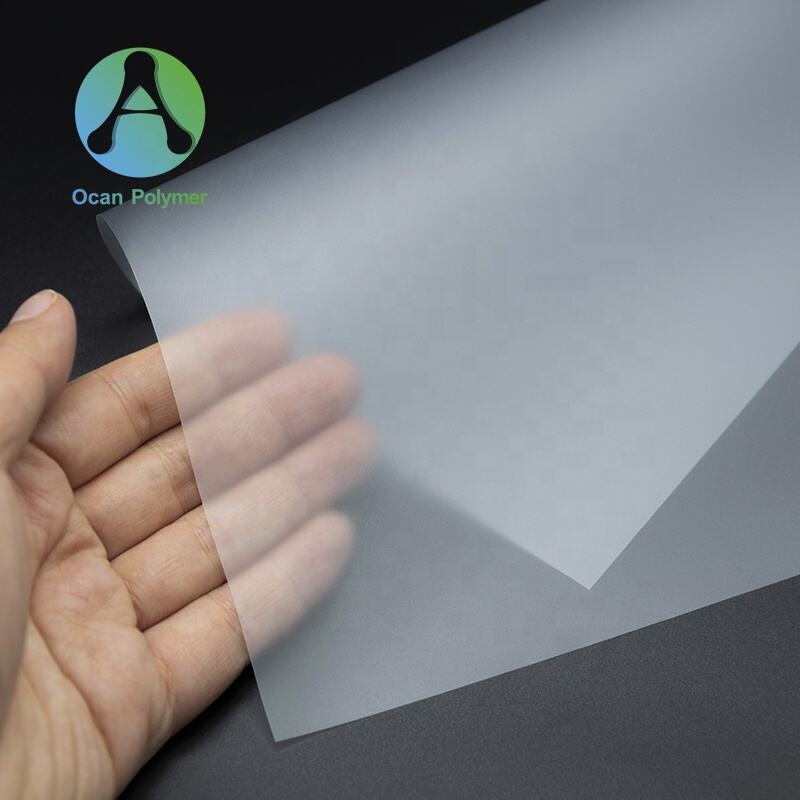
PVC waterproof sheets represent a revolutionary solution in modern construction and waterproofing applications, offering unparalleled protection against moisture infiltration across diverse environments. These specialized membranes are manufactured from polyvinyl chloride polymers through advanced extrusion and calendaring processes, resulting in flexible yet durable sheets that create impermeable barriers against water penetration. The main function of pvc waterproof sheets centers on preventing water ingress into structural elements, thereby protecting buildings, infrastructure, and various installations from moisture-related damage, deterioration, and costly repairs. These sheets serve as critical components in roofing systems, foundation protection, tunnel construction, basement waterproofing, and numerous other applications where moisture control is paramount. Technologically, pvc waterproof sheets incorporate multiple innovative features that distinguish them from traditional waterproofing materials. The molecular structure of polyvinyl chloride provides inherent water resistance, while manufacturing processes can enhance these properties through plasticizer additions and reinforcement layers. Modern pvc waterproof sheets often feature multi-layer constructions, combining reinforcing fabrics with PVC coatings to achieve superior tensile strength and puncture resistance. The sheets exhibit excellent flexibility across wide temperature ranges, maintaining their waterproofing integrity in both freezing conditions and high-heat environments. Advanced formulations include UV stabilizers that prevent degradation from sunlight exposure, ensuring long-term performance in exposed applications. The welding capability of pvc waterproof sheets represents a significant technological advantage, as seams can be thermally fused to create monolithic, seamless waterproof membranes without relying on adhesives that may degrade over time. Applications for pvc waterproof sheets span residential, commercial, industrial, and infrastructure projects. In roofing, these sheets provide reliable protection for flat and low-slope roof systems, offering alternatives to traditional bituminous membranes. Foundation waterproofing utilizes pvc waterproof sheets to protect below-grade structures from groundwater intrusion and soil moisture. Tunnel construction, reservoir linings, landfill containment, and decorative water features all benefit from the reliable impermeability these sheets provide, making them indispensable materials in contemporary construction practices.

Popular Products

Choosing pvc waterproof sheets delivers numerous practical benefits that directly impact project success, longevity, and overall value for property owners and construction professionals. The durability of these sheets stands out as a primary advantage, with properly installed systems lasting twenty-five years or more without significant degradation. This extended lifespan translates to reduced replacement costs and minimal maintenance requirements over the building's lifecycle, providing excellent return on investment compared to shorter-lived alternatives. The installation process for pvc waterproof sheets proves straightforward and time-efficient, allowing contractors to complete waterproofing projects faster than traditional methods. The lightweight nature of these sheets simplifies handling and transportation, reducing labor costs and physical strain on installation teams. Workers can easily cut and shape the material to fit complex architectural details, corners, and penetrations without specialized tools or extensive training. The chemical resistance inherent in pvc waterproof sheets offers protection against a wide range of substances, including oils, acids, alkalis, and common industrial chemicals. This resistance makes these sheets ideal for industrial facilities, chemical storage areas, and environments where exposure to potentially damaging substances occurs regularly. Unlike some waterproofing materials that degrade when exposed to certain chemicals, pvc waterproof sheets maintain their integrity and protective capabilities. Environmental considerations favor pvc waterproof sheets as they contain no volatile organic compounds that off-gas into indoor environments, contributing to healthier indoor air quality. The sheets are also recyclable at the end of their service life, supporting sustainable building practices and reducing landfill waste. Energy efficiency benefits emerge from the reflective properties of light-colored pvc waterproof sheets used in roofing applications, which reduce solar heat absorption and lower cooling costs during warm months. The flexibility of pvc waterproof sheets accommodates building movement and settling without cracking or splitting, a critical advantage in structures subject to thermal expansion, seismic activity, or foundation shifts. This flexibility ensures continuous waterproof protection even as buildings naturally move and adjust over time. Cost-effectiveness represents another compelling advantage, as the initial investment in pvc waterproof sheets often proves lower than premium waterproofing systems while delivering comparable or superior performance. The combination of affordable material costs, efficient installation, minimal maintenance needs, and extended service life creates exceptional value proposition for budget-conscious projects without compromising quality or reliability. The versatility of pvc waterproof sheets enables their use across virtually any waterproofing application, from small residential repairs to massive infrastructure projects, providing consistent performance regardless of project scale or complexity.

Latest News

Why Do Factories Use PVC Sheet for Electronic Component Packaging?

24

Apr

Why Do Factories Use PVC Sheet for Electronic Component Packaging?

Electronic component packaging demands materials that combine protective performance with economic viability, and PVC sheet for electronic component packaging has become an industry standard for good reason. Factories worldwide rely on this versatile...
View More
Why Is ABS Sheet Applied in Vacuum Forming for Automotive Parts?

01

Apr

Why Is ABS Sheet Applied in Vacuum Forming for Automotive Parts?

The automotive industry demands materials that combine mechanical strength, thermal stability, and cost-effectiveness for manufacturing interior and exterior components. Among thermoplastic materials used in vacuum forming processes, ABS sheet has em...
View More
How Is PVC Foam Board Used for Advertising Sign Boards in Indoor Displays?

05

May

How Is PVC Foam Board Used for Advertising Sign Boards in Indoor Displays?

Indoor advertising sign boards require materials that combine lightweight construction, visual clarity, and long-term durability without compromising design flexibility. PVC foam board has emerged as a preferred substrate for businesses seeking cost-...
View More
How Is Flexible PVC Film Used for Tablecloth Manufacturing Applications?

15

Apr

How Is Flexible PVC Film Used for Tablecloth Manufacturing Applications?

Flexible PVC film has become an indispensable material in the tablecloth manufacturing industry, offering manufacturers a versatile solution that combines durability, aesthetic appeal, and functional performance. This synthetic polymer material under...
View More

Get a Free Quote

Our representative will contact you soon.
Email
Name
Company Name
Mobile/WhatsApp
Message
0/1000

pvc waterproof sheets

Superior Waterproofing Performance Through Advanced Material Engineering

Superior Waterproofing Performance Through Advanced Material Engineering

The exceptional waterproofing performance of pvc waterproof sheets stems from sophisticated material engineering that combines polymer science with practical construction requirements. At the molecular level, polyvinyl chloride consists of tightly bonded carbon and chlorine atoms that create an inherently hydrophobic structure, meaning water molecules cannot penetrate the material's surface or internal matrix. This fundamental characteristic ensures that pvc waterproof sheets provide absolute barriers against liquid water, water vapor, and moisture transmission under virtually all conditions encountered in building applications. Manufacturing processes enhance these natural properties through precise control of polymer chain length, plasticizer content, and additive incorporation, resulting in sheets optimized for specific performance requirements. The homogeneous nature of quality pvc waterproof sheets means the waterproofing properties extend throughout the entire thickness of the material, not just surface coatings that might wear away over time. This through-body waterproofing ensures that even if the surface experiences minor abrasions or scratches during installation or service, the underlying material continues providing full moisture protection without compromise. Advanced formulations incorporate stabilizers that prevent degradation from ultraviolet radiation, ozone exposure, and thermal cycling, ensuring the waterproofing performance remains consistent throughout decades of service life. The welding technology compatible with pvc waterproof sheets represents a crucial performance advantage, as thermal fusion creates seamless joints that are stronger than the parent material itself. Unlike mechanical fastening or adhesive bonding that create potential weak points where moisture might penetrate, properly welded seams in pvc waterproof sheets form monolithic membranes with no vulnerable pathways for water ingress. This seamless integrity proves especially critical in applications like tunnel linings, basement waterproofing, and roofing systems where even minor leaks can cause substantial damage. Testing protocols for pvc waterproof sheets verify waterproofing performance through rigorous hydrostatic pressure evaluations, demonstrating these materials can withstand significant water pressure without allowing penetration. This tested reliability provides confidence for below-grade applications where groundwater pressure constantly challenges waterproofing systems, ensuring basements and foundations remain dry even in high water table conditions or during heavy rainfall events that saturate surrounding soils.
Exceptional Flexibility and Adaptability for Complex Architectural Requirements

Exceptional Flexibility and Adaptability for Complex Architectural Requirements

The remarkable flexibility of pvc waterproof sheets addresses one of the most challenging aspects of construction waterproofing: accommodating complex architectural geometries, structural movements, and diverse installation conditions. Unlike rigid waterproofing systems that require extensive substrate preparation and struggle with irregular surfaces, pvc waterproof sheets conform naturally to varied contours, angles, and details without cracking, splitting, or losing waterproofing effectiveness. This flexibility proves invaluable when waterproofing intricate architectural features such as curved walls, domed structures, complex roof geometries, and transitions between different building elements where traditional materials would require multiple pieces and numerous seams. The material properties of pvc waterproof sheets maintain this flexibility across extreme temperature ranges, remaining pliable in cold conditions where many materials become brittle and maintaining dimensional stability in heat where other products might soften excessively or deform. This temperature performance ensures reliable installation and long-term service in climates ranging from arctic conditions to desert environments, making pvc waterproof sheets truly universal waterproofing solutions. The elastic recovery characteristics of quality pvc waterproof sheets allow the material to stretch and return to original dimensions repeatedly without permanent deformation or stress cracking. This elasticity accommodates building movements from thermal expansion and contraction, wind loads, seismic activity, and normal structural settling that occurs as buildings age. Where rigid waterproofing systems might crack and fail under such stresses, pvc waterproof sheets move with the structure while maintaining continuous waterproof protection. Installation flexibility represents another dimension of adaptability, as contractors can apply pvc waterproof sheets using various methods suited to specific project requirements. Mechanical fastening, adhesive bonding, and loose-laid systems with ballast all work effectively with these sheets, allowing optimization for substrate conditions, exposure environments, and budget constraints. The ease of cutting and shaping pvc waterproof sheets with standard tools enables efficient detailing around penetrations, corners, edges, and other challenging areas where precision waterproofing is essential. Field modifications and repairs can be accomplished quickly without specialized equipment, as simple heat welding tools or appropriate adhesives allow on-site adjustments to accommodate unexpected conditions or design changes. This adaptability reduces project delays and cost overruns that often plague construction projects when inflexible materials require factory returns or extensive rework.
Long-Term Durability and Low Maintenance for Sustainable Building Protection

Long-Term Durability and Low Maintenance for Sustainable Building Protection

The outstanding durability and minimal maintenance requirements of pvc waterproof sheets deliver long-term building protection that far exceeds many alternative waterproofing systems, providing both economic advantages and peace of mind for property owners. The chemical stability of polyvinyl chloride polymers ensures these sheets resist degradation from environmental exposure, biological attack, and common building materials that come into contact with waterproofing membranes. Unlike organic materials that may rot, corrode, or deteriorate when exposed to moisture, soil contact, or microbial activity, pvc waterproof sheets maintain structural integrity and waterproofing performance for decades without significant degradation. Extensive field performance data from installations spanning multiple decades demonstrates that properly specified and installed pvc waterproof sheets routinely achieve service lives exceeding twenty-five to thirty years, with many systems continuing to perform effectively well beyond these timeframes. This longevity stems from inherent material properties combined with resistance to the primary degradation mechanisms that shorten the lifespan of alternative waterproofing products. Ultraviolet stabilizers incorporated into pvc waterproof sheets formulations prevent the photodegradation that damages many polymeric materials exposed to sunlight, ensuring roofing applications maintain color stability and physical properties throughout extended service periods. The resistance to punctures, tears, and impact damage provides durability during both installation and service life, reducing the likelihood of physical damage that could compromise waterproofing integrity. This mechanical durability proves especially valuable in applications where foot traffic, equipment placement, or operational activities might stress the waterproofing membrane. Maintenance requirements for pvc waterproof sheets remain remarkably low compared to traditional waterproofing systems that require regular recoating, sealing, or patching to maintain effectiveness. Routine inspections to verify drainage functionality and check for debris accumulation typically represent the only regular maintenance needed, with occasional cleaning sufficient to maintain optimal performance. The long-term cost advantages of pvc waterproof sheets become apparent when comparing lifecycle costs rather than just initial material prices. While some waterproofing alternatives might offer lower upfront costs, the combination of extended service life, minimal maintenance expenses, and superior reliability of pvc waterproof sheets typically results in lower total cost of ownership over building lifecycles spanning decades. This economic sustainability aligns with environmental sustainability, as longer-lasting materials reduce the frequency of replacement cycles that consume resources and generate construction waste.

Get a Free Quote

Our representative will contact you soon.
Email
Name
Company Name
Mobile/WhatsApp
Message
0/1000