Versatile Fabrication and Installation Capabilities
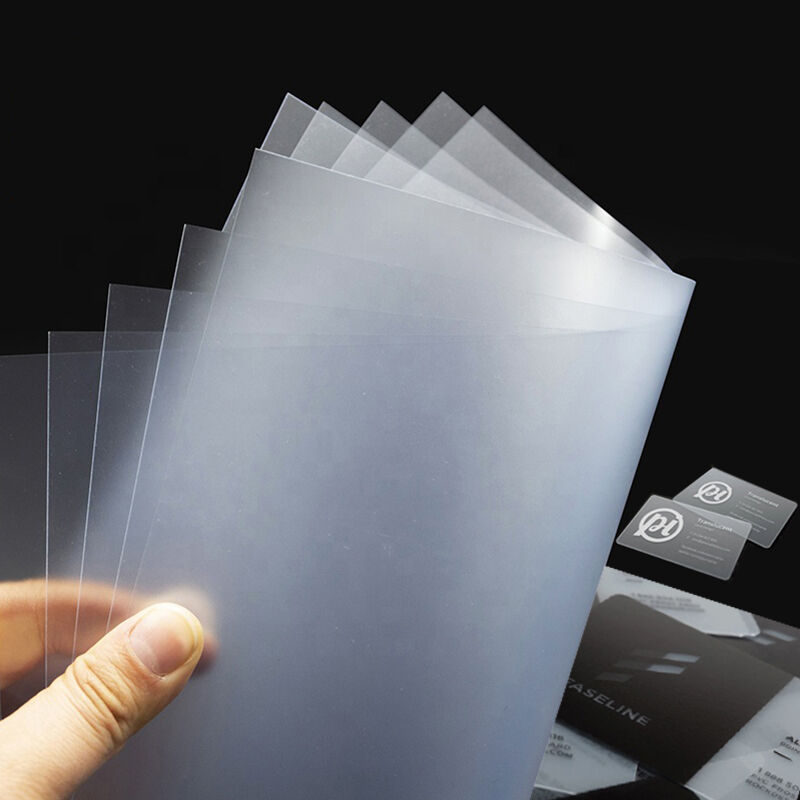
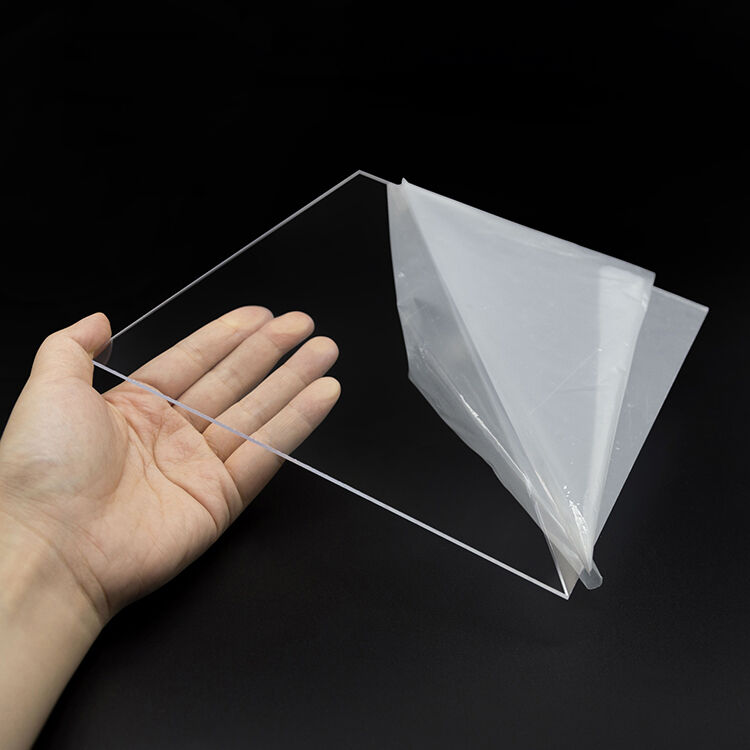
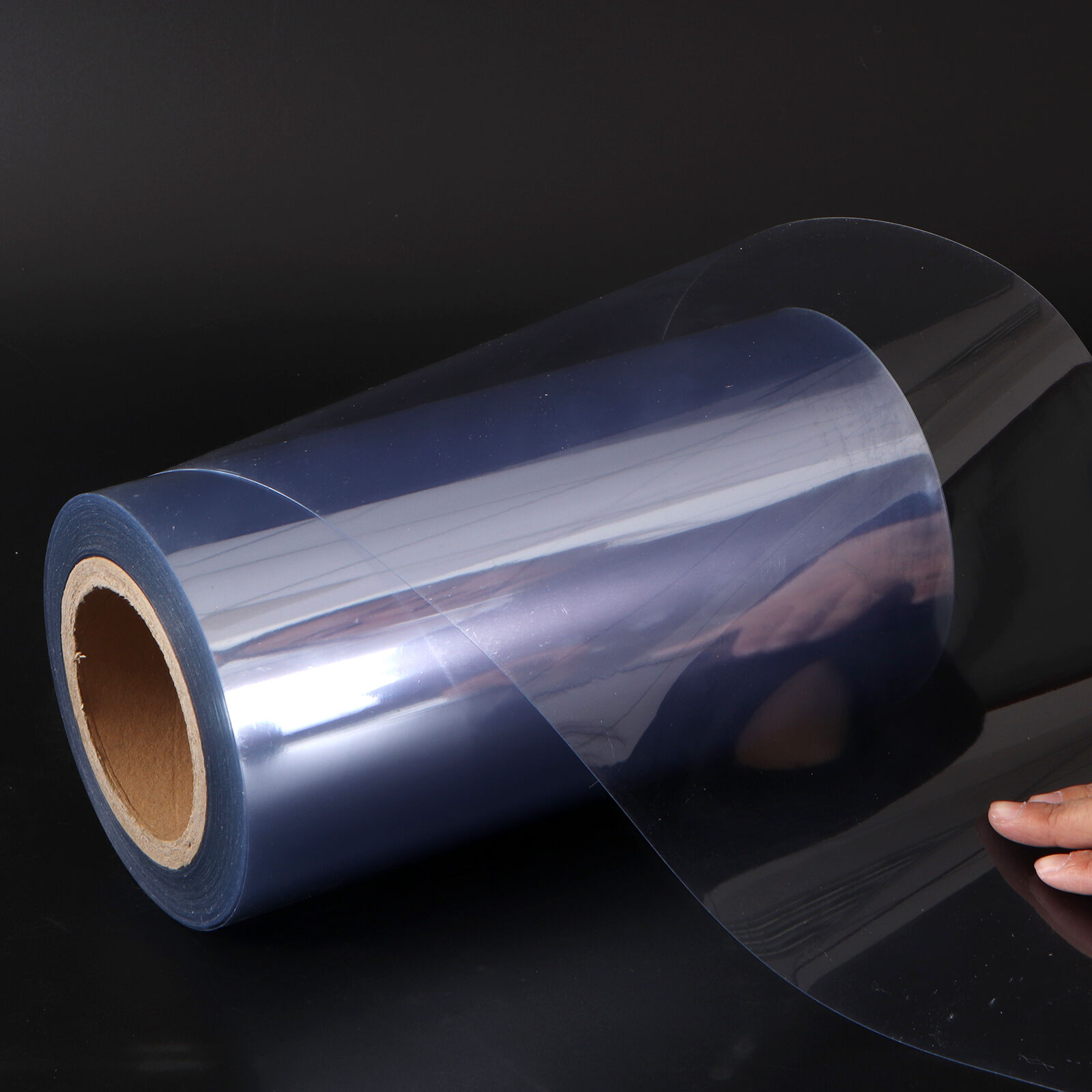
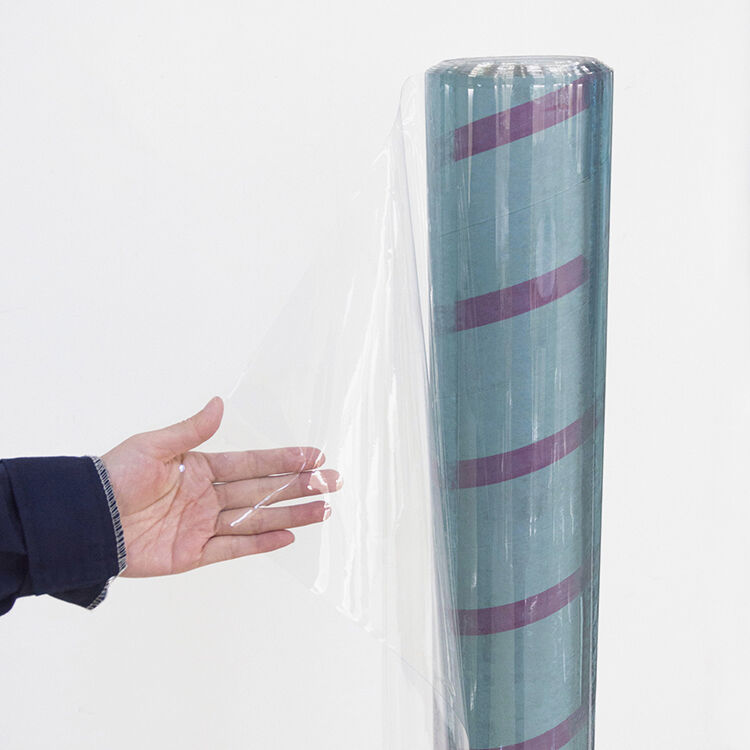
The fabrication versatility of thick clear PVC sheet empowers users to create custom solutions tailored precisely to specific project requirements without the complexity and expense associated with working harder-to-process materials. This thermoplastic material responds well to common fabrication techniques including sawing, drilling, routing, and milling using standard woodworking and metalworking tools, eliminating the need for specialized equipment investments that would increase project costs and limit accessibility for smaller operations and individual users. The material cuts cleanly with circular saws, table saws, and jigsaws equipped with fine-toothed blades, producing smooth edges that require minimal finishing work, which accelerates project completion timelines and reduces labor expenses significantly. Drilling operations proceed smoothly with standard twist drills, allowing easy creation of mounting holes, ventilation openings, and hardware attachment points without the cracking or chipping that plagues more brittle transparent materials during machining operations. The thermoforming capability of thick clear PVC sheet opens tremendous creative possibilities, as the material becomes pliable when heated to appropriate temperatures, enabling bending, shaping, and molding into curves, angles, and three-dimensional forms that would be impossible with rigid materials like glass. This formability allows creation of custom enclosures, curved displays, and complex protective barriers that precisely match unique spatial requirements and design visions. Cold bending techniques work effectively for gentle curves, eliminating heating requirements for simple radius applications and further simplifying fabrication procedures for basic projects. Joining methods include solvent cementing, which creates permanent chemical bonds between pieces of thick clear PVC sheet, mechanical fastening using screws and bolts through pre-drilled holes, and adhesive bonding using appropriate construction adhesives for specific application demands. Edge finishing techniques such as sanding, polishing, and flame polishing restore optical clarity to cut edges, producing professional-looking installations that meet aesthetic standards for commercial and architectural applications. The lightweight nature compared to glass simplifies handling during fabrication and installation, reducing physical strain on workers and minimizing the risk of accidents during transportation and positioning procedures. Installation flexibility accommodates various mounting methods including framing systems, edge clips, standoff hardware, and direct adhesive mounting, allowing integration into existing structures and purpose-built frameworks with equal ease and reliability for successful project outcomes.
 EN
EN