Versatile Fabrication and Installation Flexibility for Custom Solutions
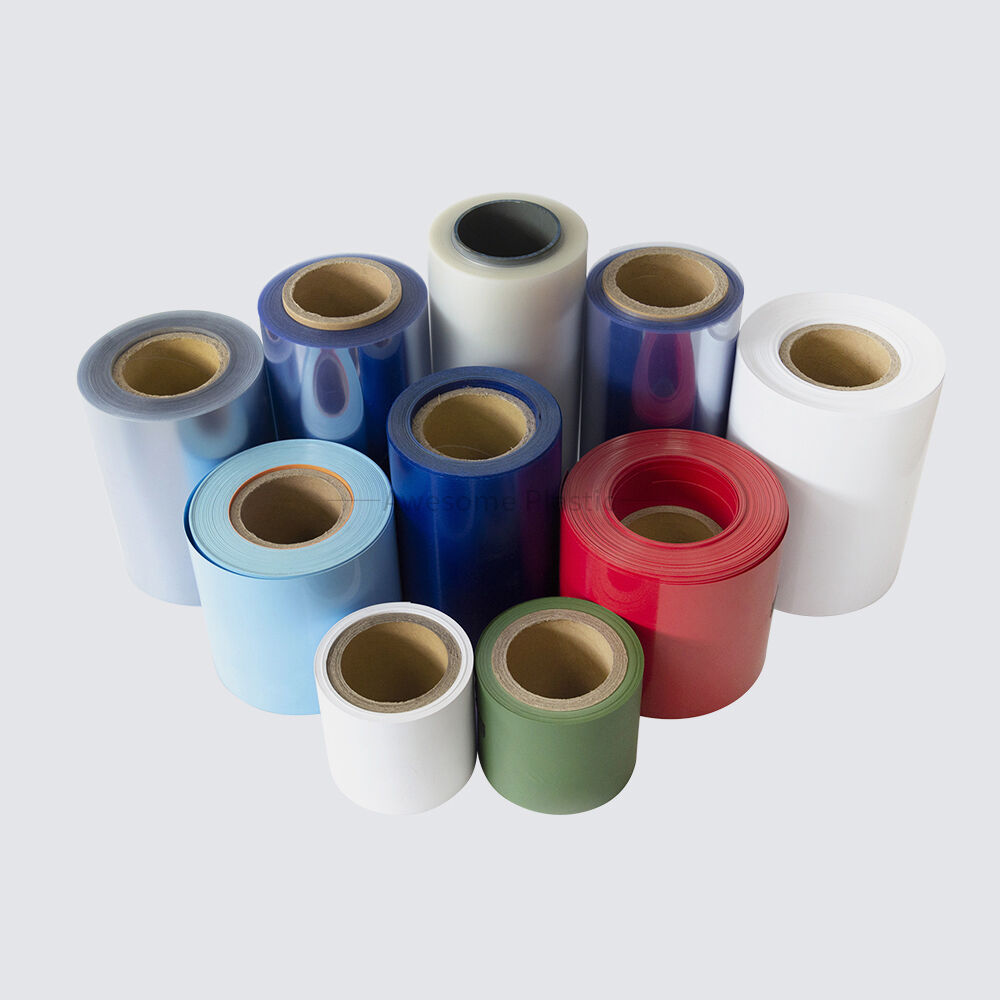
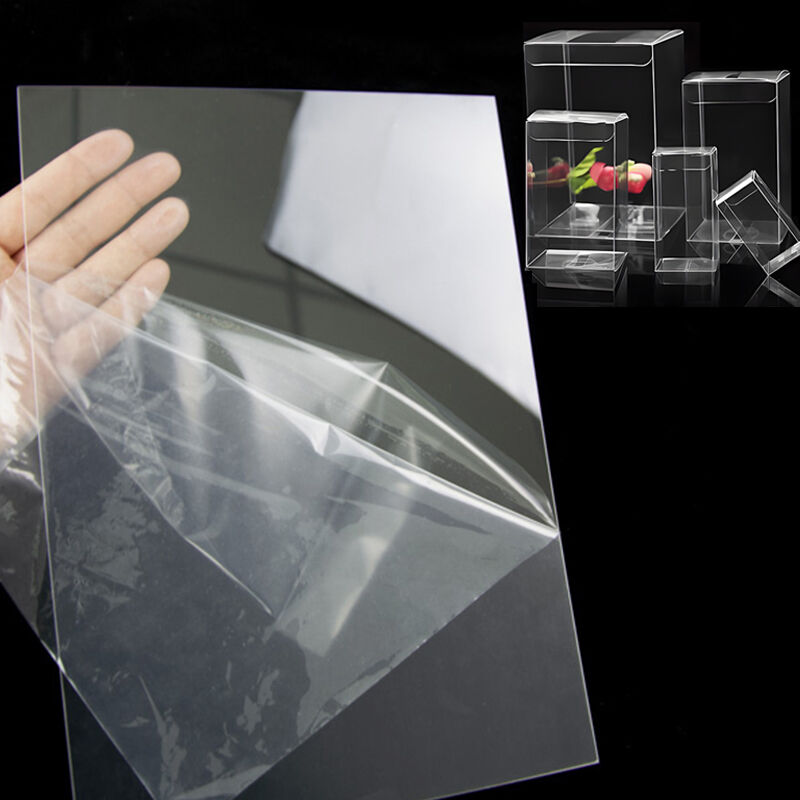
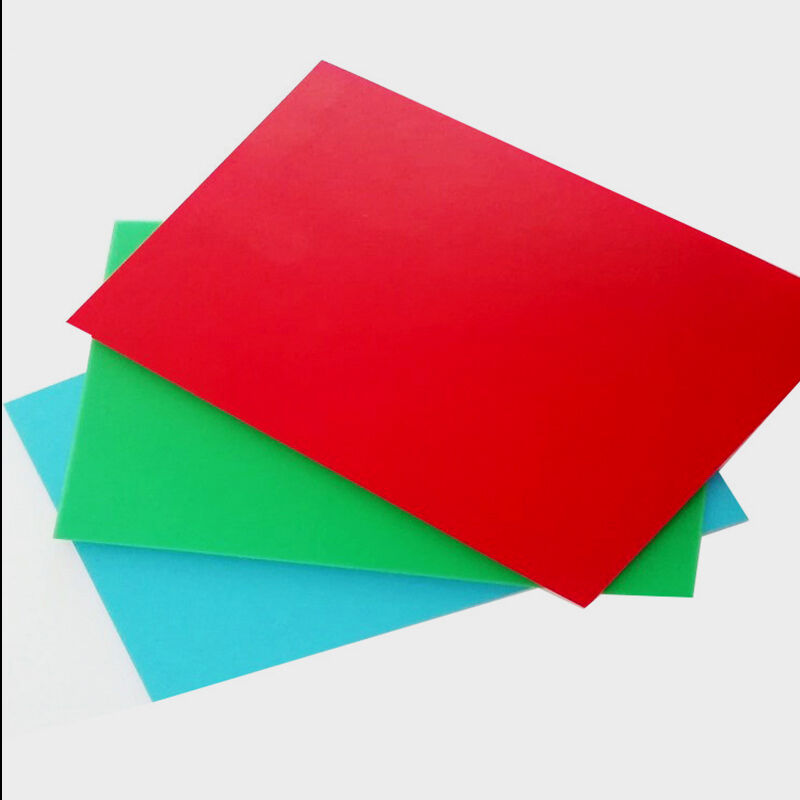
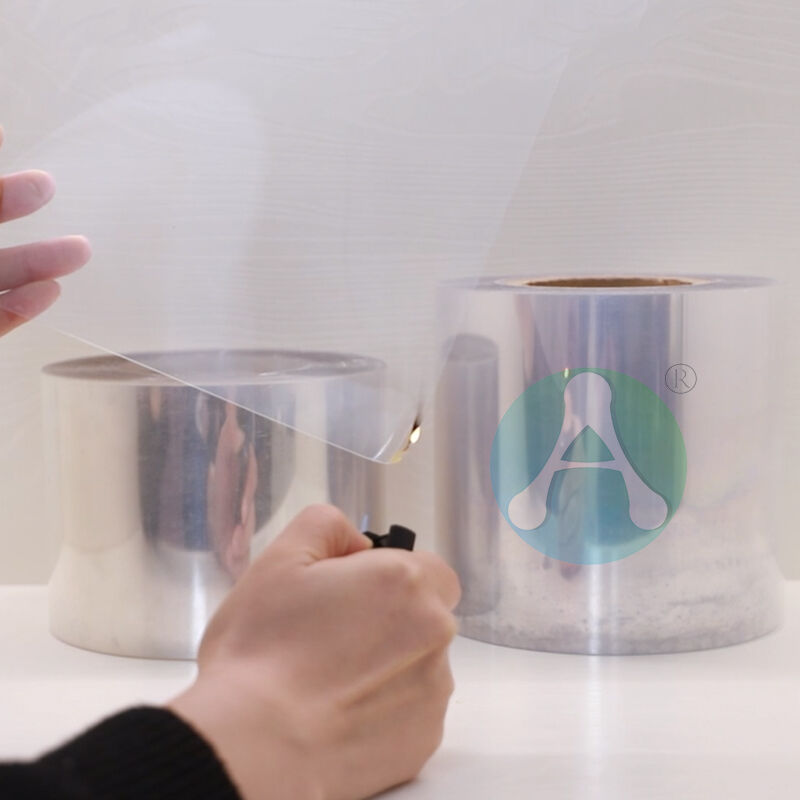
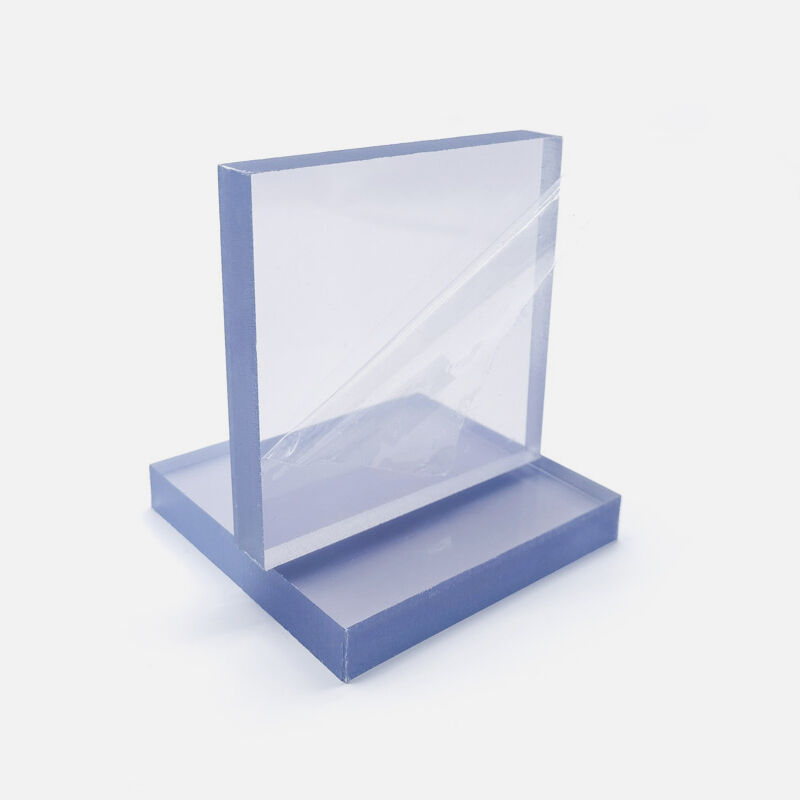
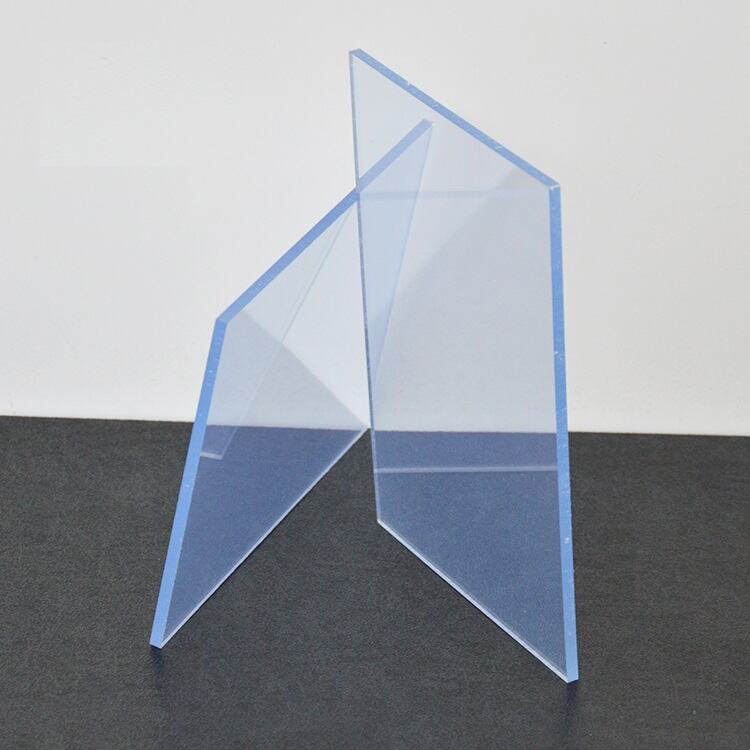
The outstanding fabrication characteristics of pvc board transparent empower designers, builders, and DIY enthusiasts to create custom solutions tailored to specific requirements without specialized equipment or advanced technical skills. Standard woodworking tools effectively cut, drill, and shape the material, eliminating the need for expensive specialized equipment and making projects accessible to broader audiences. This ease of fabrication reduces labor costs and project timelines, allowing faster completion and quicker return on investment for commercial applications. The thermoforming capability enables creation of curved surfaces, domes, and complex three-dimensional shapes through controlled heating and molding processes, expanding design possibilities beyond flat sheet applications. This flexibility proves invaluable for architectural features, product displays, and protective covers requiring non-planar geometries. Cold bending techniques allow gentle curves without heating for applications where thermal processing is impractical or undesirable. The material accepts various joining methods including adhesive bonding, mechanical fastening, and welding techniques, accommodating different structural requirements and assembly preferences. Adhesive compatibility with common construction adhesives and specialized PVC cements ensures secure, weather-resistant joints in permanent installations. Mechanical fastening through screws, bolts, and rivets provides removable connections for applications requiring periodic access or maintenance. The pvc board transparent accommodates edge finishing techniques including polishing, flame polishing, and edge banding that create professional appearances suitable for high-visibility applications. Surface treatments such as printing, painting, and coating adhere well to properly prepared surfaces, enabling branding, decorative effects, and functional modifications like anti-glare or anti-static properties. The material's compatibility with standard glazing systems allows direct replacement of glass in existing frames and structures, simplifying renovation projects. Lightweight properties reduce structural load requirements, potentially eliminating the need for frame reinforcement when replacing heavier materials. Transportation and handling become simpler due to reduced weight, lowering logistics costs and minimizing installation crew size requirements. The material's flexibility allows rolling for transport and storage of larger sheets, reducing space requirements and shipping costs. On-site modifications accommodate field conditions and last-minute design changes without requiring factory returns or custom manufacturing. The pvc board transparent integrates seamlessly with other building materials including wood, metal, and masonry, supporting hybrid construction approaches. Modular panel systems can be created for applications requiring expandability or reconfiguration over time. The material supports both permanent installations and temporary structures, serving events, seasonal uses, and interim facilities effectively.
 EN
EN