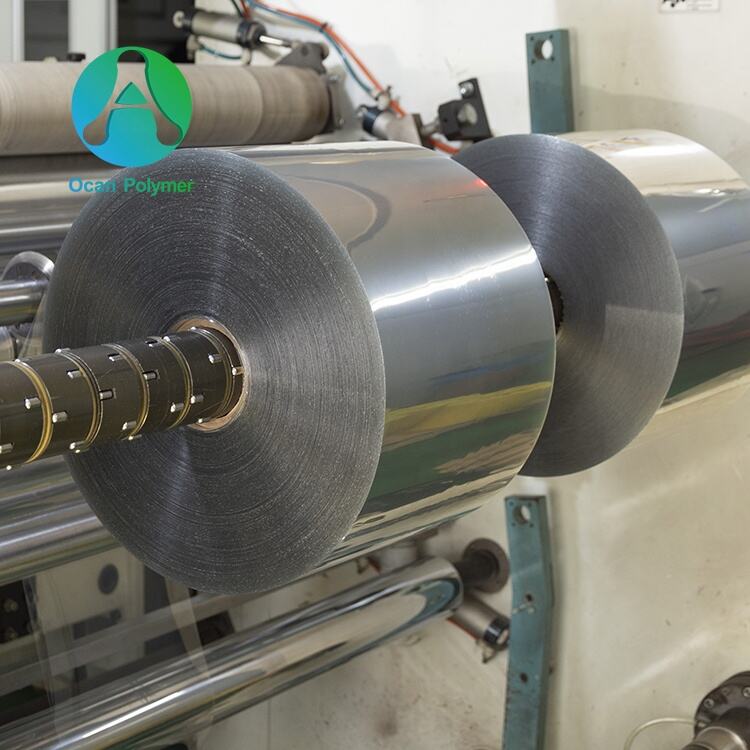
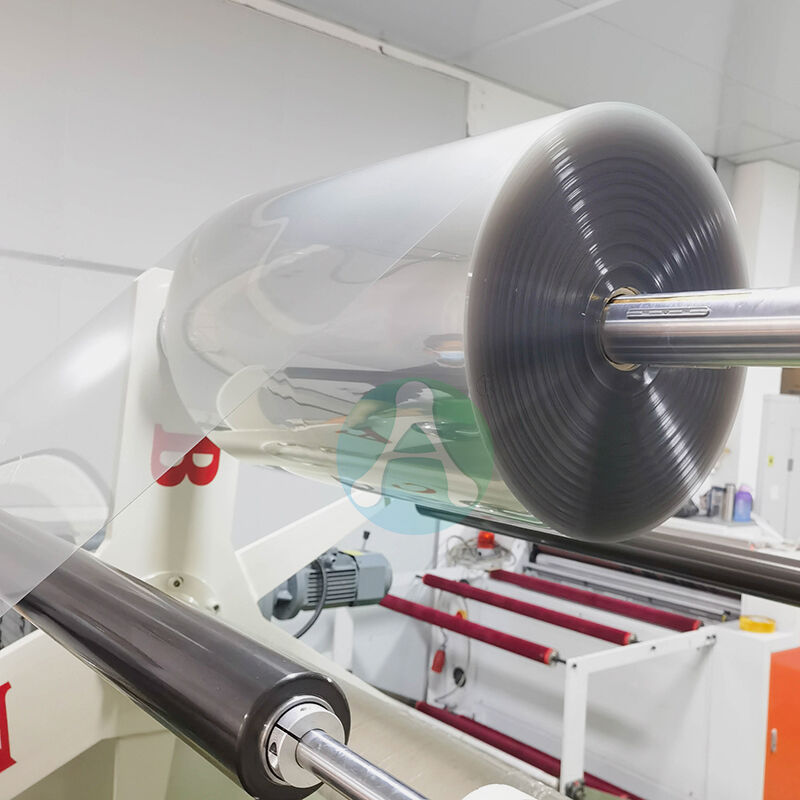
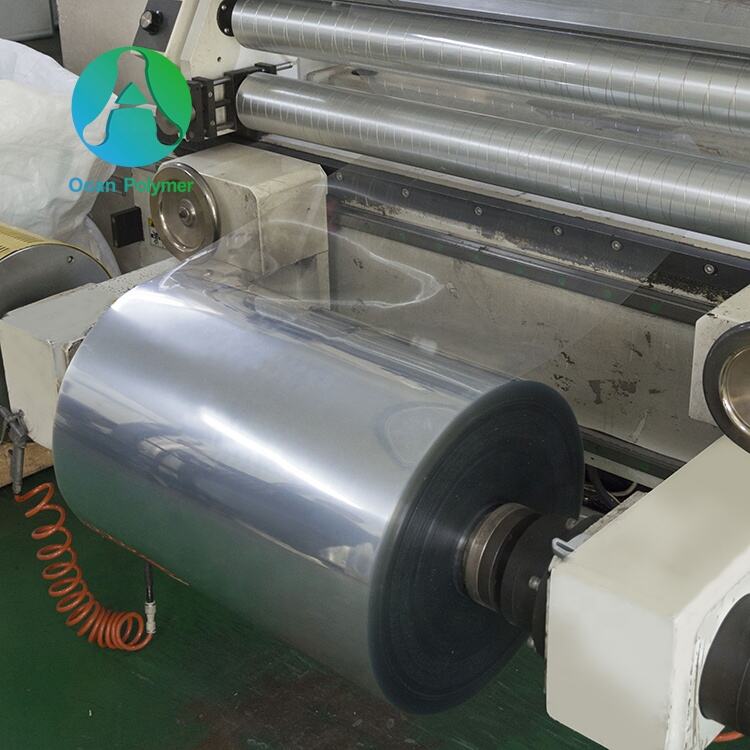
Pet Roll Factory: Advanced Manufacturing Solutions for Quality PET Film Production

Get a Free Quote

Our representative will contact you soon.
Email
Name
Company Name
Mobile/WhatsApp
Message
0/1000

pet roll factory

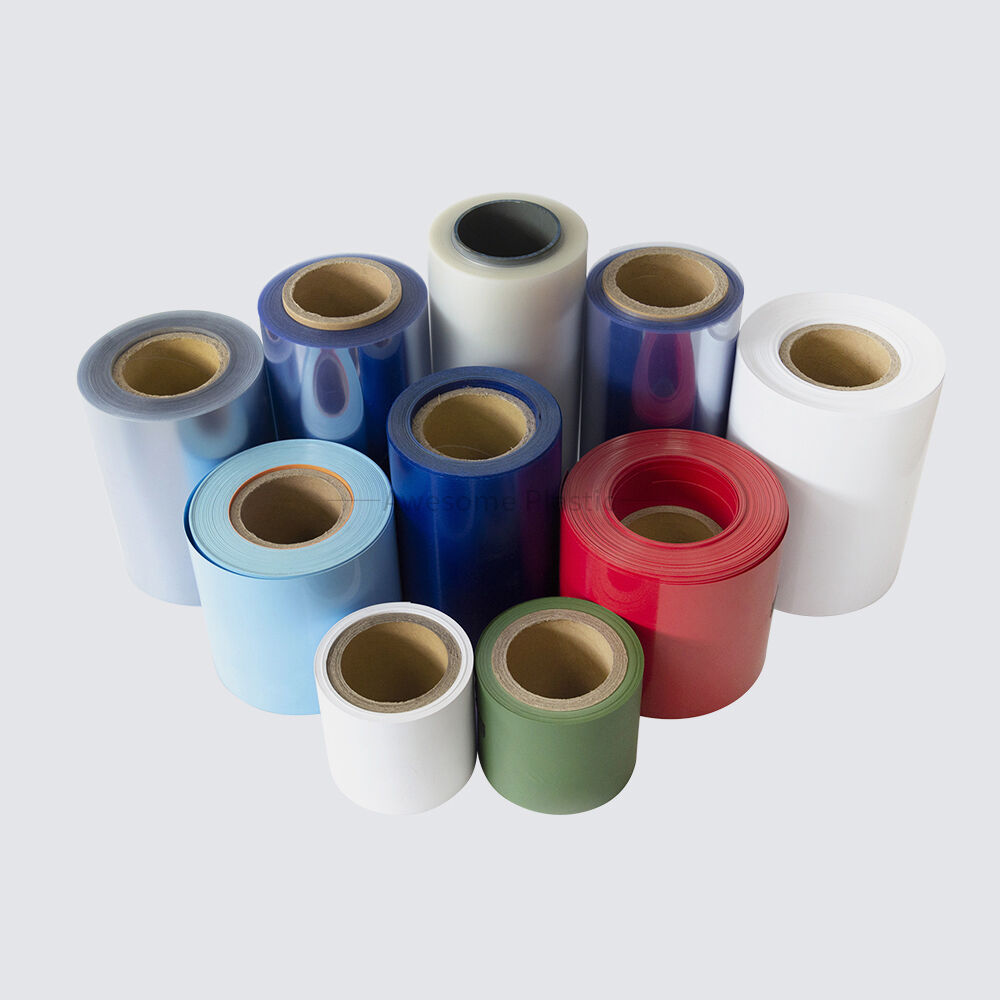
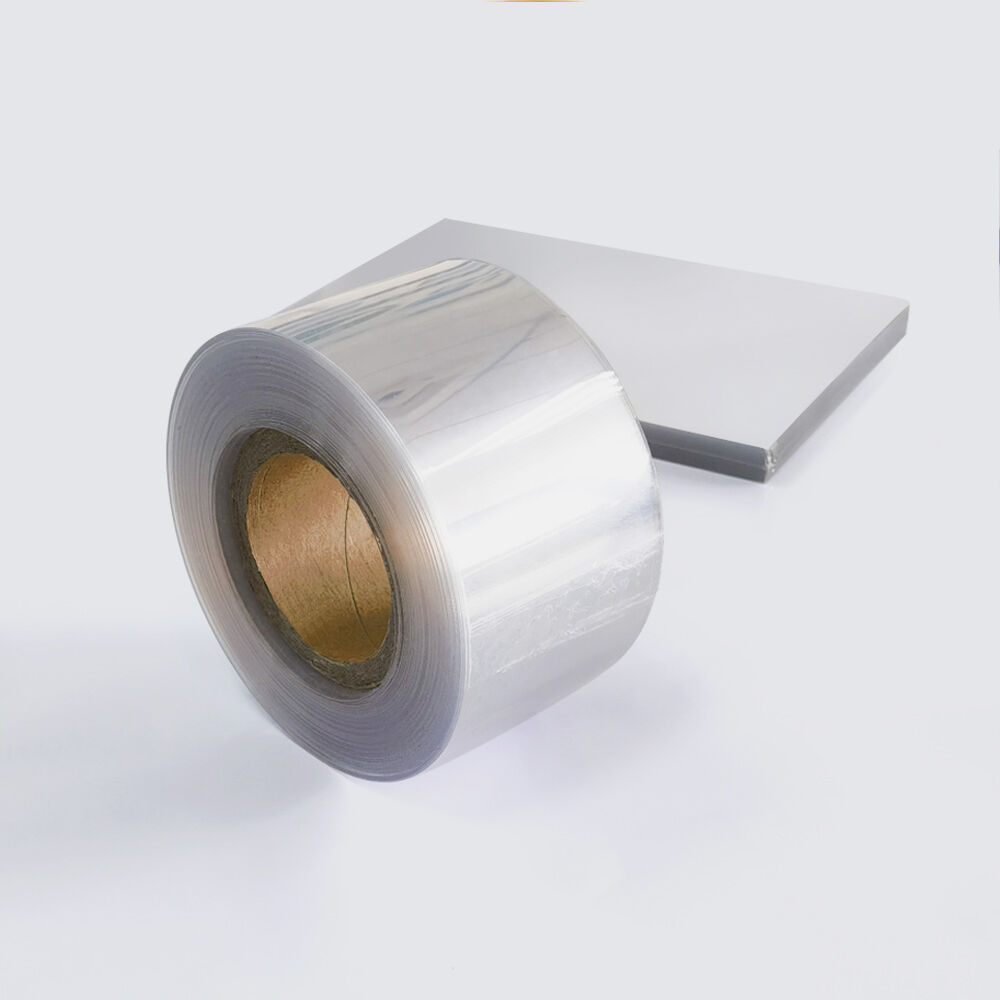
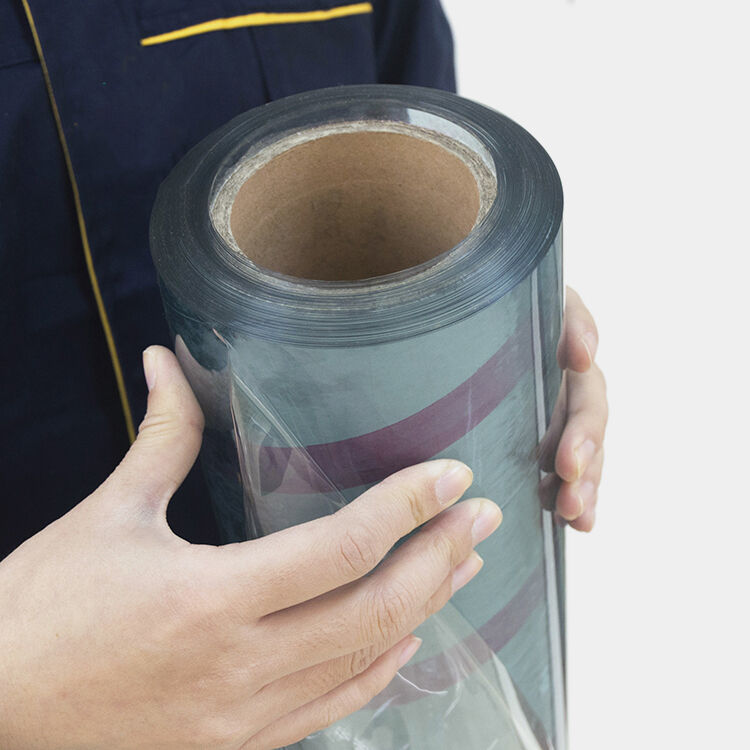
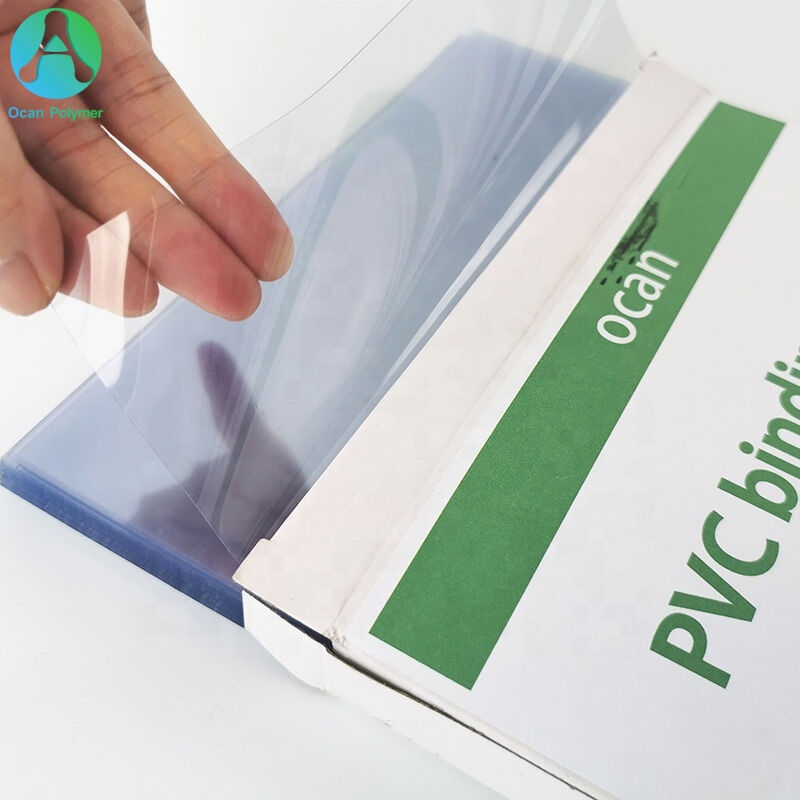
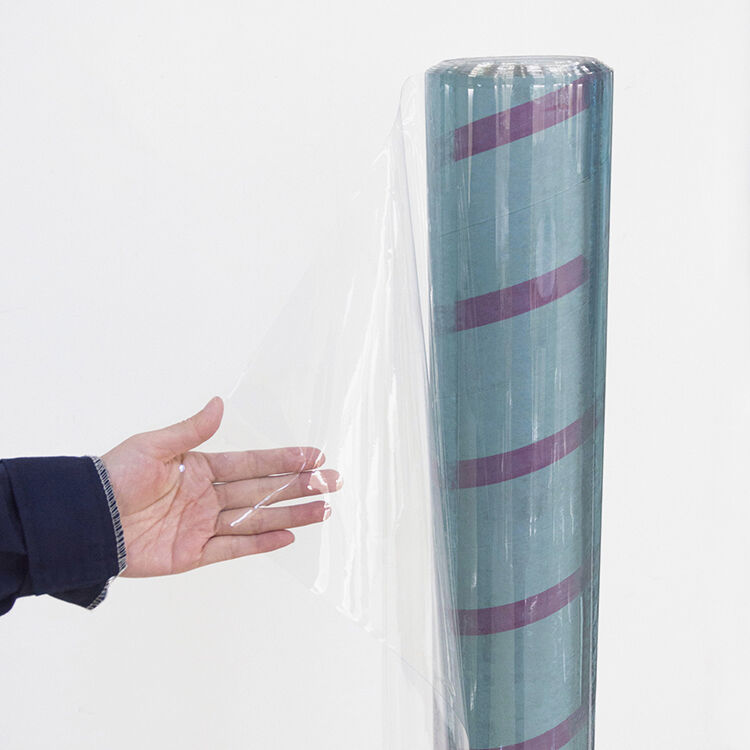
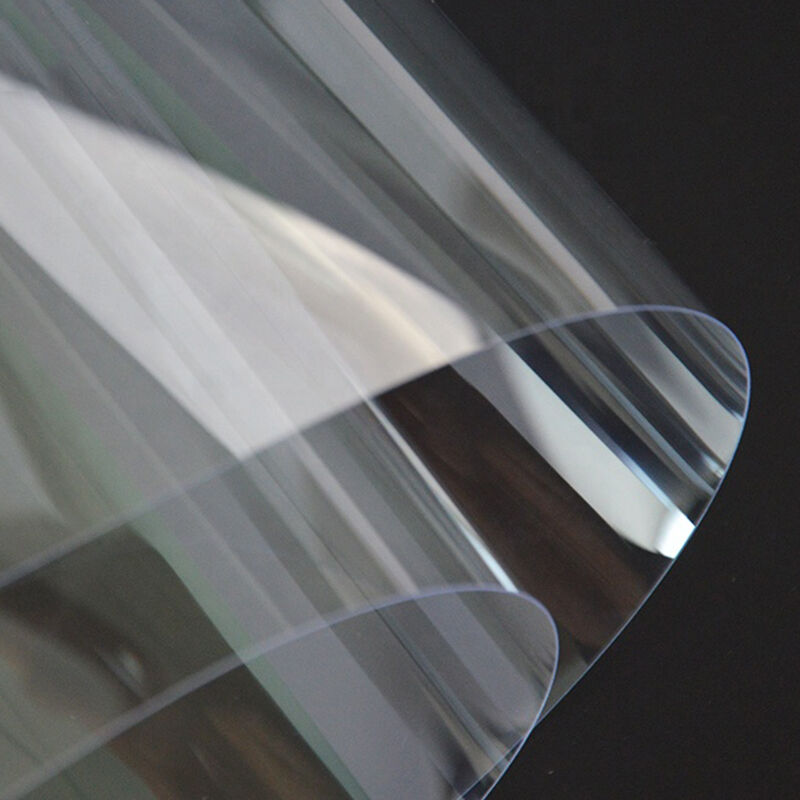
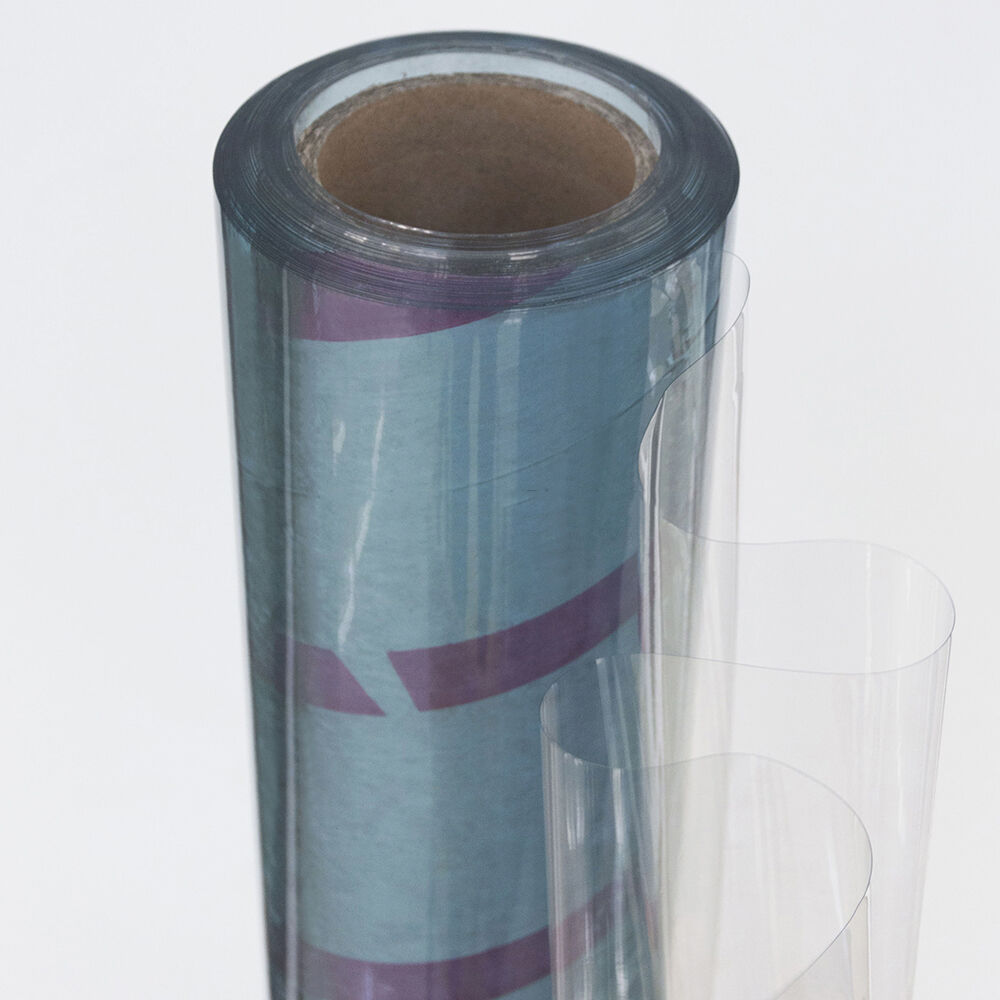
A pet roll factory represents a specialized manufacturing facility dedicated to producing high-quality rolls and films made from polyethylene terephthalate material. This advanced production environment combines cutting-edge extrusion technology with precision engineering to create versatile packaging solutions used across numerous industries. The pet roll factory operates through sophisticated machinery that transforms raw PET resin into thin, durable films through heating, melting, and stretching processes. These facilities typically house multiple production lines capable of producing rolls in various widths, thicknesses, and specifications to meet diverse customer requirements. The main functions of a pet roll factory include raw material processing, film extrusion, quality control testing, slitting operations, and final packaging. Modern facilities integrate automated systems that monitor temperature controls, thickness uniformity, and surface quality throughout the manufacturing process. Technological features within these factories include multi-layer co-extrusion systems, corona treatment units for enhanced surface properties, and computerized tension control mechanisms that ensure consistent product quality. The factories also incorporate recycling capabilities, allowing manufacturers to process post-consumer and post-industrial PET materials into new products, supporting environmental sustainability initiatives. Applications for products manufactured in a pet roll factory span across food packaging, pharmaceutical wrapping, electronics protection, lamination substrates, and industrial applications. The food industry relies heavily on these materials for their excellent barrier properties against moisture and oxygen, while pharmaceutical companies value the material's chemical resistance and sterility maintenance. Electronic manufacturers utilize these rolls for protective films and display applications due to their optical clarity and scratch resistance. The versatility of production capabilities within a pet roll factory enables customization of surface treatments, colors, and special additives to meet specific industry standards and regulatory requirements, making these facilities essential components of modern supply chains.

New Product Releases

Choosing to work with a pet roll factory offers numerous practical benefits that directly impact your business operations and bottom line. First and foremost, these specialized facilities deliver exceptional cost efficiency through economies of scale and optimized production processes. When you partner with an established factory, you gain access to bulk purchasing power for raw materials, which translates into more competitive pricing for your finished products. The streamlined manufacturing approach reduces waste and maximizes material utilization, passing savings directly to customers. Another significant advantage comes from the consistent quality that dedicated facilities provide. Professional factories implement rigorous testing protocols at multiple production stages, ensuring every roll meets specified standards for thickness, strength, and clarity. This reliability eliminates the frustration of dealing with defective materials and reduces costly production interruptions in your operations. The flexibility offered by these factories stands as another compelling benefit. Whether you need small custom orders or large-scale production runs, established facilities can accommodate varying volume requirements without compromising quality or delivery timelines. This adaptability proves invaluable for businesses experiencing seasonal demand fluctuations or testing new product concepts. Speed to market represents a crucial advantage in competitive industries. A well-equipped pet roll factory maintains inventory of common specifications and can quickly scale production to meet urgent orders. Advanced machinery and experienced operators work together to compress lead times, helping you respond rapidly to customer demands and market opportunities. Environmental responsibility has become increasingly important to businesses and consumers alike. Modern factories incorporate sustainable practices including energy-efficient equipment, waste reduction programs, and recycling initiatives. By sourcing from environmentally conscious facilities, you enhance your corporate sustainability profile and appeal to eco-minded customers. Technical support and expertise form another valuable advantage. Factory professionals understand material properties, application requirements, and industry best practices. They can recommend optimal specifications for your specific use case, troubleshoot application challenges, and suggest innovations that improve performance or reduce costs. The comprehensive service approach means you gain a knowledgeable partner rather than just a supplier. Finally, working with a dedicated factory provides supply chain stability. Established facilities maintain reliable production schedules, backup equipment, and contingency plans that protect against disruptions. This dependability allows you to confidently commit to customer deadlines and build a reputation for reliability in your market.

Practical Tips

Why Is Flexible PVC Film Applied in Curtain and Decorative Materials?

15

Apr

Why Is Flexible PVC Film Applied in Curtain and Decorative Materials?

The widespread adoption of Flexible PVC Film in curtain and decorative material applications stems from a unique combination of performance attributes that address both functional and aesthetic requirements in commercial and residential environments....
View More
How Does PVC Sheet Perform in Thermoforming for Custom Packaging Trays?

28

Apr

How Does PVC Sheet Perform in Thermoforming for Custom Packaging Trays?

Thermoforming custom packaging trays from PVC sheet has become a cornerstone process in modern packaging manufacturing, particularly for industries requiring protective, precision-fit containments for delicate products. Understanding how PVC sheet pe...
View More
How Is PC Sheet Used for Light Diffuser Panels in LED Lampshades?

03

Apr

How Is PC Sheet Used for Light Diffuser Panels in LED Lampshades?

Polycarbonate sheet technology has revolutionized the lighting industry by providing an optimal solution for light diffusion in LED lampshade applications. When manufacturers design LED lighting products, they face a critical challenge: converting po...
View More
How Is Flexible PVC Film Used for Tablecloth Manufacturing Applications?

15

Apr

How Is Flexible PVC Film Used for Tablecloth Manufacturing Applications?

Flexible PVC film has become an indispensable material in the tablecloth manufacturing industry, offering manufacturers a versatile solution that combines durability, aesthetic appeal, and functional performance. This synthetic polymer material under...
View More

Get a Free Quote

Our representative will contact you soon.
Email
Name
Company Name
Mobile/WhatsApp
Message
0/1000

pet roll factory

Advanced Manufacturing Technology and Quality Assurance Systems

Advanced Manufacturing Technology and Quality Assurance Systems

The cornerstone of any superior pet roll factory lies in its commitment to advanced manufacturing technology and comprehensive quality assurance systems that guarantee exceptional product performance. Modern facilities invest heavily in state-of-the-art extrusion equipment featuring precision temperature controls, automated feedback systems, and multi-zone heating capabilities that ensure optimal material flow and molecular orientation. These sophisticated machines operate with computerized control panels that allow operators to fine-tune parameters in real-time, adjusting for variables such as ambient humidity, material batch variations, and specific customer requirements. The quality assurance infrastructure within professional factories extends far beyond basic visual inspections. Dedicated testing laboratories equipped with specialized instruments measure critical properties including tensile strength, elongation percentages, haze levels, and oxygen transmission rates. These measurements occur continuously throughout production, with automated systems flagging any deviations from established tolerances before significant material waste occurs. Surface quality receives particular attention through corona treatment monitoring, ensuring proper ink adhesion and lamination bonding for downstream processing applications. Thickness uniformity across the entire roll width stands as a critical quality parameter that separates exceptional factories from average producers. Advanced factories employ laser measurement systems that scan continuously across the film width, providing real-time feedback to automated die adjustment systems that maintain specifications within microns. This technological sophistication eliminates the common problems of edge-to-center thickness variations that plague lower-quality producers. The integration of Industry 4.0 principles brings additional advantages through data analytics and predictive maintenance protocols. Smart sensors throughout the production line collect operational data that artificial intelligence systems analyze to identify optimization opportunities and predict potential equipment issues before failures occur. This proactive approach maximizes uptime, reduces emergency maintenance costs, and ensures consistent production schedules that customers can depend upon. Documentation and traceability systems provide complete production histories for every roll manufactured, supporting quality investigations and regulatory compliance requirements in industries such as food packaging and medical applications.
Customization Capabilities and Application-Specific Solutions

Customization Capabilities and Application-Specific Solutions

A distinguishing characteristic of premier pet roll factory operations is their extensive customization capabilities and deep understanding of application-specific requirements across diverse industries. Rather than offering one-size-fits-all products, sophisticated factories work collaboratively with customers to develop tailored solutions that address unique performance challenges and operational constraints. This consultative approach begins with detailed application analysis where factory engineers examine the intended use environment, processing equipment requirements, performance expectations, and regulatory considerations that impact material selection. The customization process encompasses multiple dimensions including thickness variations ranging from ultra-thin films for flexible electronics to heavier gauges for industrial applications. Width specifications can be precisely matched to customer converting equipment, eliminating waste from edge trimming and maximizing material utilization. Surface treatment customization allows factories to modify corona levels, apply specialized coatings, or incorporate additives that enhance specific properties such as UV resistance, anti-static performance, or slip characteristics. Color matching capabilities enable factories to produce tinted or opaque films that meet brand standards or provide light-blocking protection for photosensitive products. Advanced factories maintain extensive additive libraries and can incorporate materials that provide antimicrobial properties for food contact applications, flame retardants for electrical uses, or clarifying agents that enhance optical properties for display applications. The ability to produce multi-layer structures through co-extrusion technology opens additional customization possibilities, combining different material grades to optimize barrier properties, strength characteristics, and surface functionality within a single film structure. Core size selection, roll diameter specifications, and packaging configurations can all be customized to match customer handling equipment and storage constraints. Small-scale trial runs allow customers to validate performance in actual production environments before committing to large volume orders. This risk-reduction approach proves particularly valuable when transitioning from competitive materials or launching new product lines. Technical documentation support includes providing detailed specification sheets, regulatory compliance certifications, and application guidance that helps customers optimize their converting processes and achieve desired end-product performance.
Sustainability Initiatives and Environmental Responsibility

Sustainability Initiatives and Environmental Responsibility

Environmental stewardship has evolved from optional corporate responsibility to essential business practice, and leading pet roll factory operations distinguish themselves through comprehensive sustainability initiatives that deliver measurable environmental benefits while maintaining product quality and cost competitiveness. The sustainability journey begins with raw material sourcing strategies that prioritize recycled content without compromising performance characteristics. Advanced factories have developed expertise in processing post-consumer PET bottles and post-industrial scrap into high-quality films suitable for demanding applications. This circular economy approach diverts waste from landfills while reducing dependence on virgin petroleum-based materials. The technical challenges of working with recycled content are substantial, requiring sophisticated cleaning systems, contamination detection equipment, and precise blending protocols that maintain consistent material properties batch after batch. Energy consumption represents a major environmental impact area where innovative factories have achieved impressive improvements through equipment upgrades and process optimization. Modern extrusion systems incorporate heat recovery mechanisms that capture waste thermal energy and redirect it to preheat incoming materials or support facility heating requirements. Variable frequency drives on motors adjust energy consumption to actual demand rather than running at constant maximum capacity. LED lighting retrofits, improved insulation, and smart building management systems further reduce facility energy footprints. Progressive factories establish quantified energy reduction targets and transparently report progress against these goals. Water conservation programs address another critical environmental consideration. Cooling systems have been redesigned to operate in closed-loop configurations that recirculate water rather than consuming and discharging fresh supplies. When water discharge is necessary, treatment systems ensure effluent meets or exceeds regulatory standards. Waste reduction extends beyond material recycling to encompass packaging optimization, with factories working to minimize corrugate usage, eliminate unnecessary packaging components, and design shipping configurations that maximize trailer utilization and reduce transportation emissions. Many facilities have achieved third-party environmental certifications such as ISO 14001, demonstrating systematic approaches to environmental management and continuous improvement commitments. These certifications provide customers with verified evidence of environmental responsibility that supports their own sustainability reporting requirements and corporate responsibility goals. The transparency and measurable impact of these initiatives create meaningful value for environmentally conscious customers and differentiate responsible manufacturers in increasingly competitive markets.

Get a Free Quote

Our representative will contact you soon.
Email
Name
Company Name
Mobile/WhatsApp
Message
0/1000