High Density PVC Foam Board - Durable, Versatile, Lightweight Building Material Solution

Get a Free Quote

Our representative will contact you soon.
Email
Name
Company Name
Mobile/WhatsApp
Message
0/1000

high density pvc foam board

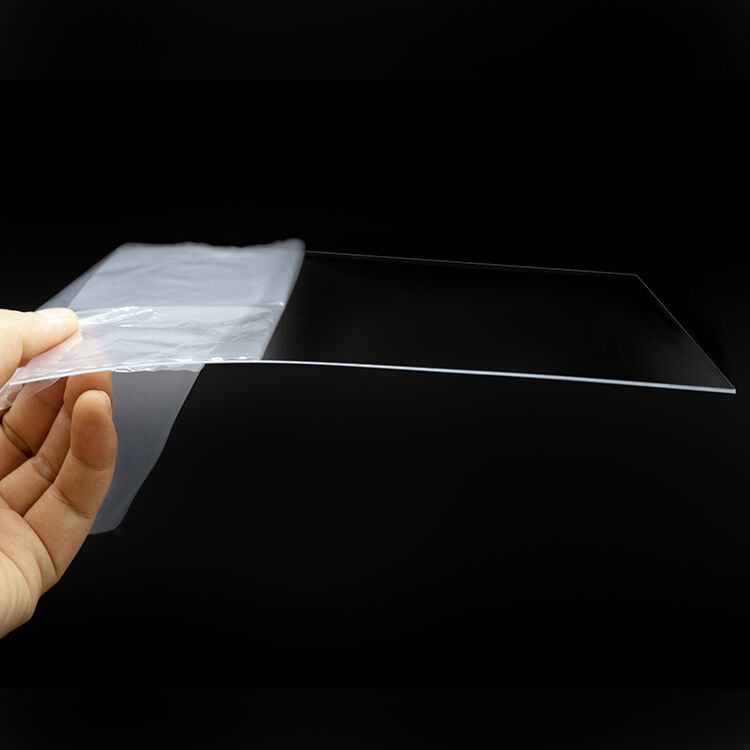
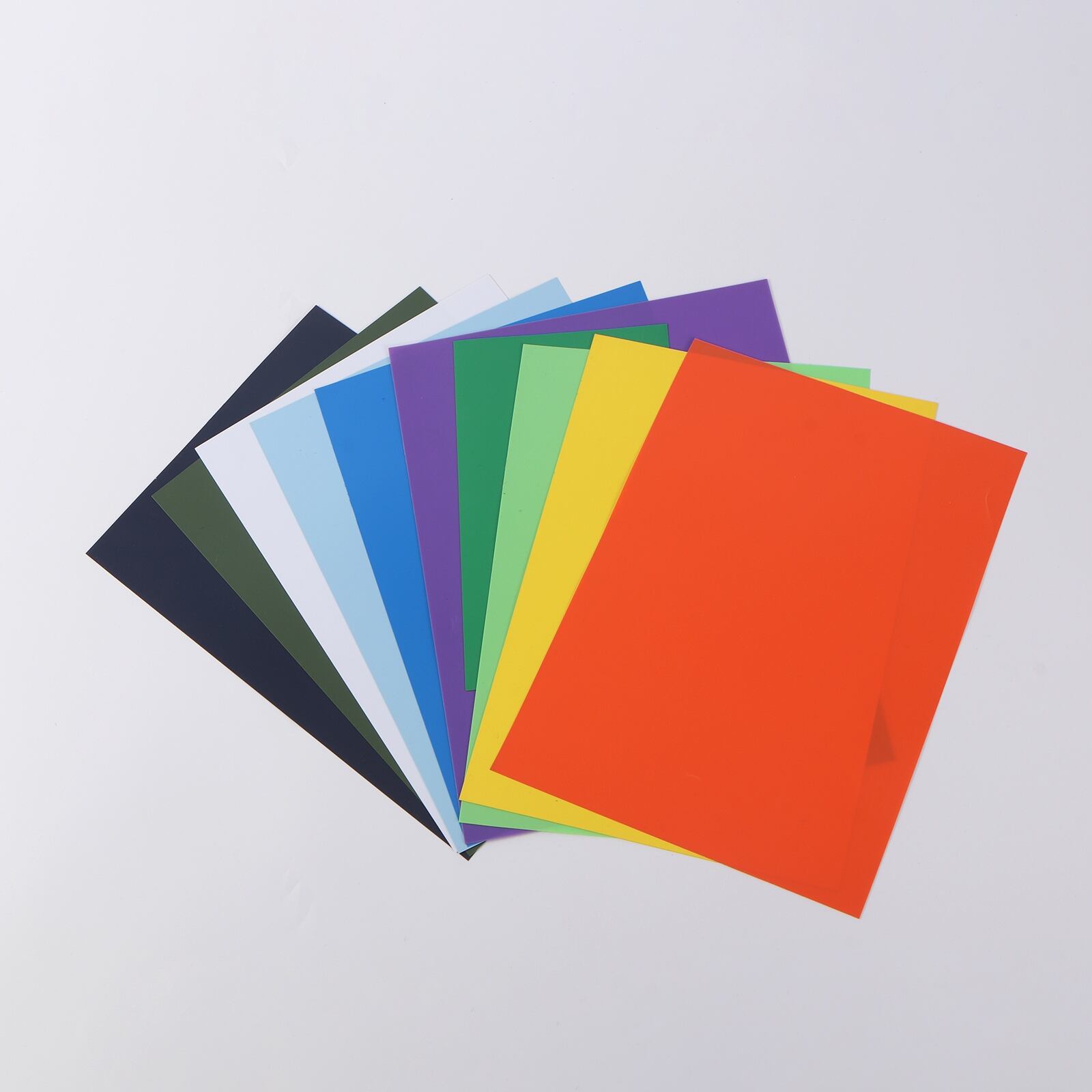
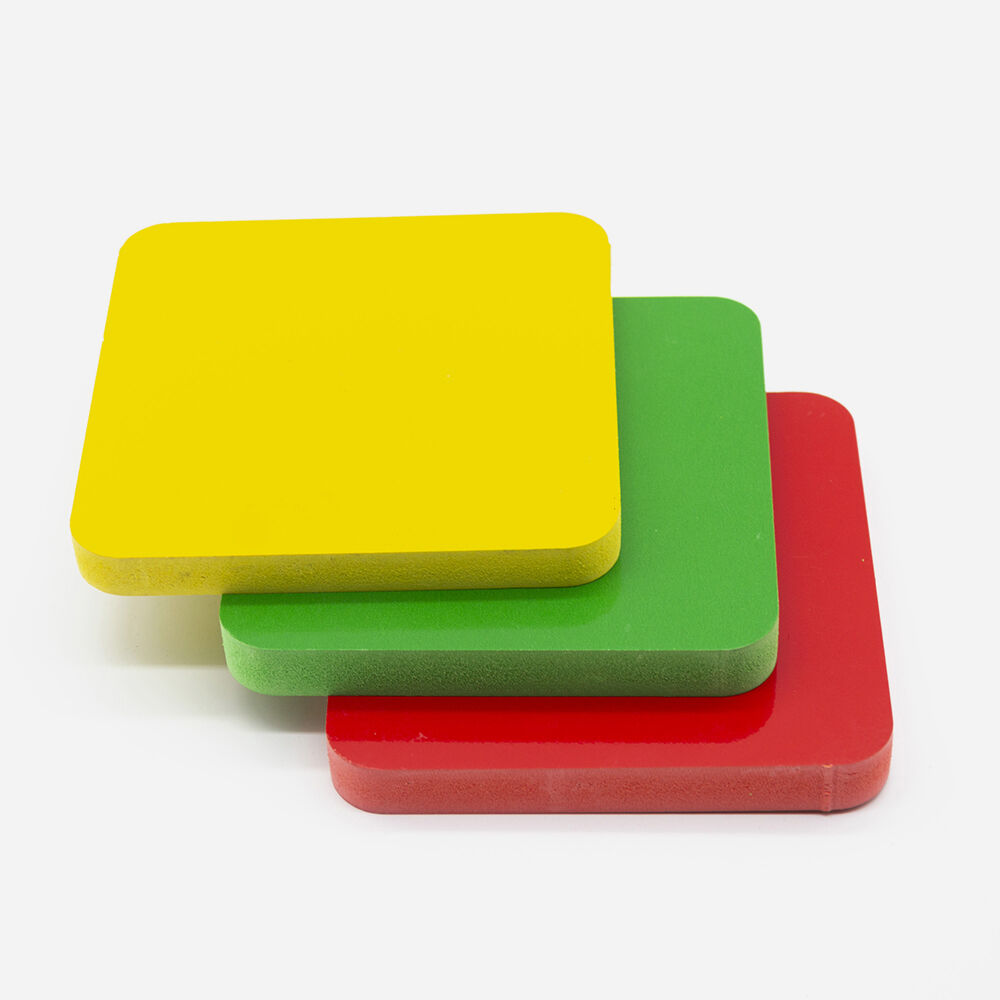
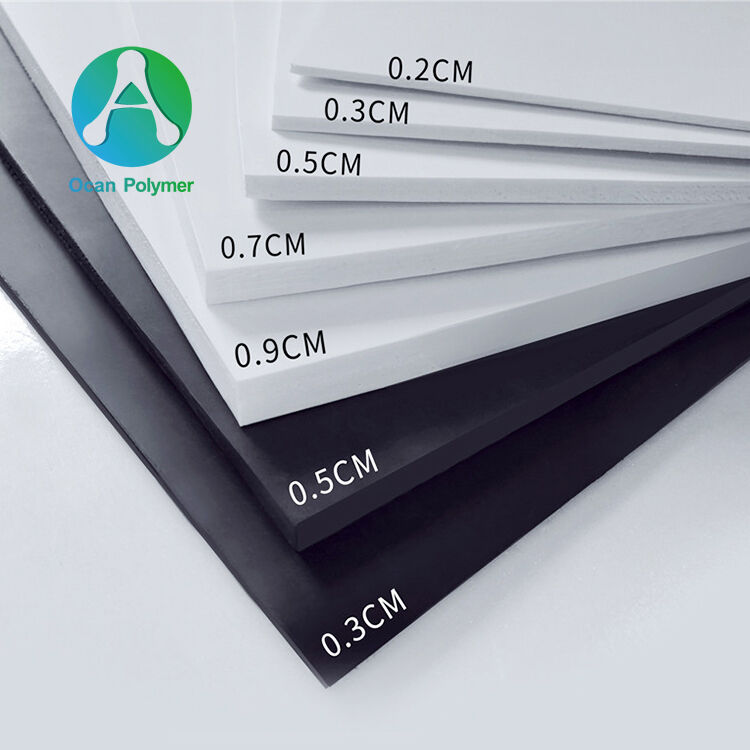
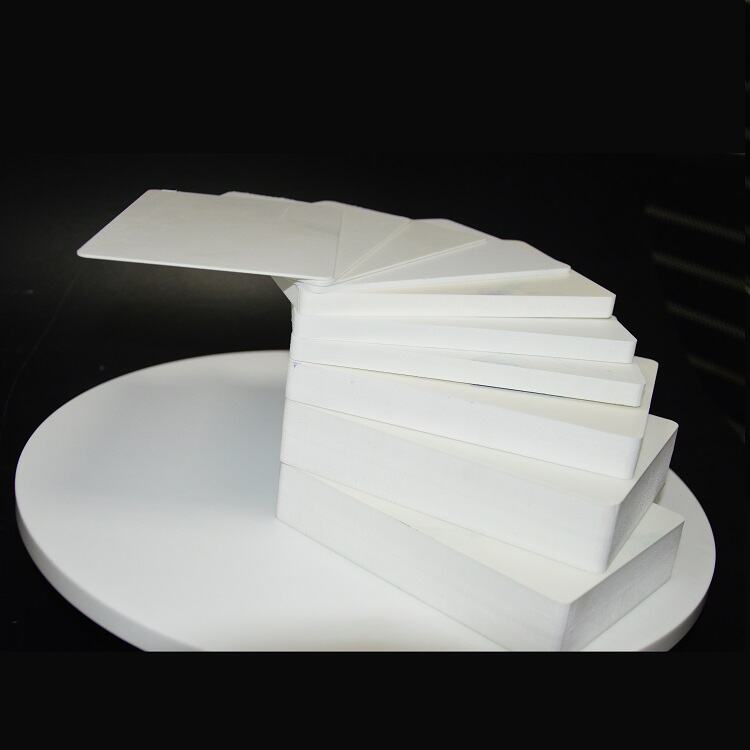
High density PVC foam board represents a revolutionary building and fabrication material that combines lightweight properties with exceptional structural integrity. This engineered material consists of closed-cell polyvinyl chloride foam that has been manufactured through advanced extrusion processes to achieve superior density levels, typically ranging from 0.6 to 0.9 grams per cubic centimeter. The manufacturing process involves precise temperature control and chemical formulation to create a uniform cellular structure that delivers consistent performance across every square inch of the board. The material features a smooth, non-porous surface that resists moisture penetration while maintaining dimensional stability under varying environmental conditions. High density PVC foam board serves multiple industries including construction, signage, marine applications, furniture manufacturing, and exhibition displays. Its main functions include providing a durable substrate for printing and graphics, offering thermal insulation for building applications, serving as a lightweight alternative to traditional wood and metal materials, and delivering exceptional machinability for custom fabrication projects. The technological features of this material include excellent chemical resistance to most acids, alkalis, and solvents, superior flame retardant properties that meet stringent safety standards, and outstanding weatherability that ensures long-term performance in outdoor environments. The closed-cell structure prevents water absorption, making it ideal for humid conditions and marine environments where traditional materials would deteriorate. The board can be easily cut, routed, drilled, and shaped using standard woodworking tools, allowing fabricators to create complex designs without specialized equipment. Applications span across architectural trim work, cabinet construction, point-of-purchase displays, screen printing substrates, thermoforming projects, and decorative wall panels. The material accepts various finishes including paints, laminates, vinyl wraps, and digital printing, providing designers with unlimited creative possibilities for both functional and aesthetic purposes.

Popular Products

Choosing high density PVC foam board delivers numerous practical benefits that directly impact project outcomes and long-term value. First, the material offers exceptional durability that outlasts traditional alternatives by years, reducing replacement costs and maintenance expenses significantly. The dense cellular structure resists impact damage, scratches, and dents that would compromise lesser materials, ensuring your investment maintains its appearance and functionality throughout its service life. Second, the lightweight nature of this board simplifies handling, transportation, and installation processes, cutting labor costs and reducing physical strain on workers. A standard sheet weighs considerably less than plywood or medium-density fiberboard of equivalent dimensions, yet provides comparable or superior strength for most applications. Third, the moisture resistance built into every high density PVC foam board eliminates concerns about warping, swelling, rotting, or delamination that plague wood-based products in humid environments. This characteristic proves invaluable for bathroom installations, kitchen applications, outdoor signage, and marine projects where water exposure is inevitable. Fourth, the material requires no special treatment or sealing before use, arriving ready for immediate fabrication and installation, which accelerates project timelines and reduces preparation costs. Fifth, the smooth, uniform surface texture accepts adhesives readily and provides an ideal substrate for lamination, painting, or vinyl application without additional priming or surface preparation in most cases. Sixth, the chemical resistance inherent in high density PVC foam board protects against degradation from cleaning agents, industrial chemicals, and environmental pollutants that would damage alternative materials. Seventh, the flame retardant properties provide peace of mind for commercial applications where fire safety regulations demand materials that resist ignition and limit flame spread. Eighth, the thermal insulation value contributes to energy efficiency in building applications, helping reduce heating and cooling costs over time. Ninth, the material remains stable across temperature extremes, neither becoming brittle in cold conditions nor softening in heat like some thermoplastics. Tenth, the recyclability of PVC means responsible disposal options exist at end of life, supporting environmental sustainability goals. Eleventh, the cost-effectiveness becomes apparent when comparing the total lifecycle expenses rather than just initial purchase price, as the longevity and minimal maintenance requirements deliver superior return on investment. Finally, the versatility of high density PVC foam board allows it to replace multiple different materials in various applications, simplifying inventory management and reducing the learning curve for fabricators who can apply consistent techniques across diverse projects.

Practical Tips

Why Is Flexible PVC Film Applied in Curtain and Decorative Materials?

15

Apr

Why Is Flexible PVC Film Applied in Curtain and Decorative Materials?

The widespread adoption of Flexible PVC Film in curtain and decorative material applications stems from a unique combination of performance attributes that address both functional and aesthetic requirements in commercial and residential environments....
View More
Why Do Factories Use PVC Sheet for Electronic Component Packaging?

24

Apr

Why Do Factories Use PVC Sheet for Electronic Component Packaging?

Electronic component packaging demands materials that combine protective performance with economic viability, and PVC sheet for electronic component packaging has become an industry standard for good reason. Factories worldwide rely on this versatile...
View More
Why Is Acrylic Sheet Applied in Advertising Light Boxes and Sign Boards?

01

May

Why Is Acrylic Sheet Applied in Advertising Light Boxes and Sign Boards?

Advertising light boxes and sign boards are essential visual communication tools in modern commercial environments, found everywhere from shopping malls and airports to storefronts and exhibition halls. The material chosen for these applications must...
View More
How Is PVC Foam Board Used for Advertising Sign Boards in Indoor Displays?

05

May

How Is PVC Foam Board Used for Advertising Sign Boards in Indoor Displays?

Indoor advertising sign boards require materials that combine lightweight construction, visual clarity, and long-term durability without compromising design flexibility. PVC foam board has emerged as a preferred substrate for businesses seeking cost-...
View More

Get a Free Quote

Our representative will contact you soon.
Email
Name
Company Name
Mobile/WhatsApp
Message
0/1000

high density pvc foam board

Superior Structural Performance and Longevity

Superior Structural Performance and Longevity

The structural capabilities of high density PVC foam board set it apart from conventional materials through a unique combination of strength, rigidity, and flexibility that adapts to demanding applications. The engineered cellular structure distributes stress evenly throughout the material, preventing the concentration points that lead to failure in solid materials. This distribution mechanism allows the board to absorb impacts without cracking or breaking, making it ideal for high-traffic environments where accidental bumps and collisions occur regularly. The material maintains its structural integrity across a wide temperature range, from freezing conditions to temperatures exceeding 140 degrees Fahrenheit, without experiencing the expansion and contraction cycles that stress joints and fasteners in other materials. This thermal stability proves critical for exterior applications where daily temperature fluctuations would cause wood to warp and metal to expand, leading to fastener failure and structural compromise. The closed-cell architecture prevents moisture infiltration at the molecular level, eliminating the primary cause of material degradation in building products. Unlike wood that absorbs moisture and begins rotting from the inside out, or particleboard that swells and loses all structural value when wet, high density PVC foam board maintains its dimensions and strength even after prolonged water exposure. Field tests have demonstrated that boards submerged in water for extended periods emerge unchanged, ready to return to service immediately after drying the surface. The material resists biological attack from insects, fungi, and bacteria that consume organic materials, ensuring that structural performance remains consistent for decades rather than years. The inherent UV resistance built into quality formulations prevents the photodegradation that causes plastics to become chalky and brittle over time, maintaining both appearance and mechanical properties throughout years of sun exposure. The rigidity of high density PVC foam board allows it to span distances and support loads that would require thicker sections of lower-density alternatives, optimizing material usage and reducing weight in structural applications. Fabricators appreciate how the material holds screws and fasteners securely without splitting or stripping, unlike particleboard which crumbles around fasteners under stress. The dimensional stability ensures that precision-fitted assemblies maintain their tolerances over time, critical for applications like cabinet doors, drawer fronts, and fitted panels where gaps and misalignment create aesthetic and functional problems.
Unmatched Versatility for Creative Applications

Unmatched Versatility for Creative Applications

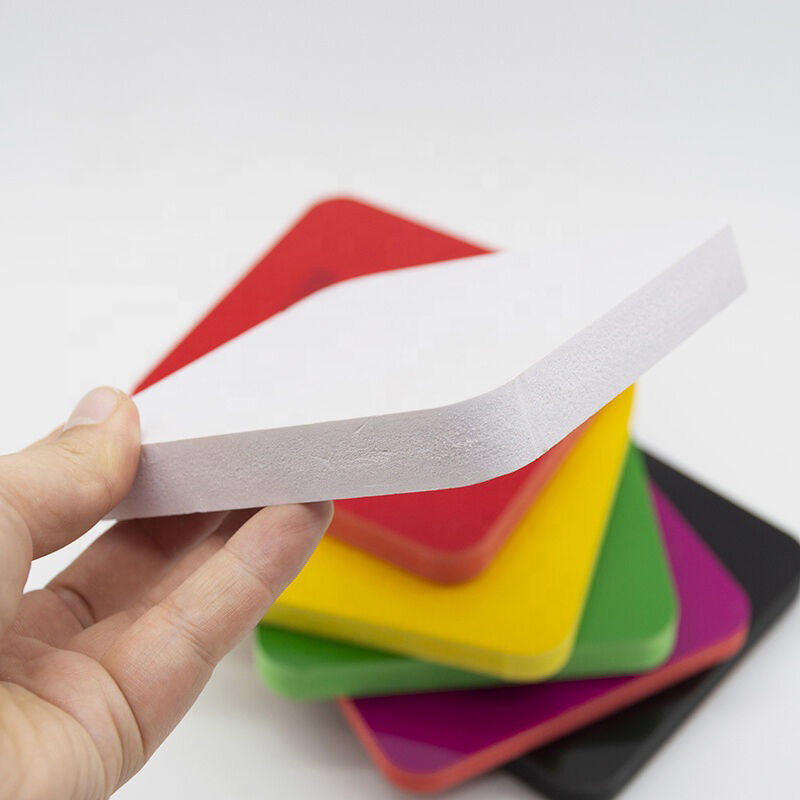
High density PVC foam board empowers designers, fabricators, and manufacturers with creative freedom that rigid traditional materials cannot match, opening possibilities across industries and applications. The material accepts virtually every finishing technique, from traditional paint and stain applications to modern digital printing and vinyl wrapping, allowing unlimited aesthetic customization to match any design vision. The smooth, consistent surface texture eliminates the grain patterns and natural variations that complicate matching and alignment in wood products, ensuring uniform appearance across large installations. Fabricators can achieve seamless looks by edge-banding with matching PVC strips or by routing decorative profiles that would splinter and chip wood materials. The thermoforming capability of high density PVC foam board enables the creation of curved surfaces, compound angles, and three-dimensional shapes impossible with rigid sheet goods, expanding design possibilities for retail displays, architectural details, and custom furniture components. Standard woodworking equipment handles the material effortlessly, requiring no specialized tooling or techniques beyond those familiar to any experienced fabricator. The board cuts cleanly with circular saws, table saws, and panel saws using standard carbide-tipped blades, producing smooth edges that often need no further finishing. Routers equipped with standard bits create decorative edge profiles, dados, and rabbets with precision and repeatability, while drill bits produce clean holes without tearout or splintering. The material machines consistently throughout its thickness, unlike plywood which presents varying hardness layers that challenge cutting tools and produce uneven results. CNC routing systems achieve intricate designs with fine details, as the homogeneous structure eliminates the grain direction concerns that limit cutting paths in wood products. The material bonds readily with construction adhesives, contact cements, and specialized PVC adhesives, creating joints stronger than the surrounding material when properly applied. Mechanical fasteners including screws, nails, and staples secure firmly, while the material's slight flexibility prevents the stress concentrations that cause brittle materials to crack around fasteners. High density PVC foam board accepts heat welding using specialized equipment, creating permanent, waterproof seams for marine applications and chemical containment where mechanical fasteners or adhesives might fail over time. The material laminates smoothly to various substrates including other foam boards, creating composite structures with enhanced properties for specific applications.
Environmental Resistance and Safety Features

Environmental Resistance and Safety Features

The comprehensive environmental resistance engineered into high density PVC foam board ensures reliable performance in challenging conditions where alternative materials deteriorate rapidly, while safety features protect both installers and end users throughout the material's service life. The inherent moisture resistance stems from the closed-cell structure that prevents water penetration rather than relying on surface coatings that wear away over time, providing permanent protection that never requires renewal or maintenance. This fundamental water resistance makes the material ideal for humid environments including bathrooms, kitchens, laundry rooms, and pool enclosures where wood-based products inevitably fail due to moisture exposure. Marine applications benefit enormously from this characteristic, as the material withstands constant salt spray, humidity, and direct water contact that would destroy traditional boat building materials within seasons. The chemical resistance protects against degradation from cleaning products, industrial chemicals, and environmental pollutants that stain, etch, or dissolve lesser materials, making high density PVC foam board appropriate for laboratories, manufacturing facilities, and commercial kitchens where aggressive cleaning protocols are mandatory. The material neither absorbs nor transmits odors, an important consideration for food service environments and medical facilities where hygiene standards demand non-porous surfaces that harbor no bacteria or contaminants. The flame retardant properties inherent in quality formulations provide critical safety advantages for commercial installations where building codes mandate materials that resist ignition and limit flame spread to protect occupants during fire emergencies. Unlike wood that readily ignites and accelerates fire growth, or standard plastics that melt and drip flaming material, properly formulated high density PVC foam board resists ignition and self-extinguishes when the ignition source is removed, meeting stringent fire safety classifications required for public buildings, hospitality facilities, and transportation applications. The material produces no toxic outgassing under normal conditions, maintaining healthy indoor air quality unlike some pressed wood products that release formaldehyde and other volatile organic compounds that compromise respiratory health. The UV resistance prevents the photodegradation that causes outdoor plastics to become brittle, discolored, and structurally compromised, ensuring that exterior applications maintain their appearance and performance through years of sun exposure without protective coatings. The thermal insulation value, while modest compared to dedicated insulation materials, contributes to energy efficiency in building applications by reducing heat transfer through walls, ceilings, and other surfaces where the board is installed. The material remains stable across freeze-thaw cycles that crack concrete, spall masonry, and delaminate plywood, making it suitable for exterior applications in climates with severe seasonal temperature variations.

Get a Free Quote

Our representative will contact you soon.
Email
Name
Company Name
Mobile/WhatsApp
Message
0/1000